

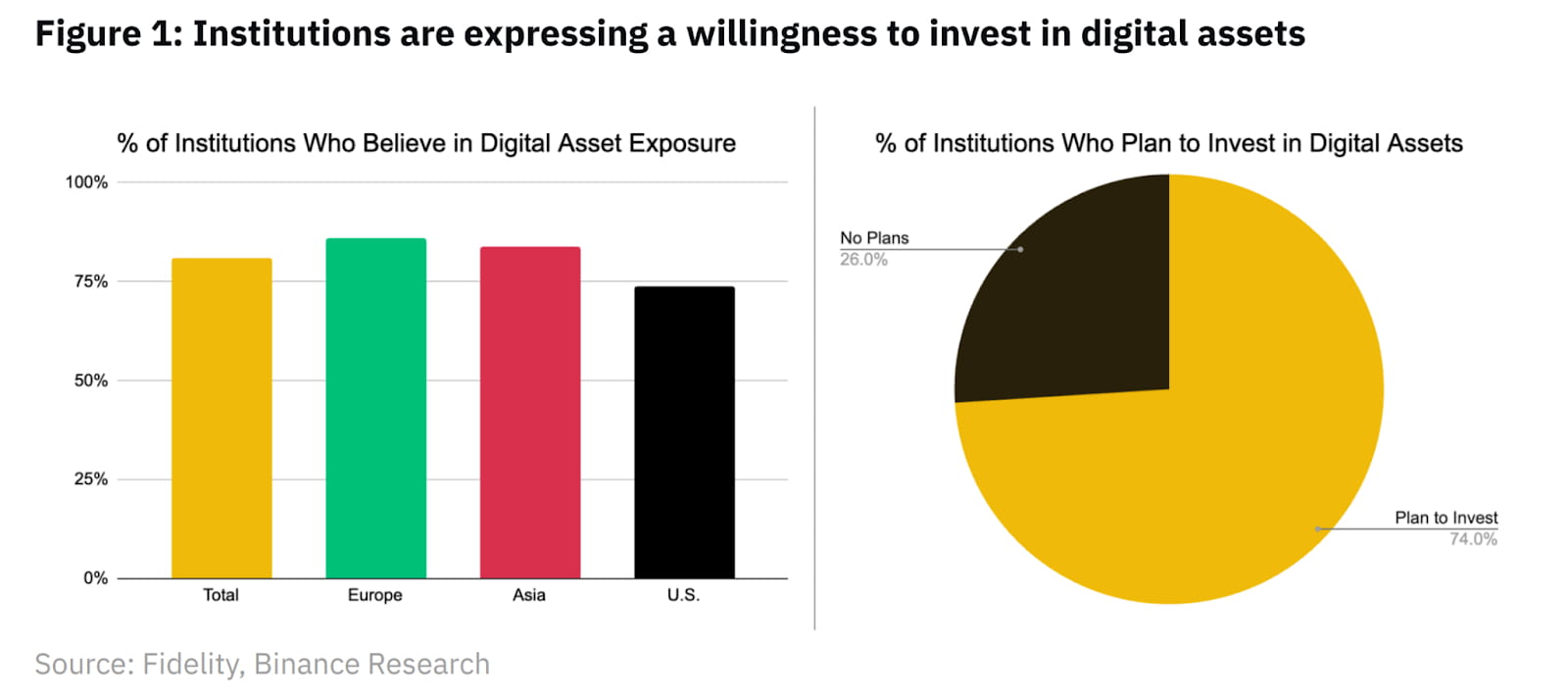
1/ A study from Fidelity revealed that 74% of institutional investors plan to invest in digital assets in the future.
In our latest #Binance Research report, we highlight how Institutional Custodians plan to accommodate this inflow. 💰🔒
Some takeaways⬇️ 🧵
2/ Institutional investors, ranging from hedge funds to sovereign wealth funds, are expressing a willingness to invest into digital assets.
3/ How should institutions store their crypto?
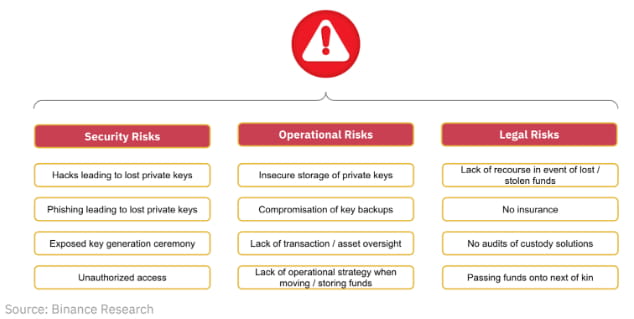
Institutions are fiduciaries of client funds and manage capital that is often magnitudes larger than that of an individual investor.
Without custodial expertise, self-custody entails greater responsibility and risk for institutions.
4/ For institutions who lack in-house crypto custody expertise, they may elect to outsource custody to an institutional custodian.
Institutional custodians apply security, operational, and legal best practices to manage institutional assets.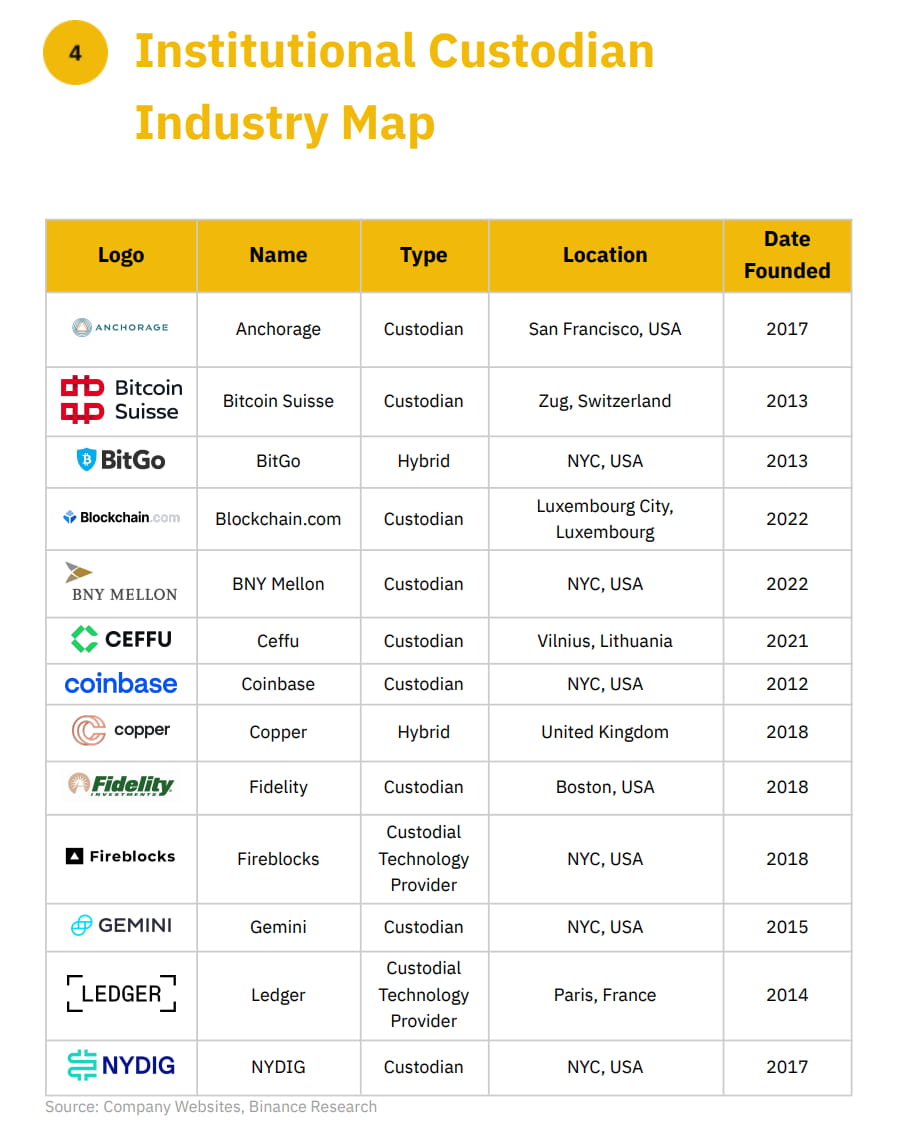
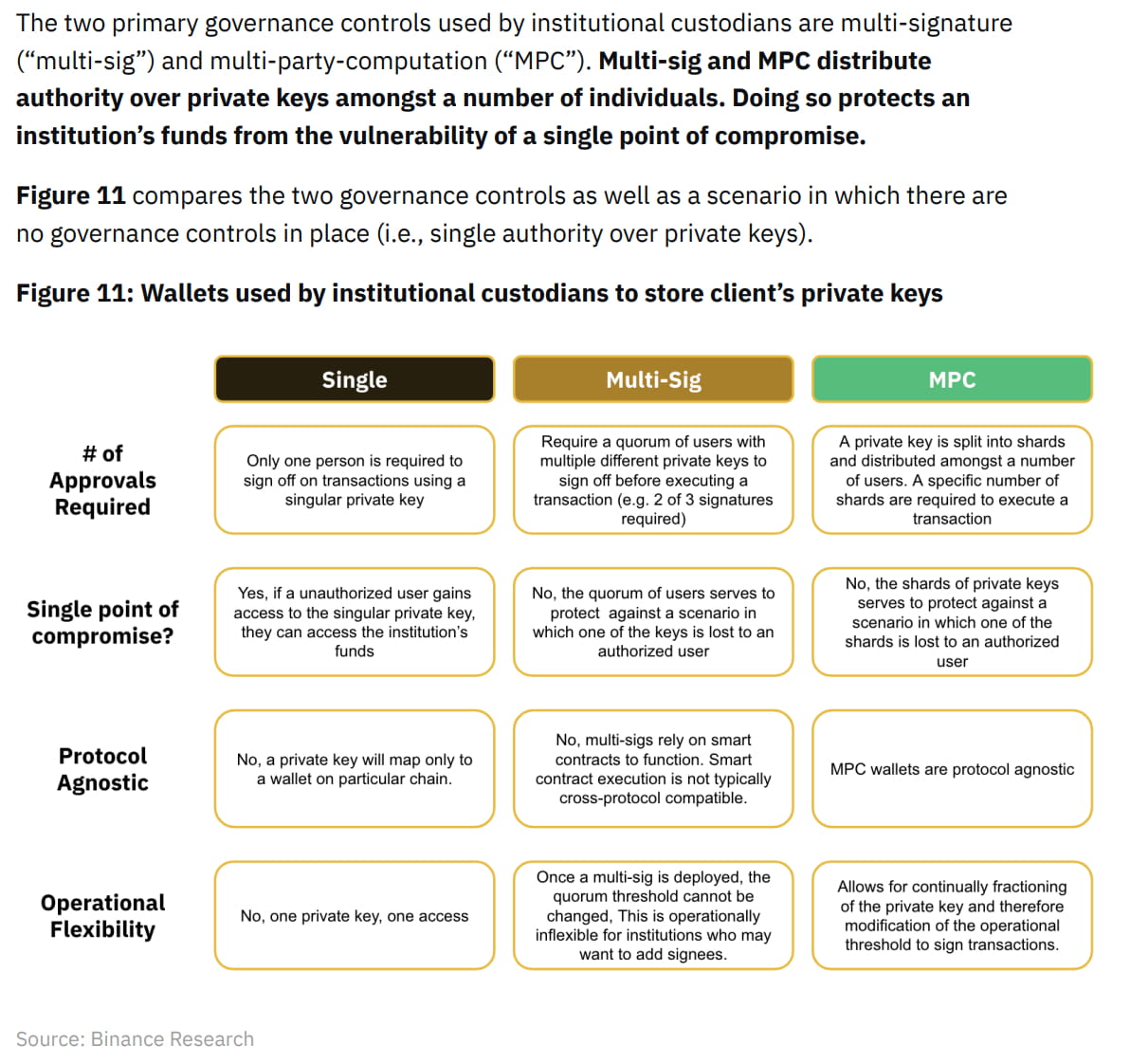
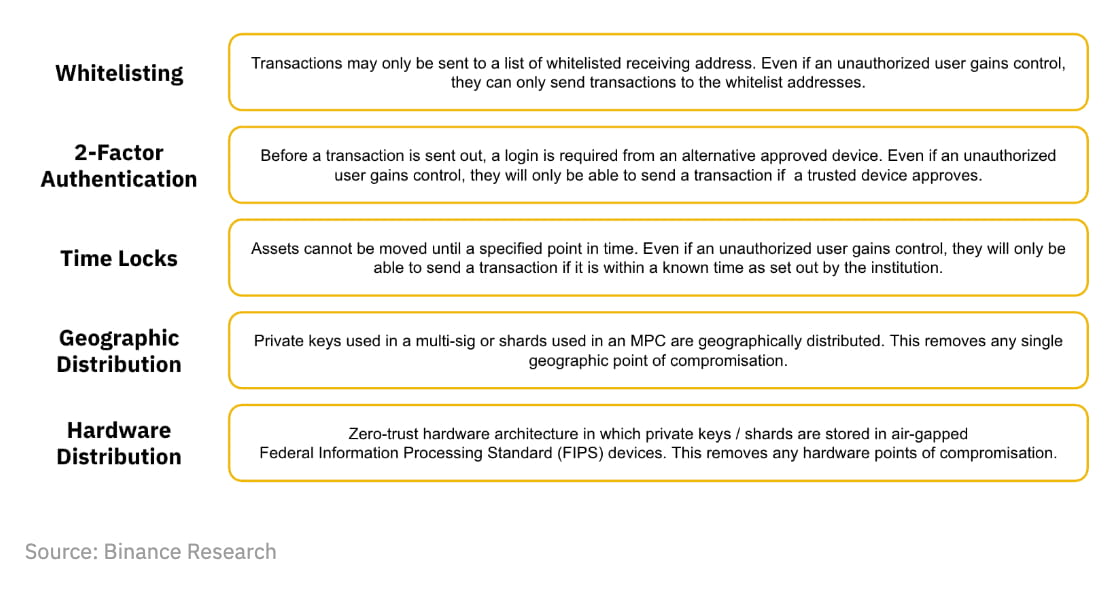
5/ For example, institutions use cold-storage and a number of access controls to prevent compromisation of their client’s assets.
6/ While institutional assets remain in safe storage, institutional custodians also provide different trading, asset, staking, OTC, and escrow offerings.
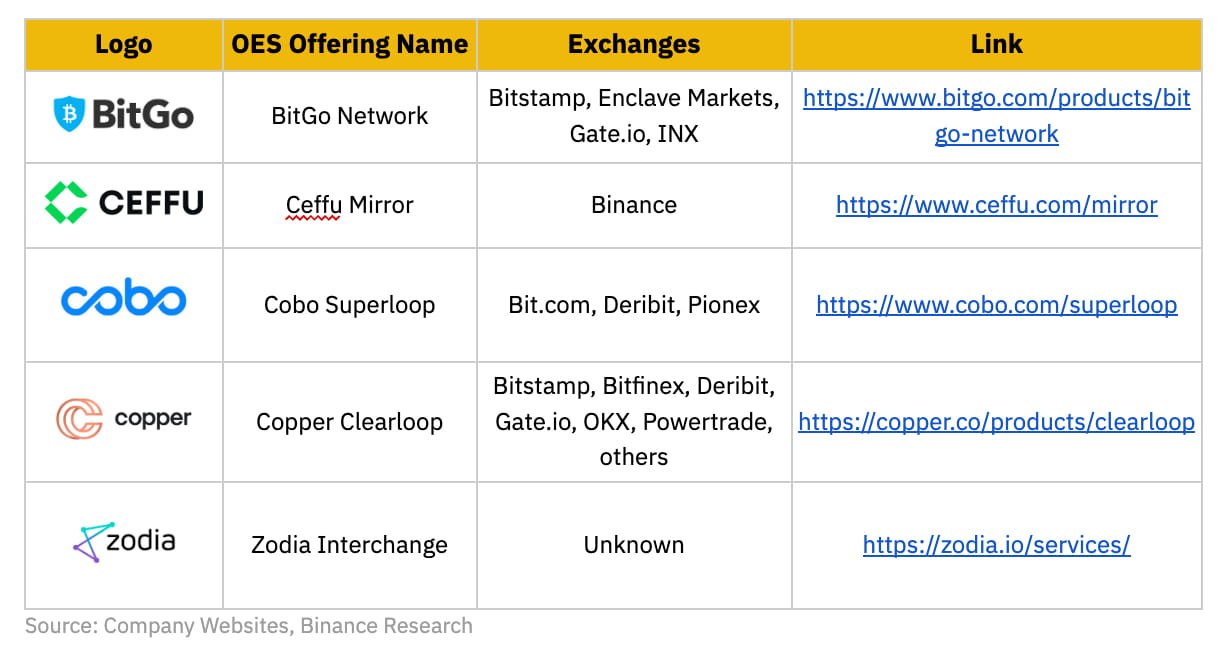
7/ One relatively new, innovative trading solution is Off-Exchange-Settlement (“OES”), which allows institutions to trade with a convenience level as if their assets were on an exchange, without their assets ever leaving cold-storage.
OES is offered by a handful of institutional custodians today.
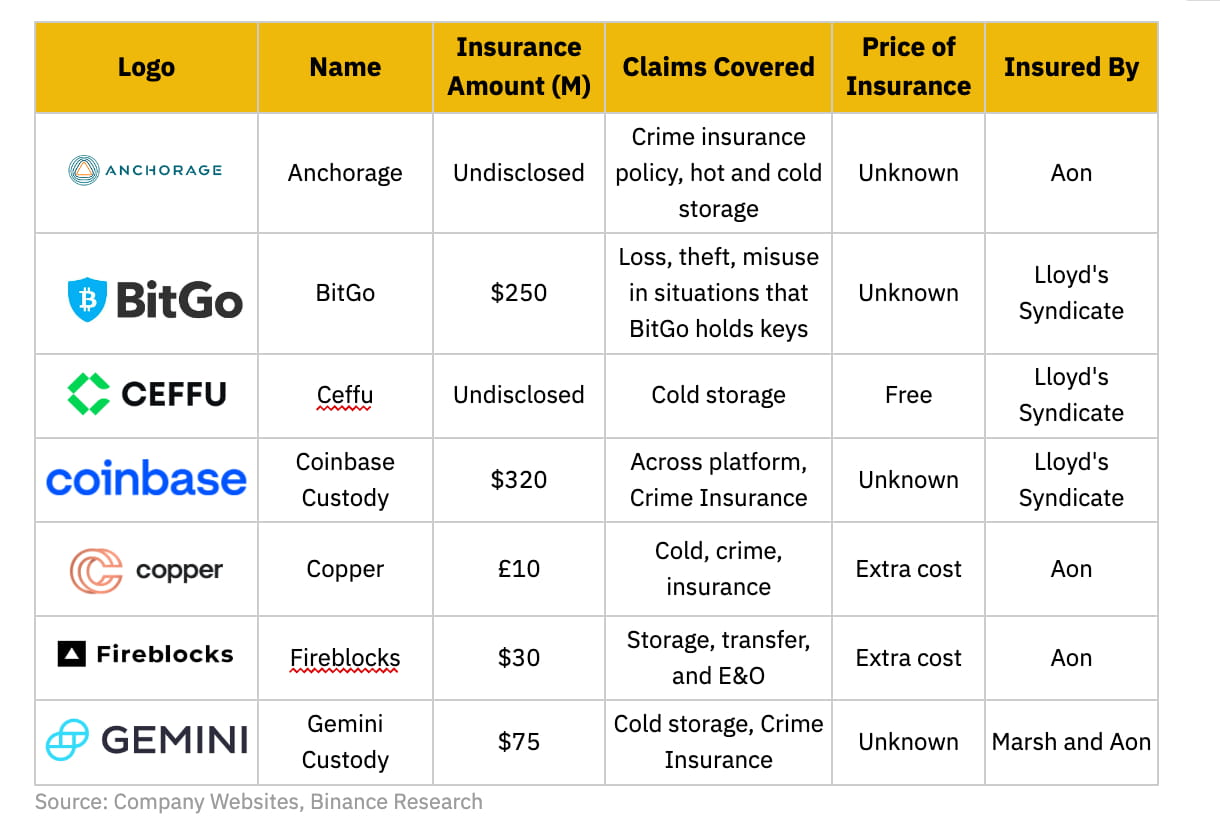
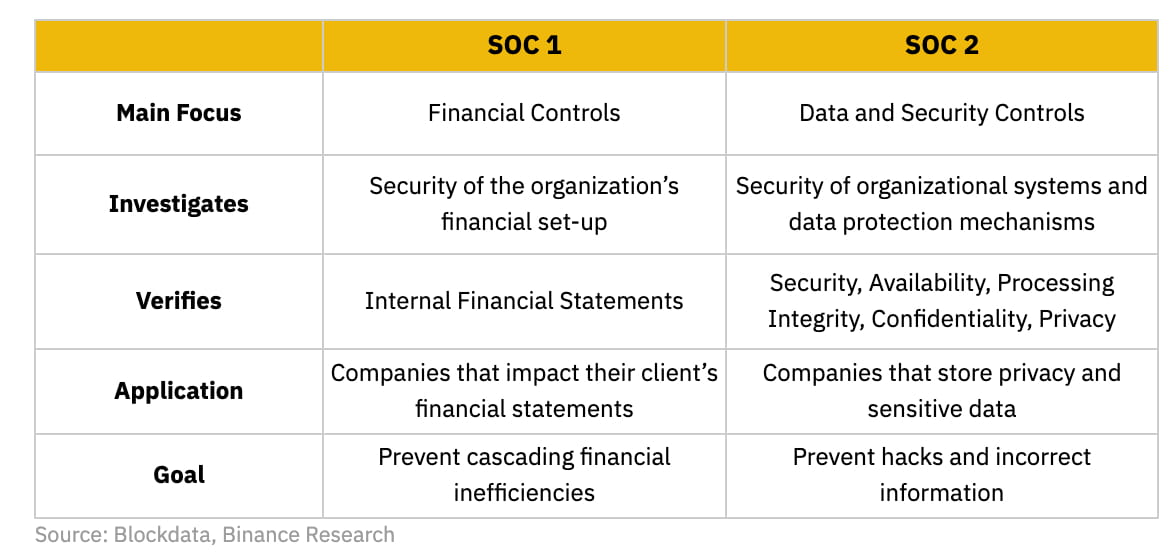
8/ To provide even further peace of mind to institutions, many institutional custodians are insured and thoroughly audited.
9/ The Institutional Custody industry is ever changing, and includes interesting trends like custodians beginning to offer prime-brokerage-like asset offerings, and TradFi custodians beginning to offer crypto custody.
10/ To learn more about the Institutional Custody industry and its vital role in the future maturation of the crypto space, read the report below at https://research.binance.com