
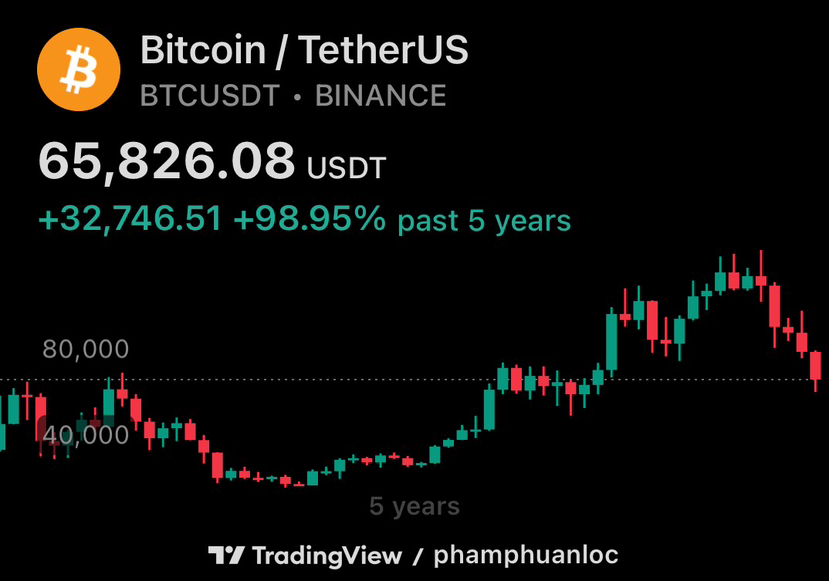
Looking at Bitcoin over a five-year horizon, the first thing that stands out is not the volatility but the persistence of the trend itself: sharp rallies followed by violent corrections, yet the long-term trajectory remains upward, reminding us that price shocks are structural features of the market rather than signs of failure.
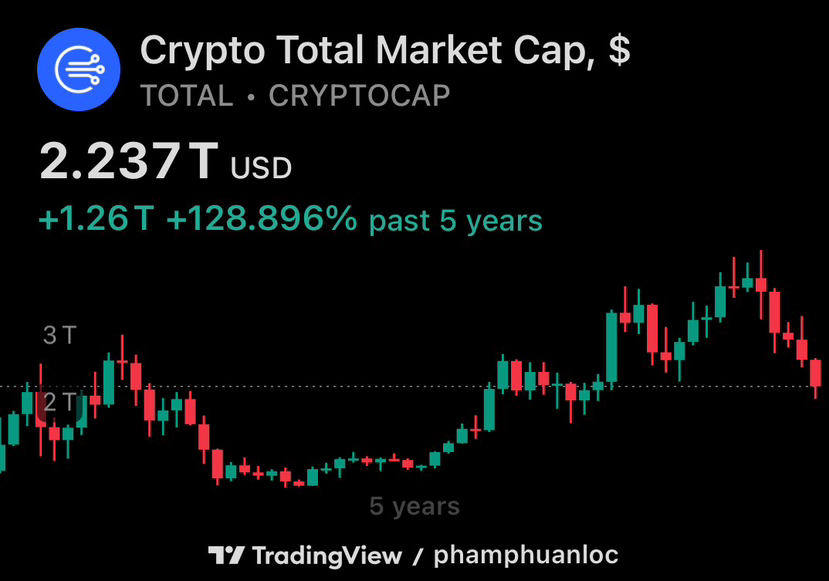
The same logic applies to the broader crypto market, where total capitalization continues to expand over time despite repeated cycles of expansion and contraction, showing that capital does not disappear in crises but is reallocated through periods of stress.
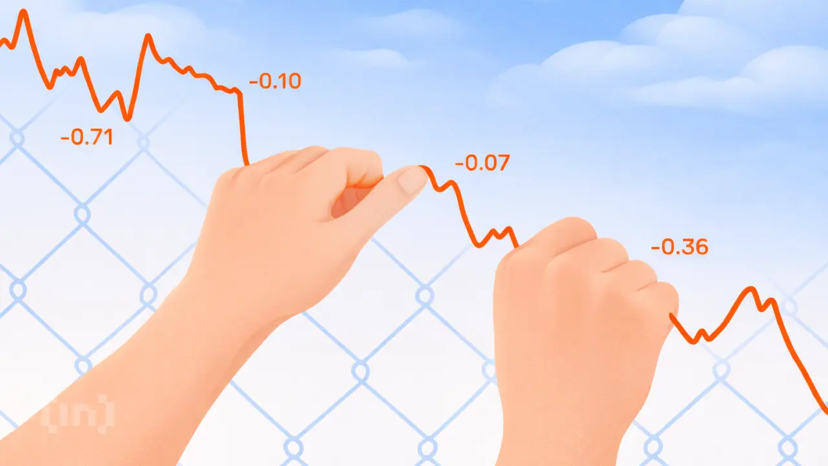
What truly defines these phases is not price decline itself but the psychological pressure created by uncertainty, fatigue, and the cumulative memory of past losses, which pushes market participants into defensive behavior long before long-term value is impaired.
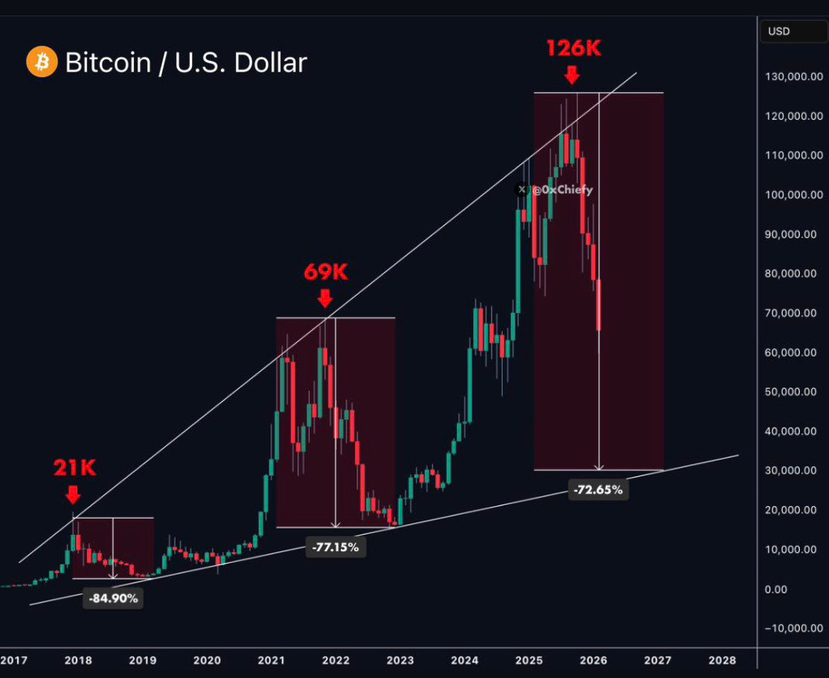
History shows a consistent pattern: major tops are followed by drawdowns of similar magnitude across cycles, not because Bitcoin loses relevance, but because leverage, excess optimism, and mispositioned capital must be reset before a new cycle can emerge.
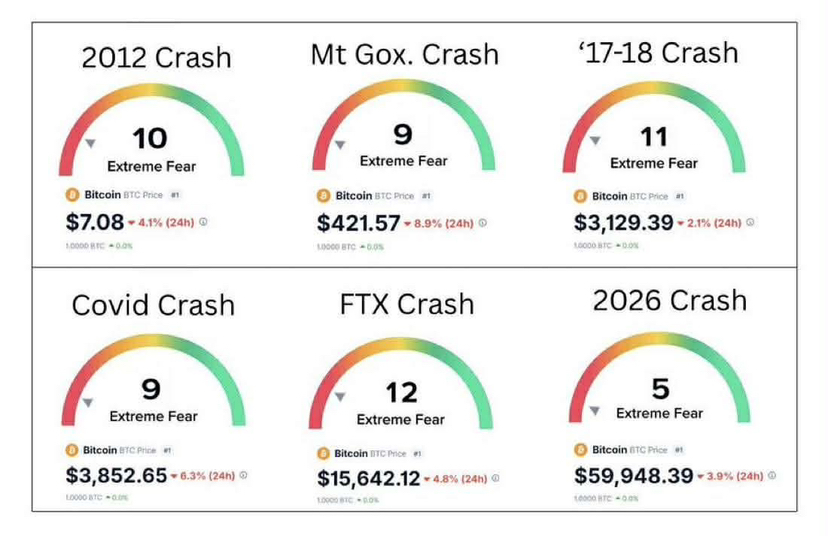
The reason the Fear & Greed Index can reach historically low levels today is not a single catastrophic event, but the accumulation of tightening liquidity, unresolved trauma from prior crashes, repeated failed expectations, and investor exhaustion, all of which compress sentiment faster than price alone would suggest.
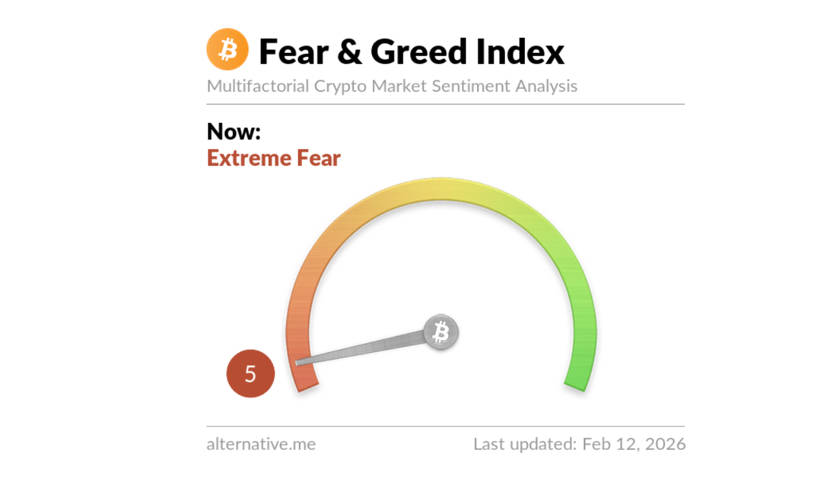
If a major storm is indeed forming and fear has reached extreme historical levels, the real question is not how deep the next drawdown might be, but whether you are positioned to survive it, because markets have always recovered from fear, while investors who confuse volatility with failure are often gone before the next cycle begins.
