

AM-Capital
9.3k Beiträge

AM-Capital
 Square Verified+
crypto researcher ) content creator binance Ecosystem / market insights & web3 research learning building sharing
Hochfrequenz-Trader
10 Monate
368 Following
32.0K+ Follower
7.5K+ Like gegeben
Beiträge
Alle
Zitierungen
Live
PINNED







Humaira HN
·
--
$SOL Geschenke für meine Follower 💕💕💕💕🎁
Hier klicken 👉Join my Chatroom 💞💞
Bitte folgt mir 💖💖 auf X 👉 @HumairaHN22800
Hier klicken 👉Join my Chatroom 💞💞
Bitte folgt mir 💖💖 auf X 👉 @HumairaHN22800

Ahli Hidaya ALLAH Raman
·
--
Bullisch🚨 Heftiger Regulierungskonflikt: Hyperliquid vs. Singapurs MAS! 🇸🇬
Nach einem neuen Bericht der Financial Times ist in der Kryptowelt eine heftige Debatte entbrannt!
🔹 Der Kern des Konflikts:
Die Position von Hyperliquid: Hyperliquid Labs teilte der Financial Times mit, dass die Plattform offiziell in Singapur registriert ist und dort ihren Hauptsitz hat. Dies gehe auch aus den Unternehmensunterlagen hervor. Das Team stellte außerdem klar, dass es nie behauptet habe, eine Lizenz der MAS zu besitzen, und zu einer konstruktiven Zusammenarbeit bereit sei.
Die Position der MAS: Die singapurische Zentralbank und Finanzaufsichtsbehörde (MAS) erklärte dagegen, dass die Plattform nicht in ihren Zuständigkeitsbereich fällt. Aufgrund ihres dezentralen Charakters betrachtet die Aufsichtsbehörde sie nicht als traditionelles inländisches Unternehmen, das ihrer direkten Kontrolle unterliegt.
🔍 Warum das für die Kryptowelt wichtig ist:
Der Fall verdeutlicht eine große Grauzone für dezentrale Börsen (DEXs) weltweit. Selbst wenn ein Protokoll eine juristische Person offiziell registriert, ringen die Aufsichtsbehörden noch immer mit der Frage, wie sich tatsächlich dezentrale, erlaubnisfreie Strukturen überwachen lassen.
💡 Möchtest du beim Trading oder bei Kampagnen Krypto verdienen?
Schau dir diesen offiziellen Binance-Prämienlink an, um loszulegen und gemeinsam Prämien zu verdienen:
👉 Hol dir hier deine Binance-Prämie
Was hältst du von diesem Konflikt zwischen dezentralen Grundsätzen und traditioneller Regulierung? Diskutiert mit! 👇
#Hyperliquid #DeFi #CryptoRegulation #BinanceSquare #Web3 #HYPE #Binance$USDC $HYPE
#dyor
Nach einem neuen Bericht der Financial Times ist in der Kryptowelt eine heftige Debatte entbrannt!
🔹 Der Kern des Konflikts:
Die Position von Hyperliquid: Hyperliquid Labs teilte der Financial Times mit, dass die Plattform offiziell in Singapur registriert ist und dort ihren Hauptsitz hat. Dies gehe auch aus den Unternehmensunterlagen hervor. Das Team stellte außerdem klar, dass es nie behauptet habe, eine Lizenz der MAS zu besitzen, und zu einer konstruktiven Zusammenarbeit bereit sei.
Die Position der MAS: Die singapurische Zentralbank und Finanzaufsichtsbehörde (MAS) erklärte dagegen, dass die Plattform nicht in ihren Zuständigkeitsbereich fällt. Aufgrund ihres dezentralen Charakters betrachtet die Aufsichtsbehörde sie nicht als traditionelles inländisches Unternehmen, das ihrer direkten Kontrolle unterliegt.
🔍 Warum das für die Kryptowelt wichtig ist:
Der Fall verdeutlicht eine große Grauzone für dezentrale Börsen (DEXs) weltweit. Selbst wenn ein Protokoll eine juristische Person offiziell registriert, ringen die Aufsichtsbehörden noch immer mit der Frage, wie sich tatsächlich dezentrale, erlaubnisfreie Strukturen überwachen lassen.
💡 Möchtest du beim Trading oder bei Kampagnen Krypto verdienen?
Schau dir diesen offiziellen Binance-Prämienlink an, um loszulegen und gemeinsam Prämien zu verdienen:
👉 Hol dir hier deine Binance-Prämie
Was hältst du von diesem Konflikt zwischen dezentralen Grundsätzen und traditioneller Regulierung? Diskutiert mit! 👇
#Hyperliquid #DeFi #CryptoRegulation #BinanceSquare #Web3 #HYPE #Binance$USDC $HYPE
#dyor


crypto-MS
·
--
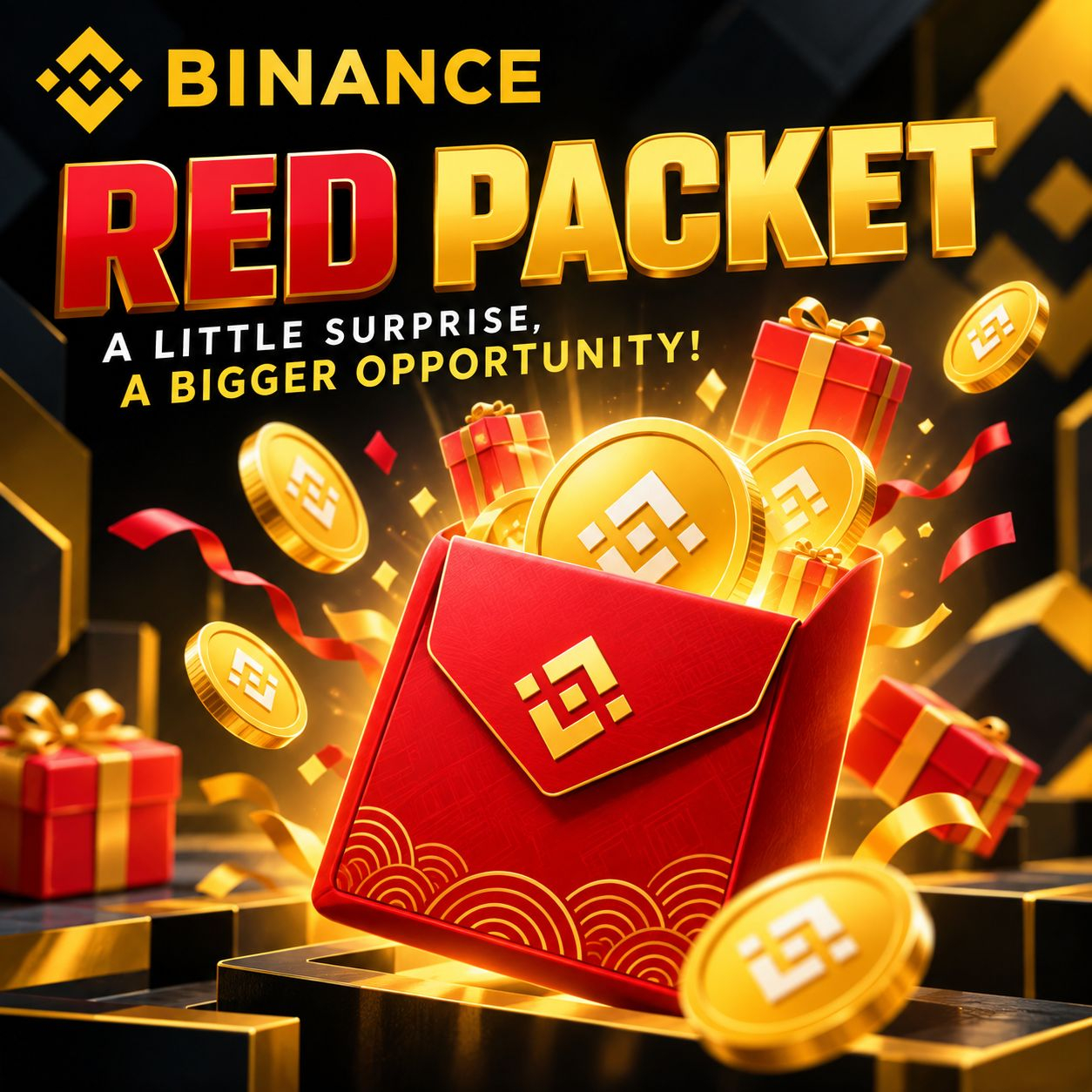
🎁 Das Binance Red Packet ist da!
Eine kleine Überraschung, ein bisschen Spannung und die Chance, dir deinen Anteil zu sichern. Mach dich bereit, bleib aktiv und verpasse das Red Packet nicht, wenn es erscheint! 🧧💰
Wer ist bereit, es sich zu schnappen? 👀$BTC
Eine kleine Überraschung, ein bisschen Spannung und die Chance, dir deinen Anteil zu sichern. Mach dich bereit, bleib aktiv und verpasse das Red Packet nicht, wenn es erscheint! 🧧💰
Wer ist bereit, es sich zu schnappen? 👀$BTC

Leo - F0
·
--
Bullisch🧧🧧🔥GUTEN MORGEN, MEINE FAMILIE.🔥🧧🧧
Ich habe dir gesagt, du sollst $PEPE 💙 kaufen, als der Kurs bei $0.00000030 lag.
Wie ich dir bereits gesagt habe, wird $PEPE 💙 bei $000050 liegen.💎
BTTC🔥🔥🧧🧧 $BTC
#1688家族family 💚 @周周1688 #BTCFallsBelow$84K #BinanceLaunchesBinanceIntelligence #xrp #DOGE
Ich habe dir gesagt, du sollst $PEPE 💙 kaufen, als der Kurs bei $0.00000030 lag.
Wie ich dir bereits gesagt habe, wird $PEPE 💙 bei $000050 liegen.💎
BTTC🔥🔥🧧🧧 $BTC
#1688家族family 💚 @周周1688 #BTCFallsBelow$84K #BinanceLaunchesBinanceIntelligence #xrp #DOGE


YUNA萌4
·
--
🧧 Hol dir unten deine Belohnung 💰✨
Ich habe letzte Nacht einen $RLC Trade eröffnet und mit Gewinn geschlossen.
Später den Chart geprüft und gedacht…
„Vielleicht hätte ich noch ein bisschen länger halten sollen.“ 👀
Manchmal bewegt sich der Markt genau dann, wenn du geschlossen hast. 😂
$RLC bewegt sich immer noch 🚀
$RLC
#bitcoin
Ich habe letzte Nacht einen $RLC Trade eröffnet und mit Gewinn geschlossen.
Später den Chart geprüft und gedacht…
„Vielleicht hätte ich noch ein bisschen länger halten sollen.“ 👀
Manchmal bewegt sich der Markt genau dann, wenn du geschlossen hast. 😂
$RLC bewegt sich immer noch 🚀
$RLC
#bitcoin

Deepak_XBT
·
--
Das neueste Bitcoin-Argument von Robert Kiyosaki geht weniger darum, reich zu werden, als vielmehr um finanzielle Vorbereitung.
Er verglich den Besitz von Bitcoin, Gold und Silber mit Kfz-Versicherung: Man kauft keine Versicherung, weil man einen Unfall erwartet, sondern weil man sich schützen will, falls etwas schiefgeht.
Sein Kernpunkt: Regierungen können mehr Währung drucken, wodurch die Kaufkraft im Laufe der Zeit potenziell sinkt. Das 21-Millionen-Angebotslimit von Bitcoin ist der Grund, warum er es als ein Asset bevorzugt, das nicht einfach gedruckt werden kann.
Aber es gibt eine wichtige Einschränkung: Ein begrenztes Angebot garantiert keine Preisstabilität. BTC kann bei nachlassender Nachfrage trotzdem deutlich fallen.
Kiyosaki verweist außerdem auf Ölfelder und Mietimmobilien als einkommensschaffende Assets.
Für mich stellt sich vor allem diese Frage:
Wird Bitcoin zu einer Art finanzieller Versicherung, oder ist es nach wie vor in erster Linie ein Risikowerte-Asset?
Er verglich den Besitz von Bitcoin, Gold und Silber mit Kfz-Versicherung: Man kauft keine Versicherung, weil man einen Unfall erwartet, sondern weil man sich schützen will, falls etwas schiefgeht.
Sein Kernpunkt: Regierungen können mehr Währung drucken, wodurch die Kaufkraft im Laufe der Zeit potenziell sinkt. Das 21-Millionen-Angebotslimit von Bitcoin ist der Grund, warum er es als ein Asset bevorzugt, das nicht einfach gedruckt werden kann.
Aber es gibt eine wichtige Einschränkung: Ein begrenztes Angebot garantiert keine Preisstabilität. BTC kann bei nachlassender Nachfrage trotzdem deutlich fallen.
Kiyosaki verweist außerdem auf Ölfelder und Mietimmobilien als einkommensschaffende Assets.
Für mich stellt sich vor allem diese Frage:
Wird Bitcoin zu einer Art finanzieller Versicherung, oder ist es nach wie vor in erster Linie ein Risikowerte-Asset?

BLOCK Rayne
·
--
🎁🎁Antworte noch heute, um den roten Umschlag zu erhalten 🎁🎁$SOL
🌹Vielen Dank, dass du dabei hilfst, die Nachricht zu teilen und weiterzuverbreiten. THS🌹
🌹Vielen Dank, dass du dabei hilfst, die Nachricht zu teilen und weiterzuverbreiten. THS🌹


Sofi紫藤
·
--
Geldgeschenke 🧧🧧🧧 warten auf dich
Die größte Stärke eines Erwachsenen ist, schnell bezahlen und rechtzeitig gehen zu können. Verschwende nicht einmal eine Sekunde mehr an Menschen oder Dinge, die es nicht wert sind. Es ist völlig in Ordnung, sich gelegentlich überlisten zu lassen oder ein wenig draufzuzahlen. Was wirklich teuer ist, sind die Zeit und die Gefühle, die du weiterhin investierst.
Zu gehen heißt nicht, aufzugeben. Es heißt, dich aus dem Schlamassel zu befreien und dein Leben weiterzuleben.
#币安广场 #sol
Die größte Stärke eines Erwachsenen ist, schnell bezahlen und rechtzeitig gehen zu können. Verschwende nicht einmal eine Sekunde mehr an Menschen oder Dinge, die es nicht wert sind. Es ist völlig in Ordnung, sich gelegentlich überlisten zu lassen oder ein wenig draufzuzahlen. Was wirklich teuer ist, sind die Zeit und die Gefühle, die du weiterhin investierst.
Zu gehen heißt nicht, aufzugeben. Es heißt, dich aus dem Schlamassel zu befreien und dein Leben weiterzuleben.
#币安广场 #sol

长风Nova
·
--
#币安钱包 2026. Oktober: Tagebuch der Dog-Jagd. 【Mit 20 U 🧧】 Bewölkt, den ganzen Tag untätig herumgesessen.
Abends habe ich den Livestream einer Krypto-Influencerin angesehen. Sie hatte wirklich recht: Ich darf mich nicht länger von den ganzen Schlagzeilen und Posts berühmter Leute in FOMO versetzen lassen.
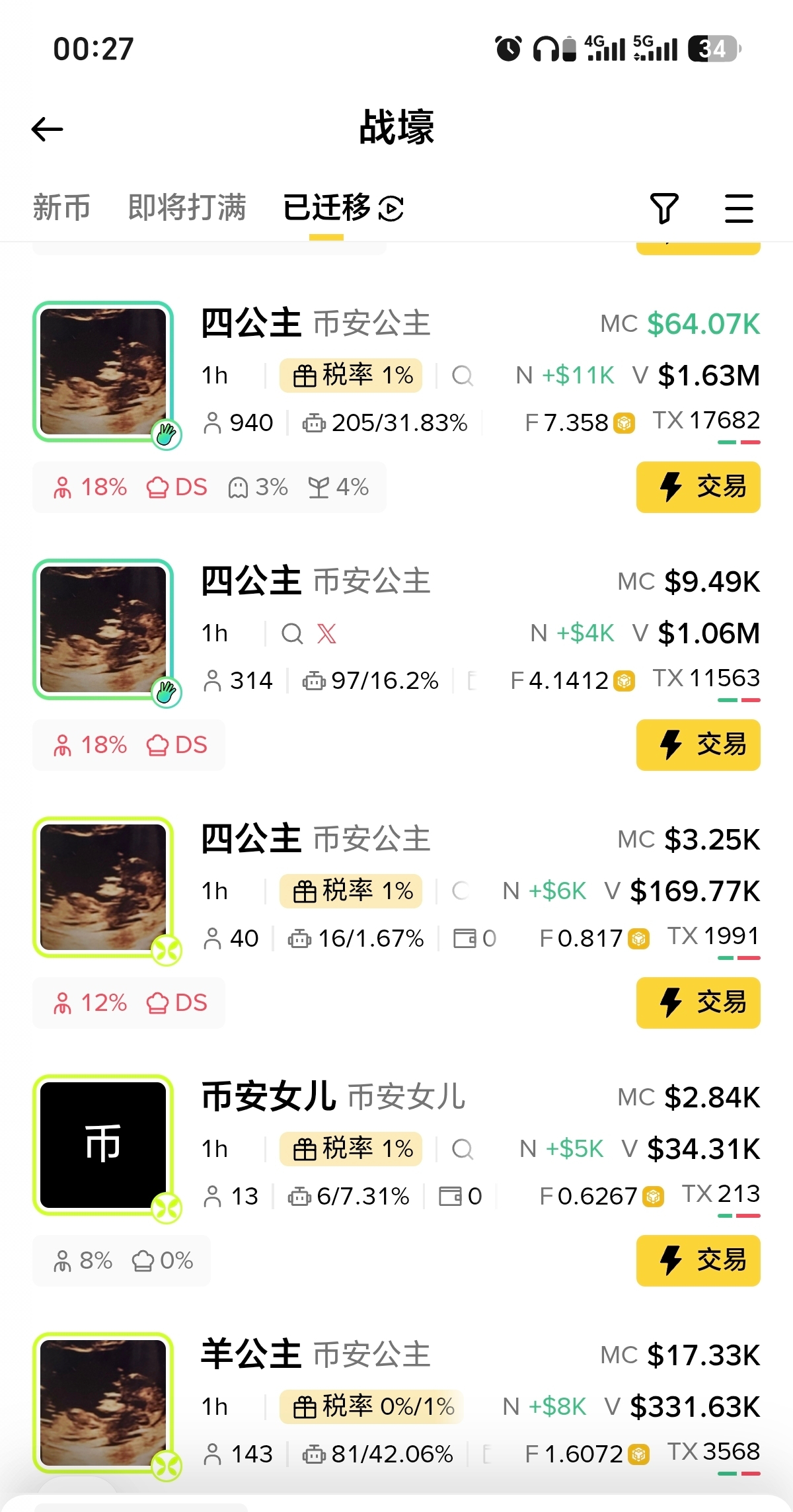
😭 Also habe ich abends den 👶-Ultraschallbefund angesehen, den sie gepostet hatte, und dachte, jetzt sei alles sicher. Ich stieg bei der Binance-Prinzessin und der vierten Prinzessin ein und wurde abkassiert. Ein Tag mit heftigen Verlusten.
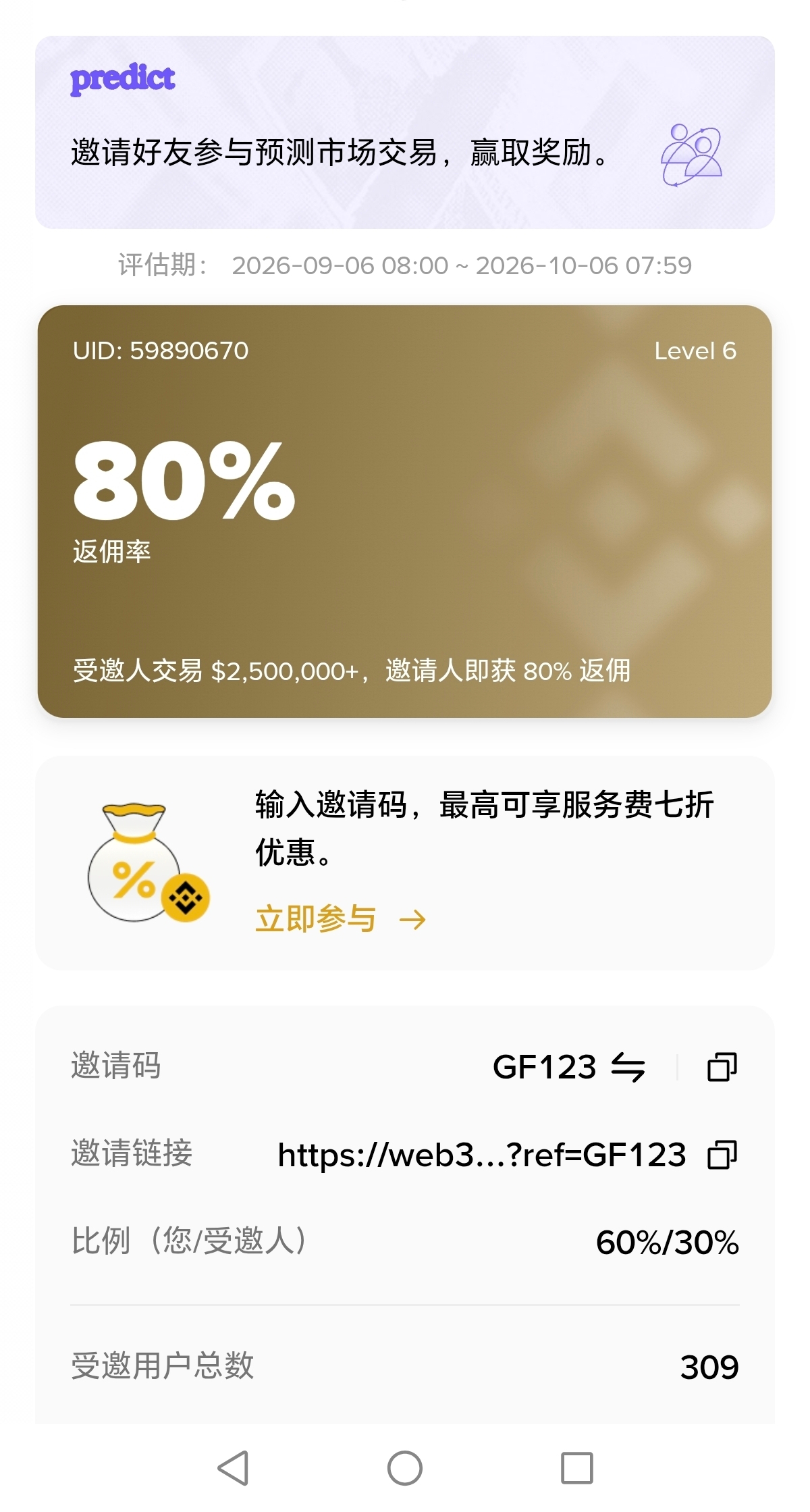
【Mit dem Einladungscode GF123 für die Binance Wallet erhältst du automatisch einen Teil der Tradinggebühren zurück. So verknüpfst du ihn: Tippe auf der Startseite der Binance-App-Wallet auf „Freunde einladen“ → tippe in der Mitte auf „Jetzt teilnehmen“ → gib GF123 ein → fertig. Schick danach einen Screenshot an den Chat auf der Profilseite (土狗大王). Jeden Monat gibt es exklusive private Vergünstigungen, bis zu 388 U】
Teilen + kommentieren, um einen roten Umschlag 🧧 zu erhalten. Die Antwort steht im Text.
Abends habe ich den Livestream einer Krypto-Influencerin angesehen. Sie hatte wirklich recht: Ich darf mich nicht länger von den ganzen Schlagzeilen und Posts berühmter Leute in FOMO versetzen lassen.
😭 Also habe ich abends den 👶-Ultraschallbefund angesehen, den sie gepostet hatte, und dachte, jetzt sei alles sicher. Ich stieg bei der Binance-Prinzessin und der vierten Prinzessin ein und wurde abkassiert. Ein Tag mit heftigen Verlusten.
【Mit dem Einladungscode GF123 für die Binance Wallet erhältst du automatisch einen Teil der Tradinggebühren zurück. So verknüpfst du ihn: Tippe auf der Startseite der Binance-App-Wallet auf „Freunde einladen“ → tippe in der Mitte auf „Jetzt teilnehmen“ → gib GF123 ein → fertig. Schick danach einen Screenshot an den Chat auf der Profilseite (土狗大王). Jeden Monat gibt es exklusive private Vergünstigungen, bis zu 388 U】
Teilen + kommentieren, um einen roten Umschlag 🧧 zu erhalten. Die Antwort steht im Text.

·
--
🎙️ Der letzte Tag der Nationalfeiertagsferien: Long oder Short? Seid ihr bereit, Gewinne einzufahren?

Beenden
04 h 05 m 50 s
5.2k
20
Anmelden und weiter Inhalte entdecken