

Prof Denial
11.8k Beiträge

Prof Denial
 Square Verified+
Silent Moves. 👻 Loud Results. 🔥✨🔥
303 Following
37.0K+ Follower
30.7K+ Like gegeben
Beiträge
Alle
Zitierungen
Live
PINNED

Übersetzung ansehen
WOLF 狼
·
--
ANSPRÜCHE $BNB VERLOSUNG HEUTE
FOLGEN & GEWINNEN 🧧🎉
Engagement zählt, und Loyalität sollte immer belohnt werden. Ich gebe eine schnelle Belohnung für alle weiter, die unsere Kommentarspalte aktiv und unterstützend halten.💕
Stell sicher, dass deine Benachrichtigungen aktiviert sind, drück auf den Like-Button und bleib dran für das nächste Update. 💯
Lasst uns den Schwung am Leben halten und weiter wachsen! ✨
$BNB
FOLGEN & GEWINNEN 🧧🎉
Engagement zählt, und Loyalität sollte immer belohnt werden. Ich gebe eine schnelle Belohnung für alle weiter, die unsere Kommentarspalte aktiv und unterstützend halten.💕
Stell sicher, dass deine Benachrichtigungen aktiviert sind, drück auf den Like-Button und bleib dran für das nächste Update. 💯
Lasst uns den Schwung am Leben halten und weiter wachsen! ✨
$BNB
Übersetzung ansehen
Cryptology_7
·
--
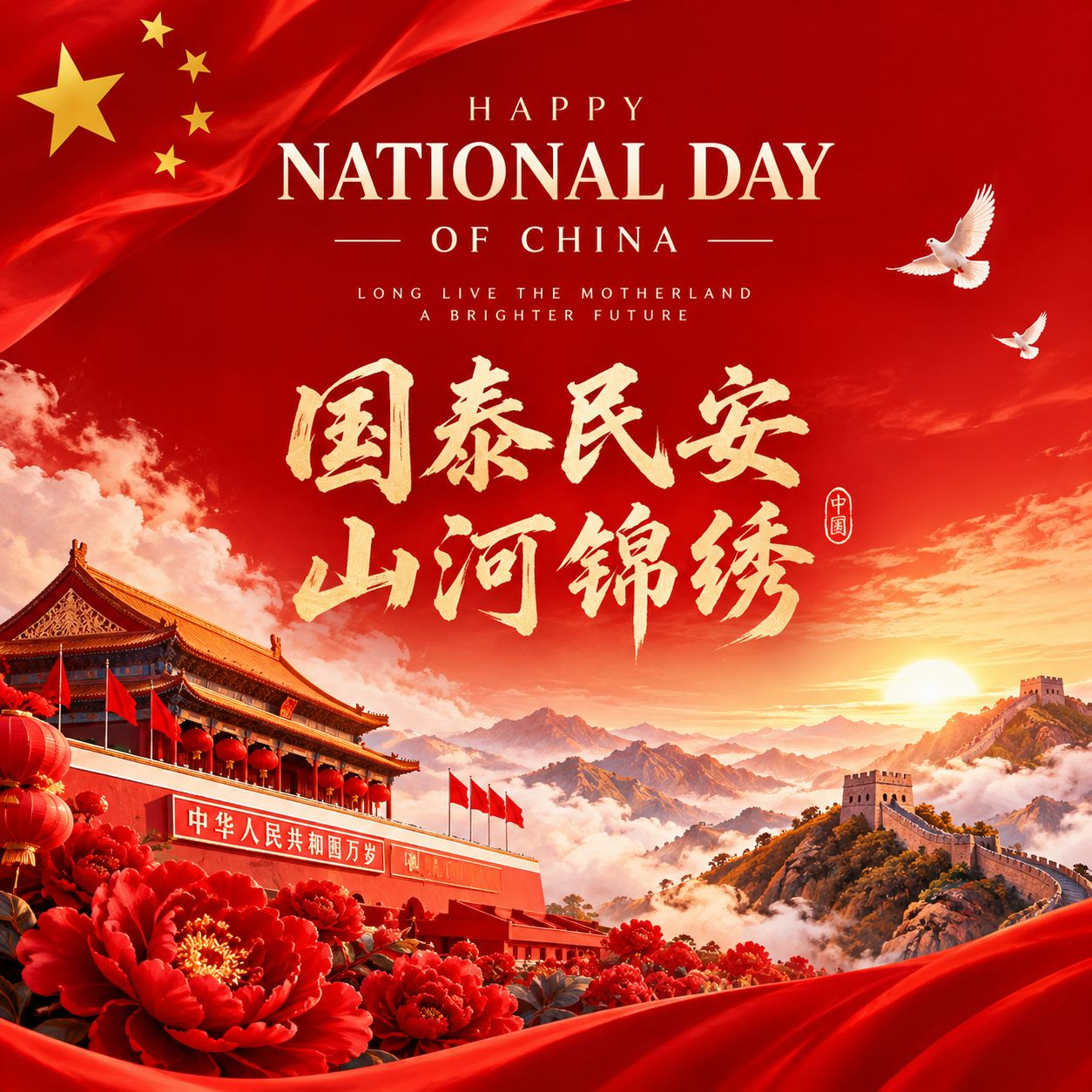
🇨🇳 𝗙𝗿𝗲𝘂𝗱𝗲 𝘄𝘁𝗶𝗰𝗵𝗲 𝗛𝗲𝗯𝗲𝗻 𝗱𝗲𝘀 𝗰𝗵𝗶𝗻𝗲𝘀𝗶𝘀𝗰𝗵𝗲𝗻 𝗡𝗮𝘁𝗶𝗼𝗻𝗮𝗹𝗲𝗻 𝗧𝗮𝗴 𝗶𝗻 𝗖𝗵𝗶𝗻𝗮 🇨🇳 𝗕𝗼𝗿𝗱𝗲𝗿𝘀 𝗺𝗮𝘆 𝗱𝗶𝘃𝗶𝗱𝗲𝗻 𝗡𝗮𝘁𝗶𝗼𝗻𝗲𝗻, 𝗮𝗯𝗲𝗿 𝗕𝗹𝗼𝗰𝗸𝗰𝗵𝗮𝗶𝗻-𝗖𝗼𝗻𝗻𝗲𝗰𝘁𝘀 𝗽𝗲𝗼𝗽𝗹𝗲 𝘁𝗵𝗿𝗼𝘂𝗴𝗵 𝗮 𝘀𝗵𝗮𝗿𝗲𝗱 𝗱𝗶𝗴𝗶𝘁𝗮𝗹 𝗳𝘂𝘁𝘂𝗿𝗲. 🪩
Bitcoin in China: Schätzungen zufolge belaufen sich die nationalen Bitcoin-Bestände Chinas auf ungefähr 194,000 $BTC Dabei handelt es sich um geschätzte nationale Bestände, nicht um einzelne Anleger. 📊
#BTC走势分析 #October #Cryptology_7
Bitcoin in China: Schätzungen zufolge belaufen sich die nationalen Bitcoin-Bestände Chinas auf ungefähr 194,000 $BTC Dabei handelt es sich um geschätzte nationale Bestände, nicht um einzelne Anleger. 📊
#BTC走势分析 #October #Cryptology_7
Übersetzung ansehen

艾伦Eren1688
·
--
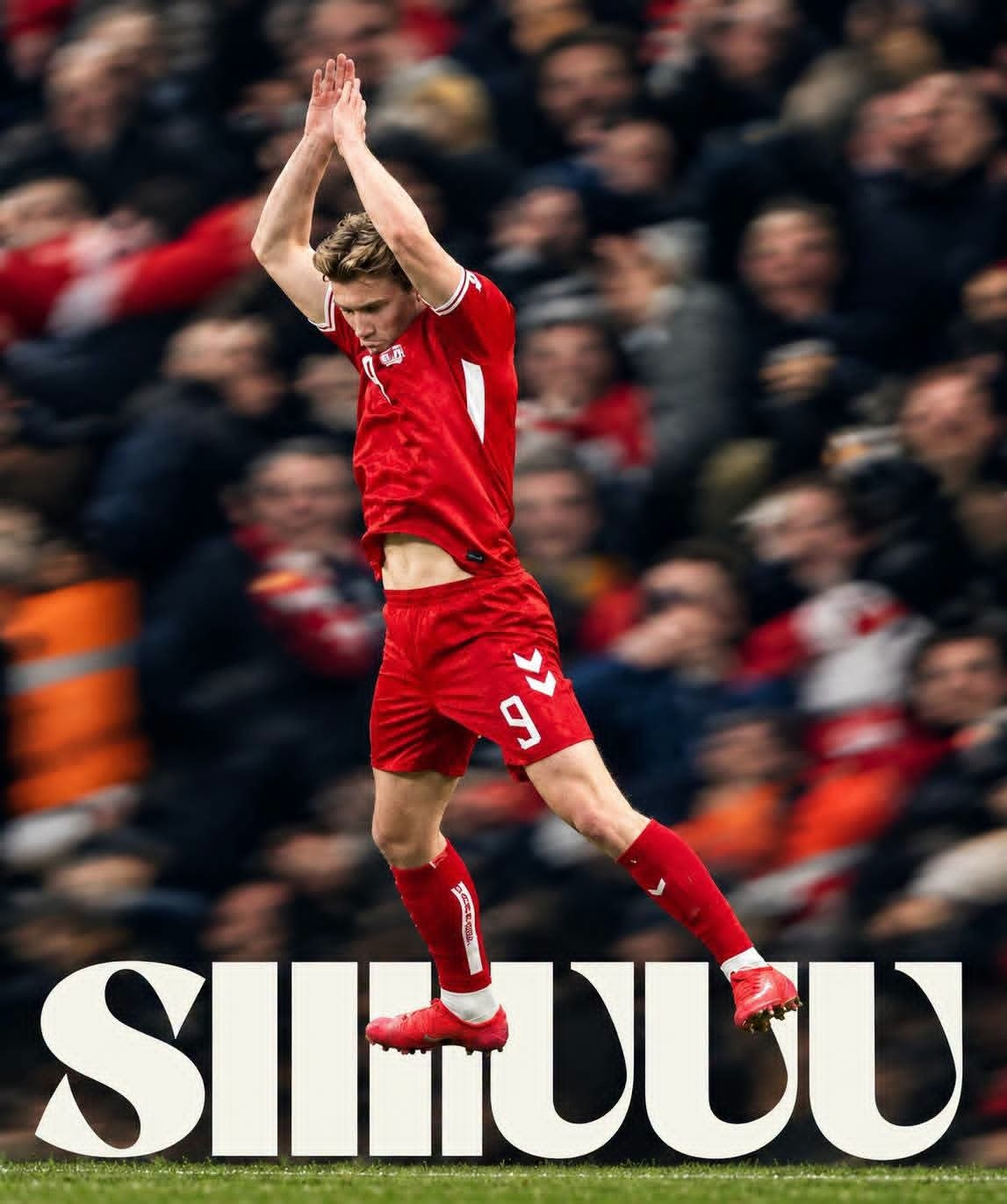
BullischHøjlund—die Menschen werden sich für immer an diesen Moment erinnern. 🇩🇰❤️
Obwohl die portugiesische Mannschaft Dänemark mit 4:2 besiegte, vermittelte die Art und Weise, wie Højlund feierte, eine viel tiefere Bedeutung.
Er erzielte gegen Portugal ein Tor und führte die ikonische „SIUUUU“-Feier auf—ganz ähnlich wie im Jahr 2025. Damals hatte er erklärt, dass es sich nicht um Spott handelte, sondern um eine Hommage an jenen Star, der ihn beim Wachsen inspiriert hatte. Später erwiderte auch Cristiano Ronaldo in der zweiten Partie nach seinem Treffer dieselbe Feier.
Doch das Gefühl von gestern Abend war völlig anders.
Nachdem Ronaldo die portugiesische Nationalmannschaft verlassen hatte, nachdem es zu einem Konflikt mit Jorge Jesus gekommen war, wurde Højlund klar, dass die Karriere seines Idols in der Nationalmannschaft möglicherweise zu Ende geht.
Nach dem Tor blickte er zu den Rängen und machte die „SIUUUU“-Geste—als würde er verkünden: „Das ist Cristianos Vermächtnis.“
Anschließend, als der Schlusspfiff ertönte, weigerte er sich, Jorge Jesus die Hand zu geben, und schob ihn mit unverhohlen missmutiger Miene gegen die Brust.
Nach dem Spiel sagte Højlund: „Das ist nur, um demjenigen Tribut zu zollen, dessen Nationalmannschaftskarriere vielleicht schon vorbei ist—vor allem nach all dem, was passiert ist. Er ist mein großer Idol.“
Das ist nicht nur eine Feier.
Das ist, wie ein junger Spieler für das einsteht, was seinem Idol angetan wurde—für die Ungerechtigkeit und die fehlende Wertschätzung—und zugleich demjenigen Respekt zollt, der ihn inspiriert hat.
Was soll man noch sagen? Nur danke.
Danke dir, Højlund. 🇩🇰❤️
Weiter 20k!
#1688家族family #prediction...
Obwohl die portugiesische Mannschaft Dänemark mit 4:2 besiegte, vermittelte die Art und Weise, wie Højlund feierte, eine viel tiefere Bedeutung.
Er erzielte gegen Portugal ein Tor und führte die ikonische „SIUUUU“-Feier auf—ganz ähnlich wie im Jahr 2025. Damals hatte er erklärt, dass es sich nicht um Spott handelte, sondern um eine Hommage an jenen Star, der ihn beim Wachsen inspiriert hatte. Später erwiderte auch Cristiano Ronaldo in der zweiten Partie nach seinem Treffer dieselbe Feier.
Doch das Gefühl von gestern Abend war völlig anders.
Nachdem Ronaldo die portugiesische Nationalmannschaft verlassen hatte, nachdem es zu einem Konflikt mit Jorge Jesus gekommen war, wurde Højlund klar, dass die Karriere seines Idols in der Nationalmannschaft möglicherweise zu Ende geht.
Nach dem Tor blickte er zu den Rängen und machte die „SIUUUU“-Geste—als würde er verkünden: „Das ist Cristianos Vermächtnis.“
Anschließend, als der Schlusspfiff ertönte, weigerte er sich, Jorge Jesus die Hand zu geben, und schob ihn mit unverhohlen missmutiger Miene gegen die Brust.
Nach dem Spiel sagte Højlund: „Das ist nur, um demjenigen Tribut zu zollen, dessen Nationalmannschaftskarriere vielleicht schon vorbei ist—vor allem nach all dem, was passiert ist. Er ist mein großer Idol.“
Das ist nicht nur eine Feier.
Das ist, wie ein junger Spieler für das einsteht, was seinem Idol angetan wurde—für die Ungerechtigkeit und die fehlende Wertschätzung—und zugleich demjenigen Respekt zollt, der ihn inspiriert hat.
Was soll man noch sagen? Nur danke.
Danke dir, Højlund. 🇩🇰❤️
Weiter 20k!
#1688家族family #prediction...
Übersetzung ansehen

BLOCK Rayne
·
--
Ein GROSSARTIGES Geschenk 🎁 von mir an unsere fantastische Community. ❤️
Hol dir deine Belohnung $DOGE und genieße!
Beeil dich, alle! 🔥
Hol dir deine Belohnung $DOGE und genieße!
Beeil dich, alle! 🔥

Übersetzung ansehen
Fabi_4043
·
--
Schönen Wochenendabschluss für alle 🥰🎁🎁
Gefällt es und folgt 🥰🧧🧧
$BTC
Gefällt es und folgt 🥰🧧🧧
$BTC

Übersetzung ansehen

Mahi_玛希BNB
·
--
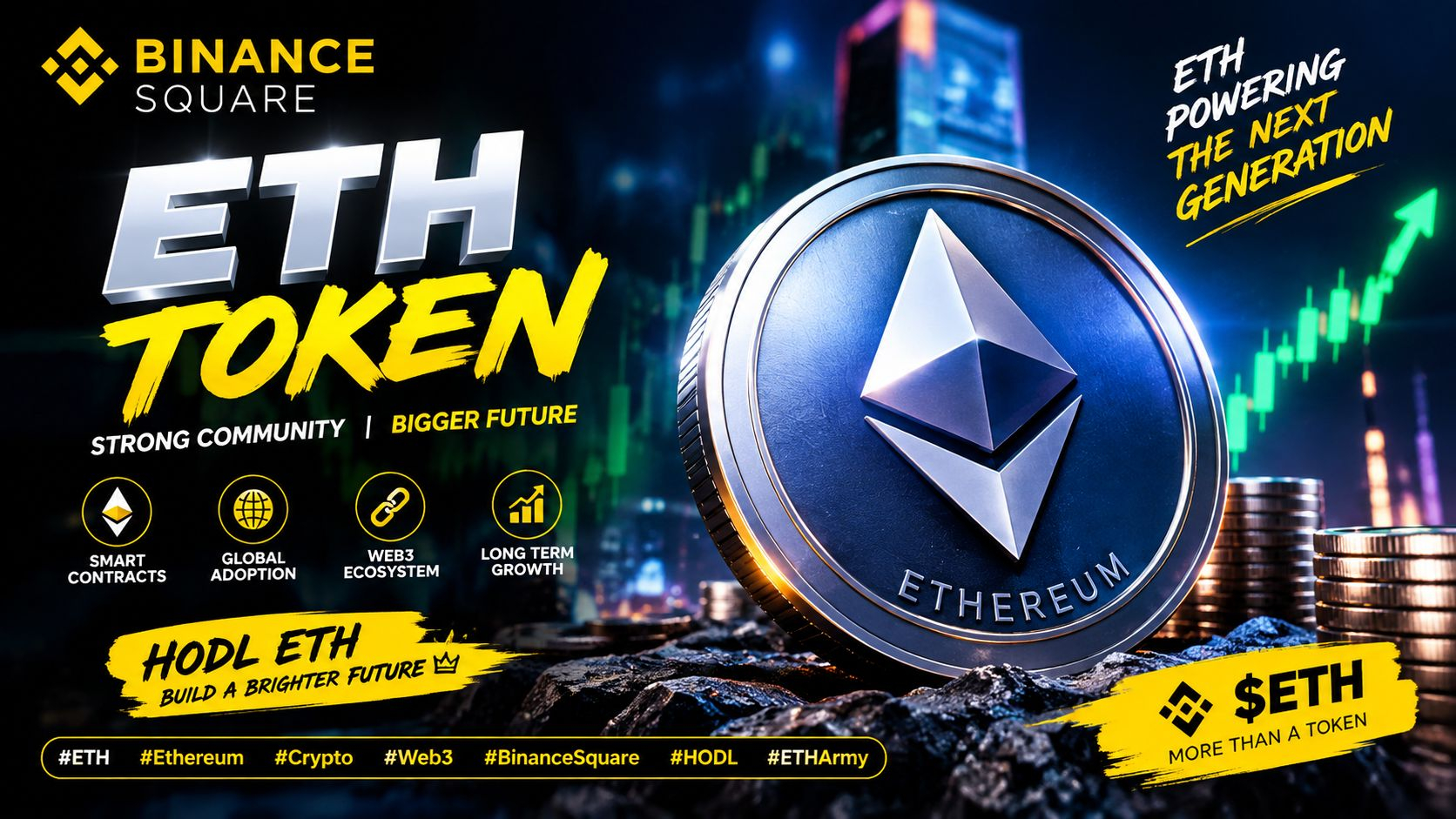
🚀 **$ETH — Mehr als nur ein Token!**
Ethereum treibt weiterhin einen großen Teil des **Web3-Ökosystems** an – von Smart Contracts bis hin zu DeFi und darüber hinaus. 🔥
Der Markt ist immer in Bewegung, und **ETH** bleibt einer der Tokens, den du im Blick behalten solltest. 👀
Beobachtest du die nächste ETH-Bewegung? 📈
$BNB $BTC
#ETH #Ethereum #Crypto #Web3 #defi #BinanceSquare #ETHArmy #CryptoCommunity #blockchain
Ethereum treibt weiterhin einen großen Teil des **Web3-Ökosystems** an – von Smart Contracts bis hin zu DeFi und darüber hinaus. 🔥
Der Markt ist immer in Bewegung, und **ETH** bleibt einer der Tokens, den du im Blick behalten solltest. 👀
Beobachtest du die nächste ETH-Bewegung? 📈
$BNB $BTC
#ETH #Ethereum #Crypto #Web3 #defi #BinanceSquare #ETHArmy #CryptoCommunity #blockchain
Übersetzung ansehen

Emmaa alex02
·
--
✨ Ruhige Stimmung, glückliche Überraschung 🧧
SOL Rotumschlag ist gerade angekommen. 🎁
Wer schnappt ihn sich? 👀🤩
SOL Rotumschlag ist gerade angekommen. 🎁
Wer schnappt ihn sich? 👀🤩

Übersetzung ansehen

Sara_ k
·
--
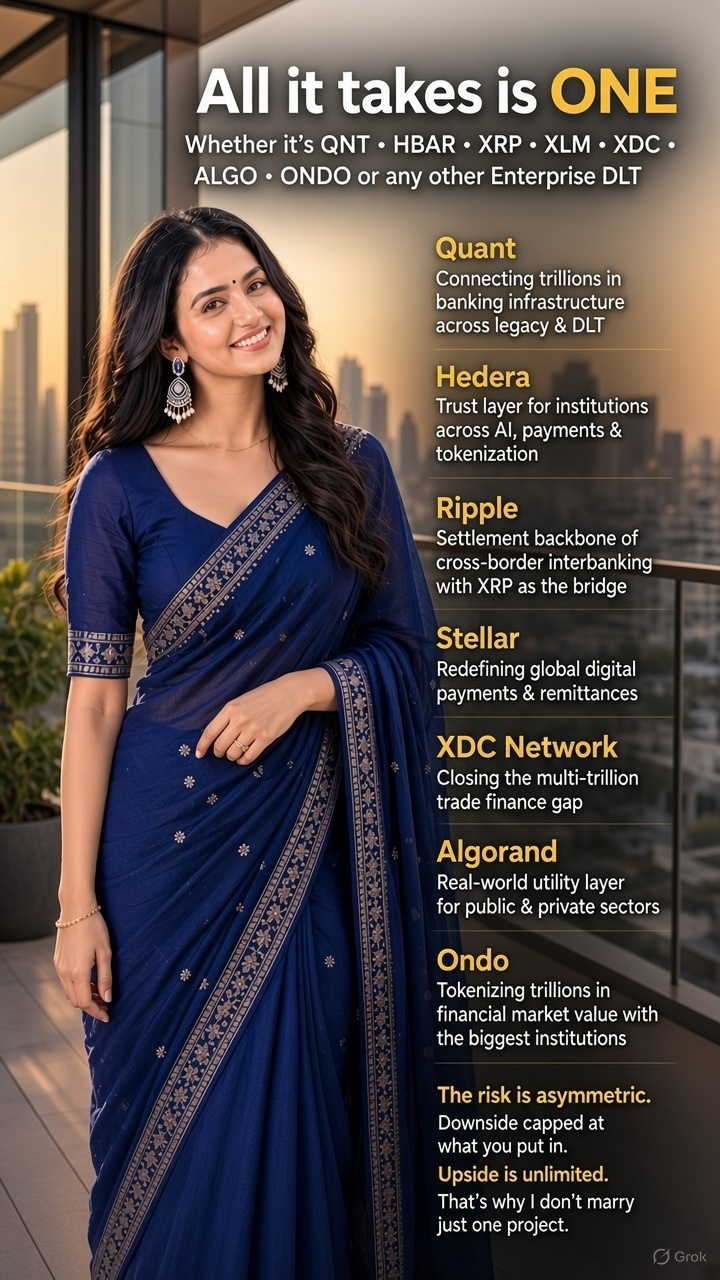
Top-Krypto-Narrative
.
claim here 👈🧧🧧🧧🧧🧧
.
claim 2 🧧🧧🧧🧧🧧👈
.
$XRP $HBAR $ALGO
.
claim here 👈🧧🧧🧧🧧🧧
.
claim 2 🧧🧧🧧🧧🧧👈
.
$XRP $HBAR $ALGO
Übersetzung ansehen

分析师尤斯1688
·
--
🧧🧧🧧🧧🎁🎁🎁🎁
🎁🎁🎁🎁🧧🧧🧧🧧
🎁🎁🎁🎁🧧🧧🧧🧧
Übersetzung ansehen

Sonu7856
·
--
‼️$DOGE 🧧 Die Belohnung ist da ‼️
Ich teile $DOGE 🧧 Belohnungen mit der Community als einen größeren Dankeschön.
✨ Hol dir einfach deine Belohnung und viel Spaß! ✨
Beantrage sie. Du wirst belohnt
@DOGE_ $DOGE #DOGE
Ich teile $DOGE 🧧 Belohnungen mit der Community als einen größeren Dankeschön.
✨ Hol dir einfach deine Belohnung und viel Spaß! ✨
Beantrage sie. Du wirst belohnt
@DOGE_ $DOGE #DOGE

Übersetzung ansehen

Abdul Moiz 16
·
--
Was ist:
4+3=?
4+3=?
Übersetzung ansehen

RCB signal
·
--
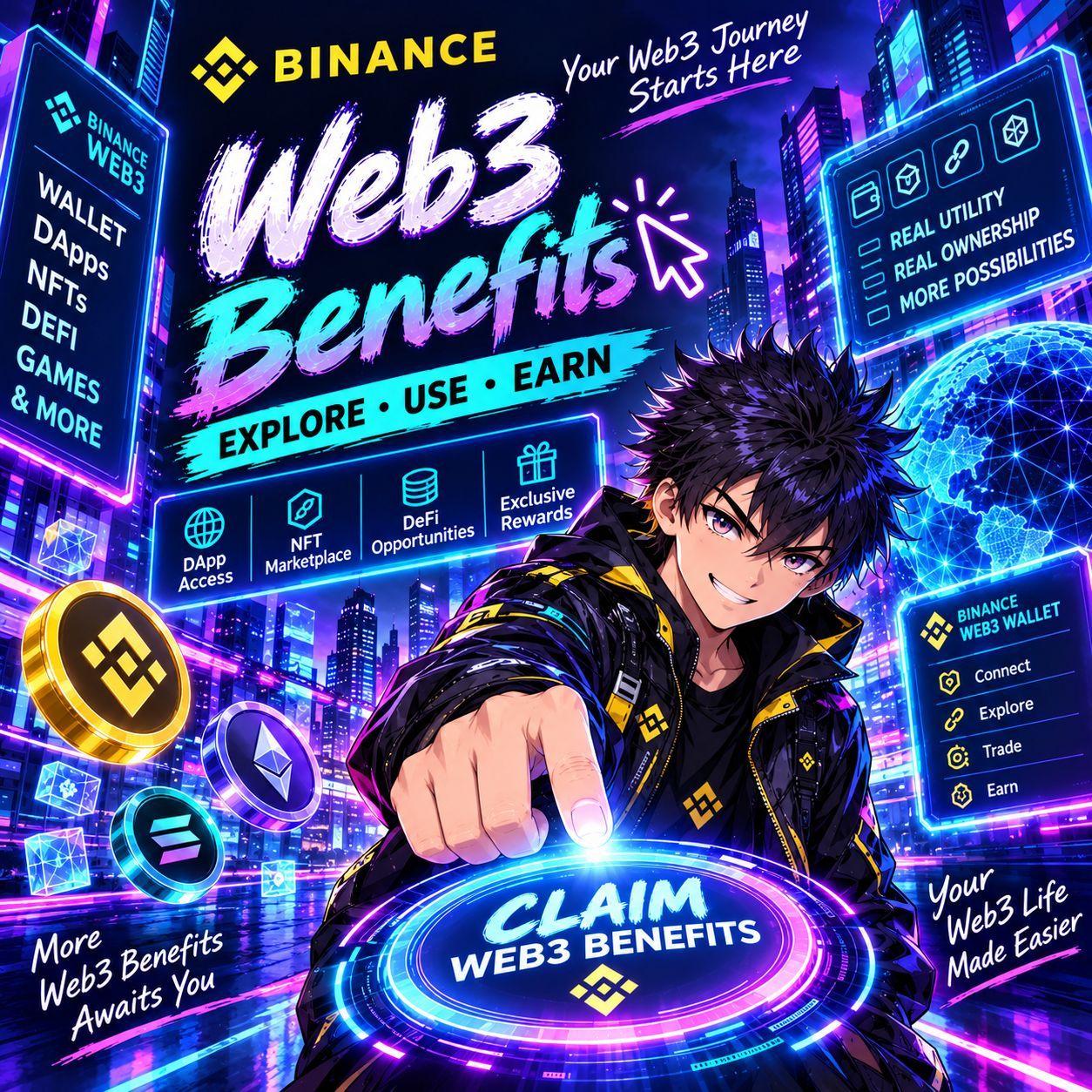
Fordere deine Web3-Vorteile ein 👈 .
.
claim 🎁🎁🎁👈
.
claim 2 🎁🎁🎁🎁🎁👈
.
.
claim 🎁🎁🎁👈
.
claim 2 🎁🎁🎁🎁🎁👈
.
Übersetzung ansehen

苏菲亚 Sophia
·
--
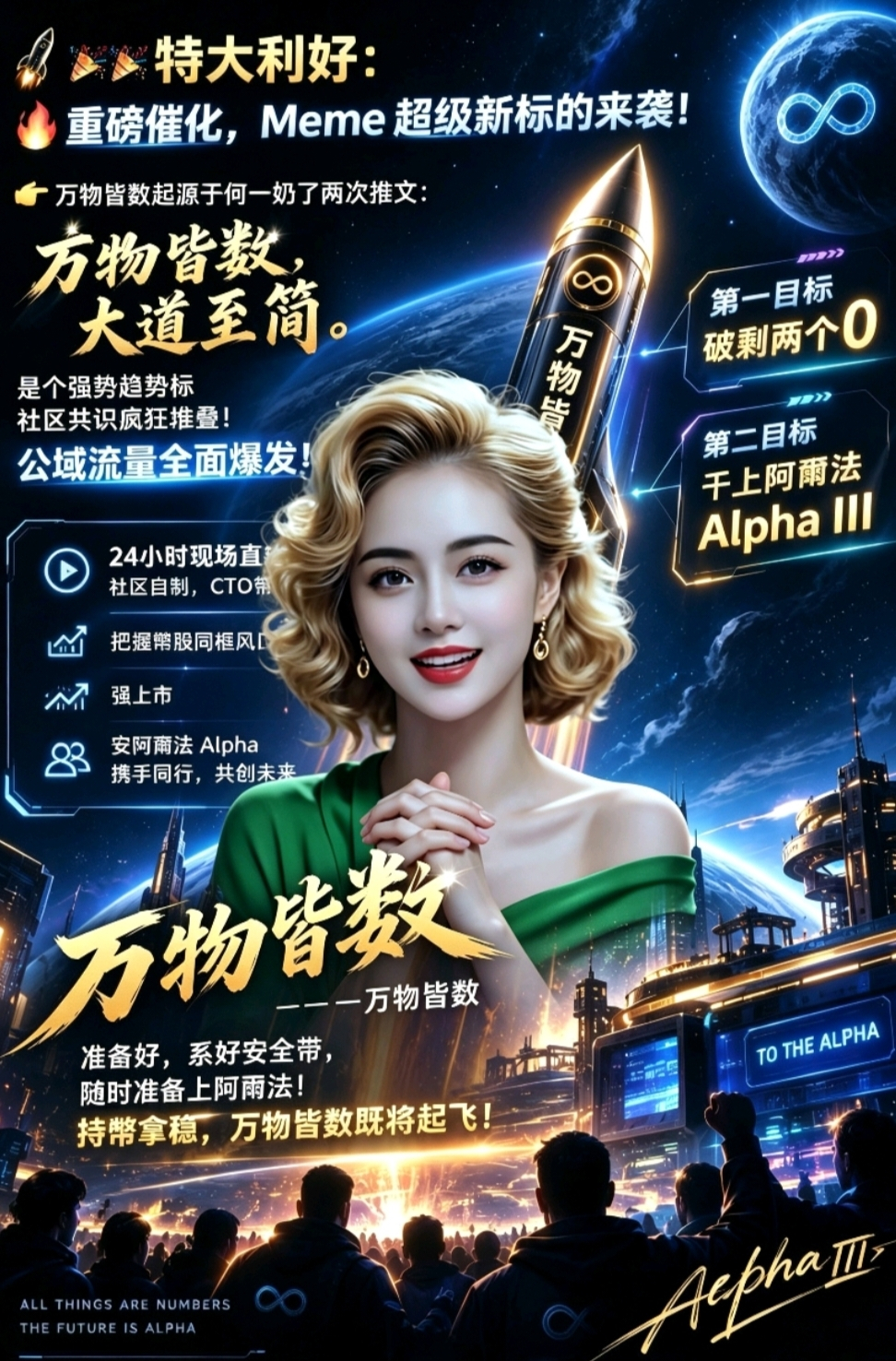
🎉 🎉Gute Nachrichten aus Italien🎊🎊
🔥💥 Schwerer Katalysator: Ein brandneues Meme-Super-Asset steht vor der Tür!
Alles ist Zahl, woher kommt es? Von ein, zwei Tweets.
Alles ist Zahl
Der große Weg ist ganz einfach
▫ Starker Trend-Indikator
▫ Der Community-Konsens stapelt sich unaufhörlich
▫ Der öffentliche Traffic explodiert vollständig
Erstes Ziel
Die letzten beiden 0 durchbrechen
Zweites Ziel
Direkt auf Alpha Alpha zielen 💰🏆
24-Stunden-Live-Übertragung · Community selbst gemacht
CTO führt das Team an, ergreift die Chance im Trend, in dem Coin & Aktie gleichzeitig im Bild sind · Stark an die Börse
An Alpha Alpha
Gemeinsam voranschreiten, die Zukunft mitgestalten
— Alles ist Zahl
💰💰💰$GOOGL.US $SOL 💰$TRUMP
Bereit? Schnall dich an
Jederzeit bereit, auf Alpha zu gehen
Coins halten und festhalten — Alles ist Zahl, gleich startet es 🚀🚀🚀#SEC批准3倍杠杆比特币以太坊ETP #NEARIntents追回380万美元结束调查
#比特币涨至8.65万美元后回落
🔥💥 Schwerer Katalysator: Ein brandneues Meme-Super-Asset steht vor der Tür!
Alles ist Zahl, woher kommt es? Von ein, zwei Tweets.
Alles ist Zahl
Der große Weg ist ganz einfach
▫ Starker Trend-Indikator
▫ Der Community-Konsens stapelt sich unaufhörlich
▫ Der öffentliche Traffic explodiert vollständig
Erstes Ziel
Die letzten beiden 0 durchbrechen
Zweites Ziel
Direkt auf Alpha Alpha zielen 💰🏆
24-Stunden-Live-Übertragung · Community selbst gemacht
CTO führt das Team an, ergreift die Chance im Trend, in dem Coin & Aktie gleichzeitig im Bild sind · Stark an die Börse
An Alpha Alpha
Gemeinsam voranschreiten, die Zukunft mitgestalten
— Alles ist Zahl
💰💰💰$GOOGL.US $SOL 💰$TRUMP
Bereit? Schnall dich an
Jederzeit bereit, auf Alpha zu gehen
Coins halten und festhalten — Alles ist Zahl, gleich startet es 🚀🚀🚀#SEC批准3倍杠杆比特币以太坊ETP #NEARIntents追回380万美元结束调查
#比特币涨至8.65万美元后回落
Übersetzung ansehen

Àimàn-crypto⁰⁹
·
--
Bullisch🟢AUFSTEIGENDES TRADING BASIEREND AUF AKTUELLER UNTERSTÜTZUNG 🚀
$SOL 15m-Chart, hier sind die wichtigsten Preisniveaus für einen Long-Trade basierend auf aktueller Unterstützung und Widerstand:
Einstiegspreis : $119.50 – $119.67
Stop Loss : $116.30
Take Profit 1 : $121.00
Take Profit 2 : $123.50
...............
$ETH 15-Minuten-Chart bereitgestellt:
Trade-Setup (Long / Aufwärtstrade):
Einstiegspreis : $2,680.00 – $2,681.00
Stop Loss : $2,648.00
Take Profit 1 : $2,728.00
Take Profit 2 : $2,775.00
(Verwalte dein Risiko immer sorgfältig und passe den Hebel oder die Positionsgröße an, um zu deiner Risikotoleranz zu passen.)
..............
$BTC 15m-Chart im Screenshot bereitgestellt, hier sind die Trade-Parameter für einen Long-(Aufwärts-)Trade:
EP : 84.800,00 – 84.840,00
SL : 83.600,00
TP1 : 86.400,00
TP2 : 87.200,00
Praktiziere immer ein gutes Risikomanagement, indem du die passende Positionsgröße festlegst und deinen SL auf Break-even setzt, sobald TP1 erreicht ist. DYOR
#USRussiaUkraineTalksReportedlyIncludeLukoilOilDeal
#SECProposesCryptoCustodyRules
#NvidiaHitsRecordHighUp2.4%
#SolanaStrong
#BTC走势分析
$SOL 15m-Chart, hier sind die wichtigsten Preisniveaus für einen Long-Trade basierend auf aktueller Unterstützung und Widerstand:
Einstiegspreis : $119.50 – $119.67
Stop Loss : $116.30
Take Profit 1 : $121.00
Take Profit 2 : $123.50
...............
$ETH 15-Minuten-Chart bereitgestellt:
Trade-Setup (Long / Aufwärtstrade):
Einstiegspreis : $2,680.00 – $2,681.00
Stop Loss : $2,648.00
Take Profit 1 : $2,728.00
Take Profit 2 : $2,775.00
(Verwalte dein Risiko immer sorgfältig und passe den Hebel oder die Positionsgröße an, um zu deiner Risikotoleranz zu passen.)
..............
$BTC 15m-Chart im Screenshot bereitgestellt, hier sind die Trade-Parameter für einen Long-(Aufwärts-)Trade:
EP : 84.800,00 – 84.840,00
SL : 83.600,00
TP1 : 86.400,00
TP2 : 87.200,00
Praktiziere immer ein gutes Risikomanagement, indem du die passende Positionsgröße festlegst und deinen SL auf Break-even setzt, sobald TP1 erreicht ist. DYOR
#USRussiaUkraineTalksReportedlyIncludeLukoilOilDeal
#SECProposesCryptoCustodyRules
#NvidiaHitsRecordHighUp2.4%
#SolanaStrong
#BTC走势分析
Übersetzung ansehen

Zuby - PK
·
--
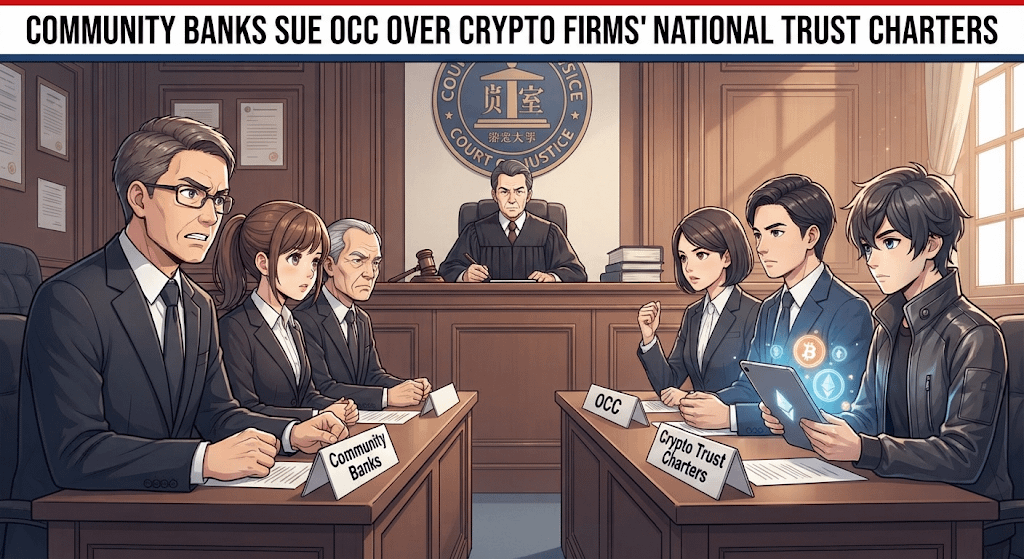
🏦 Gemeinschaftsbanken klagen die US-OCC wegen Krypto-Chartern
⚖️ Klage gegen die OCC
🔹 Die ICBA hat die US-OCC wegen nationaler Treuhand-Charter verklagt, die an Krypto-Unternehmen vergeben wurden.
🔹 Gemeinschaftsbanken argumentieren, dass Krypto-Firmen bankähnliche Glaubwürdigkeit erhalten, ohne denselben Anforderungen zu unterliegen wie traditionelle Banken.
💰 Was steht auf dem Spiel
🔹 Treuhand-Charter erlauben es Unternehmen, Kundengelder zu verwalten und Transaktionen abzuwickeln, jedoch nicht reguläre Einlagen entgegenzunehmen oder Kredite zu vergeben.
🔹 Die OCC sagt, ihre Regeln würden lediglich bestehende Charter-Befugnisse klarstellen.
📊 Steigendes Krypto-Interesse
🔹 Die OCC erhielt in etwa 18 Monaten 40 Anträge auf Bank-Charter, darunter 23 im Zusammenhang mit digitalen Vermögenswerten.
🔹 Die Klage könnte beeinflussen, wie Krypto-Firmen auf das US-Bankensystem zugreifen, und künftige Stablecoin-Regulierung mitprägen.
🏷️#CryptoBankingRegulation #OCCDigitalAssetCharters
#NationalTrustBanking #USCryptoRegulation
⚖️ Klage gegen die OCC
🔹 Die ICBA hat die US-OCC wegen nationaler Treuhand-Charter verklagt, die an Krypto-Unternehmen vergeben wurden.
🔹 Gemeinschaftsbanken argumentieren, dass Krypto-Firmen bankähnliche Glaubwürdigkeit erhalten, ohne denselben Anforderungen zu unterliegen wie traditionelle Banken.
💰 Was steht auf dem Spiel
🔹 Treuhand-Charter erlauben es Unternehmen, Kundengelder zu verwalten und Transaktionen abzuwickeln, jedoch nicht reguläre Einlagen entgegenzunehmen oder Kredite zu vergeben.
🔹 Die OCC sagt, ihre Regeln würden lediglich bestehende Charter-Befugnisse klarstellen.
📊 Steigendes Krypto-Interesse
🔹 Die OCC erhielt in etwa 18 Monaten 40 Anträge auf Bank-Charter, darunter 23 im Zusammenhang mit digitalen Vermögenswerten.
🔹 Die Klage könnte beeinflussen, wie Krypto-Firmen auf das US-Bankensystem zugreifen, und künftige Stablecoin-Regulierung mitprägen.
🏷️#CryptoBankingRegulation #OCCDigitalAssetCharters
#NationalTrustBanking #USCryptoRegulation
Übersetzung ansehen
Leo - F0
·
--
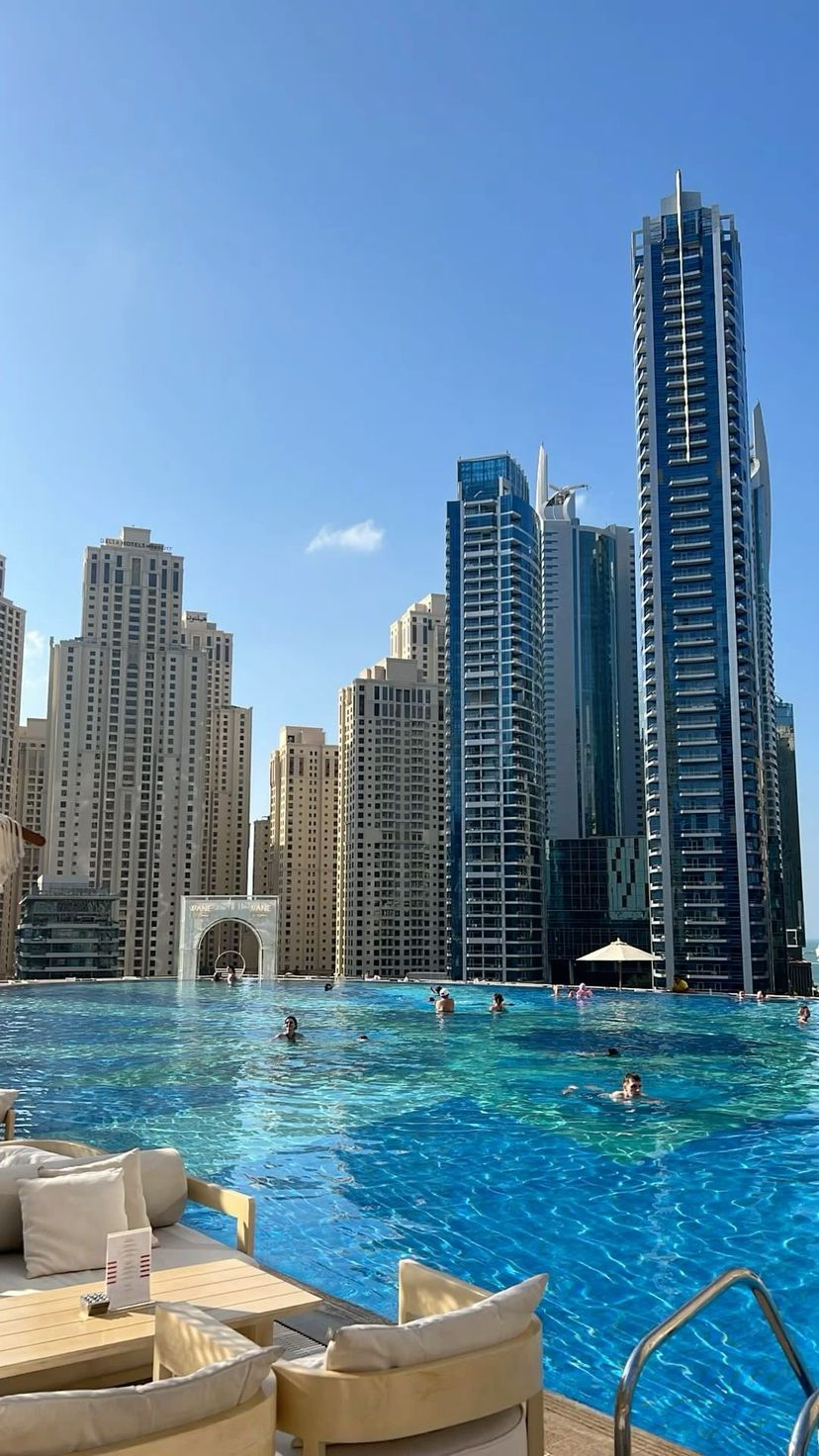
Bullisch🧧🧧🔥GUTEN MORGEN AUS DUBAI, FAMILIE.🔥🧧🧧
BTTC🔥🔥🧧🧧$BTC $ETH $BNB
#1688家族family 💚 @周周1688 #NFPWatch #xrp #altcoins #Dubai_Crypto_Group
BTTC🔥🔥🧧🧧$BTC $ETH $BNB
#1688家族family 💚 @周周1688 #NFPWatch #xrp #altcoins #Dubai_Crypto_Group
Übersetzung ansehen

Shaheen 69
·
--
🚨 Binance 5. Oktober: Etwas Großes steht bevor 👀
Binance hat eine große Ankündigung für den 5. Oktober 2026 angedeutet – mit der Botschaft: „Wünschten, wir könnten mehr sagen.“
Das hat natürlich jede Menge Spekulationen in der Krypto-Community ausgelöst.
Ein heute veröffentlichtes Bericht deutet auf eine mögliche neue Ebene für Finanz-Intelligenz hin – möglicherweise mit tieferen Marktdaten, Analysen oder mit KI-gestützten Insights für Trader. Allerdings hat Binance die genauen Details bislang nicht offiziell bestätigt, daher behandle ich das bis zur Ankündigung als Spekulation.
Bereitet Binance etwas rund um KI + Trading-Intelligenz vor?
Oder könnte es etwas ganz anderes sein?
Ich werde die offizielle Ankündigung genau im Blick behalten. 🔎
Was glaubst du, wird Binance am 5. Oktober enthüllen? Schreib deine Vermutung unten in die Kommentare. 👇
#Binance #Crypto #BinanceSquare #trading #Aİ
Was glaubst du, wird Binance am 5. Oktober ankündigen?
Umfrage:
Binance hat eine große Ankündigung für den 5. Oktober 2026 angedeutet – mit der Botschaft: „Wünschten, wir könnten mehr sagen.“
Das hat natürlich jede Menge Spekulationen in der Krypto-Community ausgelöst.
Ein heute veröffentlichtes Bericht deutet auf eine mögliche neue Ebene für Finanz-Intelligenz hin – möglicherweise mit tieferen Marktdaten, Analysen oder mit KI-gestützten Insights für Trader. Allerdings hat Binance die genauen Details bislang nicht offiziell bestätigt, daher behandle ich das bis zur Ankündigung als Spekulation.
Bereitet Binance etwas rund um KI + Trading-Intelligenz vor?
Oder könnte es etwas ganz anderes sein?
Ich werde die offizielle Ankündigung genau im Blick behalten. 🔎
Was glaubst du, wird Binance am 5. Oktober enthüllen? Schreib deine Vermutung unten in die Kommentare. 👇
#Binance #Crypto #BinanceSquare #trading #Aİ
Was glaubst du, wird Binance am 5. Oktober ankündigen?
Umfrage:
Übersetzung ansehen

NAJAF_加密 143
·
--
‼️$DOGE 🧧 Die Belohnung ist da ‼️
Ich teile $DOGE 🧧 Belohnungen mit der Community als einen größeren Dankeschön.
✨ Beanspruche einfach deine Belohnung und hab Spaß! ✨
Beanspruche sie. Werde belohnt
@DOGE_ $DOGE #DOGE
Ich teile $DOGE 🧧 Belohnungen mit der Community als einen größeren Dankeschön.
✨ Beanspruche einfach deine Belohnung und hab Spaß! ✨
Beanspruche sie. Werde belohnt
@DOGE_ $DOGE #DOGE

Übersetzung ansehen

Ahmed Ali Nizamani
·
--
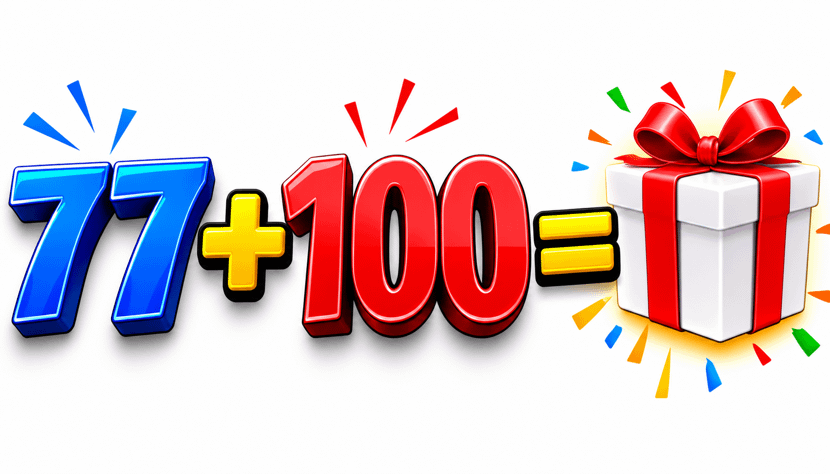
77 + 100 = 🎁🎁🎁🎁
Anmelden und weiter Inhalte entdecken