

Mastering Crypto
16.2k Beiträge
Mastering Crypto
 Square Verified+
Melden
Nutzer blockieren
Twitter(X) @ MasteringCrypt

Creator Awards 2024

Traders League Badge Expert

#BinanceTurns7 task 2
Trade eröffnen
Hochfrequenz-Trader
4.5 Jahre
241 Following
398.8K+ Follower
241.4K+ Like gegeben
5 Abzeichen
Beiträge
Portfolio
Alle
Zitierungen
Videos
Live
PINNED
Entsperren Sie täglich $1000 USDT mit Futures 🗝
Nicht eins… nicht zwei…
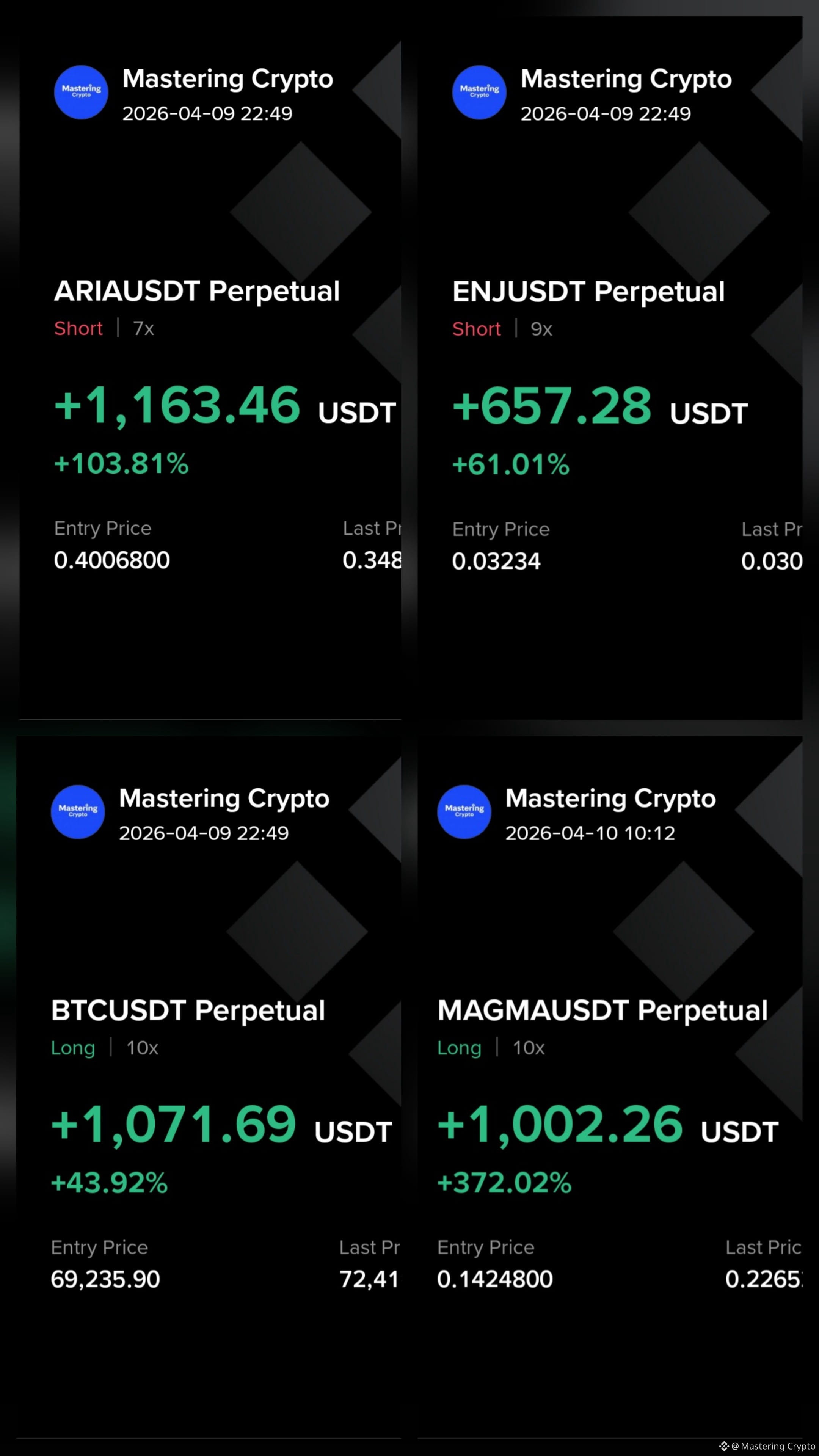
VIER Trades. Alle waren grün.💚
[Join My Premium Club For Highly Profitable Trades](https://app.binance.com/uni-qr/group-chat-landing?channelToken=jMv1tS4NA7v8KtC8c1jFqw&type=1&entrySource=sharing_link)
$ARIA short… +$1,163 ✅
$BTC long… +$1,071 ✅
$ENJ short… +$657 ✅
$MAGMA long… +$1,002 ✅
Das sind über $3,800 an einem einzigen Tag 👀
Und jeder einzelne dieser…
wurde in meiner Premium-Gruppe geteilt
bevor es passierte. 🤝
Wenn Sie immer noch alleine traden…
immer noch stundenlang auf Charts starren…
immer noch den Tag im Minus beenden…
möchte ich Sie ehrlich etwas fragen…
Wie lange wollen Sie das noch machen? 💀
Denn während Sie verloren haben…
haben meine Mitglieder gedruckt.
Nicht, weil sie Glück haben…
nicht, weil sie Experten sind…
Einige von ihnen waren vor wenigen Wochen
völlige Anfänger 😏
Der Unterschied?
Sie hörten auf zu raten…
und begannen, einem System zu folgen, das funktioniert.
Jeden einzelnen Tag in meiner Gruppe👇🏻
Echte Handels-Setups vor der Bewegung ✅
Einstieg, TP, SL… alles klar ✅
Futures-Trading einfach erklärt ✅
Ergebnisse wie diese… täglich 💰
Keine Verwirrung. Kein Lärm.
Nur saubere Trades und echte Gewinne.
Wenn Sie müde von Verlusten sind…
müde davon, anderen beim Gewinnen zuzusehen…
müde davon, nicht zu wissen, was Sie tun…
Das ist Ihr Moment 👀
Die Plätze sind begrenzt…
und sie füllen sich schnell 🚨
Die Frage ist einfach…
werden Sie weiterhin alleine verlieren…
oder anfangen, mit uns zu gewinnen? 💯
{future}(ARIAUSDT)
{future}(BTCUSDT)
{future}(ENJUSDT)
#freedomofmoney #CZonTBPNInterview
Entsperren Sie täglich $1000 USDT mit Futures 🗝
Nicht eins… nicht zwei…
VIER Trades. Alle waren grün.💚
Join My Premium Club For Highly Profitable Trades
$ARIA short… +$1,163 ✅
$BTC long… +$1,071 ✅
$ENJ short… +$657 ✅
$MAGMA long… +$1,002 ✅
Das sind über $3,800 an einem einzigen Tag 👀
Und jeder einzelne dieser…
wurde in meiner Premium-Gruppe geteilt
bevor es passierte. 🤝
Wenn Sie immer noch alleine traden…
immer noch stundenlang auf Charts starren…
immer noch den Tag im Minus beenden…
möchte ich Sie ehrlich etwas fragen…
Wie lange wollen Sie das noch machen? 💀
Denn während Sie verloren haben…
haben meine Mitglieder gedruckt.
Nicht, weil sie Glück haben…
nicht, weil sie Experten sind…
Einige von ihnen waren vor wenigen Wochen
völlige Anfänger 😏
Der Unterschied?
Sie hörten auf zu raten…
und begannen, einem System zu folgen, das funktioniert.
Jeden einzelnen Tag in meiner Gruppe👇🏻
Echte Handels-Setups vor der Bewegung ✅
Einstieg, TP, SL… alles klar ✅
Futures-Trading einfach erklärt ✅
Ergebnisse wie diese… täglich 💰
Keine Verwirrung. Kein Lärm.
Nur saubere Trades und echte Gewinne.
Wenn Sie müde von Verlusten sind…
müde davon, anderen beim Gewinnen zuzusehen…
müde davon, nicht zu wissen, was Sie tun…
Das ist Ihr Moment 👀
Die Plätze sind begrenzt…
und sie füllen sich schnell 🚨
Die Frage ist einfach…
werden Sie weiterhin alleine verlieren…
oder anfangen, mit uns zu gewinnen? 💯
#freedomofmoney #CZonTBPNInterview
Nicht eins… nicht zwei…
VIER Trades. Alle waren grün.💚
Join My Premium Club For Highly Profitable Trades
$ARIA short… +$1,163 ✅
$BTC long… +$1,071 ✅
$ENJ short… +$657 ✅
$MAGMA long… +$1,002 ✅
Das sind über $3,800 an einem einzigen Tag 👀
Und jeder einzelne dieser…
wurde in meiner Premium-Gruppe geteilt
bevor es passierte. 🤝
Wenn Sie immer noch alleine traden…
immer noch stundenlang auf Charts starren…
immer noch den Tag im Minus beenden…
möchte ich Sie ehrlich etwas fragen…
Wie lange wollen Sie das noch machen? 💀
Denn während Sie verloren haben…
haben meine Mitglieder gedruckt.
Nicht, weil sie Glück haben…
nicht, weil sie Experten sind…
Einige von ihnen waren vor wenigen Wochen
völlige Anfänger 😏
Der Unterschied?
Sie hörten auf zu raten…
und begannen, einem System zu folgen, das funktioniert.
Jeden einzelnen Tag in meiner Gruppe👇🏻
Echte Handels-Setups vor der Bewegung ✅
Einstieg, TP, SL… alles klar ✅
Futures-Trading einfach erklärt ✅
Ergebnisse wie diese… täglich 💰
Keine Verwirrung. Kein Lärm.
Nur saubere Trades und echte Gewinne.
Wenn Sie müde von Verlusten sind…
müde davon, anderen beim Gewinnen zuzusehen…
müde davon, nicht zu wissen, was Sie tun…
Das ist Ihr Moment 👀
Die Plätze sind begrenzt…
und sie füllen sich schnell 🚨
Die Frage ist einfach…
werden Sie weiterhin alleine verlieren…
oder anfangen, mit uns zu gewinnen? 💯
#freedomofmoney #CZonTBPNInterview
80
3
72
9.1k
PINNED
Genießen Sie hochklassige Handelssignale und generieren Sie mehr Einnahmen mit weniger Risiko auf Binance Futures. 📈
[Join here 👈](https://app.binance.com/uni-qr/group-chat-landing?channelToken=jMv1tS4NA7v8KtC8c1jFqw&type=1&entrySource=sharing_link)
Treten Sie meiner Premium-Gruppe bei und unterstützen Sie das Mastering Crypto Ecosystem auf Binance.
Sie erhalten alle handelsbezogenen Hilfen und frühzeitige Signale, um Ihre Gewinne zu maximieren.
Hören Sie auf zu verlieren und beginnen Sie, echtes Geld zu verdienen 💸
Genießen Sie hochklassige Handelssignale und generieren Sie mehr Einnahmen mit weniger Risiko auf Binance Futures. 📈
Join here 👈
Treten Sie meiner Premium-Gruppe bei und unterstützen Sie das Mastering Crypto Ecosystem auf Binance.
Sie erhalten alle handelsbezogenen Hilfen und frühzeitige Signale, um Ihre Gewinne zu maximieren.
Hören Sie auf zu verlieren und beginnen Sie, echtes Geld zu verdienen 💸
Join here 👈
Treten Sie meiner Premium-Gruppe bei und unterstützen Sie das Mastering Crypto Ecosystem auf Binance.
Sie erhalten alle handelsbezogenen Hilfen und frühzeitige Signale, um Ihre Gewinne zu maximieren.
Hören Sie auf zu verlieren und beginnen Sie, echtes Geld zu verdienen 💸
29
1
45
868
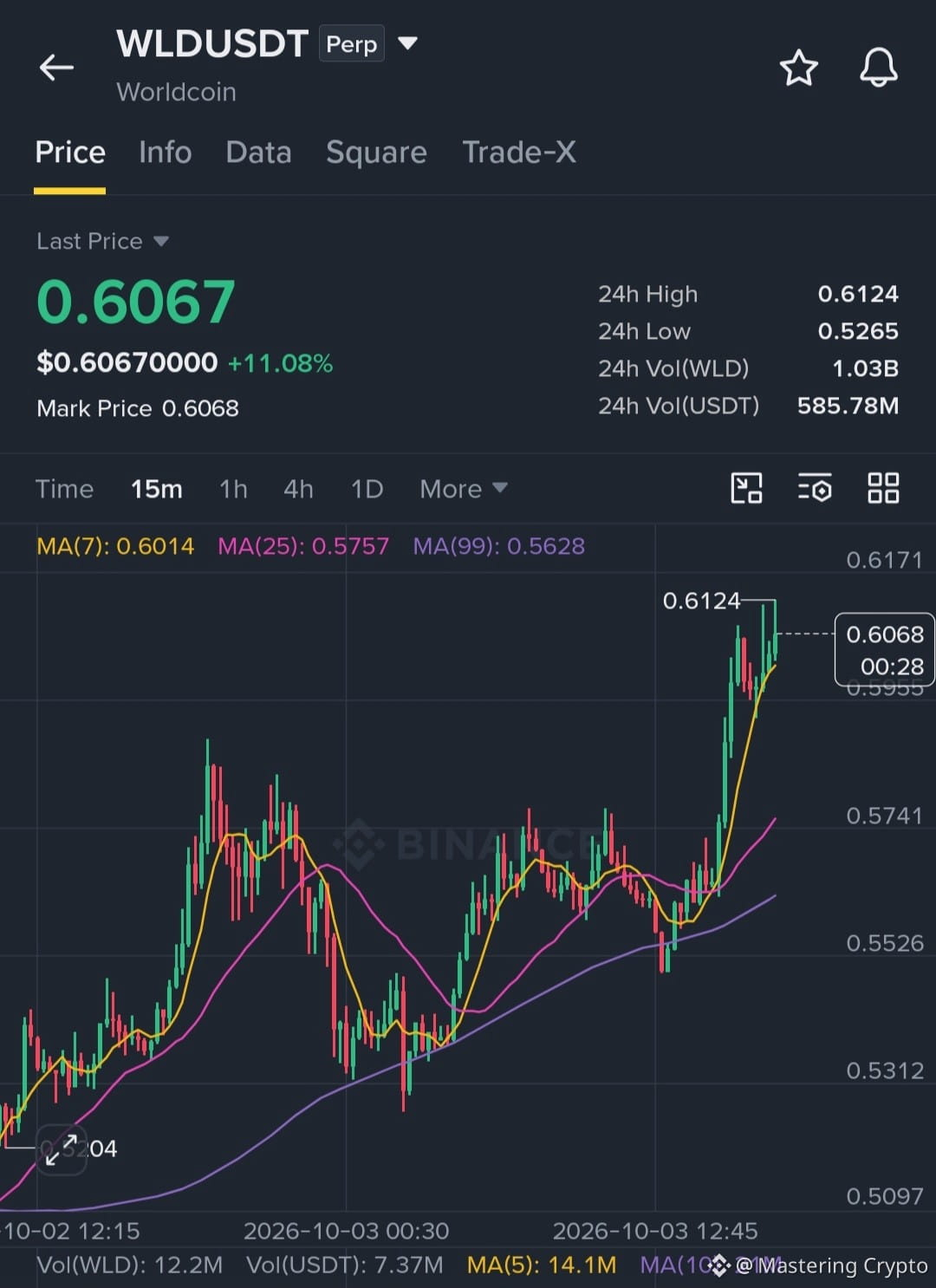
$WLD treibt die Kurse auf höhere Niveaus
Lang $WLD
Einstieg: 0.575 – 0.600
SL: 0.555
TP1: 0.6125
TP2: 0.6250
TP3: 0.6450
TP4: 0.6700
🫂 Tritt meiner Binance Group Chat bei und lass uns gemeinsam bei jedem Trade gewinnen.
Trade $WLD hier 👇
{future}(WLDUSDT)
$WLD treibt die Kurse auf höhere Niveaus
Lang $WLD
Einstieg: 0.575 – 0.600
SL: 0.555
TP1: 0.6125
TP2: 0.6250
TP3: 0.6450
TP4: 0.6700
🫂 Tritt meiner Binance Group Chat bei und lass uns gemeinsam bei jedem Trade gewinnen.
Trade $WLD hier 👇
Lang $WLD
Einstieg: 0.575 – 0.600
SL: 0.555
TP1: 0.6125
TP2: 0.6250
TP3: 0.6450
TP4: 0.6700
🫂 Tritt meiner Binance Group Chat bei und lass uns gemeinsam bei jedem Trade gewinnen.
Trade $WLD hier 👇
614
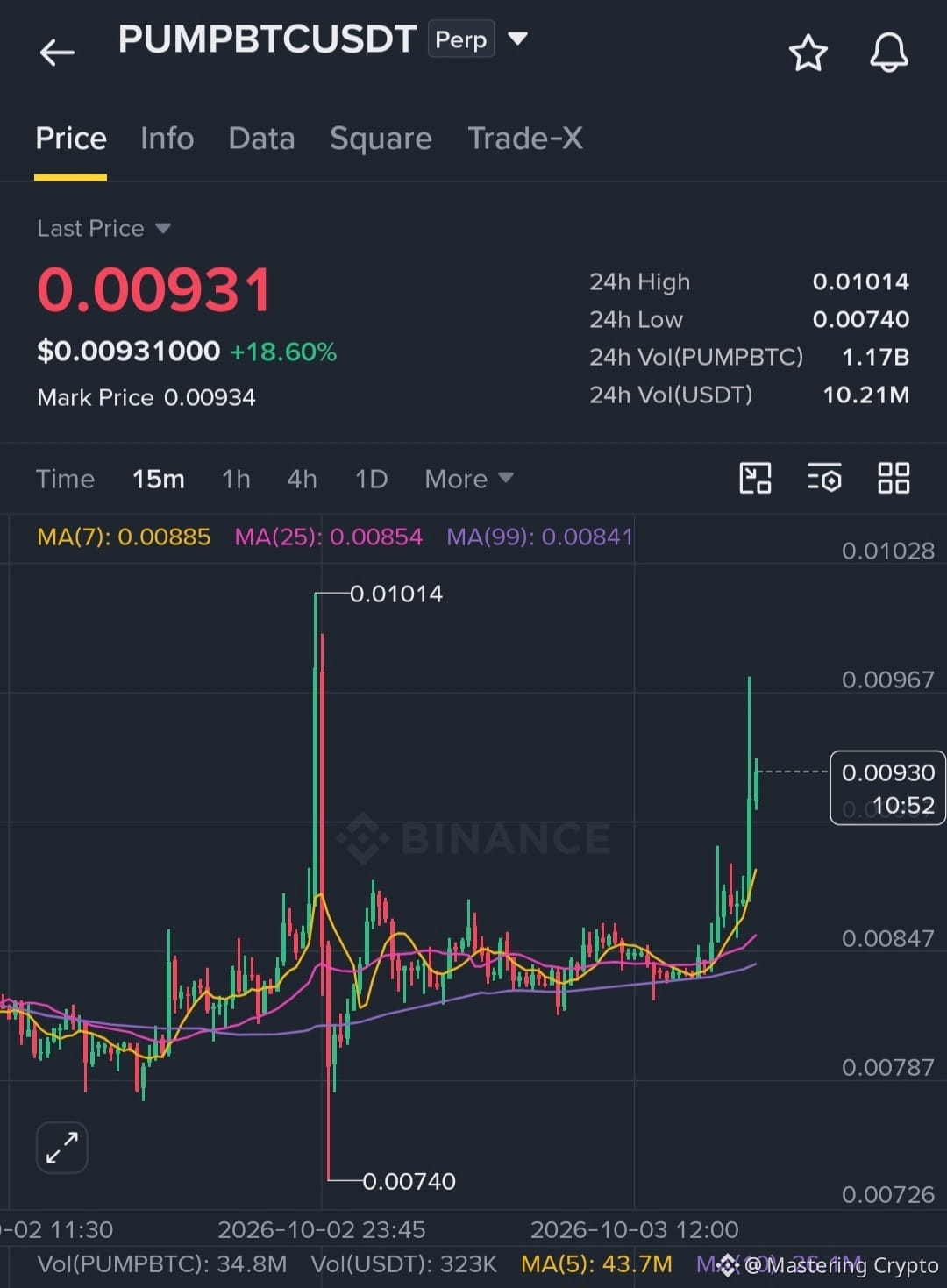
$PUMPBTC Bulls Are Charging Hard
Long $PUMPBTC
Einstieg: 0.00840 – 0.00880
SL: 0.00800
TP1: 0.00950
TP2: 0.01050
TP3: 0.01100
TP4: 0.01200
🫂 Trete meiner Binance-Group-Chat bei und lass uns gemeinsam bei jedem Trade gewinnen.
Trade $PUMPBTC hier 👇
{future}(PUMPBTCUSDT)
$PUMPBTC Bulls Are Charging Hard
Long $PUMPBTC
Einstieg: 0.00840 – 0.00880
SL: 0.00800
TP1: 0.00950
TP2: 0.01050
TP3: 0.01100
TP4: 0.01200
🫂 Trete meiner Binance-Group-Chat bei und lass uns gemeinsam bei jedem Trade gewinnen.
Trade $PUMPBTC hier 👇
Long $PUMPBTC
Einstieg: 0.00840 – 0.00880
SL: 0.00800
TP1: 0.00950
TP2: 0.01050
TP3: 0.01100
TP4: 0.01200
🫂 Trete meiner Binance-Group-Chat bei und lass uns gemeinsam bei jedem Trade gewinnen.
Trade $PUMPBTC hier 👇
528
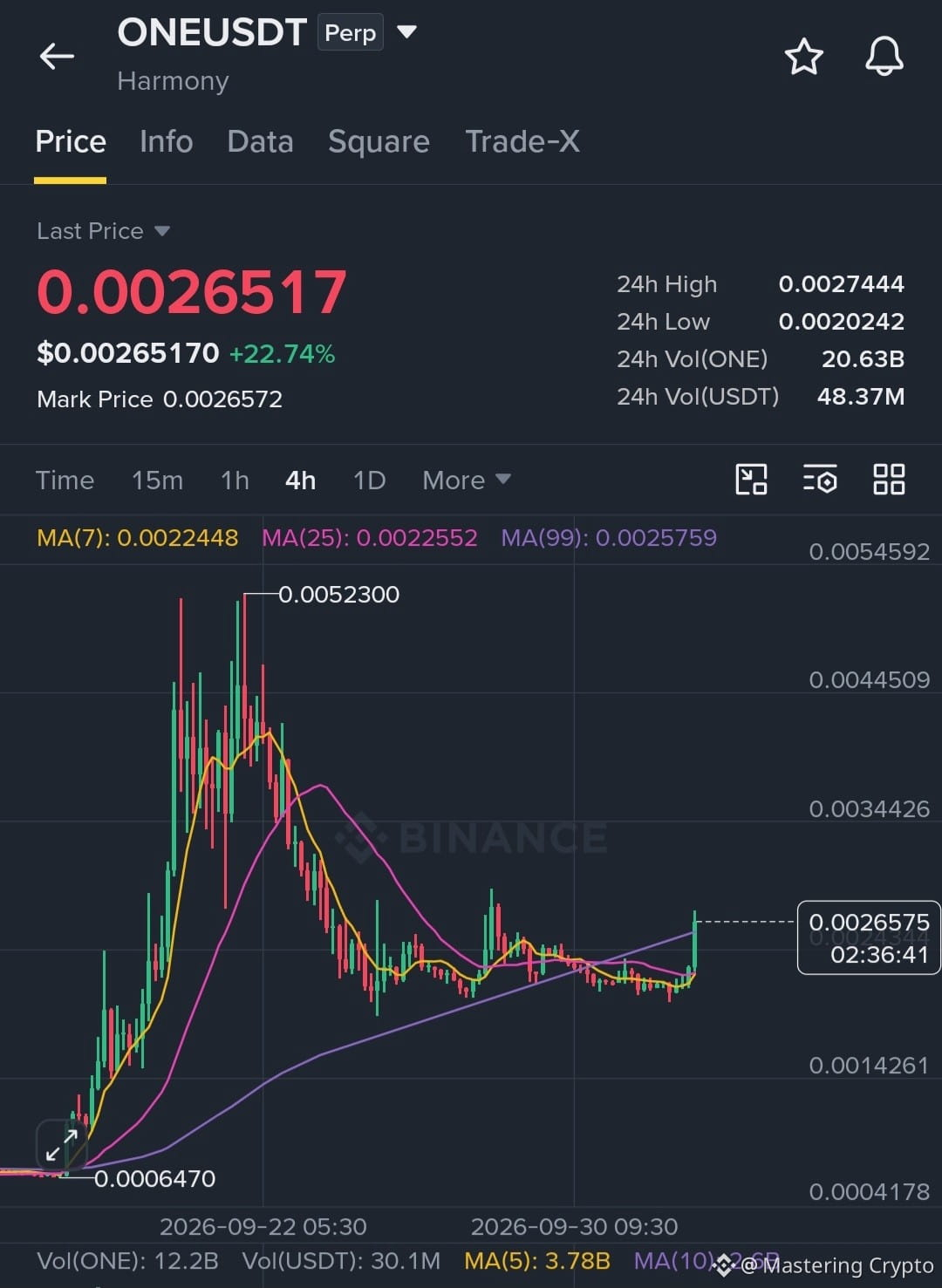
$ONE baut einen großen bullischen Trap auf
Short $ONE
Einstieg: 0.00280 – 0.00340
SL: 0.0040
TP1: 0.00255
TP2: 0.00235
TP3: 0.00220
TP4: 0.00200
🫂 Trete meiner Binance-Group-Chat bei und lass uns gemeinsam bei jedem Trade gewinnen.
Trade $ONE hier 👇
{future}(ONEUSDT)
$ONE baut einen großen bullischen Trap auf
Short $ONE
Einstieg: 0.00280 – 0.00340
SL: 0.0040
TP1: 0.00255
TP2: 0.00235
TP3: 0.00220
TP4: 0.00200
🫂 Trete meiner Binance-Group-Chat bei und lass uns gemeinsam bei jedem Trade gewinnen.
Trade $ONE hier 👇
Short $ONE
Einstieg: 0.00280 – 0.00340
SL: 0.0040
TP1: 0.00255
TP2: 0.00235
TP3: 0.00220
TP4: 0.00200
🫂 Trete meiner Binance-Group-Chat bei und lass uns gemeinsam bei jedem Trade gewinnen.
Trade $ONE hier 👇
3
769
Übersetzung ansehen
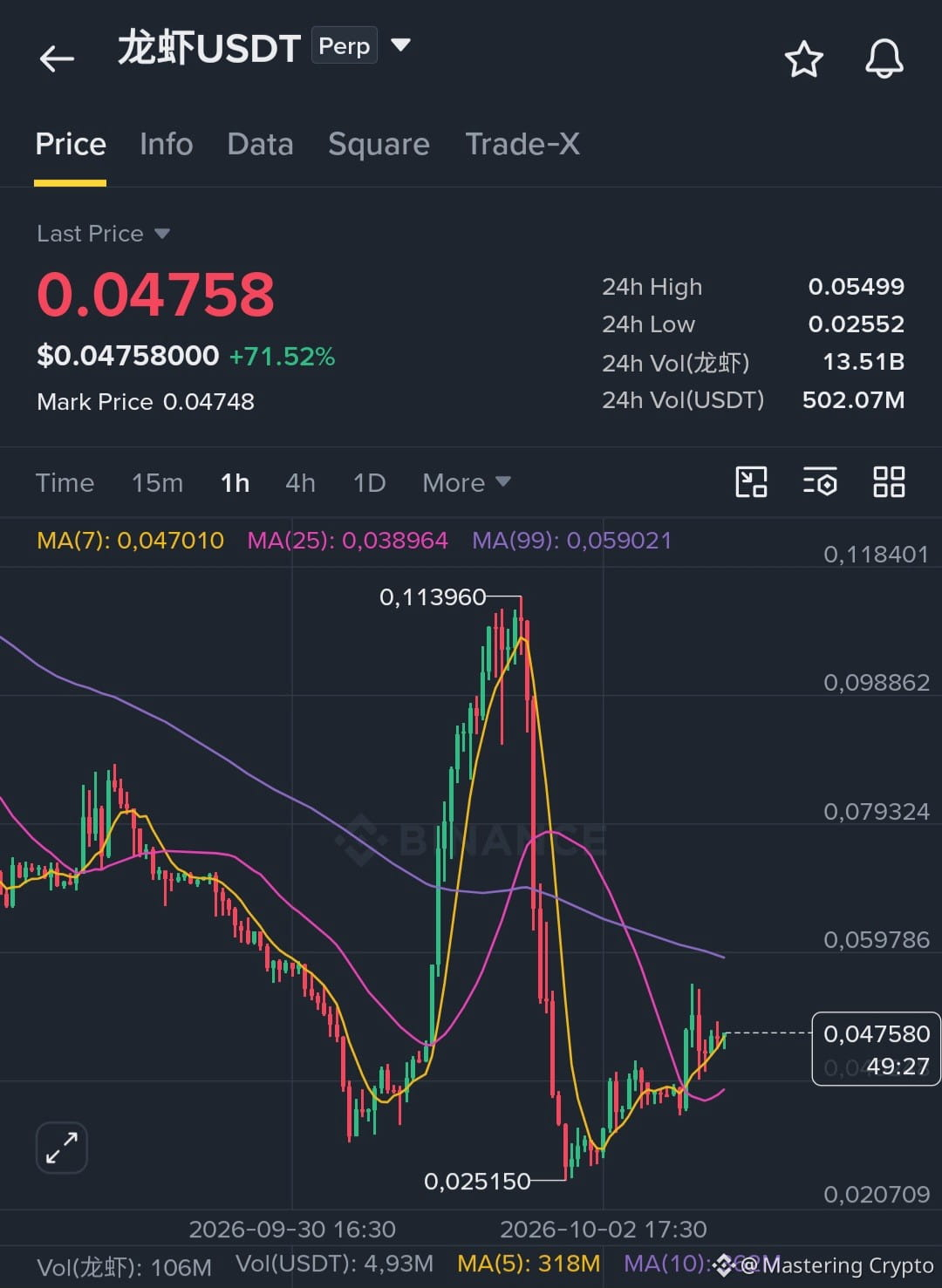
$龙虾 again facing heavy resistance
Short $龙虾
Entry: 0.050 – 0.060
SL: 0.080
TP1: 0.045
TP2: 0.040
TP3: 0.030
TP4: 0.020
🫂 Join my Binance Group Chat and Let’s together win every trade.
Trade $龙虾 here 👇
{future}(龙虾USDT)
$龙虾 again facing heavy resistance
Short $龙虾
Entry: 0.050 – 0.060
SL: 0.080
TP1: 0.045
TP2: 0.040
TP3: 0.030
TP4: 0.020
🫂 Join my Binance Group Chat and Let’s together win every trade.
Trade $龙虾 here 👇
Short $龙虾
Entry: 0.050 – 0.060
SL: 0.080
TP1: 0.045
TP2: 0.040
TP3: 0.030
TP4: 0.020
🫂 Join my Binance Group Chat and Let’s together win every trade.
Trade $龙虾 here 👇
1
3
736
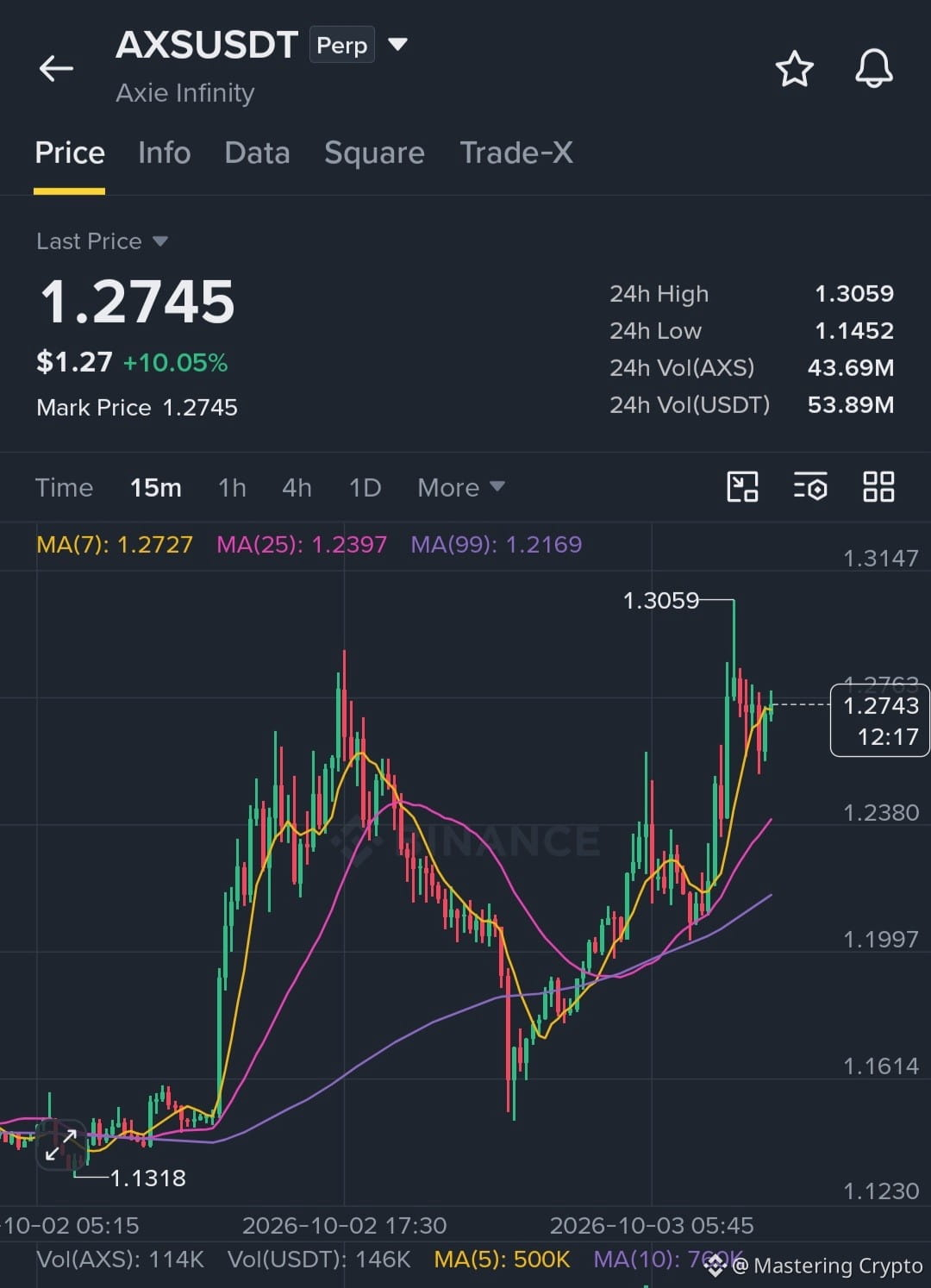
$AXS kocht etwas Großes, also Guy, ich bin persönlich hinterher – lange hier
Lang $AXS
Einstieg: 1.225 – 1.275
SL: 1.20
TP1: 1.3000
TP2: 1.3300
TP3: 1.3700
TP4: 1.4200
🫂 Tritt meinem Binance-Gruppenchat bei und lass uns gemeinsam bei jedem Trade gewinnen.
Trade $AXS hier 👇
{future}(AXSUSDT)
$AXS kocht etwas Großes, also Guy, ich bin persönlich hinterher – lange hier
Lang $AXS
Einstieg: 1.225 – 1.275
SL: 1.20
TP1: 1.3000
TP2: 1.3300
TP3: 1.3700
TP4: 1.4200
🫂 Tritt meinem Binance-Gruppenchat bei und lass uns gemeinsam bei jedem Trade gewinnen.
Trade $AXS hier 👇
Lang $AXS
Einstieg: 1.225 – 1.275
SL: 1.20
TP1: 1.3000
TP2: 1.3300
TP3: 1.3700
TP4: 1.4200
🫂 Tritt meinem Binance-Gruppenchat bei und lass uns gemeinsam bei jedem Trade gewinnen.
Trade $AXS hier 👇
3
2
807
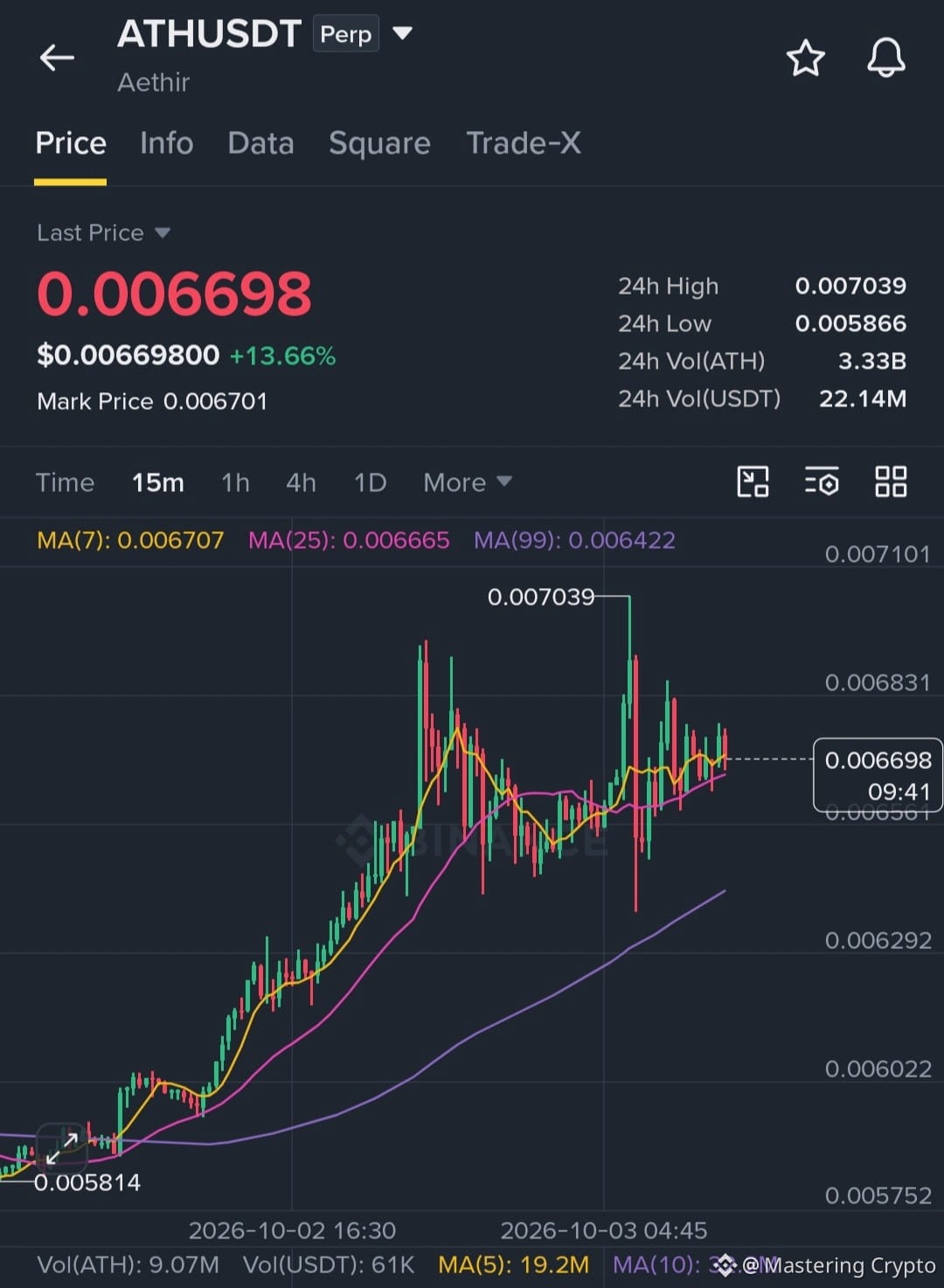
$ATH lädt das bullische Spiel langsam neu und dieses Mal zielt es auf große Levels
Long $ATH
Einstieg: 0.00630 – 0.00660
SL: 0.00590
TP1: 0.00695
TP2: 0.00715
TP3: 0.00740
TP4: 0.00780
🫂 Tritt meiner Binance-Group-Chat bei und lasst uns gemeinsam bei jedem Trade gewinnen.
Trade $ATH hier 👇
{future}(ATHUSDT)
$ATH lädt das bullische Spiel langsam neu und dieses Mal zielt es auf große Levels
Long $ATH
Einstieg: 0.00630 – 0.00660
SL: 0.00590
TP1: 0.00695
TP2: 0.00715
TP3: 0.00740
TP4: 0.00780
🫂 Tritt meiner Binance-Group-Chat bei und lasst uns gemeinsam bei jedem Trade gewinnen.
Trade $ATH hier 👇
Long $ATH
Einstieg: 0.00630 – 0.00660
SL: 0.00590
TP1: 0.00695
TP2: 0.00715
TP3: 0.00740
TP4: 0.00780
🫂 Tritt meiner Binance-Group-Chat bei und lasst uns gemeinsam bei jedem Trade gewinnen.
Trade $ATH hier 👇
2
569
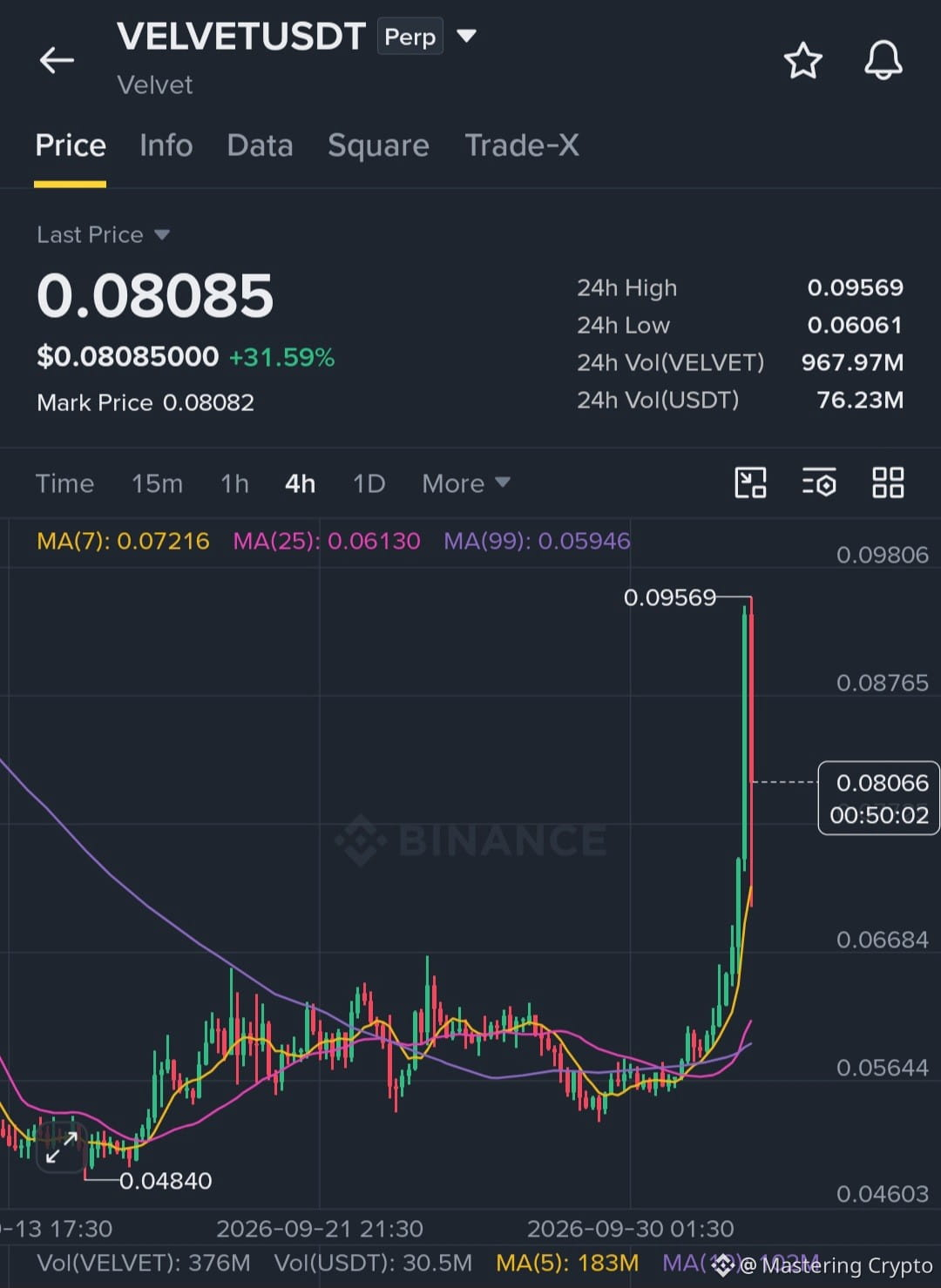
$VELVET richtet eine große bärische Falle ein
Short $VELVET
Einstieg: 0.085 – 0.10
SL: 0.130
TP1: 0.0760
TP2: 0.0710
TP3: 0.0660
TP4: 0.0615
🫂 Trete meiner Binance-Gruppenchat bei und lass uns gemeinsam bei jedem Trade gewinnen.
Trade $VELVET hier 👇
{future}(VELVETUSDT)
$VELVET richtet eine große bärische Falle ein
Short $VELVET
Einstieg: 0.085 – 0.10
SL: 0.130
TP1: 0.0760
TP2: 0.0710
TP3: 0.0660
TP4: 0.0615
🫂 Trete meiner Binance-Gruppenchat bei und lass uns gemeinsam bei jedem Trade gewinnen.
Trade $VELVET hier 👇
Short $VELVET
Einstieg: 0.085 – 0.10
SL: 0.130
TP1: 0.0760
TP2: 0.0710
TP3: 0.0660
TP4: 0.0615
🫂 Trete meiner Binance-Gruppenchat bei und lass uns gemeinsam bei jedem Trade gewinnen.
Trade $VELVET hier 👇
3
4
941
·
--
Bärisch
🚨 Hip Hip Hurray Guy's 🥳
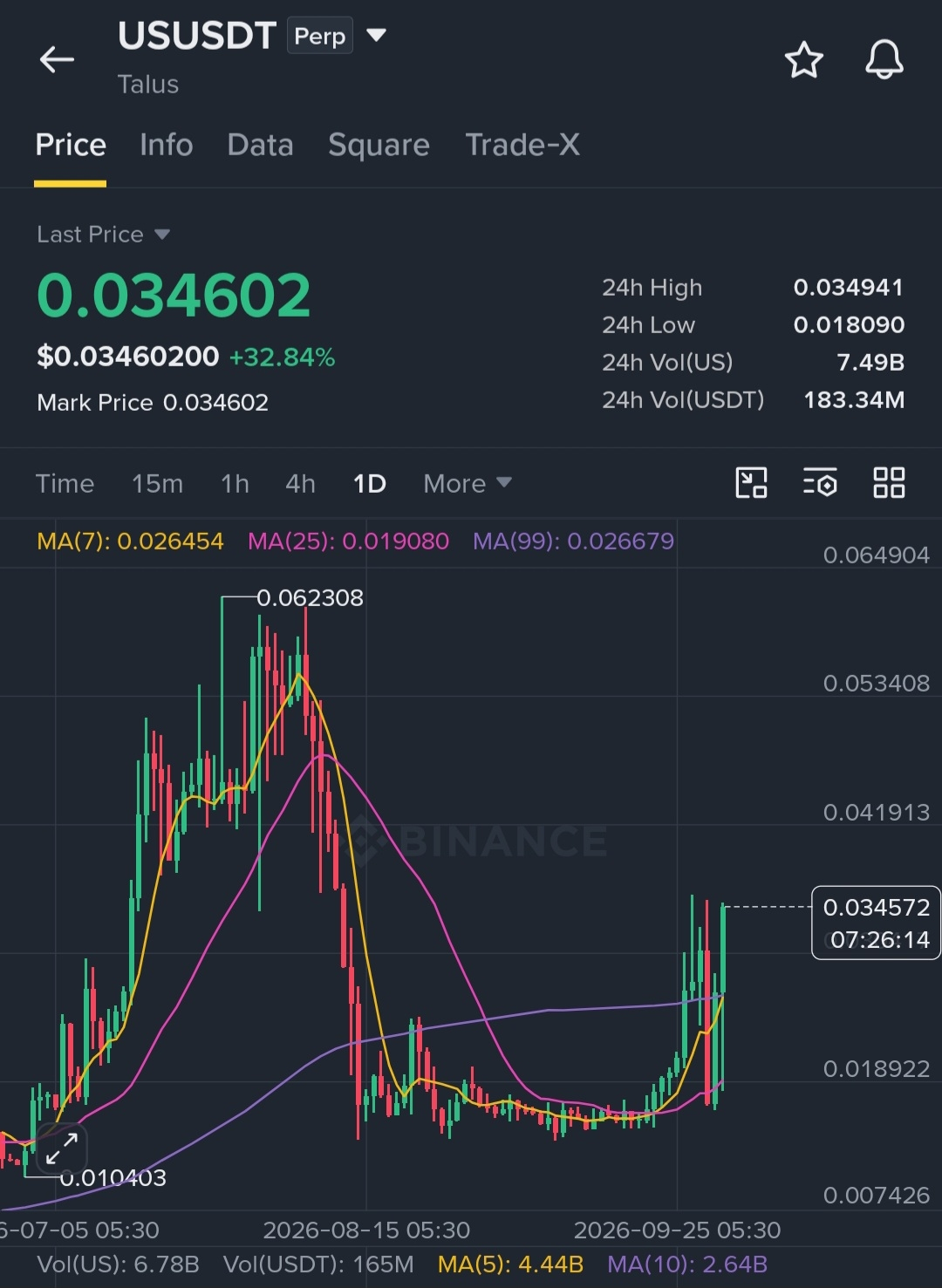
$US Short-Trade traf alle TPs erfolgreich und wird immer noch hart abverkauft 🤑
Stell dir vor, du machst einen Einstieg bei 0.04 und nimmst den vollen Gewinn bei 0.024—sieh, wie viel Profit du gemacht hättest 🤑
Alle haben dir nur den Long-Trade-Call gegeben—nur Mastering hat dir die richtige Short-Seite gezeigt, und sieh dir die Ergebnisse klar an 🚀
Meine Mitglieder in der Binance-Gruppenchat wachsen täglich mit hochwertigen Trade-Setups wie diesem 👌
Tritt meinem Binance-Gruppenchat bei und genieße tägliche Trade-Setups, um dein Kapital mit richtigem Risikomanagement zu vergrößern 🫂
$US ist immer noch bärisch, und das nächste Update wird ausschließlich in meinem Binance-Gruppenchat gegeben—also lieber jetzt hinterherjagen oder später es bereuen 💯
Du hast es immer noch nicht verpasst? Join $US Short-Trade und meinen Binance-Chat-Gruppenchat hier 👇
🚨 Hip Hip Hurray Guy's 🥳
$US Short-Trade traf alle TPs erfolgreich und wird immer noch hart abverkauft 🤑
Stell dir vor, du machst einen Einstieg bei 0.04 und nimmst den vollen Gewinn bei 0.024—sieh, wie viel Profit du gemacht hättest 🤑
Alle haben dir nur den Long-Trade-Call gegeben—nur Mastering hat dir die richtige Short-Seite gezeigt, und sieh dir die Ergebnisse klar an 🚀
Meine Mitglieder in der Binance-Gruppenchat wachsen täglich mit hochwertigen Trade-Setups wie diesem 👌
Tritt meinem Binance-Gruppenchat bei und genieße tägliche Trade-Setups, um dein Kapital mit richtigem Risikomanagement zu vergrößern 🫂
$US ist immer noch bärisch, und das nächste Update wird ausschließlich in meinem Binance-Gruppenchat gegeben—also lieber jetzt hinterherjagen oder später es bereuen 💯
Du hast es immer noch nicht verpasst? Join $US Short-Trade und meinen Binance-Chat-Gruppenchat hier 👇
$US Short-Trade traf alle TPs erfolgreich und wird immer noch hart abverkauft 🤑
Stell dir vor, du machst einen Einstieg bei 0.04 und nimmst den vollen Gewinn bei 0.024—sieh, wie viel Profit du gemacht hättest 🤑
Alle haben dir nur den Long-Trade-Call gegeben—nur Mastering hat dir die richtige Short-Seite gezeigt, und sieh dir die Ergebnisse klar an 🚀
Meine Mitglieder in der Binance-Gruppenchat wachsen täglich mit hochwertigen Trade-Setups wie diesem 👌
Tritt meinem Binance-Gruppenchat bei und genieße tägliche Trade-Setups, um dein Kapital mit richtigem Risikomanagement zu vergrößern 🫂
$US ist immer noch bärisch, und das nächste Update wird ausschließlich in meinem Binance-Gruppenchat gegeben—also lieber jetzt hinterherjagen oder später es bereuen 💯
Du hast es immer noch nicht verpasst? Join $US Short-Trade und meinen Binance-Chat-Gruppenchat hier 👇
Mastering Crypto
·
--
$US richtet einen massiven bullischen Falle ein
Short $US
Einstieg: 0.0365 – 0.0425
SL: 0.0475
TP1: 0.0315
TP2: 0.0285
TP3: 0.0265
TP4: 0.0230
🫂 Tritt meiner Binance-Group-Chat bei und lass uns gemeinsam bei jedem Trade gewinnen.
Trade $US hier 👇
Short $US
Einstieg: 0.0365 – 0.0425
SL: 0.0475
TP1: 0.0315
TP2: 0.0285
TP3: 0.0265
TP4: 0.0230
🫂 Tritt meiner Binance-Group-Chat bei und lass uns gemeinsam bei jedem Trade gewinnen.
Trade $US hier 👇
3
1.1k
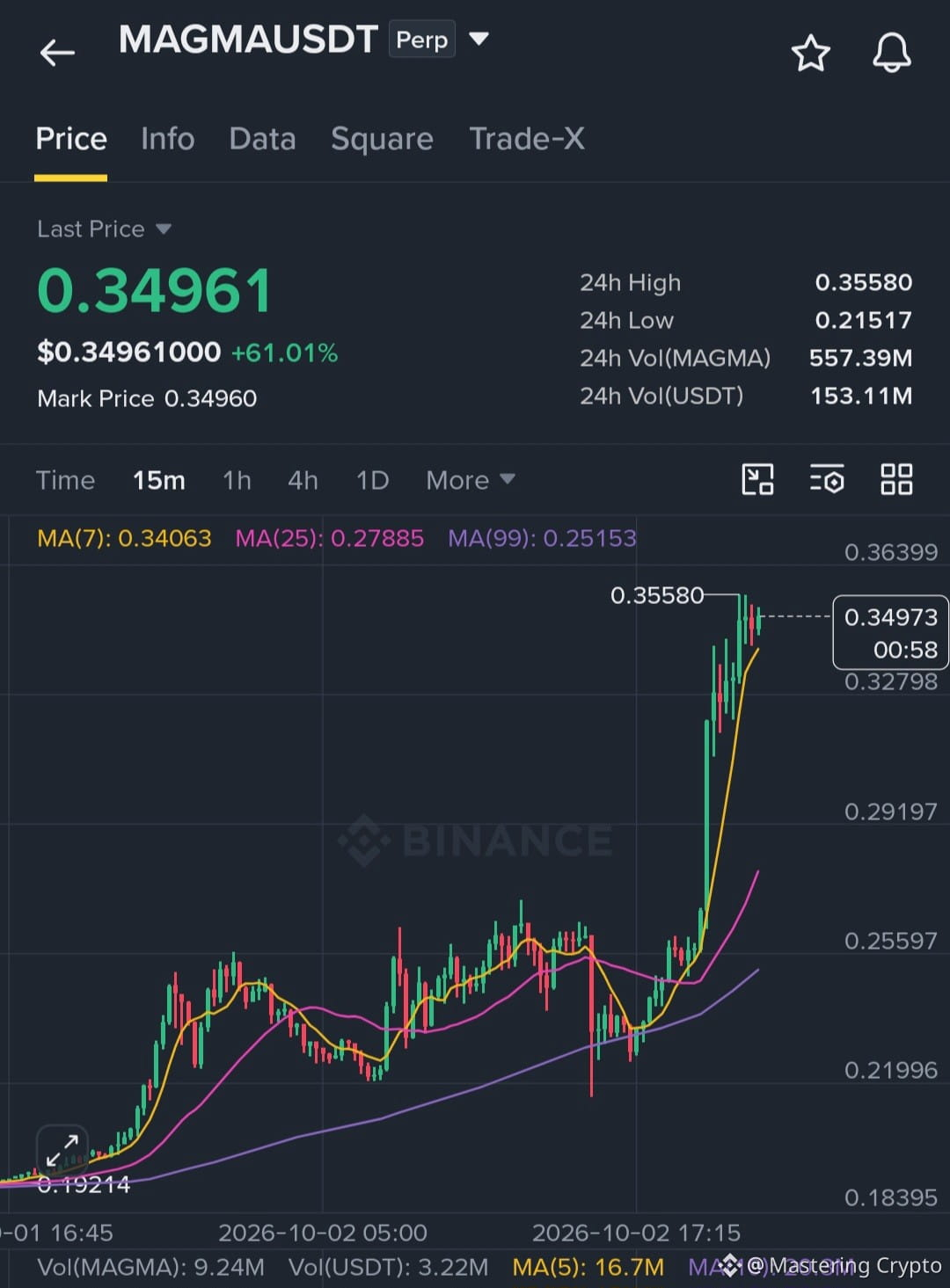
$MAGMA erreicht die überhitzte Zone
Kurz $MAGMA
Einstieg: 0.375 – 0.425
SL: 0.485
TP1: 0.345
TP2: 0.320
TP3: 0.280
TP4: 0.260
🫂 Trete meiner Binance-Group-Chat bei und lass uns gemeinsam bei jedem Trade gewinnen.
Trade $MAGMA hier 👇
{future}(MAGMAUSDT)
$MAGMA erreicht die überhitzte Zone
Kurz $MAGMA
Einstieg: 0.375 – 0.425
SL: 0.485
TP1: 0.345
TP2: 0.320
TP3: 0.280
TP4: 0.260
🫂 Trete meiner Binance-Group-Chat bei und lass uns gemeinsam bei jedem Trade gewinnen.
Trade $MAGMA hier 👇
Kurz $MAGMA
Einstieg: 0.375 – 0.425
SL: 0.485
TP1: 0.345
TP2: 0.320
TP3: 0.280
TP4: 0.260
🫂 Trete meiner Binance-Group-Chat bei und lass uns gemeinsam bei jedem Trade gewinnen.
Trade $MAGMA hier 👇
4
6
1.5k
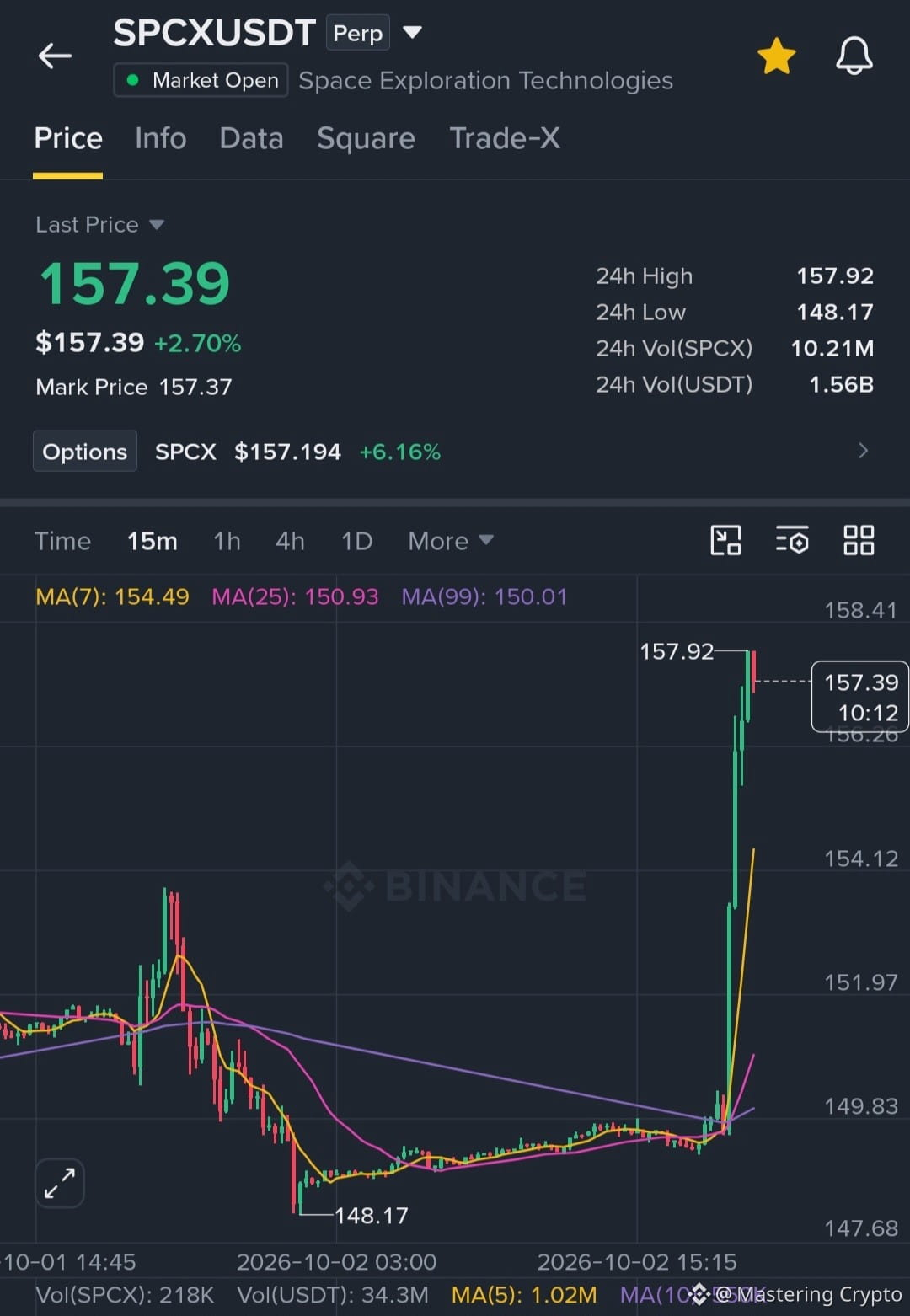
$SPCX non stop Liquiditätsjagd 🛸
Long $SPCX
Einstieg: 154.50 – 157.0
SL: 152.00
TP1: 159.50
TP2: 162.00
TP3: 165.00
TP4: 170.00
🫂 Trete meiner Binance-Gruppenchat bei und lass uns gemeinsam jeden Trade gewinnen.
Trade $SPCX hier 👇
{future}(SPCXUSDT)
$SPCX non stop Liquiditätsjagd 🛸
Long $SPCX
Einstieg: 154.50 – 157.0
SL: 152.00
TP1: 159.50
TP2: 162.00
TP3: 165.00
TP4: 170.00
🫂 Trete meiner Binance-Gruppenchat bei und lass uns gemeinsam jeden Trade gewinnen.
Trade $SPCX hier 👇
Long $SPCX
Einstieg: 154.50 – 157.0
SL: 152.00
TP1: 159.50
TP2: 162.00
TP3: 165.00
TP4: 170.00
🫂 Trete meiner Binance-Gruppenchat bei und lass uns gemeinsam jeden Trade gewinnen.
Trade $SPCX hier 👇
2
1
4
1k
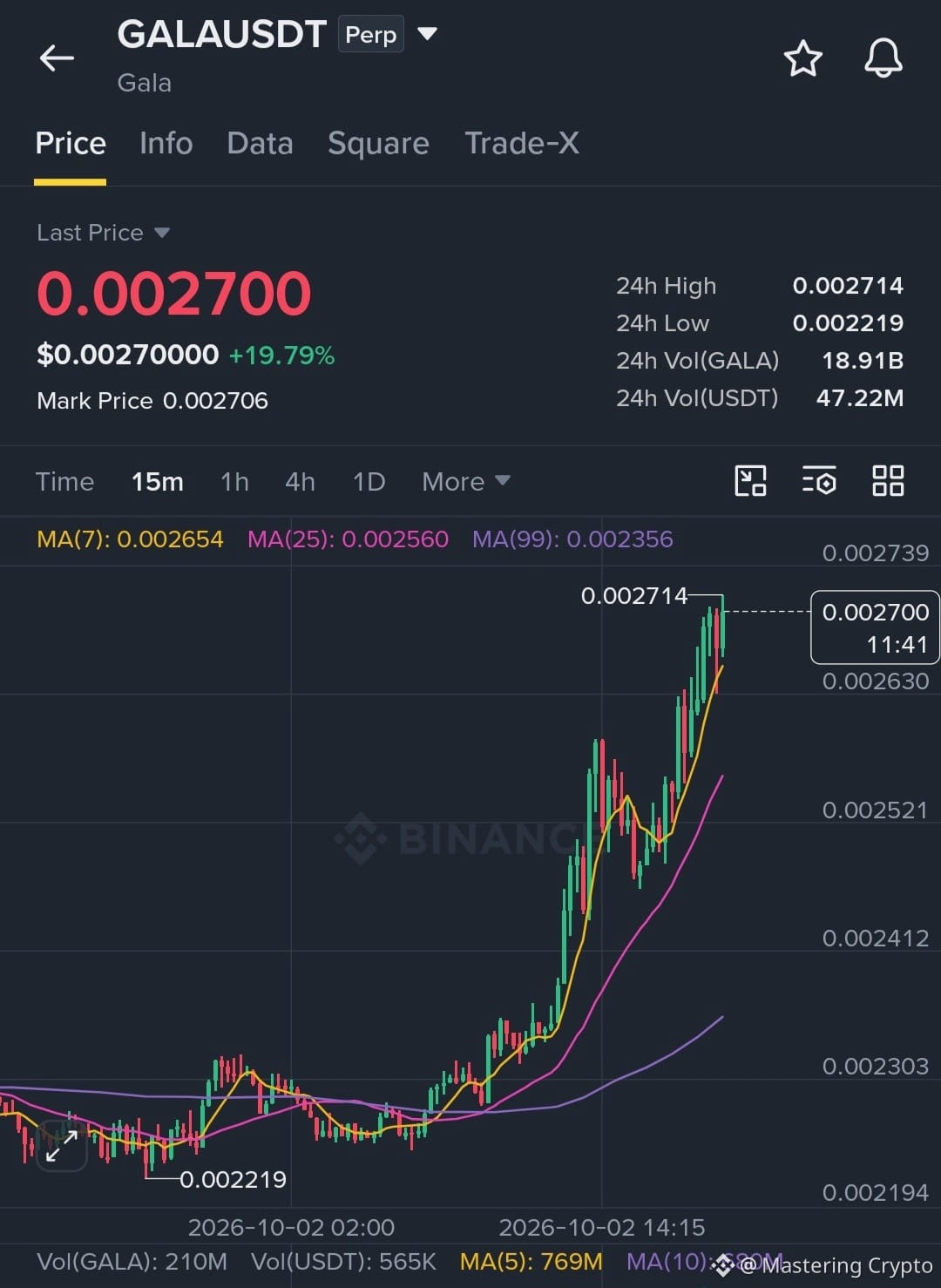
$GALA kocht gerade etwas Großes, Bruder, also lass uns dem Großen hier hinterherjagen
Lang $GALA
Einstieg: 0,00255 – 0,00270
SL: 0,00245
TP1: 0,00280
TP2: 0,00290
TP3: 0,00305
TP4: 0,00320
🫂 Tritt meiner Binance-Gruppenchat bei und lass uns gemeinsam bei jedem Trade gewinnen.
Trade $GALA hier 👇
{future}(GALAUSDT)
$GALA kocht gerade etwas Großes, Bruder, also lass uns dem Großen hier hinterherjagen
Lang $GALA
Einstieg: 0,00255 – 0,00270
SL: 0,00245
TP1: 0,00280
TP2: 0,00290
TP3: 0,00305
TP4: 0,00320
🫂 Tritt meiner Binance-Gruppenchat bei und lass uns gemeinsam bei jedem Trade gewinnen.
Trade $GALA hier 👇
Lang $GALA
Einstieg: 0,00255 – 0,00270
SL: 0,00245
TP1: 0,00280
TP2: 0,00290
TP3: 0,00305
TP4: 0,00320
🫂 Tritt meiner Binance-Gruppenchat bei und lass uns gemeinsam bei jedem Trade gewinnen.
Trade $GALA hier 👇
1
4
713
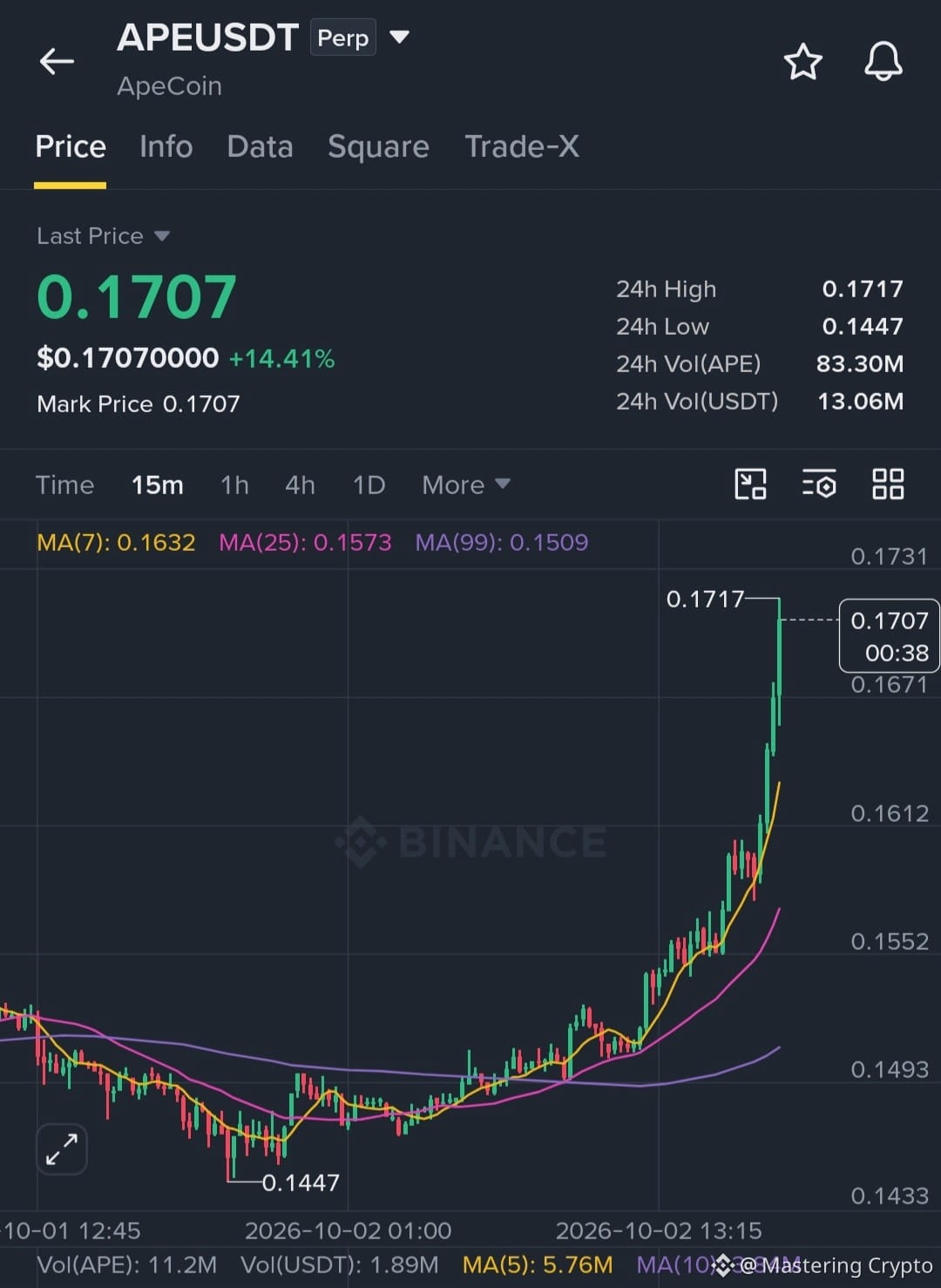
$APE Bullen geraten völlig außer Kontrolle
Long $APE
Einstieg: 0.156 – 0.165
SL: 0.150
TP1: 0.175
TP2: 0.183
TP3: 0.192
TP4: 0.210
🫂 Tritt meiner Binance-Gruppenchat bei und lass uns gemeinsam bei jedem Trade gewinnen.
Trade $APE hier 👇
{future}(APEUSDT)
$APE Bullen geraten völlig außer Kontrolle
Long $APE
Einstieg: 0.156 – 0.165
SL: 0.150
TP1: 0.175
TP2: 0.183
TP3: 0.192
TP4: 0.210
🫂 Tritt meiner Binance-Gruppenchat bei und lass uns gemeinsam bei jedem Trade gewinnen.
Trade $APE hier 👇
Long $APE
Einstieg: 0.156 – 0.165
SL: 0.150
TP1: 0.175
TP2: 0.183
TP3: 0.192
TP4: 0.210
🫂 Tritt meiner Binance-Gruppenchat bei und lass uns gemeinsam bei jedem Trade gewinnen.
Trade $APE hier 👇
1
4
557
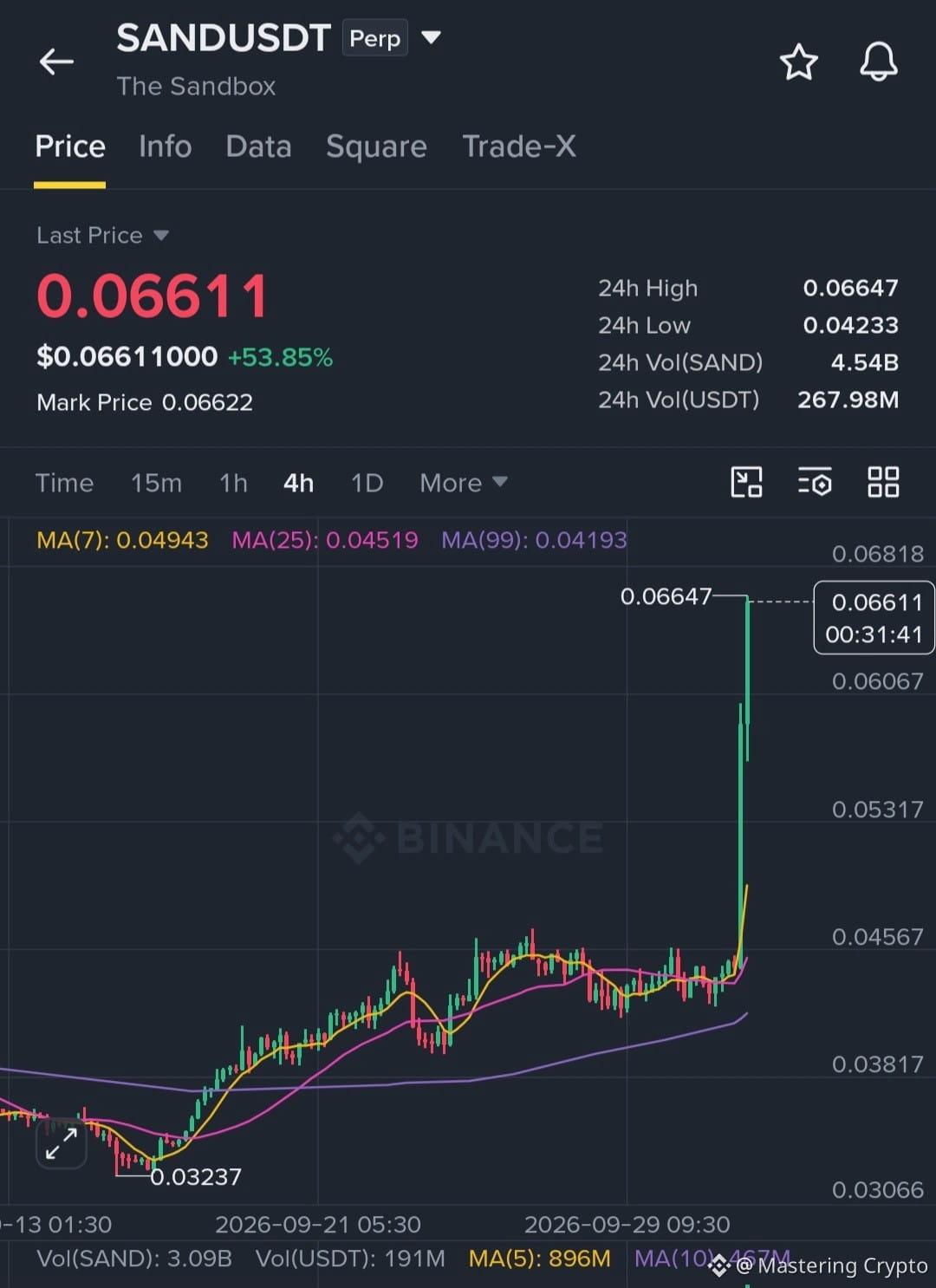
$SAND steht vor massivem Widerstand durch Bären
Kurz $SAND
Einstieg: 0.068 – 0.078
SL: 0.088
TP1: 0.0610
TP2: 0.0570
TP3: 0.0530
TP4: 0.0495
🫂 Tritt meiner Binance-Gruppe bei und lass uns gemeinsam bei jedem Trade gewinnen.
Trade $SAND hier 👇
{future}(SANDUSDT)
$SAND steht vor massivem Widerstand durch Bären
Kurz $SAND
Einstieg: 0.068 – 0.078
SL: 0.088
TP1: 0.0610
TP2: 0.0570
TP3: 0.0530
TP4: 0.0495
🫂 Tritt meiner Binance-Gruppe bei und lass uns gemeinsam bei jedem Trade gewinnen.
Trade $SAND hier 👇
Kurz $SAND
Einstieg: 0.068 – 0.078
SL: 0.088
TP1: 0.0610
TP2: 0.0570
TP3: 0.0530
TP4: 0.0495
🫂 Tritt meiner Binance-Gruppe bei und lass uns gemeinsam bei jedem Trade gewinnen.
Trade $SAND hier 👇
3
1.1k
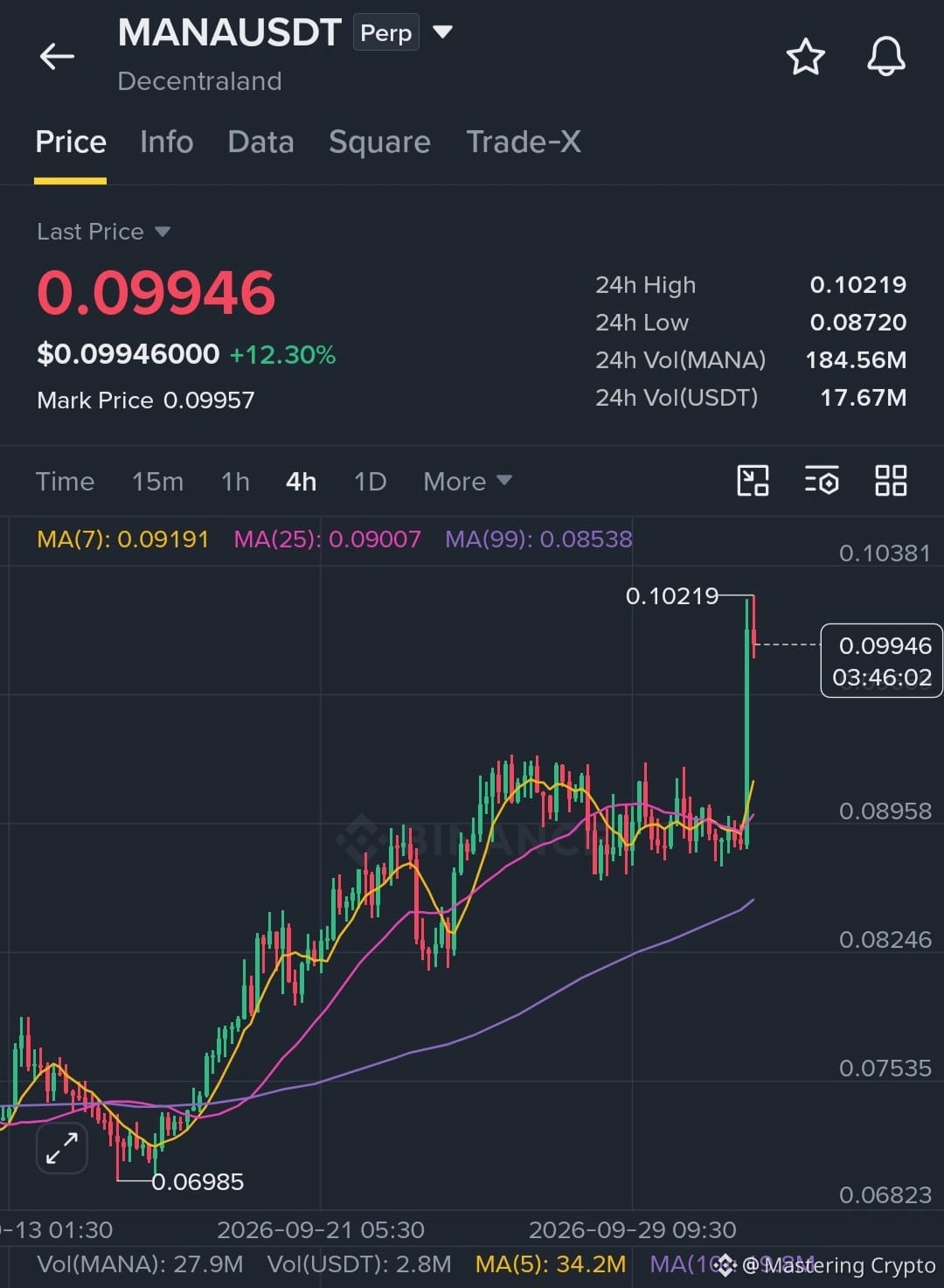
$MANA steigt in die Distribution ein
Short $MANA
Einstieg: 0.108 – 0.118
SL: 0.135
TP1: 0.0970
TP2: 0.0920
TP3: 0.0850
TP4: 0.0780
🫂 Trete meiner Binance Group Chat bei und lass uns gemeinsam bei jedem Trade gewinnen.
Trade $MANA hier 👇
{future}(MANAUSDT)
$MANA steigt in die Distribution ein
Short $MANA
Einstieg: 0.108 – 0.118
SL: 0.135
TP1: 0.0970
TP2: 0.0920
TP3: 0.0850
TP4: 0.0780
🫂 Trete meiner Binance Group Chat bei und lass uns gemeinsam bei jedem Trade gewinnen.
Trade $MANA hier 👇
Short $MANA
Einstieg: 0.108 – 0.118
SL: 0.135
TP1: 0.0970
TP2: 0.0920
TP3: 0.0850
TP4: 0.0780
🫂 Trete meiner Binance Group Chat bei und lass uns gemeinsam bei jedem Trade gewinnen.
Trade $MANA hier 👇
2
2
767
Schnelles „Go Chase“-Short-Video auf $MOVR jetzt, bevor es hart abkippt 🤑
Volles $MOVR -Short-Trade-Setup hier 👇
Schnelles „Go Chase“-Short-Video auf $MOVR jetzt, bevor es hart abkippt 🤑
Volles $MOVR -Short-Trade-Setup hier 👇
Volles $MOVR -Short-Trade-Setup hier 👇
Mastering Crypto
·
--
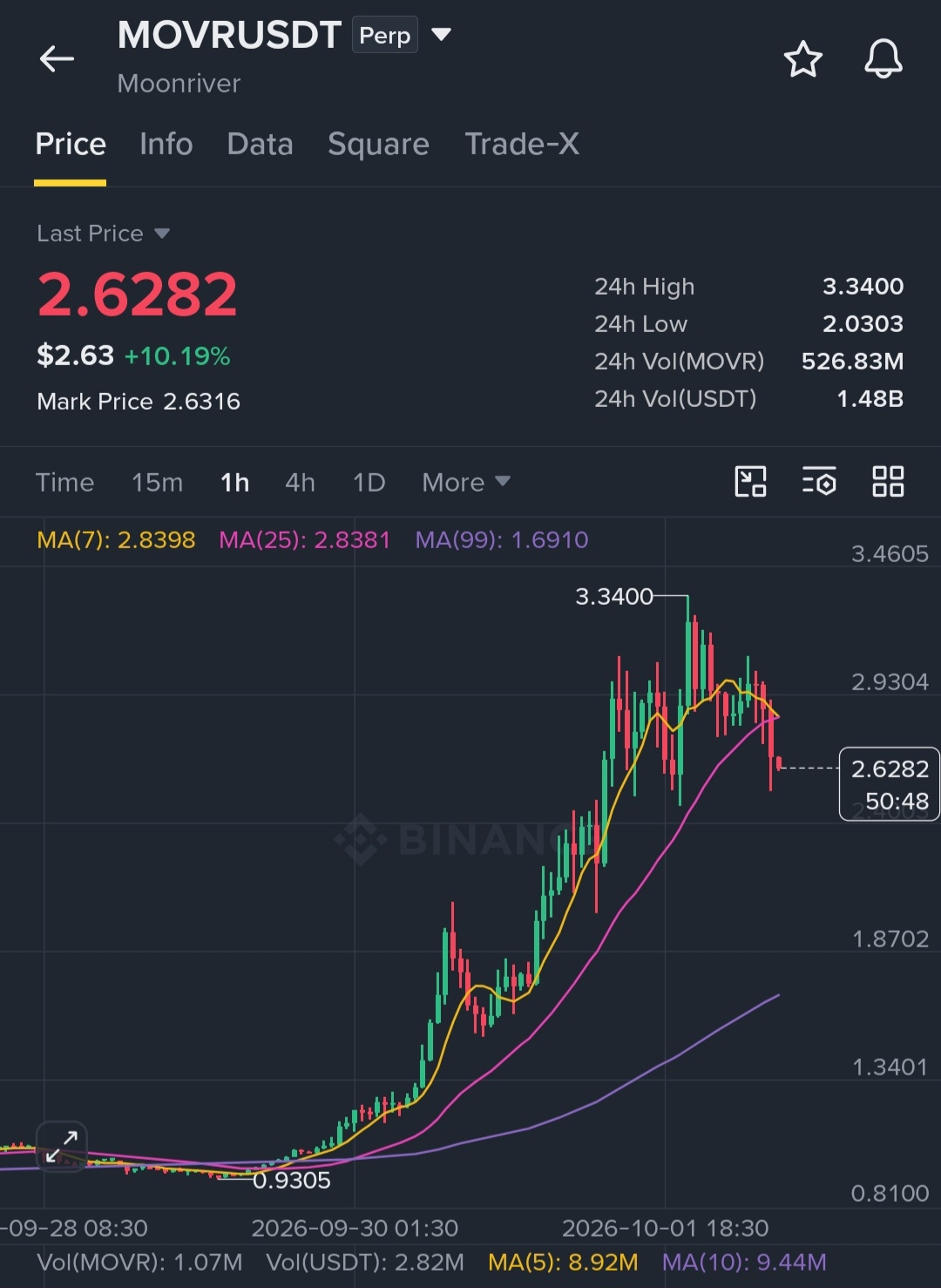
$MOVR verliert langsam seine wilde Form
Kurzes $MOVR
Einstieg: 2.70 – 3.1
SL: 3.5
TP1: 2.50
TP2: 2.30
TP3: 2.05
TP4: 1.85
🫂 Trete meiner Binance-Gruppe bei und lasst uns gemeinsam bei jedem Trade gewinnen.
Trade $MOVR hier 👇
Kurzes $MOVR
Einstieg: 2.70 – 3.1
SL: 3.5
TP1: 2.50
TP2: 2.30
TP3: 2.05
TP4: 1.85
🫂 Trete meiner Binance-Gruppe bei und lasst uns gemeinsam bei jedem Trade gewinnen.
Trade $MOVR hier 👇
3
4
2.5k
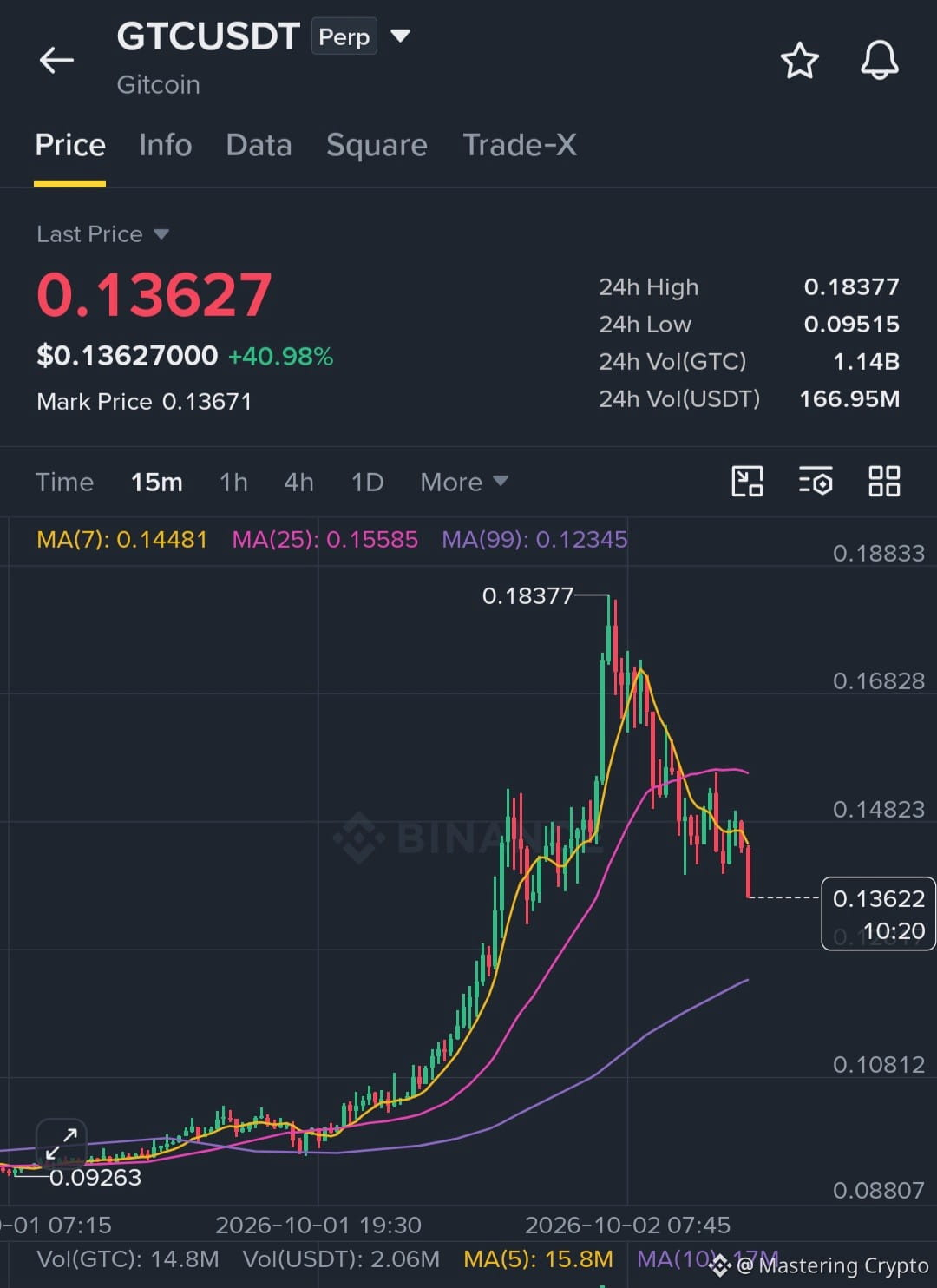
$GTC Bull Trap sieht über und Guys Ich verfolge persönlich hier short
Short $GTC
Einstieg: 0.140 – 0.160
SL: 0.180
TP1: 0.132
TP2: 0.125
TP3: 0.115
TP4: 0.100
🫂 Tritt meiner Binance-Gruppe bei und lass uns gemeinsam bei jedem Trade gewinnen.
Trade $GTC hier 👇
{future}(GTCUSDT)
$GTC Bull Trap sieht über und Guys Ich verfolge persönlich hier short
Short $GTC
Einstieg: 0.140 – 0.160
SL: 0.180
TP1: 0.132
TP2: 0.125
TP3: 0.115
TP4: 0.100
🫂 Tritt meiner Binance-Gruppe bei und lass uns gemeinsam bei jedem Trade gewinnen.
Trade $GTC hier 👇
Short $GTC
Einstieg: 0.140 – 0.160
SL: 0.180
TP1: 0.132
TP2: 0.125
TP3: 0.115
TP4: 0.100
🫂 Tritt meiner Binance-Gruppe bei und lass uns gemeinsam bei jedem Trade gewinnen.
Trade $GTC hier 👇
1
667
🚨 Banger Calls Banger Profits 🌋
$龙虾 Short-Trade getroffen und alle TPs erfolgreich erreicht – und trotzdem wird weiter hart abverkauft 🤑
Stell dir vor, du machst den Einstieg bei 0.11 und holst den vollen Gewinn bei 0.3 – sieh mal, wie viel Gewinn du gemacht hättest 🤑
Alle haben dir nur den Long-Trade-Call gegeben – nur Mastering hat dir die richtige Short-Variante gezeigt. Und schau dir die Ergebnisse ganz klar an 🚀
Meine Mitglieder in meinem Binance-Group-Chat wachsen täglich mit hochwertigen Trading-Setups wie diesem 👌
Tritt meinem Binance-Group-Chat bei und genieße tägliche Trading-Setups, um dein Kapital mit einem sauberen Risikomanagement zu vergrößern 🫂
$龙虾 bleibt weiterhin bärisch, und das nächste Update gibt es ausschließlich in meinem Binance-Group-Chat – also besser jetzt hinterherjagen oder später bereuen 💯
Nicht nur zuschauen, sondern $龙虾 Short-Trade-Setup jagen und hier meiner Binance-Chatgruppe beitreten 👇
🚨 Banger Calls Banger Profits 🌋
$龙虾 Short-Trade getroffen und alle TPs erfolgreich erreicht – und trotzdem wird weiter hart abverkauft 🤑
Stell dir vor, du machst den Einstieg bei 0.11 und holst den vollen Gewinn bei 0.3 – sieh mal, wie viel Gewinn du gemacht hättest 🤑
Alle haben dir nur den Long-Trade-Call gegeben – nur Mastering hat dir die richtige Short-Variante gezeigt. Und schau dir die Ergebnisse ganz klar an 🚀
Meine Mitglieder in meinem Binance-Group-Chat wachsen täglich mit hochwertigen Trading-Setups wie diesem 👌
Tritt meinem Binance-Group-Chat bei und genieße tägliche Trading-Setups, um dein Kapital mit einem sauberen Risikomanagement zu vergrößern 🫂
$龙虾 bleibt weiterhin bärisch, und das nächste Update gibt es ausschließlich in meinem Binance-Group-Chat – also besser jetzt hinterherjagen oder später bereuen 💯
Nicht nur zuschauen, sondern $龙虾 Short-Trade-Setup jagen und hier meiner Binance-Chatgruppe beitreten 👇
$龙虾 Short-Trade getroffen und alle TPs erfolgreich erreicht – und trotzdem wird weiter hart abverkauft 🤑
Stell dir vor, du machst den Einstieg bei 0.11 und holst den vollen Gewinn bei 0.3 – sieh mal, wie viel Gewinn du gemacht hättest 🤑
Alle haben dir nur den Long-Trade-Call gegeben – nur Mastering hat dir die richtige Short-Variante gezeigt. Und schau dir die Ergebnisse ganz klar an 🚀
Meine Mitglieder in meinem Binance-Group-Chat wachsen täglich mit hochwertigen Trading-Setups wie diesem 👌
Tritt meinem Binance-Group-Chat bei und genieße tägliche Trading-Setups, um dein Kapital mit einem sauberen Risikomanagement zu vergrößern 🫂
$龙虾 bleibt weiterhin bärisch, und das nächste Update gibt es ausschließlich in meinem Binance-Group-Chat – also besser jetzt hinterherjagen oder später bereuen 💯
Nicht nur zuschauen, sondern $龙虾 Short-Trade-Setup jagen und hier meiner Binance-Chatgruppe beitreten 👇
Mastering Crypto
·
--
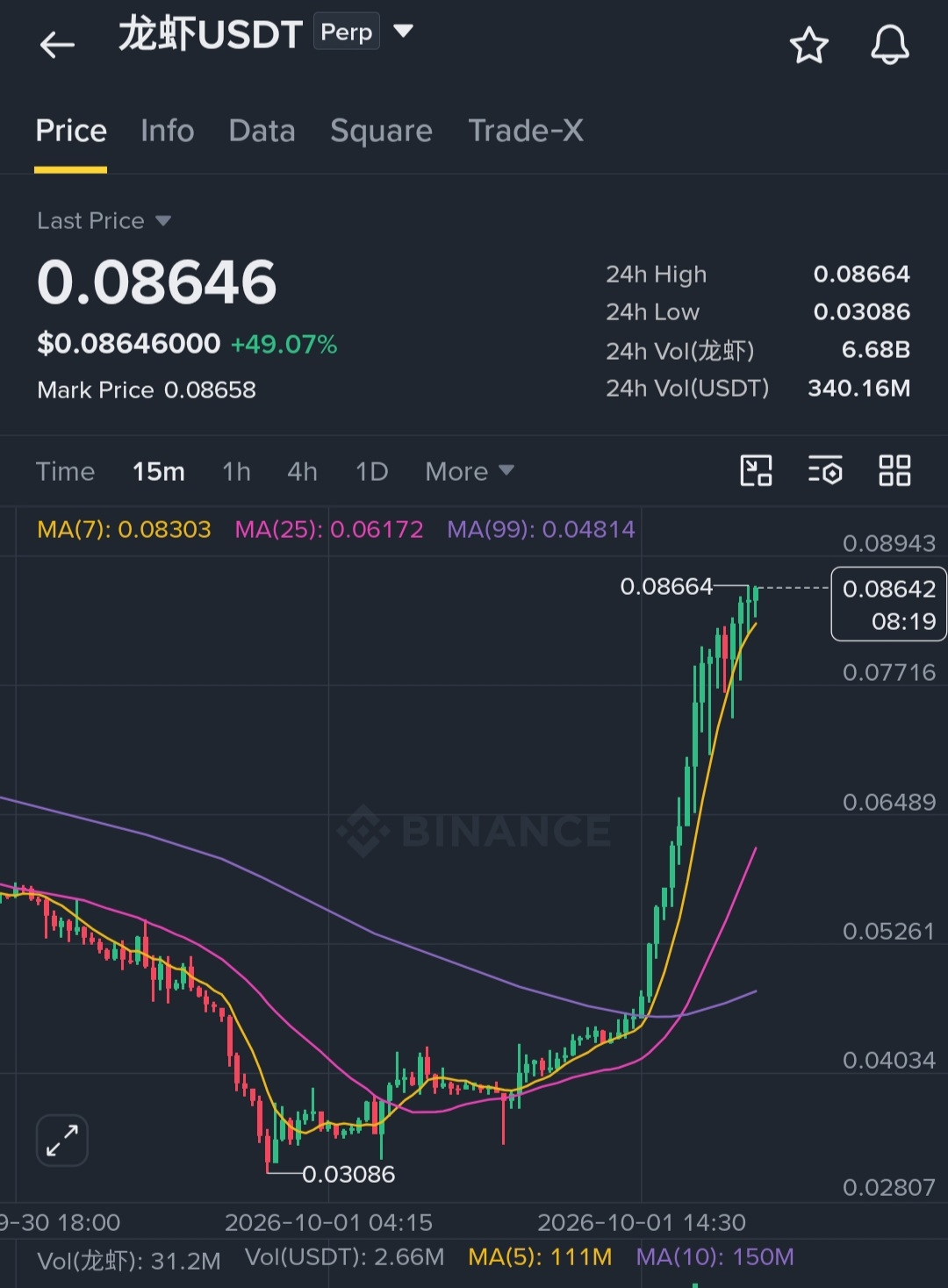
$龙虾 richtet eine große bullische Falle ein 💯
Short $龙虾
Einstieg: 0.095 – 0.115
SL: 0.135
TP1: 0.080
TP2: 0.070
TP3: 0.060
TP4: 0.050
🫂 Tritt meiner Binance-Group-Chat bei und lass uns gemeinsam bei jedem Trade gewinnen.
Trade $龙虾 hier 👇
Short $龙虾
Einstieg: 0.095 – 0.115
SL: 0.135
TP1: 0.080
TP2: 0.070
TP3: 0.060
TP4: 0.050
🫂 Tritt meiner Binance-Group-Chat bei und lass uns gemeinsam bei jedem Trade gewinnen.
Trade $龙虾 hier 👇
4
969
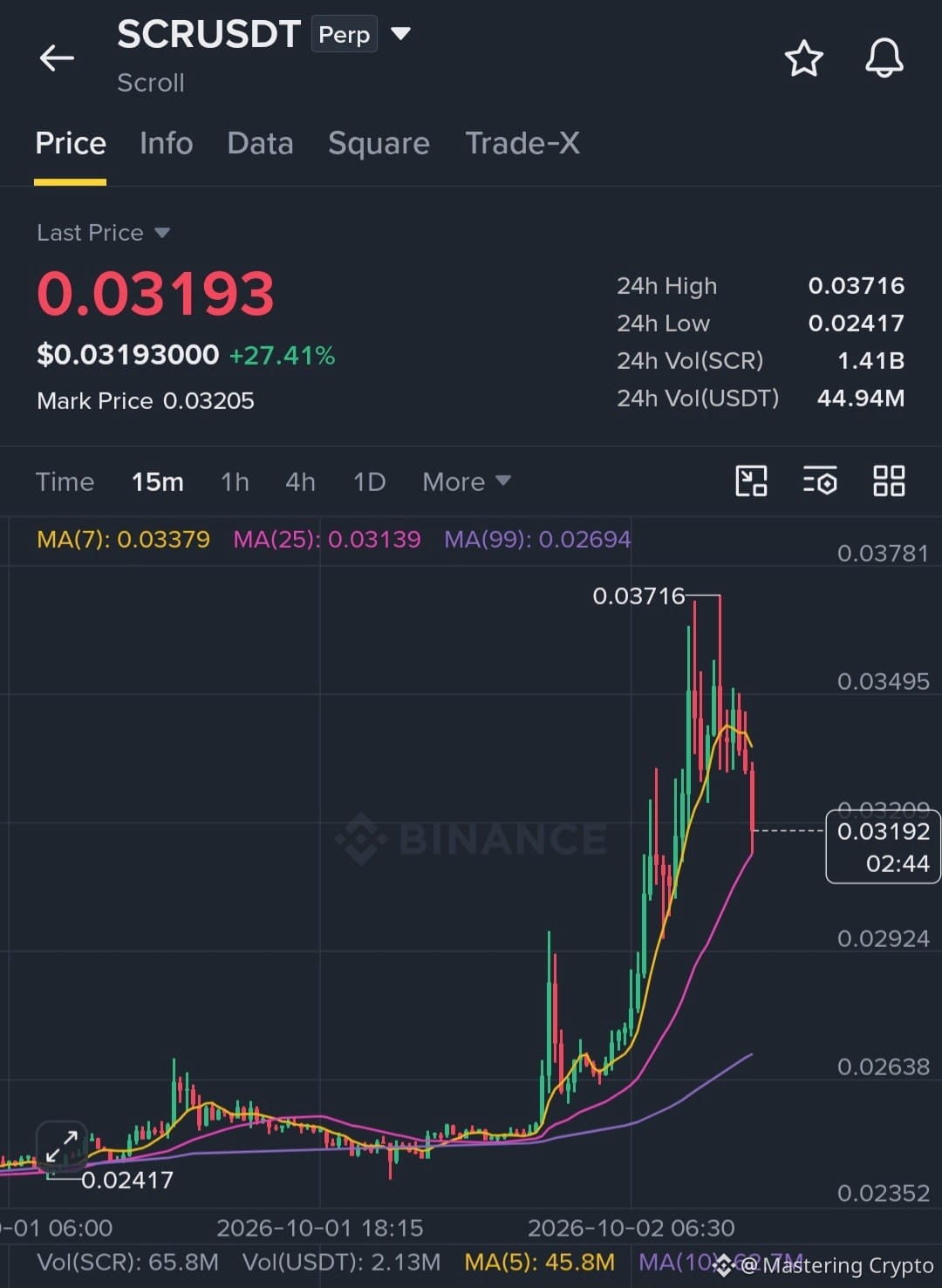
$SCR verliert den Schwung hart
Kurz $SCR
Einstieg: 0.0320 – 0.0350
SL: 0.040
TP1: 0.0300
TP2: 0.0285
TP3: 0.0260
TP4: 0.0240
🫂 Trete meiner Binance-Gruppenchat bei und lass uns gemeinsam bei jedem Trade gewinnen.
Trade $SCR hier 👇
{future}(SCRUSDT)
$SCR verliert den Schwung hart
Kurz $SCR
Einstieg: 0.0320 – 0.0350
SL: 0.040
TP1: 0.0300
TP2: 0.0285
TP3: 0.0260
TP4: 0.0240
🫂 Trete meiner Binance-Gruppenchat bei und lass uns gemeinsam bei jedem Trade gewinnen.
Trade $SCR hier 👇
Kurz $SCR
Einstieg: 0.0320 – 0.0350
SL: 0.040
TP1: 0.0300
TP2: 0.0285
TP3: 0.0260
TP4: 0.0240
🫂 Trete meiner Binance-Gruppenchat bei und lass uns gemeinsam bei jedem Trade gewinnen.
Trade $SCR hier 👇
3
501
Anmelden und weiter Inhalte entdecken
Krypto-Nutzer weltweit auf Binance Square kennenlernen
⚡️ Bleib in Sachen Krypto stets am Puls.
💬 Die weltgrößte Kryptobörse vertraut darauf.
👍 Erhalte verlässliche Einblicke von verifizierten Creators.
E-Mail-Adresse/Telefonnummer
Trendthemen
ZcashETFPostsFirstWeeklyOutflow$93.6M
0 Aufrufe
14 Kommentare
#fedoctoberratehikeoddsfallto17%
🚨 LIQUIDITÄTSWARNUNG: WETTBEWERBSCHANCEN AUF FED RATE HIKE FALLEN AUF 17%! 📊⚡
Ein schwacher US-Arbeitsmarktbericht hat die Chancen auf eine Fed-Zinserhöhung im Oktober von 75% auf 17% abstürzen lassen!
Lockerere Erwartungen an die Geldpolitik senken die Renditen und schaffen Marktlokalität, wodurch ein starker makroökonomischer Rückenwind für Crypto-Risiko-Assets entsteht! 🚀🔥
💡 HINWEIS FÜR TRADER:
Weniger Zinserhöhungen = steigende globale Liquidität → starke Zuflüsse in Krypto! Allerdings bedeutet ein sich abkühlender Arbeitsmarkt, dass du Wirtschaftsdaten genau im Blick haben solltest, bevor du starke Hebel nutzt! 📈⚠️
🔍 2 MAKRO-COINS, DIE DU BEOBACHTEN SOLLTEST:
🌐 $BTC (Bitcoin) — Erstklassiger Liquiditätsschwamm, der die Marktbewegung anführt, während makroökonomische Gegenwinde nachlassen! 💎⚡
🔹 $ETH (Ethereum) — Top-Asset für Smart Contracts, bereit für einen kräftigen Kapital-Shift, sobald die Risikobereitschaft steigt! 🚀📊
Wird dieser Liquiditäts-Shift Bitcoin auf ein neues Hoch katapultieren? Schreib deine Ziele unten rein! 👇✨
#FedOctoberRateHikeOddsFallTo17%
#BitcoinRejectedAt$87K
#ZcashETFPostsFirstWeeklyOutflow$93.6M
#GreekPoliceBustCryptoScamRingArrest17
Hifza Rubab
·0 Likes
·36 Aufrufe
GreekPoliceBustCryptoScamRingArrest17
0 Aufrufe
9 Kommentare
BitcoinRejectedAt$87K
41,178 Aufrufe
80 Kommentare