

ZENTROX1
11.3k Beiträge

ZENTROX1
 Square Verified
Melden
Nutzer blockieren
Trade eröffnen
Regelmäßiger Trader
1 Jahre
2 Following
31.1K+ Follower
13.7K+ Like gegeben
Beiträge
Portfolio
Alle
Live
·
--
Bullisch
$CTSI — Momentum ist laut, aber Disziplin gewinnt
CTSI hat mit beeindruckendem Schwung regelrecht durchgestartet: In nur einem Tag kletterte es um mehr als 80% und drückte auf ein neues 24-Stunden-Hoch bei etwa 0,0393$. Der Chart zeigt eine starke bullische Struktur – der Kurs handelt deutlich über den 7-, 25- und 99-gleitenden Durchschnitten, während das Kaufvolumen weiterhin dominiert. Das bedeutet: Die Nachfrage ist derzeit stärker als das Angebot.
Erfahrene Trader wissen jedoch, dass vertikale Bewegungen oft mit scharfer Volatilität einhergehen. Verfolgt man grüne Kerzen ohne Plan, können Gewinne schnell zu Verlusten werden. Ein gesunder Pullback, eine Konsolidierung oder ein erfolgreicher Retest einer wichtigen Unterstützung würde den Trend stärken und mehr nachhaltige Chancen schaffen.
Für jetzt ist CTSI eines der stärksten Momentum-Setups am Markt. Bleib geduldig, steuere das Risiko umsichtig und lass die Kursbewegung bestätigen, was dein nächster Schritt sein soll. Im Krypto-Bereich übertrifft Disziplin konstant die Emotion. 🚀📈
{spot}(CTSIUSDT)
$HFT
{spot}(HFTUSDT)
$HEI
{spot}(HEIUSDT)
#ChinaLaunchesBroadestTradeRetaliationOnUSFirms #ADPJulyPrivatePayrollsMissedExpectations #USStocksEndMixedNvidiaLiftsDow #GoldBreaksOutAboveDowntrend #SKHynixSecondPreMarketFlashCrash30%
$CTSI — Momentum ist laut, aber Disziplin gewinnt
CTSI hat mit beeindruckendem Schwung regelrecht durchgestartet: In nur einem Tag kletterte es um mehr als 80% und drückte auf ein neues 24-Stunden-Hoch bei etwa 0,0393$. Der Chart zeigt eine starke bullische Struktur – der Kurs handelt deutlich über den 7-, 25- und 99-gleitenden Durchschnitten, während das Kaufvolumen weiterhin dominiert. Das bedeutet: Die Nachfrage ist derzeit stärker als das Angebot.
Erfahrene Trader wissen jedoch, dass vertikale Bewegungen oft mit scharfer Volatilität einhergehen. Verfolgt man grüne Kerzen ohne Plan, können Gewinne schnell zu Verlusten werden. Ein gesunder Pullback, eine Konsolidierung oder ein erfolgreicher Retest einer wichtigen Unterstützung würde den Trend stärken und mehr nachhaltige Chancen schaffen.
Für jetzt ist CTSI eines der stärksten Momentum-Setups am Markt. Bleib geduldig, steuere das Risiko umsichtig und lass die Kursbewegung bestätigen, was dein nächster Schritt sein soll. Im Krypto-Bereich übertrifft Disziplin konstant die Emotion. 🚀📈
$HFT
$HEI
#ChinaLaunchesBroadestTradeRetaliationOnUSFirms #ADPJulyPrivatePayrollsMissedExpectations #USStocksEndMixedNvidiaLiftsDow #GoldBreaksOutAboveDowntrend #SKHynixSecondPreMarketFlashCrash30%
CTSI hat mit beeindruckendem Schwung regelrecht durchgestartet: In nur einem Tag kletterte es um mehr als 80% und drückte auf ein neues 24-Stunden-Hoch bei etwa 0,0393$. Der Chart zeigt eine starke bullische Struktur – der Kurs handelt deutlich über den 7-, 25- und 99-gleitenden Durchschnitten, während das Kaufvolumen weiterhin dominiert. Das bedeutet: Die Nachfrage ist derzeit stärker als das Angebot.
Erfahrene Trader wissen jedoch, dass vertikale Bewegungen oft mit scharfer Volatilität einhergehen. Verfolgt man grüne Kerzen ohne Plan, können Gewinne schnell zu Verlusten werden. Ein gesunder Pullback, eine Konsolidierung oder ein erfolgreicher Retest einer wichtigen Unterstützung würde den Trend stärken und mehr nachhaltige Chancen schaffen.
Für jetzt ist CTSI eines der stärksten Momentum-Setups am Markt. Bleib geduldig, steuere das Risiko umsichtig und lass die Kursbewegung bestätigen, was dein nächster Schritt sein soll. Im Krypto-Bereich übertrifft Disziplin konstant die Emotion. 🚀📈
$HFT
$HEI
#ChinaLaunchesBroadestTradeRetaliationOnUSFirms #ADPJulyPrivatePayrollsMissedExpectations #USStocksEndMixedNvidiaLiftsDow #GoldBreaksOutAboveDowntrend #SKHynixSecondPreMarketFlashCrash30%
CTSI to $0.04? 🚀
80%
Bull or Bear? 👀
10%
Hold or Sell? 📈
10%
10 Stimmen • Abstimmung beendet
3
6
473
·
--
Bullisch
UnifAI ($UAI ) zeigt endlich die Art von Dynamik, die Trader aufmerksam macht. Der jüngste Ausbruch über $0,40 ging mit einem starken Volumenanstieg einher, was darauf hindeutet, dass Käufer mit Vertrauen in den Markt zurückkehren. Der Kurs handelt über den wichtigen EMAs, während die Momentum-Indikatoren auf positiv drehen und andeuten, dass der Trend möglicherweise noch weiterlaufen könnte, sofern die Unterstützung hält. Dennoch gilt: Krypto ist nie eine Einbahnstraße. Grünes Kerzenjagen ohne Plan kann teuer werden. Entscheidend ist jetzt, zu beobachten, ob UAI die Ausbruchszone halten kann und eine höhere Basis aufbaut. Wenn das gelingt, wird der nächste Schritt nach oben deutlich spannender. Bleib geduldig, manage dein Risiko und lass den Markt den Trend bestätigen – statt allein aus Emotionen zu handeln.
{future}(UAIUSDT)
$ON
{future}(ONUSDT)
$COIN
{future}(COINUSDT)
#FOMCWatching #BNBSmartChainToUndergoHardFork #IonicDigitalSurges26%OnNasdaqDebut #BlackRockBringsBUIDLToUniswap #SouthKoreaFSCPlansDigitalAssetAct
UnifAI ($UAI ) zeigt endlich die Art von Dynamik, die Trader aufmerksam macht. Der jüngste Ausbruch über $0,40 ging mit einem starken Volumenanstieg einher, was darauf hindeutet, dass Käufer mit Vertrauen in den Markt zurückkehren. Der Kurs handelt über den wichtigen EMAs, während die Momentum-Indikatoren auf positiv drehen und andeuten, dass der Trend möglicherweise noch weiterlaufen könnte, sofern die Unterstützung hält. Dennoch gilt: Krypto ist nie eine Einbahnstraße. Grünes Kerzenjagen ohne Plan kann teuer werden. Entscheidend ist jetzt, zu beobachten, ob UAI die Ausbruchszone halten kann und eine höhere Basis aufbaut. Wenn das gelingt, wird der nächste Schritt nach oben deutlich spannender. Bleib geduldig, manage dein Risiko und lass den Markt den Trend bestätigen – statt allein aus Emotionen zu handeln.
$ON
$COIN
#FOMCWatching #BNBSmartChainToUndergoHardFork #IonicDigitalSurges26%OnNasdaqDebut #BlackRockBringsBUIDLToUniswap #SouthKoreaFSCPlansDigitalAssetAct
$ON
$COIN
#FOMCWatching #BNBSmartChainToUndergoHardFork #IonicDigitalSurges26%OnNasdaqDebut #BlackRockBringsBUIDLToUniswap #SouthKoreaFSCPlansDigitalAssetAct
Bullish? 🚀
81%
Buy or Wait? 👀
0%
Next Target? 📈
19%
16 Stimmen • Abstimmung beendet
1
6
2.7k
·
--
Bullisch
$ON USDT Marktupdate | Bullen verteidigen, aber der Momentum-Nachweis steht noch aus
ONUSDT wird um 0,317 $ gehandelt und hält sich nach einem beeindruckenden Rally weiterhin an einem starken Tagesgewinn. Die heutige Kursentwicklung zeigt, dass Käufer nach einem scharfen Rücksetzer wieder zurückkommen, aber die Erholung stößt noch auf Widerstand. Die EMA(7) bleibt unter der EMA(25), während die EMA(99) weiterhin den übergeordneten Trend stützt. Der MACD ist immer noch negativ, obwohl der Verkaufsdruck offenbar nachlässt, und der RSI nahe 38 deutet darauf hin, dass sich der Markt von schwachem Momentum erholt, statt sich in einer überkauften Zone zu befinden. In den vergangenen 24 Stunden erreichte das Paar 0,3688 $, bevor es korrigierte—das zeigt sowohl hohe Volatilität als auch starkes Trader-Interesse. Blickt man auf die letzten sieben Tage zurück, hat ONUSDT von aggressiver bullischer Expansion in eine gesunde Konsolidierungsphase gewechselt. Wenn Käufer die jüngsten Hochs mit stärkerem Volumen zurückerobern, wird ein weiterer Ausbruch möglich. Bis dahin zählt Geduld mehr als Aufregung, denn in schnelllebigen Krypto-Märkten schlägt eine Bestätigung jede Vorhersage.
{future}(ONUSDT)
$COTI
{spot}(COTIUSDT)
$BANK
{spot}(BANKUSDT)
#ONUSDT #OrochiNetwork #Crypto #CryptoMarket #Altcoins #Binance #CryptoTrading #PriceAction #TechnicalAnalysis #Trading #Bullish #Blockchain #Web3 #CryptoCommunity #MarketUpdate
$ON USDT Marktupdate | Bullen verteidigen, aber der Momentum-Nachweis steht noch aus
ONUSDT wird um 0,317 $ gehandelt und hält sich nach einem beeindruckenden Rally weiterhin an einem starken Tagesgewinn. Die heutige Kursentwicklung zeigt, dass Käufer nach einem scharfen Rücksetzer wieder zurückkommen, aber die Erholung stößt noch auf Widerstand. Die EMA(7) bleibt unter der EMA(25), während die EMA(99) weiterhin den übergeordneten Trend stützt. Der MACD ist immer noch negativ, obwohl der Verkaufsdruck offenbar nachlässt, und der RSI nahe 38 deutet darauf hin, dass sich der Markt von schwachem Momentum erholt, statt sich in einer überkauften Zone zu befinden. In den vergangenen 24 Stunden erreichte das Paar 0,3688 $, bevor es korrigierte—das zeigt sowohl hohe Volatilität als auch starkes Trader-Interesse. Blickt man auf die letzten sieben Tage zurück, hat ONUSDT von aggressiver bullischer Expansion in eine gesunde Konsolidierungsphase gewechselt. Wenn Käufer die jüngsten Hochs mit stärkerem Volumen zurückerobern, wird ein weiterer Ausbruch möglich. Bis dahin zählt Geduld mehr als Aufregung, denn in schnelllebigen Krypto-Märkten schlägt eine Bestätigung jede Vorhersage.
$COTI
$BANK
#ONUSDT #OrochiNetwork #Crypto #CryptoMarket #Altcoins #Binance #CryptoTrading #PriceAction #TechnicalAnalysis #Trading #Bullish #Blockchain #Web3 #CryptoCommunity #MarketUpdate
ONUSDT wird um 0,317 $ gehandelt und hält sich nach einem beeindruckenden Rally weiterhin an einem starken Tagesgewinn. Die heutige Kursentwicklung zeigt, dass Käufer nach einem scharfen Rücksetzer wieder zurückkommen, aber die Erholung stößt noch auf Widerstand. Die EMA(7) bleibt unter der EMA(25), während die EMA(99) weiterhin den übergeordneten Trend stützt. Der MACD ist immer noch negativ, obwohl der Verkaufsdruck offenbar nachlässt, und der RSI nahe 38 deutet darauf hin, dass sich der Markt von schwachem Momentum erholt, statt sich in einer überkauften Zone zu befinden. In den vergangenen 24 Stunden erreichte das Paar 0,3688 $, bevor es korrigierte—das zeigt sowohl hohe Volatilität als auch starkes Trader-Interesse. Blickt man auf die letzten sieben Tage zurück, hat ONUSDT von aggressiver bullischer Expansion in eine gesunde Konsolidierungsphase gewechselt. Wenn Käufer die jüngsten Hochs mit stärkerem Volumen zurückerobern, wird ein weiterer Ausbruch möglich. Bis dahin zählt Geduld mehr als Aufregung, denn in schnelllebigen Krypto-Märkten schlägt eine Bestätigung jede Vorhersage.
$COTI
$BANK
#ONUSDT #OrochiNetwork #Crypto #CryptoMarket #Altcoins #Binance #CryptoTrading #PriceAction #TechnicalAnalysis #Trading #Bullish #Blockchain #Web3 #CryptoCommunity #MarketUpdate
Breakout next?
50%
Holding or selling?
33%
Bullish or bearish?
17%
6 Stimmen • Abstimmung beendet
3
1.4k
·
--
Bullisch
🚀 $BTW USDT explodiert – der Schwung ist zurück! 🚀
Der heutige Markt sendet eine klare Botschaft: BTWUSDT hat eine beeindruckende Rally hingelegt und in 24 Stunden fast 60% zugelegt, während der Kurs sich um 0,1122 $ bewegt. Der Chart bleibt stark bullisch: Der Preis hält sich über der EMA(7), EMA(25) und EMA(99), der MACD ist weiterhin positiv und Käufer behalten die Kontrolle. Obwohl RSI im überkauften Bereich liegt, deutet der starke Momentum darauf hin, dass der Trend noch nicht vorbei ist. Smarte Trader sollten diszipliniert bleiben, das Risiko managen und auf gesunde Rücksetzer achten – statt emotionalen Einstiegskäufen hinterherzulaufen. Genau in diesem Moment beweist unsere Track-to-Earn-Community ihre Konstanz. Reihe für Reihe hochwertige Inhalte, eine präzise Marktanalyse und unermüdliches Engagement bringen uns zurück an die Spitze – stärker denn je. Wir folgen keinem Hype – wir folgen Strategie, Geduld und Überzeugung. Der Comeback ist offiziell gestartet, und jedes Update bringt uns einen Schritt näher nach ganz oben. Bleib fokussiert, bleib aktiv – und lass uns die Leaderboard gemeinsam dominieren! 🔥📈
{future}(BTWUSDT)
$ON
{future}(ONUSDT)
$BANK
{spot}(BANKUSDT)
#BTWUSDT #Bitway #Krypto #KryptoTrading #BullRun #TrackToEarn #Leaderboard #Trading #Altcoins #TechnicalAnalysisnalysis #MACD #EMA #RSI #CryptoCommunity #Web3 #Momentum #TradingSignals💹💬 #BackToBack #MarketUpdate #StayFocused
🚀 $BTW USDT explodiert – der Schwung ist zurück! 🚀
Der heutige Markt sendet eine klare Botschaft: BTWUSDT hat eine beeindruckende Rally hingelegt und in 24 Stunden fast 60% zugelegt, während der Kurs sich um 0,1122 $ bewegt. Der Chart bleibt stark bullisch: Der Preis hält sich über der EMA(7), EMA(25) und EMA(99), der MACD ist weiterhin positiv und Käufer behalten die Kontrolle. Obwohl RSI im überkauften Bereich liegt, deutet der starke Momentum darauf hin, dass der Trend noch nicht vorbei ist. Smarte Trader sollten diszipliniert bleiben, das Risiko managen und auf gesunde Rücksetzer achten – statt emotionalen Einstiegskäufen hinterherzulaufen. Genau in diesem Moment beweist unsere Track-to-Earn-Community ihre Konstanz. Reihe für Reihe hochwertige Inhalte, eine präzise Marktanalyse und unermüdliches Engagement bringen uns zurück an die Spitze – stärker denn je. Wir folgen keinem Hype – wir folgen Strategie, Geduld und Überzeugung. Der Comeback ist offiziell gestartet, und jedes Update bringt uns einen Schritt näher nach ganz oben. Bleib fokussiert, bleib aktiv – und lass uns die Leaderboard gemeinsam dominieren! 🔥📈
$ON
$BANK
#BTWUSDT #Bitway #Krypto #KryptoTrading #BullRun #TrackToEarn #Leaderboard #Trading #Altcoins #TechnicalAnalysisnalysis #MACD #EMA #RSI #CryptoCommunity #Web3 #Momentum #TradingSignals💹💬 #BackToBack #MarketUpdate #StayFocused
Der heutige Markt sendet eine klare Botschaft: BTWUSDT hat eine beeindruckende Rally hingelegt und in 24 Stunden fast 60% zugelegt, während der Kurs sich um 0,1122 $ bewegt. Der Chart bleibt stark bullisch: Der Preis hält sich über der EMA(7), EMA(25) und EMA(99), der MACD ist weiterhin positiv und Käufer behalten die Kontrolle. Obwohl RSI im überkauften Bereich liegt, deutet der starke Momentum darauf hin, dass der Trend noch nicht vorbei ist. Smarte Trader sollten diszipliniert bleiben, das Risiko managen und auf gesunde Rücksetzer achten – statt emotionalen Einstiegskäufen hinterherzulaufen. Genau in diesem Moment beweist unsere Track-to-Earn-Community ihre Konstanz. Reihe für Reihe hochwertige Inhalte, eine präzise Marktanalyse und unermüdliches Engagement bringen uns zurück an die Spitze – stärker denn je. Wir folgen keinem Hype – wir folgen Strategie, Geduld und Überzeugung. Der Comeback ist offiziell gestartet, und jedes Update bringt uns einen Schritt näher nach ganz oben. Bleib fokussiert, bleib aktiv – und lass uns die Leaderboard gemeinsam dominieren! 🔥📈
$ON
$BANK
#BTWUSDT #Bitway #Krypto #KryptoTrading #BullRun #TrackToEarn #Leaderboard #Trading #Altcoins #TechnicalAnalysisnalysis #MACD #EMA #RSI #CryptoCommunity #Web3 #Momentum #TradingSignals💹💬 #BackToBack #MarketUpdate #StayFocused
Bullish or Bearish? 🚀
34%
Next Target? 📈
33%
Ready to Lead? 🔥
33%
3 Stimmen • Abstimmung beendet
2
5
837
·
--
Bullisch
🚀 $BANK USDT (Lorenzo Protocol) – Marktupdate von heute | Binance Futures 🚀
BANKUSDT zeigt heute eine außergewöhnliche Dynamik und wird bei etwa 0,4296 $ gehandelt – mit einem beeindruckenden Tagesgewinn von +21,55%. Die Münze verzeichnete in den letzten 24 Stunden ein Hoch von 0,6720 $ und ein Tief von 0,3475 $, was auf eine starke Volatilität und eine hohe Beteiligung der Trader hinweist. Das Handelsvolumen bleibt enorm: ungefähr 2,39 Mrd. BANK und 975 Mio. USDT wurden umgesetzt. Technisch gesehen handelt der Preis deutlich über der EMA 7, EMA 25 und EMA 99, was einen starken bullischen Trend bestätigt. Der MACD bleibt positiv, während der RSI über 88 liegt – das deutet auf starken Kaufdruck hin, signalisiert aber auch, dass der Markt möglicherweise vorübergehend überkauft ist. Wenn die bullische Dynamik anhält, könnte BANK einen weiteren Anlauf in Richtung der jüngsten Hochs versuchen; Händler sollten jedoch auch darauf vorbereitet sein, nach einer so schnellen Rallye gesunde Rücksetzer zu sehen. Risikomanagement immer ernst nehmen, mit passenden Stop-Losses arbeiten und keine Pumps hinterherjagen. Bleib diszipliniert, halte dich an den Trend und handle auf Basis von Bestätigung – nicht aus Emotionen. Hohe Volatilität schafft Chancen – aber nur für Trader, die Geduld mit klugem Risikomanagement kombinieren. 📈🔥
{spot}(BANKUSDT)
$DIA
{spot}(DIAUSDT)
$BTW
{future}(BTWUSDT)
#BrentCrudeFallsAbout6% #WTICrudeFuturesFall8% #GoldRises #USStockFuturesRiseAheadOfMegacapEarningsAndFed
#CXMTSurges472%OnShanghaiDebut
🚀 $BANK USDT (Lorenzo Protocol) – Marktupdate von heute | Binance Futures 🚀
BANKUSDT zeigt heute eine außergewöhnliche Dynamik und wird bei etwa 0,4296 $ gehandelt – mit einem beeindruckenden Tagesgewinn von +21,55%. Die Münze verzeichnete in den letzten 24 Stunden ein Hoch von 0,6720 $ und ein Tief von 0,3475 $, was auf eine starke Volatilität und eine hohe Beteiligung der Trader hinweist. Das Handelsvolumen bleibt enorm: ungefähr 2,39 Mrd. BANK und 975 Mio. USDT wurden umgesetzt. Technisch gesehen handelt der Preis deutlich über der EMA 7, EMA 25 und EMA 99, was einen starken bullischen Trend bestätigt. Der MACD bleibt positiv, während der RSI über 88 liegt – das deutet auf starken Kaufdruck hin, signalisiert aber auch, dass der Markt möglicherweise vorübergehend überkauft ist. Wenn die bullische Dynamik anhält, könnte BANK einen weiteren Anlauf in Richtung der jüngsten Hochs versuchen; Händler sollten jedoch auch darauf vorbereitet sein, nach einer so schnellen Rallye gesunde Rücksetzer zu sehen. Risikomanagement immer ernst nehmen, mit passenden Stop-Losses arbeiten und keine Pumps hinterherjagen. Bleib diszipliniert, halte dich an den Trend und handle auf Basis von Bestätigung – nicht aus Emotionen. Hohe Volatilität schafft Chancen – aber nur für Trader, die Geduld mit klugem Risikomanagement kombinieren. 📈🔥
$DIA
$BTW
#BrentCrudeFallsAbout6% #WTICrudeFuturesFall8% #GoldRises #USStockFuturesRiseAheadOfMegacapEarningsAndFed
#CXMTSurges472%OnShanghaiDebut
BANKUSDT zeigt heute eine außergewöhnliche Dynamik und wird bei etwa 0,4296 $ gehandelt – mit einem beeindruckenden Tagesgewinn von +21,55%. Die Münze verzeichnete in den letzten 24 Stunden ein Hoch von 0,6720 $ und ein Tief von 0,3475 $, was auf eine starke Volatilität und eine hohe Beteiligung der Trader hinweist. Das Handelsvolumen bleibt enorm: ungefähr 2,39 Mrd. BANK und 975 Mio. USDT wurden umgesetzt. Technisch gesehen handelt der Preis deutlich über der EMA 7, EMA 25 und EMA 99, was einen starken bullischen Trend bestätigt. Der MACD bleibt positiv, während der RSI über 88 liegt – das deutet auf starken Kaufdruck hin, signalisiert aber auch, dass der Markt möglicherweise vorübergehend überkauft ist. Wenn die bullische Dynamik anhält, könnte BANK einen weiteren Anlauf in Richtung der jüngsten Hochs versuchen; Händler sollten jedoch auch darauf vorbereitet sein, nach einer so schnellen Rallye gesunde Rücksetzer zu sehen. Risikomanagement immer ernst nehmen, mit passenden Stop-Losses arbeiten und keine Pumps hinterherjagen. Bleib diszipliniert, halte dich an den Trend und handle auf Basis von Bestätigung – nicht aus Emotionen. Hohe Volatilität schafft Chancen – aber nur für Trader, die Geduld mit klugem Risikomanagement kombinieren. 📈🔥
$DIA
$BTW
#BrentCrudeFallsAbout6% #WTICrudeFuturesFall8% #GoldRises #USStockFuturesRiseAheadOfMegacapEarningsAndFed
#CXMTSurges472%OnShanghaiDebut
Bank USDT price New 0.4203
0%
Buy or Wait? 🚀
50%
Bullish or Bearish? 📈
50%
Target Price? 💰
0%
2 Stimmen • Abstimmung beendet
3
634
·
--
Bullisch
$BANK sendet eine laute Botschaft an den Krypto-Markt. In der jüngsten täglichen Sitzung wird BANKUSDT Perpetual bei rund 0,3826 $ gehandelt und verzeichnet einen beeindruckenden Zuwachs von +16,26%. Der Preis erreichte einen 24H-Hochstand von 0,3985 $, nachdem er von einem 24H-Tief von 0,2933 $ abgeprallt war. Währenddessen explodierte das Handelsvolumen, was auf eine starke Marktteilnahme hinweist. Das Chartbild bleibt klar bullisch: EMA 7 liegt über EMA 25 und EMA 99, der MACD ist weiterhin positiv, und ein RSI über 85 signalisiert extreme Dynamik – zugleich ist das auch eine Warnung, dass die Volatilität jederzeit zuschlagen kann. Die Bullen haben eindeutig die Kontrolle, aber kluge Trader wissen, dass parabolische Rallyes oft scharfe Rücksetzer anziehen. Die Dynamik ist stark, Disziplin ist stärker. Managen Sie das Risiko immer, bevor Sie der nächsten Kerze hinterherjagen.
{spot}(BANKUSDT)
$EUL
{spot}(EULUSDT)
$LAB
{future}(LABUSDT)
#SHIBSurges36% #PensionFundsTurnNetBuyersOfKoreanShares #BitcoinMiningDifficultyMayFall1.2% #TeslaFallsNearly20%ThisWeek #WiseToRefileTrustCharterUnderGENIUSAct
$BANK sendet eine laute Botschaft an den Krypto-Markt. In der jüngsten täglichen Sitzung wird BANKUSDT Perpetual bei rund 0,3826 $ gehandelt und verzeichnet einen beeindruckenden Zuwachs von +16,26%. Der Preis erreichte einen 24H-Hochstand von 0,3985 $, nachdem er von einem 24H-Tief von 0,2933 $ abgeprallt war. Währenddessen explodierte das Handelsvolumen, was auf eine starke Marktteilnahme hinweist. Das Chartbild bleibt klar bullisch: EMA 7 liegt über EMA 25 und EMA 99, der MACD ist weiterhin positiv, und ein RSI über 85 signalisiert extreme Dynamik – zugleich ist das auch eine Warnung, dass die Volatilität jederzeit zuschlagen kann. Die Bullen haben eindeutig die Kontrolle, aber kluge Trader wissen, dass parabolische Rallyes oft scharfe Rücksetzer anziehen. Die Dynamik ist stark, Disziplin ist stärker. Managen Sie das Risiko immer, bevor Sie der nächsten Kerze hinterherjagen.
$EUL
$LAB
#SHIBSurges36% #PensionFundsTurnNetBuyersOfKoreanShares #BitcoinMiningDifficultyMayFall1.2% #TeslaFallsNearly20%ThisWeek #WiseToRefileTrustCharterUnderGENIUSAct
$EUL
$LAB
#SHIBSurges36% #PensionFundsTurnNetBuyersOfKoreanShares #BitcoinMiningDifficultyMayFall1.2% #TeslaFallsNearly20%ThisWeek #WiseToRefileTrustCharterUnderGENIUSAct
BANK price and Dollar 0.381🙄
7%
BANK 🚀 or Dump? 📉
60%
0.40 Today? 🎯🔥
27%
Bullish Still? 🐂📈
6%
30 Stimmen • Abstimmung beendet
2
3
1.2k
·
--
Bullisch
🚀 $BANK USDT (Lorenzo Protocol) Explodiert – Momentum trifft auf Gelegenheit!
BANKUSDT zieht große Aufmerksamkeit auf sich, während die Bullen den Markt dominieren. In diesem Chart wird der Preis derzeit um 0,3817 US-Dollar gehandelt, was einen beeindruckenden täglichen Anstieg von +27,97% zeigt, nachdem ein 24H-Hoch von 0,3900 US-Dollar erreicht wurde. Das Handelsvolumen ist stark gestiegen und bestätigt eine starke Käufer-Nachfrage sowie eine zunehmende Marktaktivität. Die EMA-Linien bleiben bullisch, während der MACD weiterhin positives Momentum signalisiert. Der RSI liegt über 85, was darauf hindeutet, dass die Münze sich in einer überkauften Zone befindet; daher sind Volatilität und kurzfristige Rücksetzer möglich. Wenn die Kaufkraft weiterhin stark bleibt, könnte BANK versuchen, einen Ausbruch über den Widerstand zu schaffen und seine Rally fortzusetzen. Wie immer: Nutze ein solides Risikomanagement, vermeide emotionales Trading und warte auf Bestätigungen, bevor du Positionen eröffnest. Behalte das Volumen, die Unterstützungsniveaus und die allgemeine Stimmung im Krypto-Markt im Blick.
{spot}(BANKUSDT)
#BANKUSDT #BANK #LorenzoProtocol#BinanceFutures #Crypto #Altcoins #CryptoTrading #Bullish #PriceAction #TechnischeAnalyse #MACD #RSI #EMA #TradingSignals #CryptoNews
$EUL
{spot}(EULUSDT)
$DEXE
{spot}(DEXEUSDT)
🚀 $BANK USDT (Lorenzo Protocol) Explodiert – Momentum trifft auf Gelegenheit!
BANKUSDT zieht große Aufmerksamkeit auf sich, während die Bullen den Markt dominieren. In diesem Chart wird der Preis derzeit um 0,3817 US-Dollar gehandelt, was einen beeindruckenden täglichen Anstieg von +27,97% zeigt, nachdem ein 24H-Hoch von 0,3900 US-Dollar erreicht wurde. Das Handelsvolumen ist stark gestiegen und bestätigt eine starke Käufer-Nachfrage sowie eine zunehmende Marktaktivität. Die EMA-Linien bleiben bullisch, während der MACD weiterhin positives Momentum signalisiert. Der RSI liegt über 85, was darauf hindeutet, dass die Münze sich in einer überkauften Zone befindet; daher sind Volatilität und kurzfristige Rücksetzer möglich. Wenn die Kaufkraft weiterhin stark bleibt, könnte BANK versuchen, einen Ausbruch über den Widerstand zu schaffen und seine Rally fortzusetzen. Wie immer: Nutze ein solides Risikomanagement, vermeide emotionales Trading und warte auf Bestätigungen, bevor du Positionen eröffnest. Behalte das Volumen, die Unterstützungsniveaus und die allgemeine Stimmung im Krypto-Markt im Blick.
#BANKUSDT #BANK #LorenzoProtocol#BinanceFutures #Crypto #Altcoins #CryptoTrading #Bullish #PriceAction #TechnischeAnalyse #MACD #RSI #EMA #TradingSignals #CryptoNews
$EUL
$DEXE
BANKUSDT zieht große Aufmerksamkeit auf sich, während die Bullen den Markt dominieren. In diesem Chart wird der Preis derzeit um 0,3817 US-Dollar gehandelt, was einen beeindruckenden täglichen Anstieg von +27,97% zeigt, nachdem ein 24H-Hoch von 0,3900 US-Dollar erreicht wurde. Das Handelsvolumen ist stark gestiegen und bestätigt eine starke Käufer-Nachfrage sowie eine zunehmende Marktaktivität. Die EMA-Linien bleiben bullisch, während der MACD weiterhin positives Momentum signalisiert. Der RSI liegt über 85, was darauf hindeutet, dass die Münze sich in einer überkauften Zone befindet; daher sind Volatilität und kurzfristige Rücksetzer möglich. Wenn die Kaufkraft weiterhin stark bleibt, könnte BANK versuchen, einen Ausbruch über den Widerstand zu schaffen und seine Rally fortzusetzen. Wie immer: Nutze ein solides Risikomanagement, vermeide emotionales Trading und warte auf Bestätigungen, bevor du Positionen eröffnest. Behalte das Volumen, die Unterstützungsniveaus und die allgemeine Stimmung im Krypto-Markt im Blick.
#BANKUSDT #BANK #LorenzoProtocol#BinanceFutures #Crypto #Altcoins #CryptoTrading #Bullish #PriceAction #TechnischeAnalyse #MACD #RSI #EMA #TradingSignals #CryptoNews
$EUL
$DEXE
BANK Price 0.3818
43%
💰 Buy or Wait?
21%
📈 Bull Run Continues?
7%
🚀 Is BANKUSDT Ready?
29%
14 Stimmen • Abstimmung beendet
1
1.6k
·
--
Bullisch
🚀 $BANK USDT steht in Flammen — aber clevere Trader bleiben kühler als der Markt.
Der Chart schreit nur eine Sache: Momentum ist lebendig. 📈
Ein starker Ausbruch, massiver Kaufdruck und explodierendes Volumen haben BANKUSDT ins Rampenlicht gerückt. Die Bullen haben klar die Kontrolle, aber jede starke Rally wird früher oder später einem Test unterzogen.
Die klügsten Trader jagen nicht den grünen Kerzen hinterher—sie warten auf Bestätigung, steuern das Risiko und lassen den Markt zu sich kommen.
Was sticht heraus?
🔥 Starkes bullisches Momentum
📊 Hohes Handelsvolumen, das die Bewegung stützt
📈 Der Kurs handelt deutlich oberhalb wichtiger EMAs
⚠️ RSI befindet sich im überkauften Bereich, daher ist mit erhöhter Volatilität zu rechnen
Merke dir:
Große Pumps schaffen große Chancen—aber sie erzeugen auch große Emotionen. Lass FOMO deine Trading-Entscheidungen nicht steuern.
Trade mit Plan. Schütze dein Kapital. Lass Disziplin die Aufregung schlagen.
Wie siehst du BANKUSDT?
🟢 Bullisch für ein neues Hoch?
🔴 Oder erwartest du vor der nächsten Bewegung erst eine gesunde Korrektur?
{spot}(BANKUSDT)
$EUL
{spot}(EULUSDT)
$AKE
{future}(AKEUSDT)
#BANKUSDT #Krypto #Binance #Trading #PriceAction #TechnicalAnalysis #BullRun #CryptoTrading #RiskManagement #Altcoins
🚀 $BANK USDT steht in Flammen — aber clevere Trader bleiben kühler als der Markt.
Der Chart schreit nur eine Sache: Momentum ist lebendig. 📈
Ein starker Ausbruch, massiver Kaufdruck und explodierendes Volumen haben BANKUSDT ins Rampenlicht gerückt. Die Bullen haben klar die Kontrolle, aber jede starke Rally wird früher oder später einem Test unterzogen.
Die klügsten Trader jagen nicht den grünen Kerzen hinterher—sie warten auf Bestätigung, steuern das Risiko und lassen den Markt zu sich kommen.
Was sticht heraus?
🔥 Starkes bullisches Momentum
📊 Hohes Handelsvolumen, das die Bewegung stützt
📈 Der Kurs handelt deutlich oberhalb wichtiger EMAs
⚠️ RSI befindet sich im überkauften Bereich, daher ist mit erhöhter Volatilität zu rechnen
Merke dir:
Große Pumps schaffen große Chancen—aber sie erzeugen auch große Emotionen. Lass FOMO deine Trading-Entscheidungen nicht steuern.
Trade mit Plan. Schütze dein Kapital. Lass Disziplin die Aufregung schlagen.
Wie siehst du BANKUSDT?
🟢 Bullisch für ein neues Hoch?
🔴 Oder erwartest du vor der nächsten Bewegung erst eine gesunde Korrektur?
$EUL
$AKE
#BANKUSDT #Krypto #Binance #Trading #PriceAction #TechnicalAnalysis #BullRun #CryptoTrading #RiskManagement #Altcoins
Der Chart schreit nur eine Sache: Momentum ist lebendig. 📈
Ein starker Ausbruch, massiver Kaufdruck und explodierendes Volumen haben BANKUSDT ins Rampenlicht gerückt. Die Bullen haben klar die Kontrolle, aber jede starke Rally wird früher oder später einem Test unterzogen.
Die klügsten Trader jagen nicht den grünen Kerzen hinterher—sie warten auf Bestätigung, steuern das Risiko und lassen den Markt zu sich kommen.
Was sticht heraus?
🔥 Starkes bullisches Momentum
📊 Hohes Handelsvolumen, das die Bewegung stützt
📈 Der Kurs handelt deutlich oberhalb wichtiger EMAs
⚠️ RSI befindet sich im überkauften Bereich, daher ist mit erhöhter Volatilität zu rechnen
Merke dir:
Große Pumps schaffen große Chancen—aber sie erzeugen auch große Emotionen. Lass FOMO deine Trading-Entscheidungen nicht steuern.
Trade mit Plan. Schütze dein Kapital. Lass Disziplin die Aufregung schlagen.
Wie siehst du BANKUSDT?
🟢 Bullisch für ein neues Hoch?
🔴 Oder erwartest du vor der nächsten Bewegung erst eine gesunde Korrektur?
$EUL
$AKE
#BANKUSDT #Krypto #Binance #Trading #PriceAction #TechnicalAnalysis #BullRun #CryptoTrading #RiskManagement #Altcoins
⚠️ Avoid FOMO
58%
🧠 Trade with Discipline
19%
🚀 Powerful Breakout
23%
26 Stimmen • Abstimmung beendet
1
1.7k
·
--
Bullisch
🚀$ACE USDT zeigt beeindruckenden bullischen Schwung! 📈
Nach einem starken Ausbruch konnte ACEUSDT in den letzten 24 Stunden fast 60% zulegen und erreichte einen Höchststand von 0.10586, bevor es sich um 0.10010 herum stabilisierte. Der Kurs handelt weiterhin über den wichtigen EMAs, während MACD bullisch bleibt und der RSI nahe 68 die starke Kaufkraft widerspiegelt. Obwohl der Trend die Bullen begünstigt, sind kurzfristige Rücksetzer nach einem so schnellen Move möglich. Beobachte 0.10586 als entscheidenden Widerstand und 0.0980–0.0950 als die nächstgelegene Support-Zone. Gehe umsichtig mit dem Risiko um und vermeide FOMO.
Wie ist deine Prognose für ACEUSDT? 🚀📊
{spot}(ACEUSDT)
#ACEUSDT #BinanceFutures #CryptoTrading #Bullish #Altcoins #TradingSignals #CryptoCommunity #GiveawayWords
$BANK
{spot}(BANKUSDT)
$TLM
{spot}(TLMUSDT)
🚀$ACE USDT zeigt beeindruckenden bullischen Schwung! 📈
Nach einem starken Ausbruch konnte ACEUSDT in den letzten 24 Stunden fast 60% zulegen und erreichte einen Höchststand von 0.10586, bevor es sich um 0.10010 herum stabilisierte. Der Kurs handelt weiterhin über den wichtigen EMAs, während MACD bullisch bleibt und der RSI nahe 68 die starke Kaufkraft widerspiegelt. Obwohl der Trend die Bullen begünstigt, sind kurzfristige Rücksetzer nach einem so schnellen Move möglich. Beobachte 0.10586 als entscheidenden Widerstand und 0.0980–0.0950 als die nächstgelegene Support-Zone. Gehe umsichtig mit dem Risiko um und vermeide FOMO.
Wie ist deine Prognose für ACEUSDT? 🚀📊
#ACEUSDT #BinanceFutures #CryptoTrading #Bullish #Altcoins #TradingSignals #CryptoCommunity #GiveawayWords
$BANK
$TLM
Nach einem starken Ausbruch konnte ACEUSDT in den letzten 24 Stunden fast 60% zulegen und erreichte einen Höchststand von 0.10586, bevor es sich um 0.10010 herum stabilisierte. Der Kurs handelt weiterhin über den wichtigen EMAs, während MACD bullisch bleibt und der RSI nahe 68 die starke Kaufkraft widerspiegelt. Obwohl der Trend die Bullen begünstigt, sind kurzfristige Rücksetzer nach einem so schnellen Move möglich. Beobachte 0.10586 als entscheidenden Widerstand und 0.0980–0.0950 als die nächstgelegene Support-Zone. Gehe umsichtig mit dem Risiko um und vermeide FOMO.
Wie ist deine Prognose für ACEUSDT? 🚀📊
#ACEUSDT #BinanceFutures #CryptoTrading #Bullish #Altcoins #TradingSignals #CryptoCommunity #GiveawayWords
$BANK
$TLM
ACE 0.231
50%
💰 Next Target?
5%
📈 Long or Short?
25%
🚀 Bullish or Bearish?
20%
20 Stimmen • Abstimmung beendet
1
2
2.6k
·
--
Bullisch
🚀 $BANK USDT Markt-Update 🚀
BANK hat eine explosive Bewegung geliefert und in 24 Stunden über 106% zugelegt – mit starkem bullischem Momentum. Der Preis handelt nahe 0.2304 USDT, während die Käufer weiterhin die Kontrolle haben. Das Volumen ist außergewöhnlich hoch, aber nach so einem steilen Anstieg sollten Volatilität und mögliche Rücksetzer erwartet werden.
📊 Wichtige Levels • Preis: 0.23041 USDT • 24H-Hoch: 0.23888 • 24H-Tief: 0.09421
⚠️ Handel klug. Behalte dein Risiko im Griff.
❓Frage:
Kann BANKUSDT über 0.24 USDT ausbrechen, oder kommt zuerst ein Rücksetzer?
{spot}(BANKUSDT)
$ACE
{spot}(ACEUSDT)
$TLM
{spot}(TLMUSDT)
#FootballSeason2026
#CLARITYActAwaitsSenateProgress
#SKHynixADRsTradeOver25%Premium
#USMissesGENIUSActStablecoinRuleDeadline
#BrentCrudeUp4.6%
🚀 $BANK USDT Markt-Update 🚀
BANK hat eine explosive Bewegung geliefert und in 24 Stunden über 106% zugelegt – mit starkem bullischem Momentum. Der Preis handelt nahe 0.2304 USDT, während die Käufer weiterhin die Kontrolle haben. Das Volumen ist außergewöhnlich hoch, aber nach so einem steilen Anstieg sollten Volatilität und mögliche Rücksetzer erwartet werden.
📊 Wichtige Levels • Preis: 0.23041 USDT • 24H-Hoch: 0.23888 • 24H-Tief: 0.09421
⚠️ Handel klug. Behalte dein Risiko im Griff.
❓Frage:
Kann BANKUSDT über 0.24 USDT ausbrechen, oder kommt zuerst ein Rücksetzer?
$ACE
$TLM
#FootballSeason2026
#CLARITYActAwaitsSenateProgress
#SKHynixADRsTradeOver25%Premium
#USMissesGENIUSActStablecoinRuleDeadline
#BrentCrudeUp4.6%
BANK hat eine explosive Bewegung geliefert und in 24 Stunden über 106% zugelegt – mit starkem bullischem Momentum. Der Preis handelt nahe 0.2304 USDT, während die Käufer weiterhin die Kontrolle haben. Das Volumen ist außergewöhnlich hoch, aber nach so einem steilen Anstieg sollten Volatilität und mögliche Rücksetzer erwartet werden.
📊 Wichtige Levels • Preis: 0.23041 USDT • 24H-Hoch: 0.23888 • 24H-Tief: 0.09421
⚠️ Handel klug. Behalte dein Risiko im Griff.
❓Frage:
Kann BANKUSDT über 0.24 USDT ausbrechen, oder kommt zuerst ein Rücksetzer?
$ACE
$TLM
#FootballSeason2026
#CLARITYActAwaitsSenateProgress
#SKHynixADRsTradeOver25%Premium
#USMissesGENIUSActStablecoinRuleDeadline
#BrentCrudeUp4.6%
🚀 Breakout Soon? 📈
47%
🔥 Long or Short? ⚖️
17%
💰 Pump Continues? 🚀
12%
BANK:; 0.2285✅
24%
42 Stimmen • Abstimmung beendet
2.6k
·
--
Bullisch
🚀 TLMUSDT Bullishes Momentum | Gewinnspiel-Belohnungen 🚀
TLMUSDT zeigt beeindruckende bullische Stärke, nachdem es in den letzten 24 Stunden über 53% zugelegt hat. Der Preis wird derzeit um 0.002110 USDT gehandelt, mit starkem Kaufvolumen und einem Ausbruch über wichtige EMA-Niveaus, was eine positive Markteinschätzung bestätigt. Wenn die Bullen über dem aktuellen Support halten, könnte TLM versuchen, sich erneut in Richtung höherer Widerstandsniveaus zu bewegen. Händler sollten jedoch vorsichtig bleiben, da der RSI darauf hinweist, dass der Markt leicht überkauft ist, was auf kurze Sicht zu erhöhter Volatilität führen kann.
🎁 Gewinnspiel-Belohnungen!
❤️ Like | 🔄 Repost | 💬 Kommentar „TLM TO THE MOON 🚀“ | 👥 Markiere 3 Freunde, um teilnahmeberechtigt zu sein. Gewinner werden aus aktiven Teilnehmern ausgewählt. Handel klug, manage dein Risiko und investiere niemals mehr, als du verlieren kannst. 🚀📈
$BANK
{spot}(BANKUSDT)
$ALLO
{spot}(ALLOUSDT)
$TLM
{spot}(TLMUSDT)
#TLMUSDT #AlienWorlds #CryptoGiveaway #BinanceFutures #CryptoTrading #BullishBreakout
🚀 TLMUSDT Bullishes Momentum | Gewinnspiel-Belohnungen 🚀
TLMUSDT zeigt beeindruckende bullische Stärke, nachdem es in den letzten 24 Stunden über 53% zugelegt hat. Der Preis wird derzeit um 0.002110 USDT gehandelt, mit starkem Kaufvolumen und einem Ausbruch über wichtige EMA-Niveaus, was eine positive Markteinschätzung bestätigt. Wenn die Bullen über dem aktuellen Support halten, könnte TLM versuchen, sich erneut in Richtung höherer Widerstandsniveaus zu bewegen. Händler sollten jedoch vorsichtig bleiben, da der RSI darauf hinweist, dass der Markt leicht überkauft ist, was auf kurze Sicht zu erhöhter Volatilität führen kann.
🎁 Gewinnspiel-Belohnungen!
❤️ Like | 🔄 Repost | 💬 Kommentar „TLM TO THE MOON 🚀“ | 👥 Markiere 3 Freunde, um teilnahmeberechtigt zu sein. Gewinner werden aus aktiven Teilnehmern ausgewählt. Handel klug, manage dein Risiko und investiere niemals mehr, als du verlieren kannst. 🚀📈
$BANK
$ALLO
$TLM
#TLMUSDT #AlienWorlds #CryptoGiveaway #BinanceFutures #CryptoTrading #BullishBreakout
TLMUSDT zeigt beeindruckende bullische Stärke, nachdem es in den letzten 24 Stunden über 53% zugelegt hat. Der Preis wird derzeit um 0.002110 USDT gehandelt, mit starkem Kaufvolumen und einem Ausbruch über wichtige EMA-Niveaus, was eine positive Markteinschätzung bestätigt. Wenn die Bullen über dem aktuellen Support halten, könnte TLM versuchen, sich erneut in Richtung höherer Widerstandsniveaus zu bewegen. Händler sollten jedoch vorsichtig bleiben, da der RSI darauf hinweist, dass der Markt leicht überkauft ist, was auf kurze Sicht zu erhöhter Volatilität führen kann.
🎁 Gewinnspiel-Belohnungen!
❤️ Like | 🔄 Repost | 💬 Kommentar „TLM TO THE MOON 🚀“ | 👥 Markiere 3 Freunde, um teilnahmeberechtigt zu sein. Gewinner werden aus aktiven Teilnehmern ausgewählt. Handel klug, manage dein Risiko und investiere niemals mehr, als du verlieren kannst. 🚀📈
$BANK
$ALLO
$TLM
#TLMUSDT #AlienWorlds #CryptoGiveaway #BinanceFutures #CryptoTrading #BullishBreakout
💎 Team Diamond Hands!
0%
🔥 Team Bullish TLM!
50%
🚀 Team TLM to the Moon!
50%
2 Stimmen • Abstimmung beendet
821
·
--
Bullisch
🚀 BANK/USDT stiehlt die Show! 🔥
BANK hat in nur 24 Stunden eine explosive Rally von 140%+ geliefert – gestützt durch enormes Handelsvolumen und starke bullische Dynamik. Der Trend bleibt positiv, aber da der RSI sich im überkauften Bereich befindet, sollten Trader vorsichtig sein und dem Pump nicht hinterherlaufen. Smarter Handel bedeutet vor allem Geduld, richtiges Risikomanagement und das Warten auf Einstiege mit hoher Wahrscheinlichkeit. Glückwunsch an alle, die diesen unglaublichen Move erwischt haben! 🎉
Wie geht es weiter mit BANK – neue Hochs oder ein gesunder Pullback? Teile deine Prognose unten! 🚀
$TLM
{spot}(TLMUSDT)
$BANK
{spot}(BANKUSDT)
$ALLO
{spot}(ALLOUSDT)
#GiveawayWards #BANK #Crypto #Binance #BullRun #Trading #Altcoins #DYOR
🚀 BANK/USDT stiehlt die Show! 🔥
BANK hat in nur 24 Stunden eine explosive Rally von 140%+ geliefert – gestützt durch enormes Handelsvolumen und starke bullische Dynamik. Der Trend bleibt positiv, aber da der RSI sich im überkauften Bereich befindet, sollten Trader vorsichtig sein und dem Pump nicht hinterherlaufen. Smarter Handel bedeutet vor allem Geduld, richtiges Risikomanagement und das Warten auf Einstiege mit hoher Wahrscheinlichkeit. Glückwunsch an alle, die diesen unglaublichen Move erwischt haben! 🎉
Wie geht es weiter mit BANK – neue Hochs oder ein gesunder Pullback? Teile deine Prognose unten! 🚀
$TLM
$BANK
$ALLO
#GiveawayWards #BANK #Crypto #Binance #BullRun #Trading #Altcoins #DYOR
BANK hat in nur 24 Stunden eine explosive Rally von 140%+ geliefert – gestützt durch enormes Handelsvolumen und starke bullische Dynamik. Der Trend bleibt positiv, aber da der RSI sich im überkauften Bereich befindet, sollten Trader vorsichtig sein und dem Pump nicht hinterherlaufen. Smarter Handel bedeutet vor allem Geduld, richtiges Risikomanagement und das Warten auf Einstiege mit hoher Wahrscheinlichkeit. Glückwunsch an alle, die diesen unglaublichen Move erwischt haben! 🎉
Wie geht es weiter mit BANK – neue Hochs oder ein gesunder Pullback? Teile deine Prognose unten! 🚀
$TLM
$BANK
$ALLO
#GiveawayWards #BANK #Crypto #Binance #BullRun #Trading #Altcoins #DYOR
🚀 Moon or Dump?
72%
📈 Target?
21%
🔥 Bullish?
7%
28 Stimmen • Abstimmung beendet
2
1.7k
·
--
Bullisch
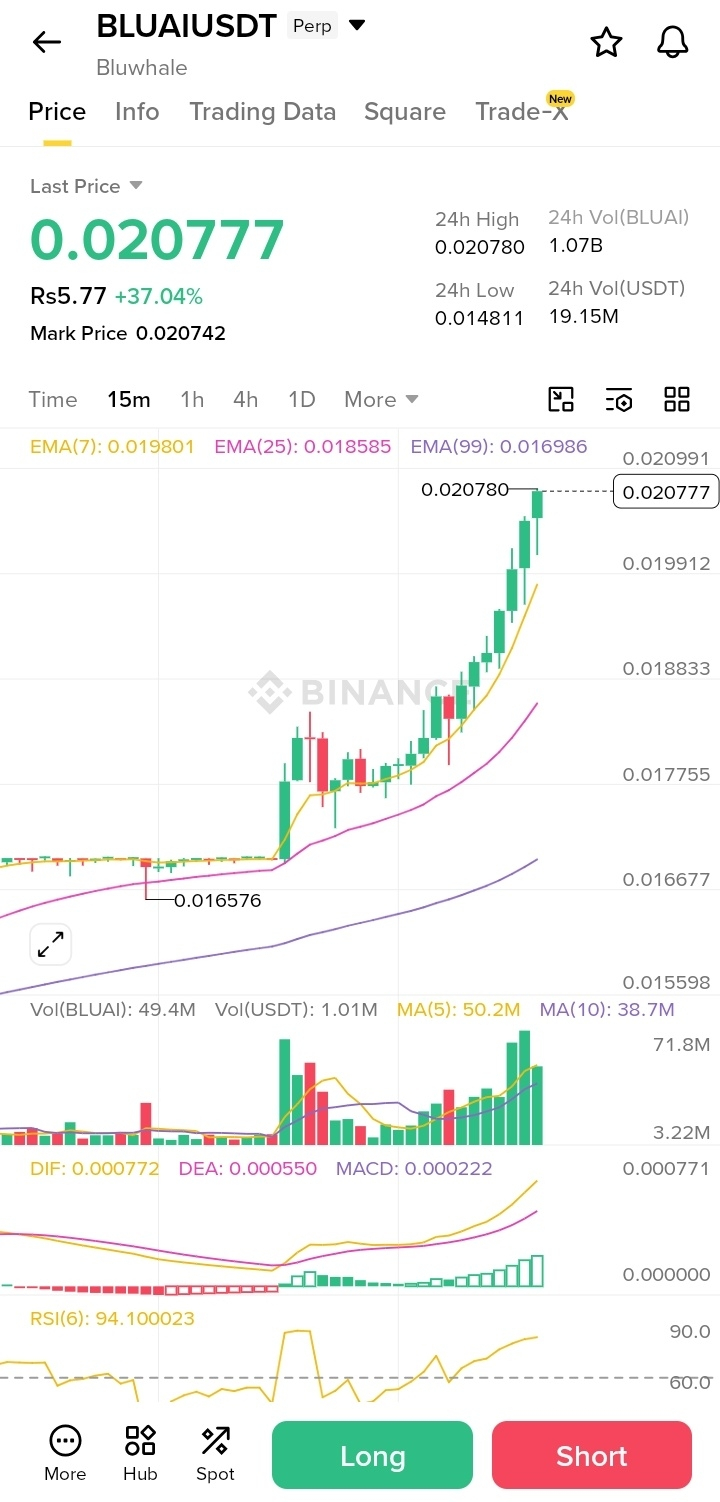
$BLUAI USDT-Marktnachrichten: Die Bullen bleiben in vollem Umfang unter Kontrolle, während der Momentum sich beschleunigt
BLUAIUSDT zeigt heute auf den unteren Zeiteinheiten eine der stärksten bullischen Strukturen. Käufer dominieren weiterhin die Kursbewegung und treiben den Markt zu neuen Intraday-Höchstständen, während gleichzeitig ein gesunder Trend beibehalten wird, der durch ansteigendes Handelsvolumen und starke technische Indikatoren gestützt wird.
Zum Zeitpunkt dieses Updates:
Aktueller Preis: $0.020777
Performance in 24 Std.: +37.04%
Marktpreis: $0.020742
24H-Hoch: $0.020780
24H-Tief: $0.014811
24H-Volumen (BLUAI): 1,07 Milliarden
24H-Volumen (USDT): 19,15 Millionen
Diese beeindruckende Performance der letzten 24 Stunden bestätigt, dass die Kaufnachfrage weiterhin extrem stark ist—mit sowohl Preis als auch Volumen, die sich gemeinsam ausweiten. Das ist im Allgemeinen ein positives Zeichen für die Fortsetzung des Trends.
Kontrolle, während der Momentum sich beschleunigt
BLUAIUSDT zeigt heute auf den unteren Zeiteinheiten eine der stärksten bullischen Strukturen. Käufer dominieren weiterhin die Kursbewegung und treiben den Markt zu neuen Intraday-Höchstständen, während gleichzeitig ein gesunder Trend beibehalten wird, der durch ansteigendes Handelsvolumen und starke technische Indikatoren gestützt wird.
Zum Zeitpunkt dieses Updates:
Aktueller Preis: $0.020777
Performance in 24 Std.: +37.04%
Marktpreis: $0.020742
24H-Hoch: $0.020780
24H-Tief: $0.014811
24H-Volumen (BLUAI): 1,07 Milliarden
24H-Volumen (USDT): 19,15 Millionen
Diese beeindruckende Performance der letzten 24 Stunden bestätigt, dass die Kaufnachfrage weiterhin extrem stark ist—mit sowohl Preis als auch Volumen, die sich gemeinsam ausweiten. Das ist im Allgemeinen ein positives Zeichen für die Fortsetzung des Trends.
{future}(BLUAIUSDT)
$EVAA
{future}(EVAAUSDT)
$POWER
{future}(POWERUSDT)
$BLUAI USDT-Marktnachrichten: Die Bullen bleiben in vollem Umfang unter Kontrolle, während der Momentum sich beschleunigt
BLUAIUSDT zeigt heute auf den unteren Zeiteinheiten eine der stärksten bullischen Strukturen. Käufer dominieren weiterhin die Kursbewegung und treiben den Markt zu neuen Intraday-Höchstständen, während gleichzeitig ein gesunder Trend beibehalten wird, der durch ansteigendes Handelsvolumen und starke technische Indikatoren gestützt wird.
Zum Zeitpunkt dieses Updates:
Aktueller Preis: $0.020777
Performance in 24 Std.: +37.04%
Marktpreis: $0.020742
24H-Hoch: $0.020780
24H-Tief: $0.014811
24H-Volumen (BLUAI): 1,07 Milliarden
24H-Volumen (USDT): 19,15 Millionen
Diese beeindruckende Performance der letzten 24 Stunden bestätigt, dass die Kaufnachfrage weiterhin extrem stark ist—mit sowohl Preis als auch Volumen, die sich gemeinsam ausweiten. Das ist im Allgemeinen ein positives Zeichen für die Fortsetzung des Trends.
Kontrolle, während der Momentum sich beschleunigt
BLUAIUSDT zeigt heute auf den unteren Zeiteinheiten eine der stärksten bullischen Strukturen. Käufer dominieren weiterhin die Kursbewegung und treiben den Markt zu neuen Intraday-Höchstständen, während gleichzeitig ein gesunder Trend beibehalten wird, der durch ansteigendes Handelsvolumen und starke technische Indikatoren gestützt wird.
Zum Zeitpunkt dieses Updates:
Aktueller Preis: $0.020777
Performance in 24 Std.: +37.04%
Marktpreis: $0.020742
24H-Hoch: $0.020780
24H-Tief: $0.014811
24H-Volumen (BLUAI): 1,07 Milliarden
24H-Volumen (USDT): 19,15 Millionen
Diese beeindruckende Performance der letzten 24 Stunden bestätigt, dass die Kaufnachfrage weiterhin extrem stark ist—mit sowohl Preis als auch Volumen, die sich gemeinsam ausweiten. Das ist im Allgemeinen ein positives Zeichen für die Fortsetzung des Trends.
$EVAA
$POWER
BLUAIUSDT zeigt heute auf den unteren Zeiteinheiten eine der stärksten bullischen Strukturen. Käufer dominieren weiterhin die Kursbewegung und treiben den Markt zu neuen Intraday-Höchstständen, während gleichzeitig ein gesunder Trend beibehalten wird, der durch ansteigendes Handelsvolumen und starke technische Indikatoren gestützt wird.
Zum Zeitpunkt dieses Updates:
Aktueller Preis: $0.020777
Performance in 24 Std.: +37.04%
Marktpreis: $0.020742
24H-Hoch: $0.020780
24H-Tief: $0.014811
24H-Volumen (BLUAI): 1,07 Milliarden
24H-Volumen (USDT): 19,15 Millionen
Diese beeindruckende Performance der letzten 24 Stunden bestätigt, dass die Kaufnachfrage weiterhin extrem stark ist—mit sowohl Preis als auch Volumen, die sich gemeinsam ausweiten. Das ist im Allgemeinen ein positives Zeichen für die Fortsetzung des Trends.
Kontrolle, während der Momentum sich beschleunigt
BLUAIUSDT zeigt heute auf den unteren Zeiteinheiten eine der stärksten bullischen Strukturen. Käufer dominieren weiterhin die Kursbewegung und treiben den Markt zu neuen Intraday-Höchstständen, während gleichzeitig ein gesunder Trend beibehalten wird, der durch ansteigendes Handelsvolumen und starke technische Indikatoren gestützt wird.
Zum Zeitpunkt dieses Updates:
Aktueller Preis: $0.020777
Performance in 24 Std.: +37.04%
Marktpreis: $0.020742
24H-Hoch: $0.020780
24H-Tief: $0.014811
24H-Volumen (BLUAI): 1,07 Milliarden
24H-Volumen (USDT): 19,15 Millionen
Diese beeindruckende Performance der letzten 24 Stunden bestätigt, dass die Kaufnachfrage weiterhin extrem stark ist—mit sowohl Preis als auch Volumen, die sich gemeinsam ausweiten. Das ist im Allgemeinen ein positives Zeichen für die Fortsetzung des Trends.
$EVAA
$POWER
3
638
·
--
Bullisch
💛 Eine bescheidene Bitte an das Binance-Team 🙏💛
Sehr geehrte Damen und Herren, @Binance Square Official
@CZ
@richardteng
@bullish_banter
@cryptonexus_btc 💛
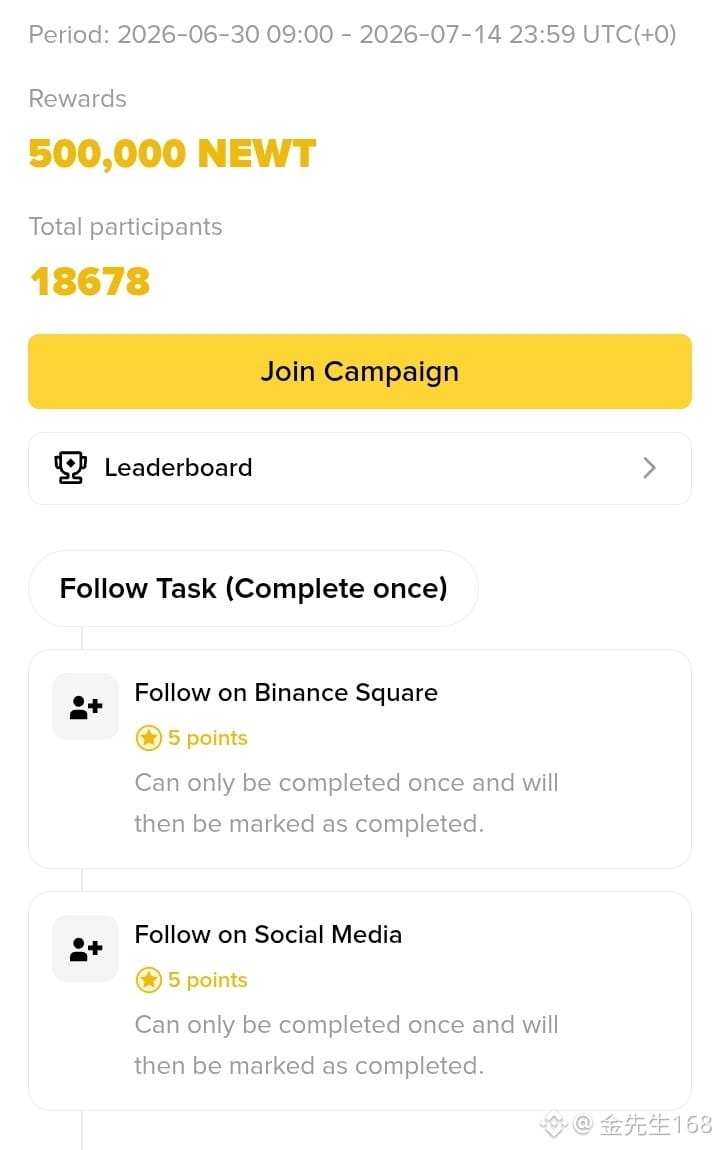
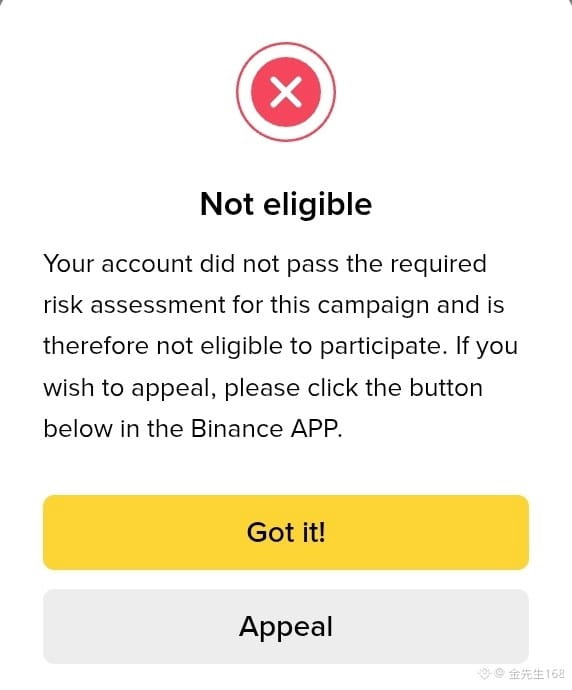
Ich bitte Sie aufrichtig, mein Konto noch einmal zu überprüfen. 🙏 Mein Konto ist derzeit als Nicht berechtigt ❌ markiert, und ich ersuche respektvoll um eine weitere Gelegenheit. 🌟
Das Erstellen wertvoller Bildungsinhalte 📚✍️ für die Binance-Community macht mir wirklich Freude. 💛 Mein Ziel ist es, positiv beizutragen 🤝, Nutzern beim Lernen zu helfen 🎓 und das Wachstum des Binance-Ökosystems 🚀 durch kontinuierlich hochwertige Inhalte zu unterstützen. ✨
Falls es irgendein Problem mit meinem Konto gab, bitte ich demütig um eine zweite Chance. 🙏💙 Ich verpflichte mich, alle Community-Richtlinien 📜✅ einzuhalten und meine Arbeit kontinuierlich zu verbessern. 📈
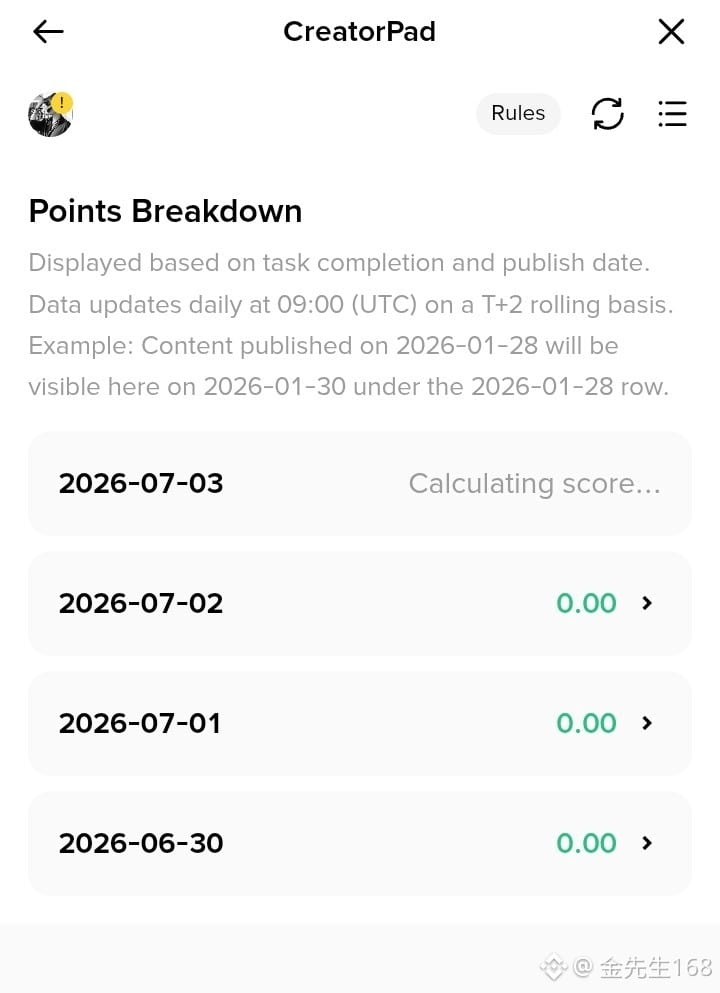
Bitte erwägen Sie, mein Konto wieder als berechtigt ✅ zu markieren, damit ich an den bevorstehenden CreatorPad-Kampagnen 🎯 teilnehmen kann, Punkte durch meine echten Bemühungen 💪 verdienen und beweisen kann, dass ich ein wertvoller Beitrag für die Community sein kann. 🌍💛
Ich bin bereit, hart zu arbeiten 💼🔥, konsequent zu bleiben 📅 und die Binance-Community mit Ehrlichkeit 🤍 und Engagement zu vertreten. 💛
Vielen Dank für Ihre Zeit ⏳, Ihr Verständnis 🤝 und dafür, Creator auf der ganzen Welt zu unterstützen. 🌎💛 Ich hoffe wirklich, dass Sie mir die Möglichkeit geben werden, erneut beizutragen. 🙏✨
💛 Vielen Dank, Binance-Team! 🚀
#Binance #BinanceSquareFamily #CreatorPad #BinanceCommunity #BinanceSquare
$EVAA
{future}(EVAAUSDT)
$LAB
{future}(LABUSDT)
💛 Eine bescheidene Bitte an das Binance-Team 🙏💛
Sehr geehrte Damen und Herren, @Binance Square Official
@CZ
@Richard Teng
@BullishBanter
@BlockchainBaller 💛
Ich bitte Sie aufrichtig, mein Konto noch einmal zu überprüfen. 🙏 Mein Konto ist derzeit als Nicht berechtigt ❌ markiert, und ich ersuche respektvoll um eine weitere Gelegenheit. 🌟
Das Erstellen wertvoller Bildungsinhalte 📚✍️ für die Binance-Community macht mir wirklich Freude. 💛 Mein Ziel ist es, positiv beizutragen 🤝, Nutzern beim Lernen zu helfen 🎓 und das Wachstum des Binance-Ökosystems 🚀 durch kontinuierlich hochwertige Inhalte zu unterstützen. ✨
Falls es irgendein Problem mit meinem Konto gab, bitte ich demütig um eine zweite Chance. 🙏💙 Ich verpflichte mich, alle Community-Richtlinien 📜✅ einzuhalten und meine Arbeit kontinuierlich zu verbessern. 📈
Bitte erwägen Sie, mein Konto wieder als berechtigt ✅ zu markieren, damit ich an den bevorstehenden CreatorPad-Kampagnen 🎯 teilnehmen kann, Punkte durch meine echten Bemühungen 💪 verdienen und beweisen kann, dass ich ein wertvoller Beitrag für die Community sein kann. 🌍💛
Ich bin bereit, hart zu arbeiten 💼🔥, konsequent zu bleiben 📅 und die Binance-Community mit Ehrlichkeit 🤍 und Engagement zu vertreten. 💛
Vielen Dank für Ihre Zeit ⏳, Ihr Verständnis 🤝 und dafür, Creator auf der ganzen Welt zu unterstützen. 🌎💛 Ich hoffe wirklich, dass Sie mir die Möglichkeit geben werden, erneut beizutragen. 🙏✨
💛 Vielen Dank, Binance-Team! 🚀
#Binance #BinanceSquareFamily #CreatorPad #BinanceCommunity #BinanceSquare
$EVAA
$LAB
Sehr geehrte Damen und Herren, @Binance Square Official
@CZ
@Richard Teng
@BullishBanter
@BlockchainBaller 💛
Ich bitte Sie aufrichtig, mein Konto noch einmal zu überprüfen. 🙏 Mein Konto ist derzeit als Nicht berechtigt ❌ markiert, und ich ersuche respektvoll um eine weitere Gelegenheit. 🌟
Das Erstellen wertvoller Bildungsinhalte 📚✍️ für die Binance-Community macht mir wirklich Freude. 💛 Mein Ziel ist es, positiv beizutragen 🤝, Nutzern beim Lernen zu helfen 🎓 und das Wachstum des Binance-Ökosystems 🚀 durch kontinuierlich hochwertige Inhalte zu unterstützen. ✨
Falls es irgendein Problem mit meinem Konto gab, bitte ich demütig um eine zweite Chance. 🙏💙 Ich verpflichte mich, alle Community-Richtlinien 📜✅ einzuhalten und meine Arbeit kontinuierlich zu verbessern. 📈
Bitte erwägen Sie, mein Konto wieder als berechtigt ✅ zu markieren, damit ich an den bevorstehenden CreatorPad-Kampagnen 🎯 teilnehmen kann, Punkte durch meine echten Bemühungen 💪 verdienen und beweisen kann, dass ich ein wertvoller Beitrag für die Community sein kann. 🌍💛
Ich bin bereit, hart zu arbeiten 💼🔥, konsequent zu bleiben 📅 und die Binance-Community mit Ehrlichkeit 🤍 und Engagement zu vertreten. 💛
Vielen Dank für Ihre Zeit ⏳, Ihr Verständnis 🤝 und dafür, Creator auf der ganzen Welt zu unterstützen. 🌎💛 Ich hoffe wirklich, dass Sie mir die Möglichkeit geben werden, erneut beizutragen. 🙏✨
💛 Vielen Dank, Binance-Team! 🚀
#Binance #BinanceSquareFamily #CreatorPad #BinanceCommunity #BinanceSquare
$EVAA
$LAB
@CZ 😭😭😭
40%
@Richard teng 😭😭
0%
@Binance 😭😭😭
60%
5 Stimmen • Abstimmung beendet
1
4
1.1k
·
--
Bullisch
Der Kryptomarkt wirkt wieder aktiver. Bitcoin hält sich über wichtigen Unterstützungsniveaus, und wir sehen frisches Interesse, das in Altcoins fließt. Die Stimmung ist definitiv besser geworden als letzte Woche, aber Volatilität bleibt Teil des Spiels – daher ist Disziplin wichtiger denn je.
Aktuelles Update
Binance erweitert sein Ökosystem weiterhin durch neue Listings, Launchpool-Möglichkeiten sowie Verbesserungen an der Binance Wallet und den Alpha-Projekten. Diese Updates rücken Frühphasen-Tokens stärker in den Fokus und geben der Community mehr Möglichkeiten zur Teilnahme.
Rückblick auf die vergangene Woche
In den letzten 7 Tagen blieb Bitcoin relativ stabil und verteidigte wichtige Unterstützungsniveaus. KI-, DeFi- und Meme-Tokens gehörten zu den stärksten Performern. Die On-Chain-Aktivität nahm zu, als Trader in höheres Risiko wechselten. Der Markt verzeichnete außerdem gesundes Kaufinteresse, obwohl ein Teil der Gewinne zunächst zu kurzfristigen Rücksetzern führte.
Eine einfache Strategie
Folge dem Trend, statt Pumps hinterherzulaufen.
Hab Geduld und warte auf bessere Einstiegsmöglichkeiten.
Setze immer einen Stop-Loss ein, um das Risiko zu steuern.
Nimm Gewinne schrittweise mit, statt auf das perfekte Top zu warten.
Mach deine eigene Recherche und riskiere niemals mehr, als du dir leisten kannst zu verlieren.
Am Ende des Tages geht es bei Right to Earn nicht darum, jeden Pump zu erwischen. Es geht darum, geduldig zu bleiben, Risiken zu managen und klügere Entscheidungen zu treffen, die sich langfristig auszahlen.
$CAP
{future}(CAPUSDT)
$VANRY
{spot}(VANRYUSDT)
$YFI
{spot}(YFIUSDT)
#BinanceTurns9
#BitcoinUpNearly7%ThisWeek
#EtherUp12.4%Weekly #DowTops53000FirstTime
#BinanceTurns9
Der Kryptomarkt wirkt wieder aktiver. Bitcoin hält sich über wichtigen Unterstützungsniveaus, und wir sehen frisches Interesse, das in Altcoins fließt. Die Stimmung ist definitiv besser geworden als letzte Woche, aber Volatilität bleibt Teil des Spiels – daher ist Disziplin wichtiger denn je.
Aktuelles Update
Binance erweitert sein Ökosystem weiterhin durch neue Listings, Launchpool-Möglichkeiten sowie Verbesserungen an der Binance Wallet und den Alpha-Projekten. Diese Updates rücken Frühphasen-Tokens stärker in den Fokus und geben der Community mehr Möglichkeiten zur Teilnahme.
Rückblick auf die vergangene Woche
In den letzten 7 Tagen blieb Bitcoin relativ stabil und verteidigte wichtige Unterstützungsniveaus. KI-, DeFi- und Meme-Tokens gehörten zu den stärksten Performern. Die On-Chain-Aktivität nahm zu, als Trader in höheres Risiko wechselten. Der Markt verzeichnete außerdem gesundes Kaufinteresse, obwohl ein Teil der Gewinne zunächst zu kurzfristigen Rücksetzern führte.
Eine einfache Strategie
Folge dem Trend, statt Pumps hinterherzulaufen.
Hab Geduld und warte auf bessere Einstiegsmöglichkeiten.
Setze immer einen Stop-Loss ein, um das Risiko zu steuern.
Nimm Gewinne schrittweise mit, statt auf das perfekte Top zu warten.
Mach deine eigene Recherche und riskiere niemals mehr, als du dir leisten kannst zu verlieren.
Am Ende des Tages geht es bei Right to Earn nicht darum, jeden Pump zu erwischen. Es geht darum, geduldig zu bleiben, Risiken zu managen und klügere Entscheidungen zu treffen, die sich langfristig auszahlen.
$CAP
$VANRY
$YFI
#BinanceTurns9
#BitcoinUpNearly7%ThisWeek
#EtherUp12.4%Weekly #DowTops53000FirstTime
#BinanceTurns9
Aktuelles Update
Binance erweitert sein Ökosystem weiterhin durch neue Listings, Launchpool-Möglichkeiten sowie Verbesserungen an der Binance Wallet und den Alpha-Projekten. Diese Updates rücken Frühphasen-Tokens stärker in den Fokus und geben der Community mehr Möglichkeiten zur Teilnahme.
Rückblick auf die vergangene Woche
In den letzten 7 Tagen blieb Bitcoin relativ stabil und verteidigte wichtige Unterstützungsniveaus. KI-, DeFi- und Meme-Tokens gehörten zu den stärksten Performern. Die On-Chain-Aktivität nahm zu, als Trader in höheres Risiko wechselten. Der Markt verzeichnete außerdem gesundes Kaufinteresse, obwohl ein Teil der Gewinne zunächst zu kurzfristigen Rücksetzern führte.
Eine einfache Strategie
Folge dem Trend, statt Pumps hinterherzulaufen.
Hab Geduld und warte auf bessere Einstiegsmöglichkeiten.
Setze immer einen Stop-Loss ein, um das Risiko zu steuern.
Nimm Gewinne schrittweise mit, statt auf das perfekte Top zu warten.
Mach deine eigene Recherche und riskiere niemals mehr, als du dir leisten kannst zu verlieren.
Am Ende des Tages geht es bei Right to Earn nicht darum, jeden Pump zu erwischen. Es geht darum, geduldig zu bleiben, Risiken zu managen und klügere Entscheidungen zu treffen, die sich langfristig auszahlen.
$CAP
$VANRY
$YFI
#BinanceTurns9
#BitcoinUpNearly7%ThisWeek
#EtherUp12.4%Weekly #DowTops53000FirstTime
#BinanceTurns9
🚀 Market Momentum
50%
🛡️ Risk First
25%
📈 Smart Decisions
25%
4 Stimmen • Abstimmung beendet
2
2
607
·
--
Bullisch
💛 Eine bescheidene Bitte an das Binance-Team 🙏💛
Sehr geehrte Damen und Herren, @Binance_Square_Official
@CZ
@richardteng
@bullish_banter
@cryptonexus_btc 💛
Ich bitte Sie inständig, mein Konto noch einmal zu prüfen. 🙏 Mein Konto ist derzeit als „Nicht berechtigt“ ❌ markiert, und ich bitte respektvoll um eine weitere Gelegenheit. 🌟
Wertvollen Bildungsinhalt 📚✍️ für die Binance-Community zu erstellen, macht mir wirklich Freude. 💛 Mein Ziel ist es, positiv beizutragen 🤝, Nutzern beim Lernen zu helfen 🎓 und das Wachstum des Binance-Ökosystems 🚀 durch kontinuierlich hochwertigen Content zu unterstützen. ✨
Falls es irgendwelche Probleme mit meinem Konto gab, bitte ich demütig um eine zweite Chance. 🙏💙 Ich verpflichte mich, alle Community-Richtlinien 📜✅ einzuhalten und meine Arbeit fortlaufend zu verbessern. 📈
Bitte erwägen Sie, mein Konto ✅ erneut als berechtigt zu markieren, damit ich an den bevorstehenden CreatorPad-Kampagnen 🎯 teilnehmen kann, Punkte durch meine echten Bemühungen 💪 verdienen und beweisen kann, dass ich ein wertvoller Beitrag für die Community sein kann. 🌍💛
Ich bin bereit, hart zu arbeiten 💼🔥, konsequent zu bleiben 📅 und die Binance-Community mit Ehrlichkeit 🤍 und Hingabe zu vertreten. 💛
Vielen Dank für Ihre Zeit ⏳, Ihr Verständnis 🤝 und dafür, dass Sie Creator auf der ganzen Welt unterstützen. 🌎💛 Ich hoffe wirklich, dass Sie mir die Möglichkeit geben werden, erneut beizutragen. 🙏✨
💛 Vielen Dank, Binance-Team! 🚀
#Binance #BinanceSquareFamily #CreatorPad #BinanceCommunity #BinanceSquare
💛 Eine bescheidene Bitte an das Binance-Team 🙏💛
Sehr geehrte Damen und Herren, @Binance Square Official
@CZ
@Richard Teng
@BullishBanter
@BlockchainBaller 💛
Ich bitte Sie inständig, mein Konto noch einmal zu prüfen. 🙏 Mein Konto ist derzeit als „Nicht berechtigt“ ❌ markiert, und ich bitte respektvoll um eine weitere Gelegenheit. 🌟
Wertvollen Bildungsinhalt 📚✍️ für die Binance-Community zu erstellen, macht mir wirklich Freude. 💛 Mein Ziel ist es, positiv beizutragen 🤝, Nutzern beim Lernen zu helfen 🎓 und das Wachstum des Binance-Ökosystems 🚀 durch kontinuierlich hochwertigen Content zu unterstützen. ✨
Falls es irgendwelche Probleme mit meinem Konto gab, bitte ich demütig um eine zweite Chance. 🙏💙 Ich verpflichte mich, alle Community-Richtlinien 📜✅ einzuhalten und meine Arbeit fortlaufend zu verbessern. 📈
Bitte erwägen Sie, mein Konto ✅ erneut als berechtigt zu markieren, damit ich an den bevorstehenden CreatorPad-Kampagnen 🎯 teilnehmen kann, Punkte durch meine echten Bemühungen 💪 verdienen und beweisen kann, dass ich ein wertvoller Beitrag für die Community sein kann. 🌍💛
Ich bin bereit, hart zu arbeiten 💼🔥, konsequent zu bleiben 📅 und die Binance-Community mit Ehrlichkeit 🤍 und Hingabe zu vertreten. 💛
Vielen Dank für Ihre Zeit ⏳, Ihr Verständnis 🤝 und dafür, dass Sie Creator auf der ganzen Welt unterstützen. 🌎💛 Ich hoffe wirklich, dass Sie mir die Möglichkeit geben werden, erneut beizutragen. 🙏✨
💛 Vielen Dank, Binance-Team! 🚀
#Binance #BinanceSquareFamily #CreatorPad #BinanceCommunity #BinanceSquare
Sehr geehrte Damen und Herren, @Binance Square Official
@CZ
@Richard Teng
@BullishBanter
@BlockchainBaller 💛
Ich bitte Sie inständig, mein Konto noch einmal zu prüfen. 🙏 Mein Konto ist derzeit als „Nicht berechtigt“ ❌ markiert, und ich bitte respektvoll um eine weitere Gelegenheit. 🌟
Wertvollen Bildungsinhalt 📚✍️ für die Binance-Community zu erstellen, macht mir wirklich Freude. 💛 Mein Ziel ist es, positiv beizutragen 🤝, Nutzern beim Lernen zu helfen 🎓 und das Wachstum des Binance-Ökosystems 🚀 durch kontinuierlich hochwertigen Content zu unterstützen. ✨
Falls es irgendwelche Probleme mit meinem Konto gab, bitte ich demütig um eine zweite Chance. 🙏💙 Ich verpflichte mich, alle Community-Richtlinien 📜✅ einzuhalten und meine Arbeit fortlaufend zu verbessern. 📈
Bitte erwägen Sie, mein Konto ✅ erneut als berechtigt zu markieren, damit ich an den bevorstehenden CreatorPad-Kampagnen 🎯 teilnehmen kann, Punkte durch meine echten Bemühungen 💪 verdienen und beweisen kann, dass ich ein wertvoller Beitrag für die Community sein kann. 🌍💛
Ich bin bereit, hart zu arbeiten 💼🔥, konsequent zu bleiben 📅 und die Binance-Community mit Ehrlichkeit 🤍 und Hingabe zu vertreten. 💛
Vielen Dank für Ihre Zeit ⏳, Ihr Verständnis 🤝 und dafür, dass Sie Creator auf der ganzen Welt unterstützen. 🌎💛 Ich hoffe wirklich, dass Sie mir die Möglichkeit geben werden, erneut beizutragen. 🙏✨
💛 Vielen Dank, Binance-Team! 🚀
#Binance #BinanceSquareFamily #CreatorPad #BinanceCommunity #BinanceSquare

2
4
151
·
--
Ich bin lange genug im Krypto-Umfeld, um zu sehen, wie jeder Zyklus eine neue Art mit sich bringt, die Idee von Vertrauen zu verkaufen. Erst war es Dezentralisierung, dann Transparenz, und jetzt scheint KI denselben Weg zu gehen. Die meisten dieser Geschichten klingen überzeugend, bis man ein wenig Zeit damit verbringt, unter die Motorhaube zu schauen. Deshalb ist mir OpenGradient hängen geblieben. Es war nicht die Behauptung der Privatsphäre, die mich erwischt hat. Es war die Tatsache, dass es versucht, das auch zu beweisen. Hardware-Attestation, verschlüsselte Inferenz, Identität entfernt, bevor das Modell überhaupt den Prompt sieht … das fühlt sich anders an als eine weitere Datenschutzrichtlinie, die mich bittet, ihr einfach zu glauben.
Ich sage nicht, dass das alles verändert. Ich habe zu viele gute Ideen gesehen, die ihren Vorteil verlieren, sobald echte Menschen sie nutzen. Der Teil, an den ich immer wieder denke, ist: Der Beweis ist nur dann nützlich, wenn auch wirklich jemand nachprüft. Die meisten werden das nicht. Sie lesen die Antwort, gehen davon aus, dass alles funktioniert hat, und machen weiter. Dieses Muster habe ich schon einmal gesehen. Wir haben jahrelang über vertrauenslose Systeme gesprochen, aber die meisten von uns nehmen trotzdem nicht die Mühe, das zu verifizieren, was direkt vor ihnen liegt. Vielleicht ist genau das der Teil, der sich nie wirklich ändert. Die Technik kann Annahmen entfernen, aber sie kann nicht dafür sorgen, dass Menschen genug Interesse haben, um sie zu prüfen.
@OpenGradient #OPG $OPG
{spot}(OPGUSDT)
Ich bin lange genug im Krypto-Umfeld, um zu sehen, wie jeder Zyklus eine neue Art mit sich bringt, die Idee von Vertrauen zu verkaufen. Erst war es Dezentralisierung, dann Transparenz, und jetzt scheint KI denselben Weg zu gehen. Die meisten dieser Geschichten klingen überzeugend, bis man ein wenig Zeit damit verbringt, unter die Motorhaube zu schauen. Deshalb ist mir OpenGradient hängen geblieben. Es war nicht die Behauptung der Privatsphäre, die mich erwischt hat. Es war die Tatsache, dass es versucht, das auch zu beweisen. Hardware-Attestation, verschlüsselte Inferenz, Identität entfernt, bevor das Modell überhaupt den Prompt sieht … das fühlt sich anders an als eine weitere Datenschutzrichtlinie, die mich bittet, ihr einfach zu glauben.
Ich sage nicht, dass das alles verändert. Ich habe zu viele gute Ideen gesehen, die ihren Vorteil verlieren, sobald echte Menschen sie nutzen. Der Teil, an den ich immer wieder denke, ist: Der Beweis ist nur dann nützlich, wenn auch wirklich jemand nachprüft. Die meisten werden das nicht. Sie lesen die Antwort, gehen davon aus, dass alles funktioniert hat, und machen weiter. Dieses Muster habe ich schon einmal gesehen. Wir haben jahrelang über vertrauenslose Systeme gesprochen, aber die meisten von uns nehmen trotzdem nicht die Mühe, das zu verifizieren, was direkt vor ihnen liegt. Vielleicht ist genau das der Teil, der sich nie wirklich ändert. Die Technik kann Annahmen entfernen, aber sie kann nicht dafür sorgen, dass Menschen genug Interesse haben, um sie zu prüfen.
@OpenGradient #OPG $OPG
Ich sage nicht, dass das alles verändert. Ich habe zu viele gute Ideen gesehen, die ihren Vorteil verlieren, sobald echte Menschen sie nutzen. Der Teil, an den ich immer wieder denke, ist: Der Beweis ist nur dann nützlich, wenn auch wirklich jemand nachprüft. Die meisten werden das nicht. Sie lesen die Antwort, gehen davon aus, dass alles funktioniert hat, und machen weiter. Dieses Muster habe ich schon einmal gesehen. Wir haben jahrelang über vertrauenslose Systeme gesprochen, aber die meisten von uns nehmen trotzdem nicht die Mühe, das zu verifizieren, was direkt vor ihnen liegt. Vielleicht ist genau das der Teil, der sich nie wirklich ändert. Die Technik kann Annahmen entfernen, aber sie kann nicht dafür sorgen, dass Menschen genug Interesse haben, um sie zu prüfen.
@OpenGradient #OPG $OPG
13
7
194
·
--
Bullisch
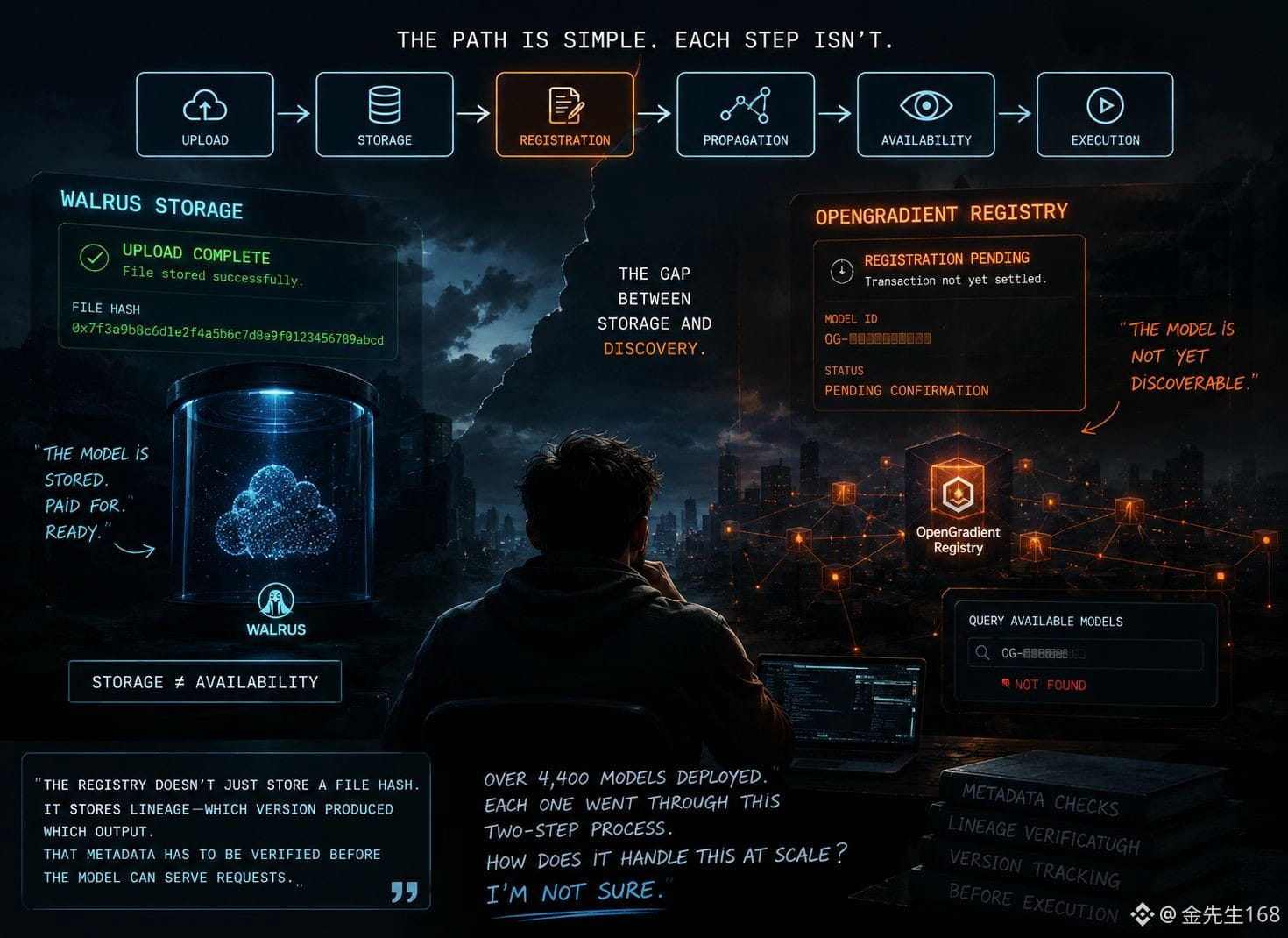
Ich kenne diesen Markt lange genug, um zu merken, wenn etwas nicht ganz stimmt. Das war nicht laut oder dramatisch. Es war einfach… anders. Ein Modell-Upload kam als erfolgreich zurück, der Hash stimmte, aber das Modell erschien nie dort, wo ich es erwartet hatte. Ich habe so etwas schon öfter gesehen, nur in unterschiedlichen Formen. Ein Teil des Systems erledigt seine Aufgabe, während ein anderer still zurückbleibt – und irgendwo fangen die Leute dann an, das „eventuelle Konsistenz“ zu nennen, als würde das alles erklären.
Speicher ist nicht dasselbe wie Verfügbarkeit. Es klingt offensichtlich, bis du dort sitzt und ein Registry aktualisierst, das noch nicht nachgezogen hat, während alle anderen davon ausgehen, dass das Modell bereits live ist. Ich vertraue dieser Trennung immer noch nicht vollständig. Jeder zusätzliche Schritt schafft eine weitere Chance für Verzögerungen, Verwirrung oder etwas, das einfach nicht so funktioniert, wie es sollte. In Krypto erzählen diese stillen Lücken meistens mehr als jede Schlagzeile.
Vielleicht skaliert das System ja ganz gut. Vielleicht hält ein Batching-Prozess im Hintergrund alles in Bewegung. Ich weiß es noch nicht. Aber irgendetwas daran bleibt bei mir hängen, weil es sich wie ein altes Problem anfühlt, das ein neueres Gesicht trägt: Das Netzwerk kann „fertig“ sagen, lange bevor das System tatsächlich bereit ist.
@OpenGradient $OPG #OPG
{spot}(OPGUSDT)
Ich kenne diesen Markt lange genug, um zu merken, wenn etwas nicht ganz stimmt. Das war nicht laut oder dramatisch. Es war einfach… anders. Ein Modell-Upload kam als erfolgreich zurück, der Hash stimmte, aber das Modell erschien nie dort, wo ich es erwartet hatte. Ich habe so etwas schon öfter gesehen, nur in unterschiedlichen Formen. Ein Teil des Systems erledigt seine Aufgabe, während ein anderer still zurückbleibt – und irgendwo fangen die Leute dann an, das „eventuelle Konsistenz“ zu nennen, als würde das alles erklären.
Speicher ist nicht dasselbe wie Verfügbarkeit. Es klingt offensichtlich, bis du dort sitzt und ein Registry aktualisierst, das noch nicht nachgezogen hat, während alle anderen davon ausgehen, dass das Modell bereits live ist. Ich vertraue dieser Trennung immer noch nicht vollständig. Jeder zusätzliche Schritt schafft eine weitere Chance für Verzögerungen, Verwirrung oder etwas, das einfach nicht so funktioniert, wie es sollte. In Krypto erzählen diese stillen Lücken meistens mehr als jede Schlagzeile.
Vielleicht skaliert das System ja ganz gut. Vielleicht hält ein Batching-Prozess im Hintergrund alles in Bewegung. Ich weiß es noch nicht. Aber irgendetwas daran bleibt bei mir hängen, weil es sich wie ein altes Problem anfühlt, das ein neueres Gesicht trägt: Das Netzwerk kann „fertig“ sagen, lange bevor das System tatsächlich bereit ist.
@OpenGradient $OPG #OPG
Speicher ist nicht dasselbe wie Verfügbarkeit. Es klingt offensichtlich, bis du dort sitzt und ein Registry aktualisierst, das noch nicht nachgezogen hat, während alle anderen davon ausgehen, dass das Modell bereits live ist. Ich vertraue dieser Trennung immer noch nicht vollständig. Jeder zusätzliche Schritt schafft eine weitere Chance für Verzögerungen, Verwirrung oder etwas, das einfach nicht so funktioniert, wie es sollte. In Krypto erzählen diese stillen Lücken meistens mehr als jede Schlagzeile.
Vielleicht skaliert das System ja ganz gut. Vielleicht hält ein Batching-Prozess im Hintergrund alles in Bewegung. Ich weiß es noch nicht. Aber irgendetwas daran bleibt bei mir hängen, weil es sich wie ein altes Problem anfühlt, das ein neueres Gesicht trägt: Das Netzwerk kann „fertig“ sagen, lange bevor das System tatsächlich bereit ist.
@OpenGradient $OPG #OPG
34
23
576
Anmelden und weiter Inhalte entdecken
Krypto-Nutzer weltweit auf Binance Square kennenlernen
⚡️ Bleib in Sachen Krypto stets am Puls.
💬 Die weltgrößte Kryptobörse vertraut darauf.
👍 Erhalte verlässliche Einblicke von verifizierten Creators.
E-Mail-Adresse/Telefonnummer
Trendthemen
BinancePick
3.1M Aufrufe
154,784 Kommentare
Mach bei #Gewinnsaison mit: Prognostiziere Unternehmensergebnisse auf Binance Pick und teile deine Meinung auf Binance Square!
Binance Square Official
·413 Likes
·343.6k Aufrufe
EarningsSeason
5.3M Aufrufe
26,115 Kommentare
AnthropicTTMRevenueGrewAbout1200%
37,518 Aufrufe
460 Kommentare