

MR _ B I L A L
7.2k Beiträge

MR _ B I L A L
Melden
Nutzer blockieren
342 Following
21.5K+ Follower
11.6K+ Like gegeben
Beiträge
Alle
Zitierungen
Live
CPI-KOCHER: WIRD DIE FED ERHÖHEN ODER HALTEN?
Der Markt hat gerade einen weiteren Grund bekommen, angespannt zu bleiben.
Die August-Nonfarm-Payrolls fielen mit starken 162.000 aus, während der heutige CPI zeigte, dass die Inflation weiterhin bei 3,4 % im Jahresvergleich liegt, mit einem Core CPI von 2,4 %. Das 2 %-Inflationsziel der Fed ist noch immer nicht in greifbarer Nähe.
Also die große Frage: Erhöhen oder Halten?
Meine Einschätzung: Die Daten liefern der hawkischen Seite mehr Munition. Ein stärkerer Arbeitsmarkt + eine hartnäckige Inflation könnten es der Fed schwer machen, eine bequeme Pause zu rechtfertigen.
Aber Märkte können sich schnell bewegen—und manchmal wird der naheliegende Trade zur gefährlichen Wette.
📈 Bullisch: Wenn die Märkte über die Zinserhöhung hinausblicken und auf die wirtschaftliche Widerstandsfähigkeit fokussieren, könnten die Aktien weiterhin nach oben drängen.
🥇 Gold: Wenn die Inflation hartnäckig bleibt und die Unsicherheit zunimmt, könnte Gold fest auf dem Radar der Trader bleiben.
📉 Abwärtsrisiko: Ein stärker als erwartet ausfallendes Straffungssignal könnte Risikoassets unter Druck setzen und eine weitere Volatilitätswelle auslösen.
Das Fed-Treffen steht bevor. Die Frage ist nicht nur „Erhöhen oder Halten?“
Sondern: „Was passiert NACH der Entscheidung?“ 👀
Wie ist deine Einschätzung—BULLISCH 📈 oder BÄRISCH 📉?
#CPIWatch
$TFUEL
{spot}(TFUELUSDT)
$LSK
{spot}(LSKUSDT)
$RAY
{spot}(RAYUSDT)
CPI-KOCHER: WIRD DIE FED ERHÖHEN ODER HALTEN?
Der Markt hat gerade einen weiteren Grund bekommen, angespannt zu bleiben.
Die August-Nonfarm-Payrolls fielen mit starken 162.000 aus, während der heutige CPI zeigte, dass die Inflation weiterhin bei 3,4 % im Jahresvergleich liegt, mit einem Core CPI von 2,4 %. Das 2 %-Inflationsziel der Fed ist noch immer nicht in greifbarer Nähe.
Also die große Frage: Erhöhen oder Halten?
Meine Einschätzung: Die Daten liefern der hawkischen Seite mehr Munition. Ein stärkerer Arbeitsmarkt + eine hartnäckige Inflation könnten es der Fed schwer machen, eine bequeme Pause zu rechtfertigen.
Aber Märkte können sich schnell bewegen—und manchmal wird der naheliegende Trade zur gefährlichen Wette.
📈 Bullisch: Wenn die Märkte über die Zinserhöhung hinausblicken und auf die wirtschaftliche Widerstandsfähigkeit fokussieren, könnten die Aktien weiterhin nach oben drängen.
🥇 Gold: Wenn die Inflation hartnäckig bleibt und die Unsicherheit zunimmt, könnte Gold fest auf dem Radar der Trader bleiben.
📉 Abwärtsrisiko: Ein stärker als erwartet ausfallendes Straffungssignal könnte Risikoassets unter Druck setzen und eine weitere Volatilitätswelle auslösen.
Das Fed-Treffen steht bevor. Die Frage ist nicht nur „Erhöhen oder Halten?“
Sondern: „Was passiert NACH der Entscheidung?“ 👀
Wie ist deine Einschätzung—BULLISCH 📈 oder BÄRISCH 📉?
#CPIWatch
$TFUEL
$LSK
$RAY
Der Markt hat gerade einen weiteren Grund bekommen, angespannt zu bleiben.
Die August-Nonfarm-Payrolls fielen mit starken 162.000 aus, während der heutige CPI zeigte, dass die Inflation weiterhin bei 3,4 % im Jahresvergleich liegt, mit einem Core CPI von 2,4 %. Das 2 %-Inflationsziel der Fed ist noch immer nicht in greifbarer Nähe.
Also die große Frage: Erhöhen oder Halten?
Meine Einschätzung: Die Daten liefern der hawkischen Seite mehr Munition. Ein stärkerer Arbeitsmarkt + eine hartnäckige Inflation könnten es der Fed schwer machen, eine bequeme Pause zu rechtfertigen.
Aber Märkte können sich schnell bewegen—und manchmal wird der naheliegende Trade zur gefährlichen Wette.
📈 Bullisch: Wenn die Märkte über die Zinserhöhung hinausblicken und auf die wirtschaftliche Widerstandsfähigkeit fokussieren, könnten die Aktien weiterhin nach oben drängen.
🥇 Gold: Wenn die Inflation hartnäckig bleibt und die Unsicherheit zunimmt, könnte Gold fest auf dem Radar der Trader bleiben.
📉 Abwärtsrisiko: Ein stärker als erwartet ausfallendes Straffungssignal könnte Risikoassets unter Druck setzen und eine weitere Volatilitätswelle auslösen.
Das Fed-Treffen steht bevor. Die Frage ist nicht nur „Erhöhen oder Halten?“
Sondern: „Was passiert NACH der Entscheidung?“ 👀
Wie ist deine Einschätzung—BULLISCH 📈 oder BÄRISCH 📉?
#CPIWatch
$TFUEL
$LSK
$RAY

1
113
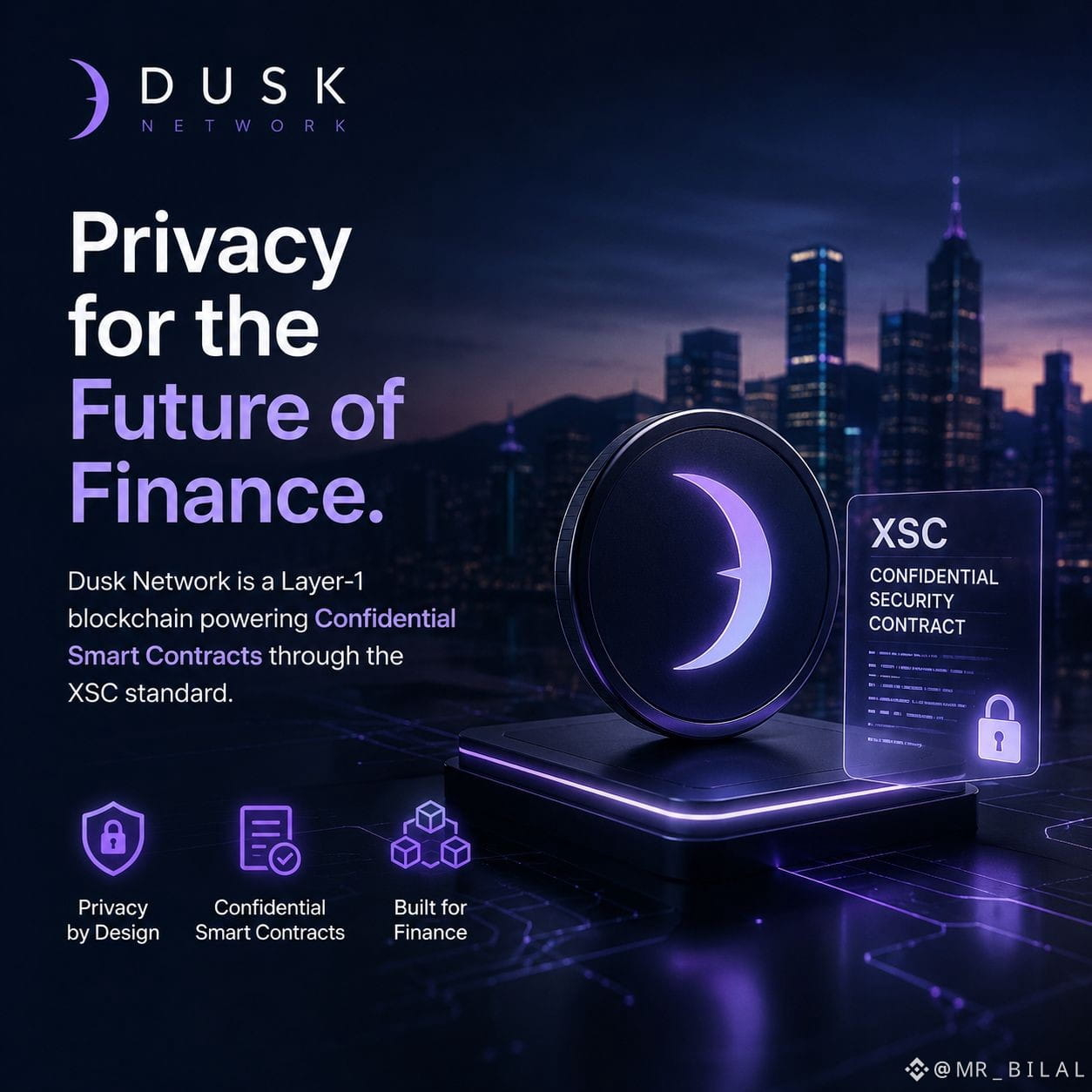
Ich habe angefangen zu begreifen, dass Privatsphäre im Finanzwesen nicht darum geht, alles zu verbergen.
Es geht darum, zu kontrollieren, wer sehen darf, was.
Genau da wird das Dusk Network interessant: eine Layer-1, die um vertrauliche Smart Contracts und seinen XSC-Standard herum aufgebaut ist.
Die eigentliche Frage lautet nicht, ob Privatsphäre wichtig ist.
Sondern ob Dusk Privatsphäre so praxisnah machen kann, dass sie für regulierte Finanzsysteme ausreicht.
Denn im Finanzwesen ist Vertrauen nicht optional. Genauso wenig wie Kontrolle.
#dusk $DUSK @Dusk_Foundation
Ich habe angefangen zu begreifen, dass Privatsphäre im Finanzwesen nicht darum geht, alles zu verbergen.
Es geht darum, zu kontrollieren, wer sehen darf, was.
Genau da wird das Dusk Network interessant: eine Layer-1, die um vertrauliche Smart Contracts und seinen XSC-Standard herum aufgebaut ist.
Die eigentliche Frage lautet nicht, ob Privatsphäre wichtig ist.
Sondern ob Dusk Privatsphäre so praxisnah machen kann, dass sie für regulierte Finanzsysteme ausreicht.
Denn im Finanzwesen ist Vertrauen nicht optional. Genauso wenig wie Kontrolle.
#dusk $DUSK @Dusk
Es geht darum, zu kontrollieren, wer sehen darf, was.
Genau da wird das Dusk Network interessant: eine Layer-1, die um vertrauliche Smart Contracts und seinen XSC-Standard herum aufgebaut ist.
Die eigentliche Frage lautet nicht, ob Privatsphäre wichtig ist.
Sondern ob Dusk Privatsphäre so praxisnah machen kann, dass sie für regulierte Finanzsysteme ausreicht.
Denn im Finanzwesen ist Vertrauen nicht optional. Genauso wenig wie Kontrolle.
#dusk $DUSK @Dusk
9
3
135
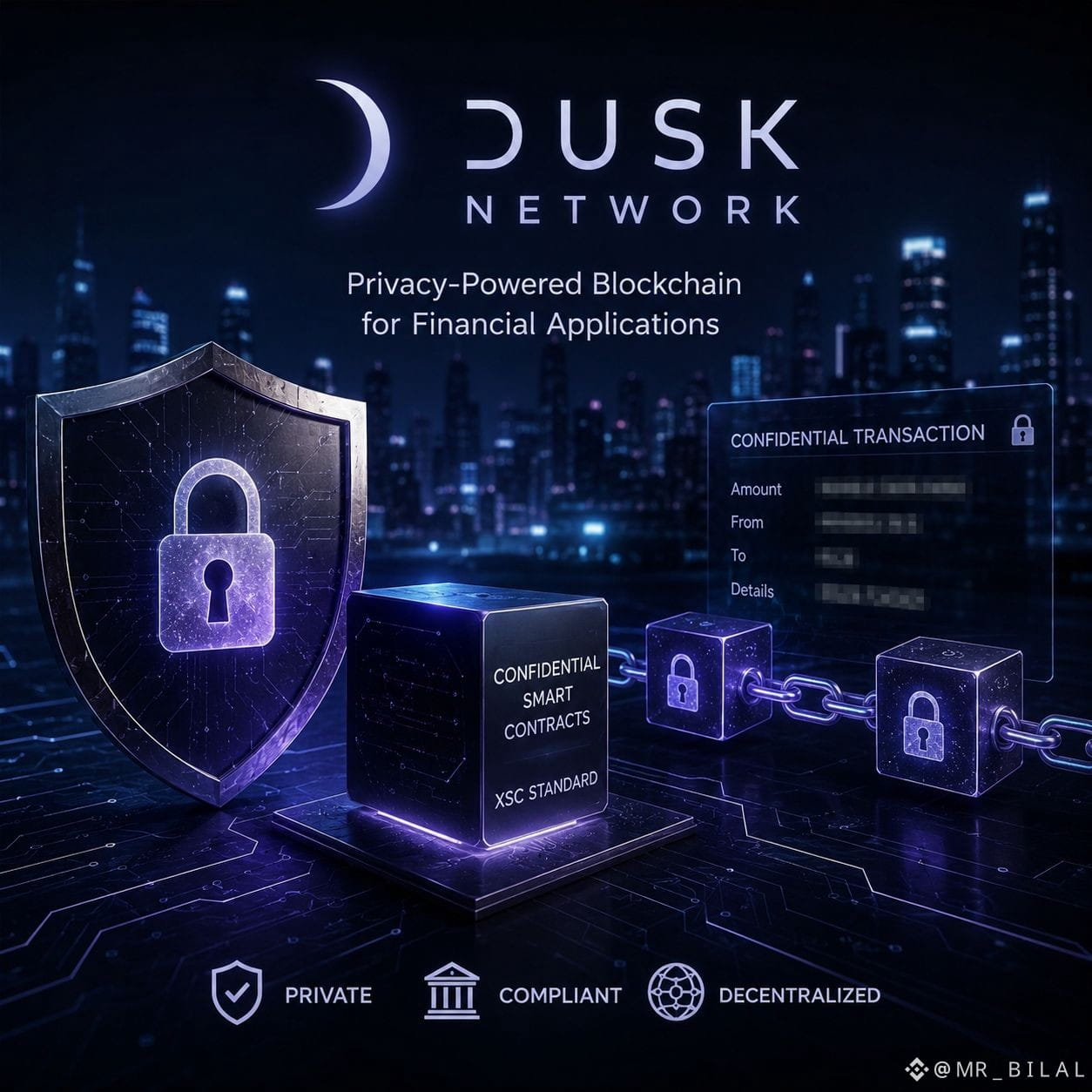
In letzter Zeit komme ich immer wieder auf einen Gedanken zurück: Finanzielle Privatsphäre ist kein Luxus mehr.
Das Dusk Network setzt darauf, dass Institutionen Blockchain-Infrastruktur benötigen, in der sensible Transaktionen vertraulich bleiben können, ohne die Programmierbarkeit aufzugeben.
Das ist das Interessante.
Das Schwierige? Regulierung, Skalierbarkeit und das Vertrauen von Institutionen müssen noch aufholen.
Privatsphäre ist mächtig.
Aber im Finanzwesen zählt die Kontrolle genauso viel wie die Vertraulichkeit.
#dusk $DUSK @Dusk_Foundation
In letzter Zeit komme ich immer wieder auf einen Gedanken zurück: Finanzielle Privatsphäre ist kein Luxus mehr.
Das Dusk Network setzt darauf, dass Institutionen Blockchain-Infrastruktur benötigen, in der sensible Transaktionen vertraulich bleiben können, ohne die Programmierbarkeit aufzugeben.
Das ist das Interessante.
Das Schwierige? Regulierung, Skalierbarkeit und das Vertrauen von Institutionen müssen noch aufholen.
Privatsphäre ist mächtig.
Aber im Finanzwesen zählt die Kontrolle genauso viel wie die Vertraulichkeit.
#dusk $DUSK @Dusk
Das Dusk Network setzt darauf, dass Institutionen Blockchain-Infrastruktur benötigen, in der sensible Transaktionen vertraulich bleiben können, ohne die Programmierbarkeit aufzugeben.
Das ist das Interessante.
Das Schwierige? Regulierung, Skalierbarkeit und das Vertrauen von Institutionen müssen noch aufholen.
Privatsphäre ist mächtig.
Aber im Finanzwesen zählt die Kontrolle genauso viel wie die Vertraulichkeit.
#dusk $DUSK @Dusk
14
6
179
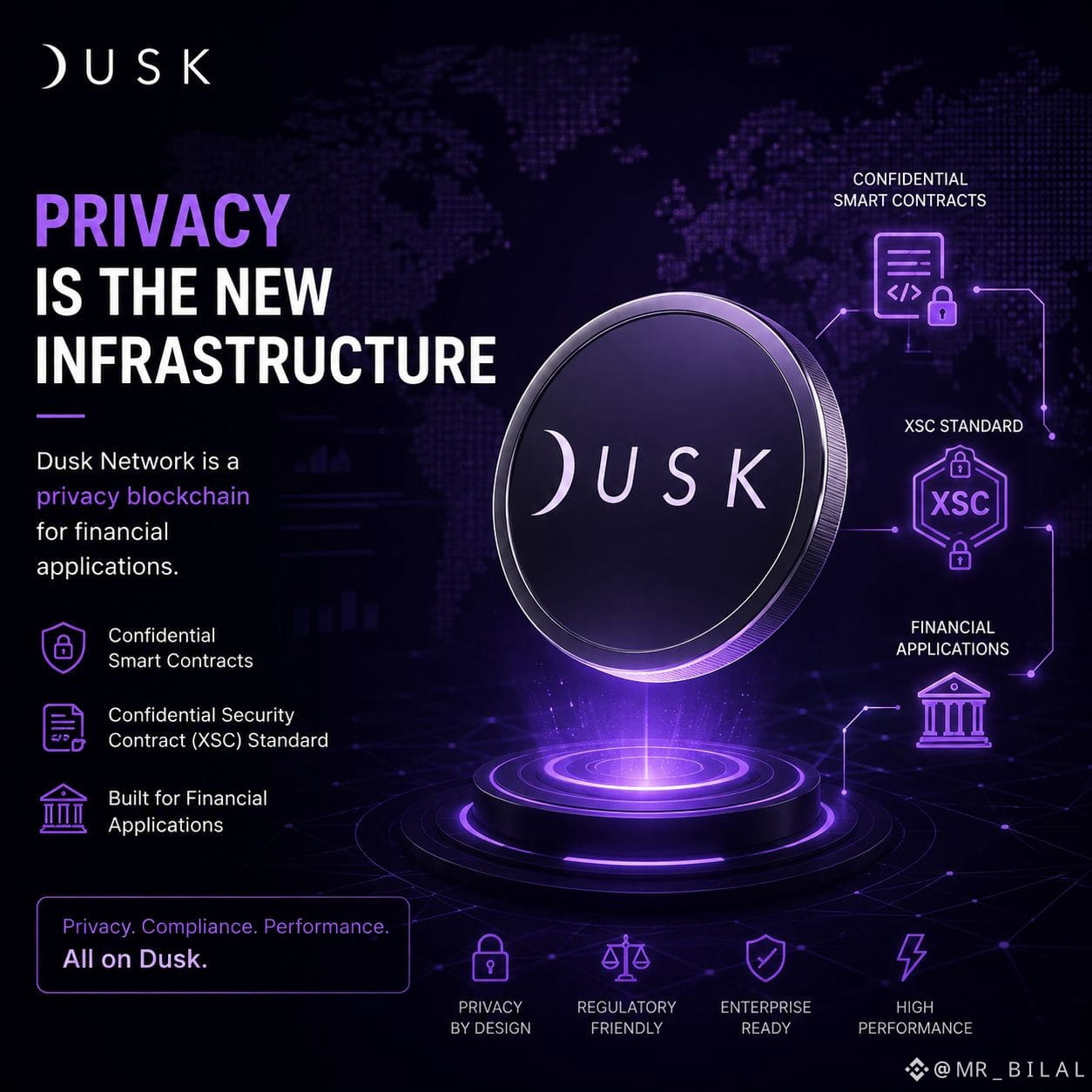
Ich beobachte das Dusk Network und eine Frage lässt mich immer wieder nicht los:
Was passiert, wenn finanzielle Privatsphäre zur Infrastruktur wird – und nicht nur zu einer Funktion?
Dusk baut eine Layer-1 um vertrauliche Smart Contracts herum und seinen XSC-Standard, um Finanzanwendungen Privatsphäre zu geben und gleichzeitig Regeln und Compliance im Blick zu behalten.
Das ist das Spannende.
Aber Privatsphäre allein wird nicht gewinnen.
Institutionen brauchen Skalierbarkeit, Sicherheit, Liquidität und regulatorische Klarheit.
Die Technologie kann die Tür öffnen.
Der Markt entscheidet, wer durchkommt.
#dusk $DUSK @Dusk_Foundation
$HEMI $CYS
{spot}(DUSKUSDT)
{spot}(HEMIUSDT)
{alpha}(560x0c69199c1562233640e0db5ce2c399a88eb507c7)
Ich beobachte das Dusk Network und eine Frage lässt mich immer wieder nicht los:
Was passiert, wenn finanzielle Privatsphäre zur Infrastruktur wird – und nicht nur zu einer Funktion?
Dusk baut eine Layer-1 um vertrauliche Smart Contracts herum und seinen XSC-Standard, um Finanzanwendungen Privatsphäre zu geben und gleichzeitig Regeln und Compliance im Blick zu behalten.
Das ist das Spannende.
Aber Privatsphäre allein wird nicht gewinnen.
Institutionen brauchen Skalierbarkeit, Sicherheit, Liquidität und regulatorische Klarheit.
Die Technologie kann die Tür öffnen.
Der Markt entscheidet, wer durchkommt.
#dusk $DUSK @Dusk
$HEMI $CYS
Was passiert, wenn finanzielle Privatsphäre zur Infrastruktur wird – und nicht nur zu einer Funktion?
Dusk baut eine Layer-1 um vertrauliche Smart Contracts herum und seinen XSC-Standard, um Finanzanwendungen Privatsphäre zu geben und gleichzeitig Regeln und Compliance im Blick zu behalten.
Das ist das Spannende.
Aber Privatsphäre allein wird nicht gewinnen.
Institutionen brauchen Skalierbarkeit, Sicherheit, Liquidität und regulatorische Klarheit.
Die Technologie kann die Tür öffnen.
Der Markt entscheidet, wer durchkommt.
#dusk $DUSK @Dusk
$HEMI $CYS
14
6
542
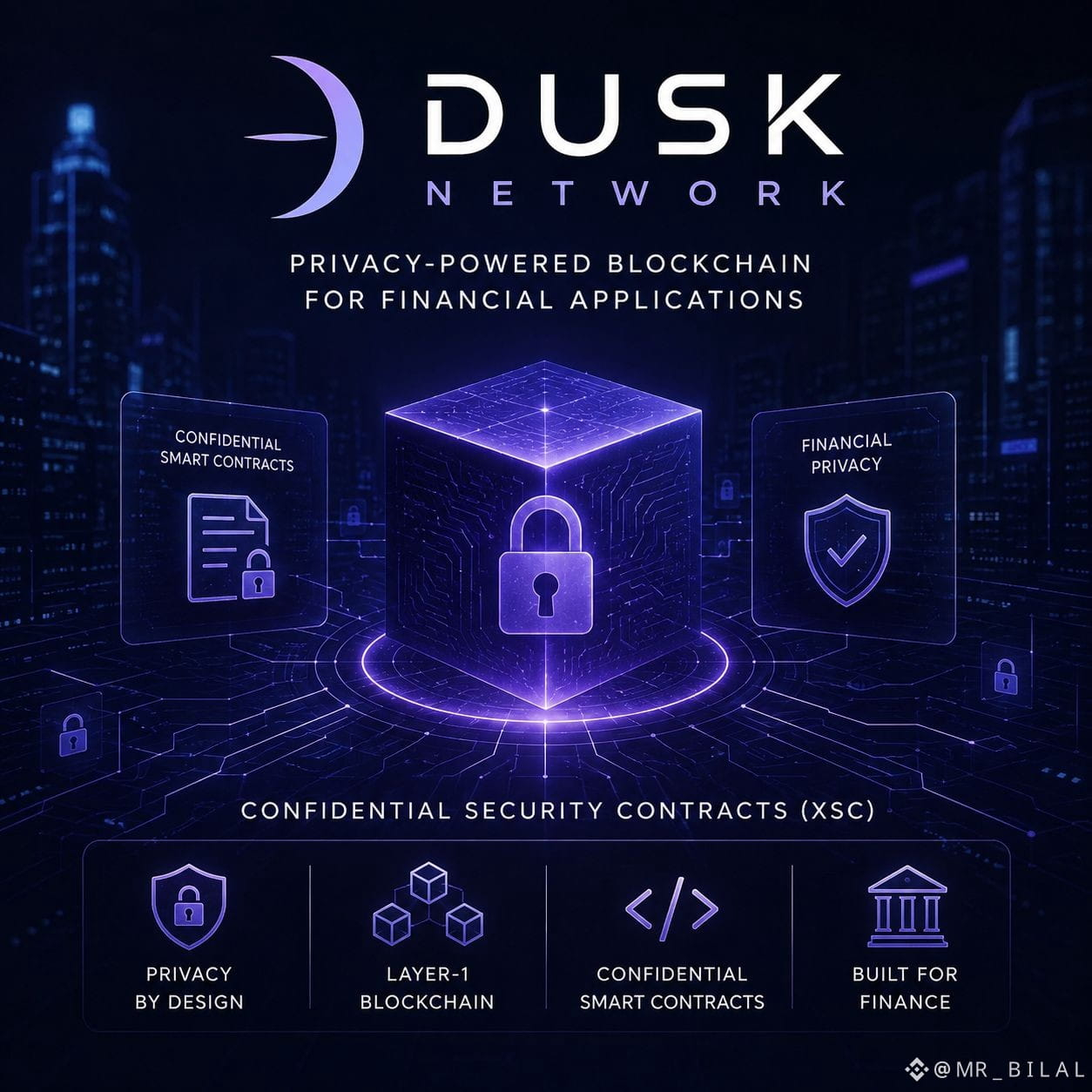
Ich beginne zu verstehen, warum Dusk Network wichtig ist: Finanz-Apps können nicht für immer in einer Welt existieren, in der jede Transaktion offengelegt wird.
Dusk baut eine Layer-1 rund um Datenschutz, mit seinem XSC-Standard, der für vertrauliche Finanzanwendungen entwickelt wurde.
Das Schwierige ist nicht die Technologie.
Sondern den Nachweis zu erbringen, dass Datenschutz mit Regulierung, Skalierbarkeit und institutionellem Vertrauen koexistieren kann.
Genau dort wird Dusk interessant.
#dusk $DUSK @Dusk_Foundation
$HEMI $CYS
{spot}(HEMIUSDT)
{alpha}(560x0c69199c1562233640e0db5ce2c399a88eb507c7)
Ich beginne zu verstehen, warum Dusk Network wichtig ist: Finanz-Apps können nicht für immer in einer Welt existieren, in der jede Transaktion offengelegt wird.
Dusk baut eine Layer-1 rund um Datenschutz, mit seinem XSC-Standard, der für vertrauliche Finanzanwendungen entwickelt wurde.
Das Schwierige ist nicht die Technologie.
Sondern den Nachweis zu erbringen, dass Datenschutz mit Regulierung, Skalierbarkeit und institutionellem Vertrauen koexistieren kann.
Genau dort wird Dusk interessant.
#dusk $DUSK @Dusk
$HEMI $CYS
Dusk baut eine Layer-1 rund um Datenschutz, mit seinem XSC-Standard, der für vertrauliche Finanzanwendungen entwickelt wurde.
Das Schwierige ist nicht die Technologie.
Sondern den Nachweis zu erbringen, dass Datenschutz mit Regulierung, Skalierbarkeit und institutionellem Vertrauen koexistieren kann.
Genau dort wird Dusk interessant.
#dusk $DUSK @Dusk
$HEMI $CYS
14
4
532
Ich verfolge Dusk Network und eines sticht heraus: Privatsphäre im Finanzbereich ist kein Luxus mehr.
Dusk baut eine Layer-1, auf der Finanz-Apps vertrauliche Smart Contracts nutzen können, ohne dass jede Einzelheit öffentlich angezeigt wird.
Das Schwierige daran? Regulierung, Skalierbarkeit und Institutionen davon zu überzeugen, der Infrastruktur tatsächlich zu vertrauen.
Privatsphäre klingt einfach.
Sie im Finanzmaßstab zum Laufen zu bringen, ist es nicht.
UA Insights — Forschung zuerst. Kein Rauschen.
#dusk $DUSK @Dusk_Foundation
Ich verfolge Dusk Network und eines sticht heraus: Privatsphäre im Finanzbereich ist kein Luxus mehr.
Dusk baut eine Layer-1, auf der Finanz-Apps vertrauliche Smart Contracts nutzen können, ohne dass jede Einzelheit öffentlich angezeigt wird.
Das Schwierige daran? Regulierung, Skalierbarkeit und Institutionen davon zu überzeugen, der Infrastruktur tatsächlich zu vertrauen.
Privatsphäre klingt einfach.
Sie im Finanzmaßstab zum Laufen zu bringen, ist es nicht.
UA Insights — Forschung zuerst. Kein Rauschen.
#dusk $DUSK @Dusk
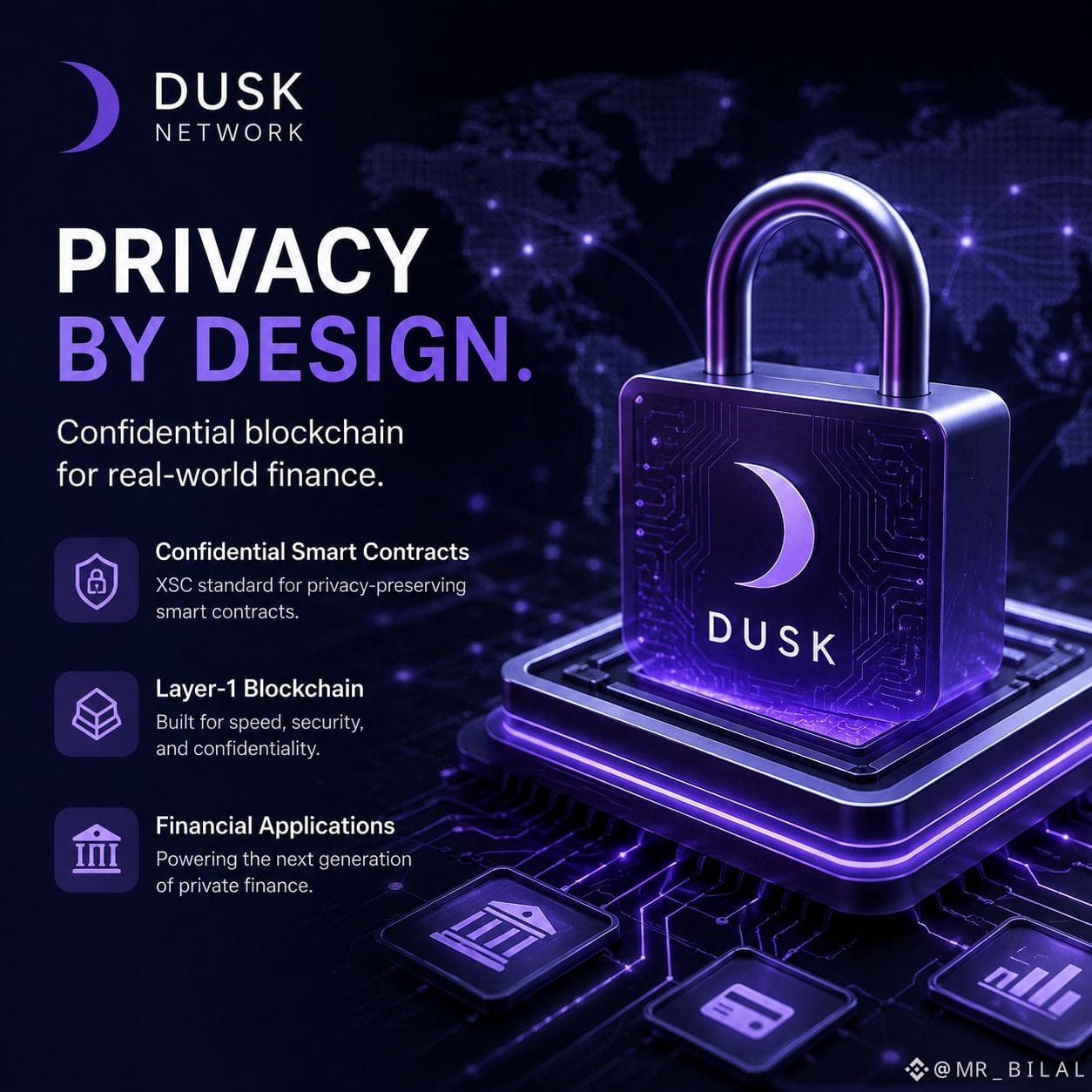
Dusk baut eine Layer-1, auf der Finanz-Apps vertrauliche Smart Contracts nutzen können, ohne dass jede Einzelheit öffentlich angezeigt wird.
Das Schwierige daran? Regulierung, Skalierbarkeit und Institutionen davon zu überzeugen, der Infrastruktur tatsächlich zu vertrauen.
Privatsphäre klingt einfach.
Sie im Finanzmaßstab zum Laufen zu bringen, ist es nicht.
UA Insights — Forschung zuerst. Kein Rauschen.
#dusk $DUSK @Dusk
12
3
133
Ich habe angefangen zu begreifen, dass Privatsphäre für Financial-Blockchains nicht das wirklich Schwierige ist.
Das Schwierige ist, Privatsphäre zum Funktionieren zu bringen, ohne dabei Compliance, Skalierbarkeit oder das Vertrauen von Institutionen zu gefährden.
Dort wird Dusk interessant.
Vertrauliche Smart Contracts und der XSC-Standard zielen darauf ab, Finanz-Apps eine kontrollierte Sichtbarkeit zu ermöglichen – statt alles in die öffentliche Ansicht zu zwingen.
Gute Idee.
Aber die echte Auseinandersetzung betrifft Regulierung, Performance und die Frage, ob Institutionen der Infrastruktur tatsächlich vertrauen.
Privatsphäre ist nützlich.
Privatsphäre, die die reale Welt überlebt, ist die schwierige Aufgabe.
#dusk $DUSK @Dusk_Foundation
Ich habe angefangen zu begreifen, dass Privatsphäre für Financial-Blockchains nicht das wirklich Schwierige ist.
Das Schwierige ist, Privatsphäre zum Funktionieren zu bringen, ohne dabei Compliance, Skalierbarkeit oder das Vertrauen von Institutionen zu gefährden.
Dort wird Dusk interessant.
Vertrauliche Smart Contracts und der XSC-Standard zielen darauf ab, Finanz-Apps eine kontrollierte Sichtbarkeit zu ermöglichen – statt alles in die öffentliche Ansicht zu zwingen.
Gute Idee.
Aber die echte Auseinandersetzung betrifft Regulierung, Performance und die Frage, ob Institutionen der Infrastruktur tatsächlich vertrauen.
Privatsphäre ist nützlich.
Privatsphäre, die die reale Welt überlebt, ist die schwierige Aufgabe.
#dusk $DUSK @Dusk
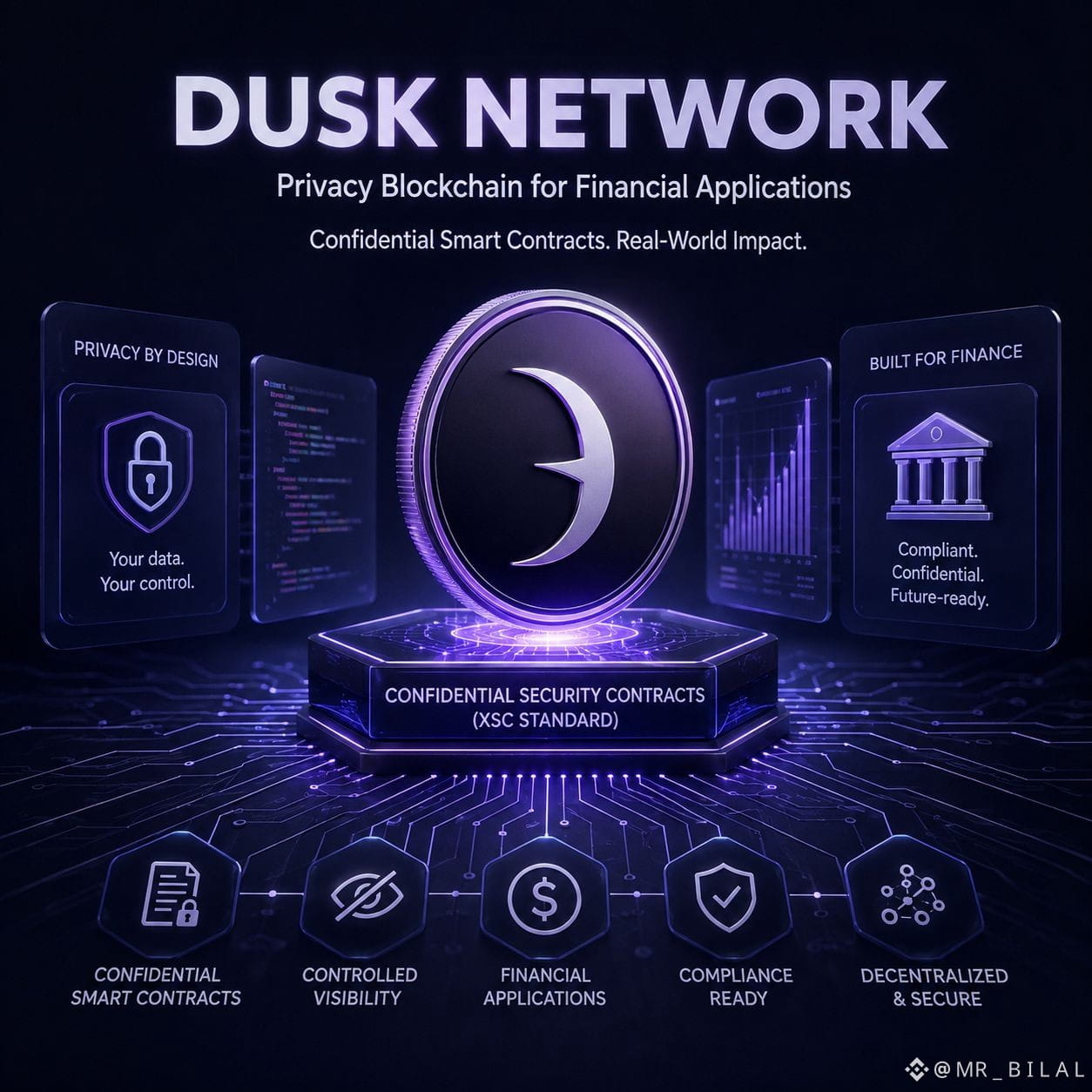
Das Schwierige ist, Privatsphäre zum Funktionieren zu bringen, ohne dabei Compliance, Skalierbarkeit oder das Vertrauen von Institutionen zu gefährden.
Dort wird Dusk interessant.
Vertrauliche Smart Contracts und der XSC-Standard zielen darauf ab, Finanz-Apps eine kontrollierte Sichtbarkeit zu ermöglichen – statt alles in die öffentliche Ansicht zu zwingen.
Gute Idee.
Aber die echte Auseinandersetzung betrifft Regulierung, Performance und die Frage, ob Institutionen der Infrastruktur tatsächlich vertrauen.
Privatsphäre ist nützlich.
Privatsphäre, die die reale Welt überlebt, ist die schwierige Aufgabe.
#dusk $DUSK @Dusk
48
12
169
Ich habe das Dusk Network beobachtet, und eine Sache sticht heraus: Finanzielle Privatsphäre geht nicht nur darum, Daten zu verbergen.
Es geht darum, zu kontrollieren, wer sehen darf, was.
Ducks Layer-1-Architektur und Confidential Security Contracts (XSC) haben das Ziel, Privatsphäre in Smart Contracts nutzbar zu machen—und nicht nur nachträglich anzubinden.
Die echte Probe? Regulierung, Skalierbarkeit und ob Institutionen der Infrastruktur tatsächlich vertrauen.
Privatsphäre klingt großartig.
Damit es im Finanzmaßstab funktioniert, ist der harte Teil.
#dusk $DUSK @Dusk_Foundation
Ich habe das Dusk Network beobachtet, und eine Sache sticht heraus: Finanzielle Privatsphäre geht nicht nur darum, Daten zu verbergen.
Es geht darum, zu kontrollieren, wer sehen darf, was.
Ducks Layer-1-Architektur und Confidential Security Contracts (XSC) haben das Ziel, Privatsphäre in Smart Contracts nutzbar zu machen—und nicht nur nachträglich anzubinden.
Die echte Probe? Regulierung, Skalierbarkeit und ob Institutionen der Infrastruktur tatsächlich vertrauen.
Privatsphäre klingt großartig.
Damit es im Finanzmaßstab funktioniert, ist der harte Teil.
#dusk $DUSK @Dusk
Es geht darum, zu kontrollieren, wer sehen darf, was.
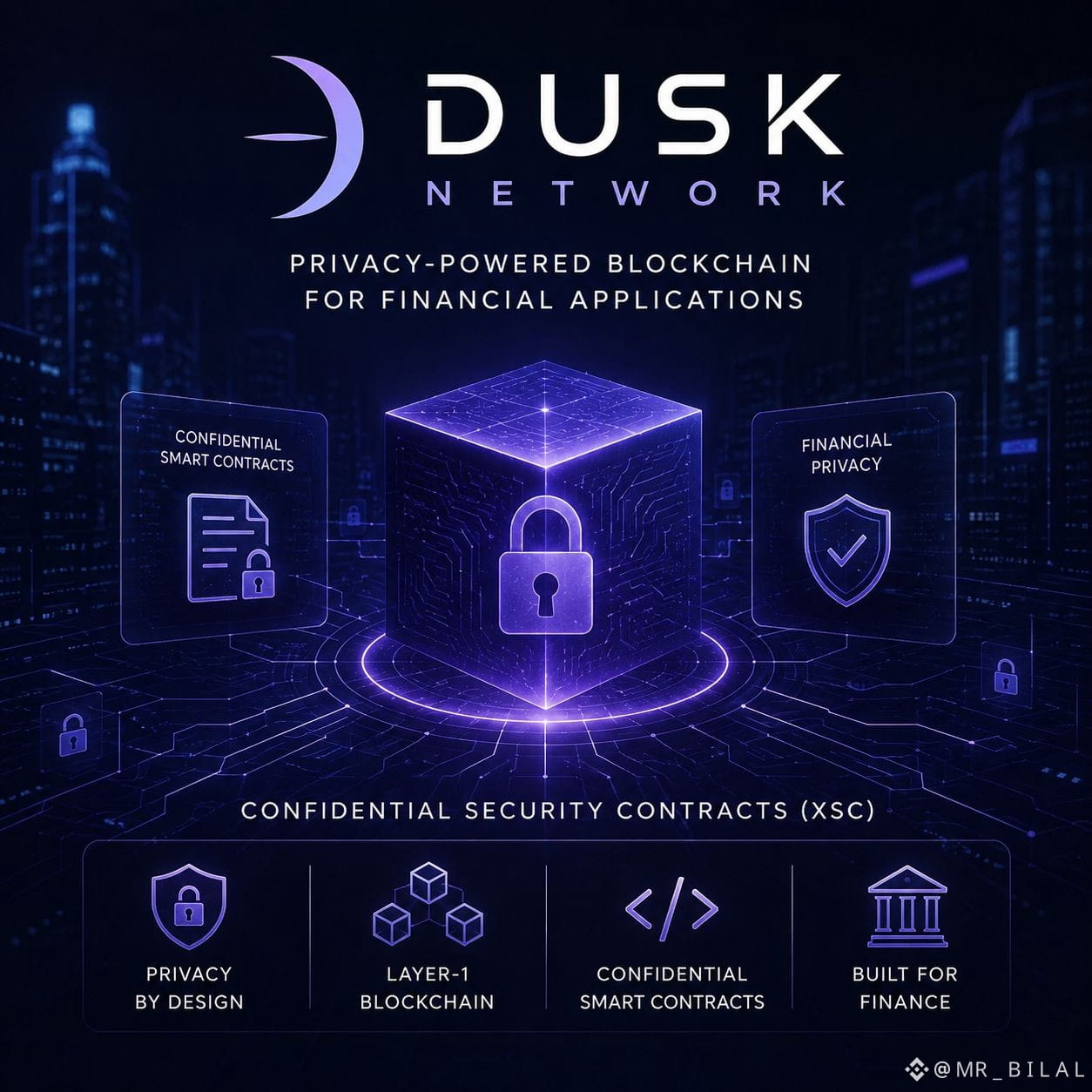
Ducks Layer-1-Architektur und Confidential Security Contracts (XSC) haben das Ziel, Privatsphäre in Smart Contracts nutzbar zu machen—und nicht nur nachträglich anzubinden.
Die echte Probe? Regulierung, Skalierbarkeit und ob Institutionen der Infrastruktur tatsächlich vertrauen.
Privatsphäre klingt großartig.
Damit es im Finanzmaßstab funktioniert, ist der harte Teil.
#dusk $DUSK @Dusk
27
7
159
Ich beobachte Dusk Network und eine Sache sticht heraus: Privatsphäre ist kein Luxus für Finanzanwendungen – sie ist eine Anforderung.
Dusk baut eine Layer-1, bei der vertrauliche Smart Contracts und der XSC-Standard Teil der Kernarchitektur sind.
Das klingt vielversprechend.
Aber die schwierige Aufgabe besteht nicht nur in der Privatsphäre. Es gilt, Institutionen dazu zu bringen, der Technologie zu vertrauen, Regulierungsbehörden zu überzeugen, sie zu akzeptieren, und Entwickler dazu, sie auch wirklich zu nutzen.
Die eigentliche Frage lautet nicht, ob Finanzdaten Privatsphäre brauchen.
Sondern: Wer soll diese Privatsphäre kontrollieren, wenn Milliarden anfangen, sich on-chain zu bewegen.
@Dusk_Foundation #dusk $DUSK
Ich beobachte Dusk Network und eine Sache sticht heraus: Privatsphäre ist kein Luxus für Finanzanwendungen – sie ist eine Anforderung.
Dusk baut eine Layer-1, bei der vertrauliche Smart Contracts und der XSC-Standard Teil der Kernarchitektur sind.
Das klingt vielversprechend.
Aber die schwierige Aufgabe besteht nicht nur in der Privatsphäre. Es gilt, Institutionen dazu zu bringen, der Technologie zu vertrauen, Regulierungsbehörden zu überzeugen, sie zu akzeptieren, und Entwickler dazu, sie auch wirklich zu nutzen.
Die eigentliche Frage lautet nicht, ob Finanzdaten Privatsphäre brauchen.
Sondern: Wer soll diese Privatsphäre kontrollieren, wenn Milliarden anfangen, sich on-chain zu bewegen.
@Dusk #dusk $DUSK
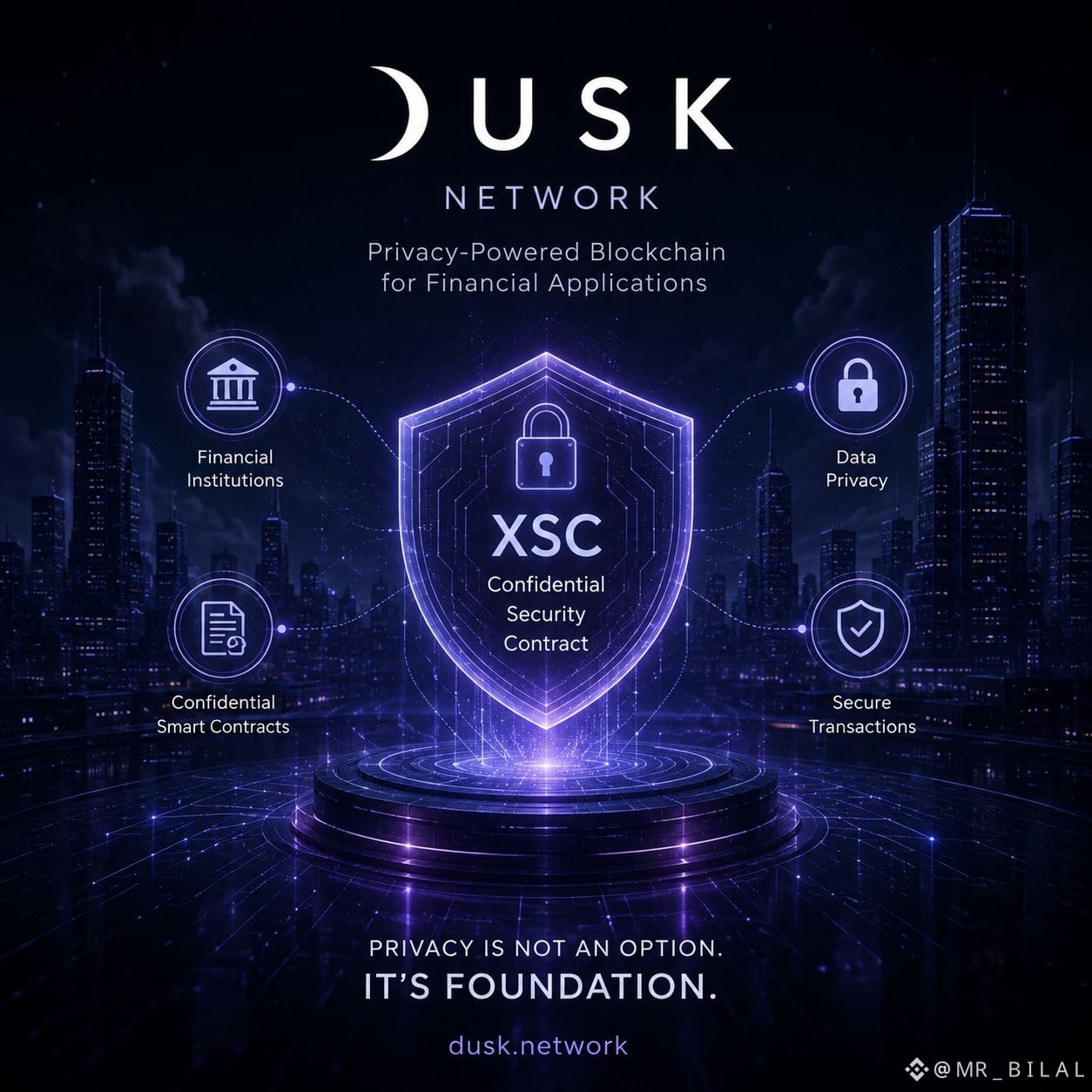
Dusk baut eine Layer-1, bei der vertrauliche Smart Contracts und der XSC-Standard Teil der Kernarchitektur sind.
Das klingt vielversprechend.
Aber die schwierige Aufgabe besteht nicht nur in der Privatsphäre. Es gilt, Institutionen dazu zu bringen, der Technologie zu vertrauen, Regulierungsbehörden zu überzeugen, sie zu akzeptieren, und Entwickler dazu, sie auch wirklich zu nutzen.
Die eigentliche Frage lautet nicht, ob Finanzdaten Privatsphäre brauchen.
Sondern: Wer soll diese Privatsphäre kontrollieren, wenn Milliarden anfangen, sich on-chain zu bewegen.
@Dusk #dusk $DUSK
6
2
172
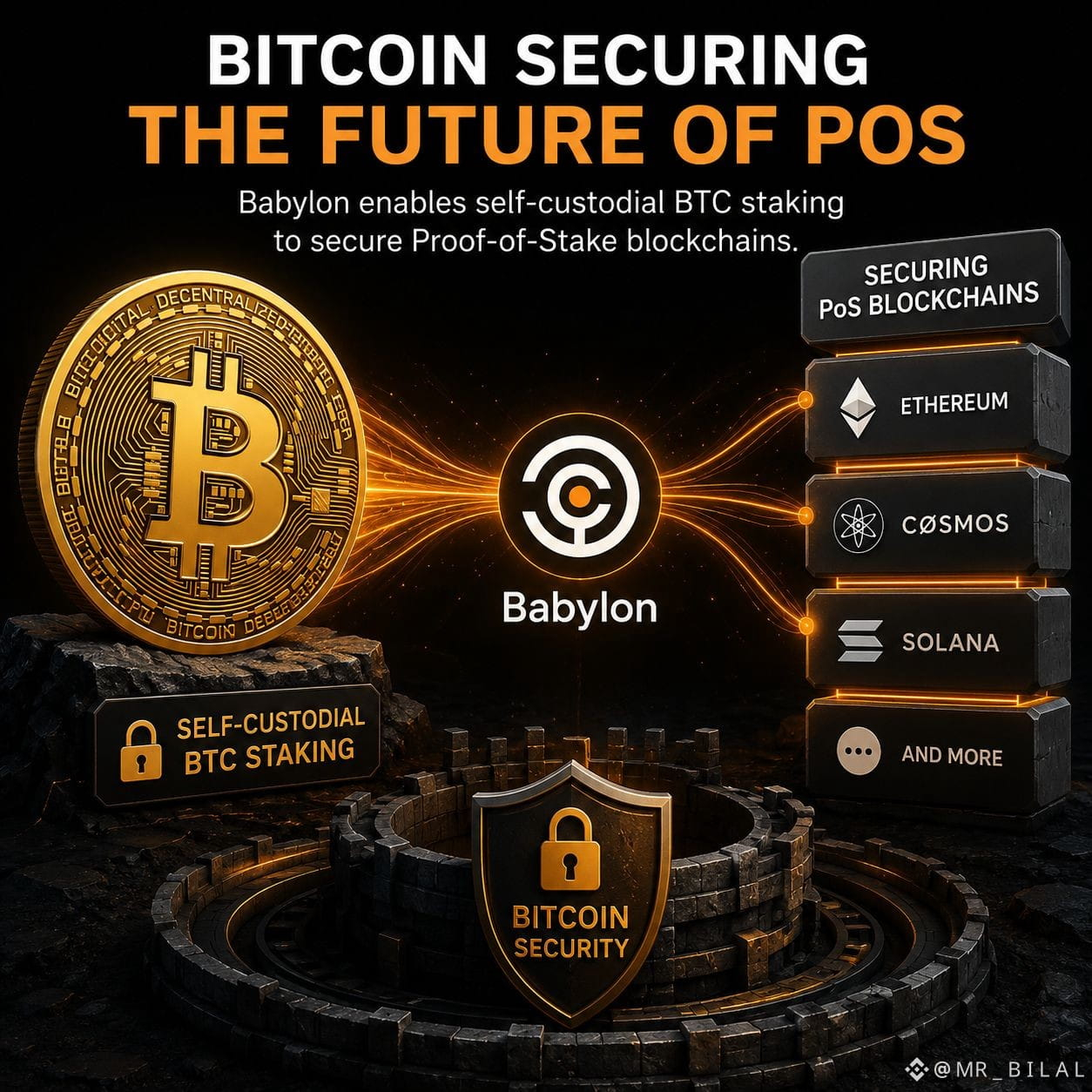
Bitcoin hatte nie ein Staking-Problem. Es hatte ein Vertrauensproblem.
Ich verfolge die Bitcoin-Infrastruktur seit Jahren, und eine Sache sticht immer wieder heraus. Die Leute haben nichts dagegen, Rendite zu verdienen. Sie haben nur ein Problem damit, die Kontrolle zu verlieren.
Das macht Babylon interessant.
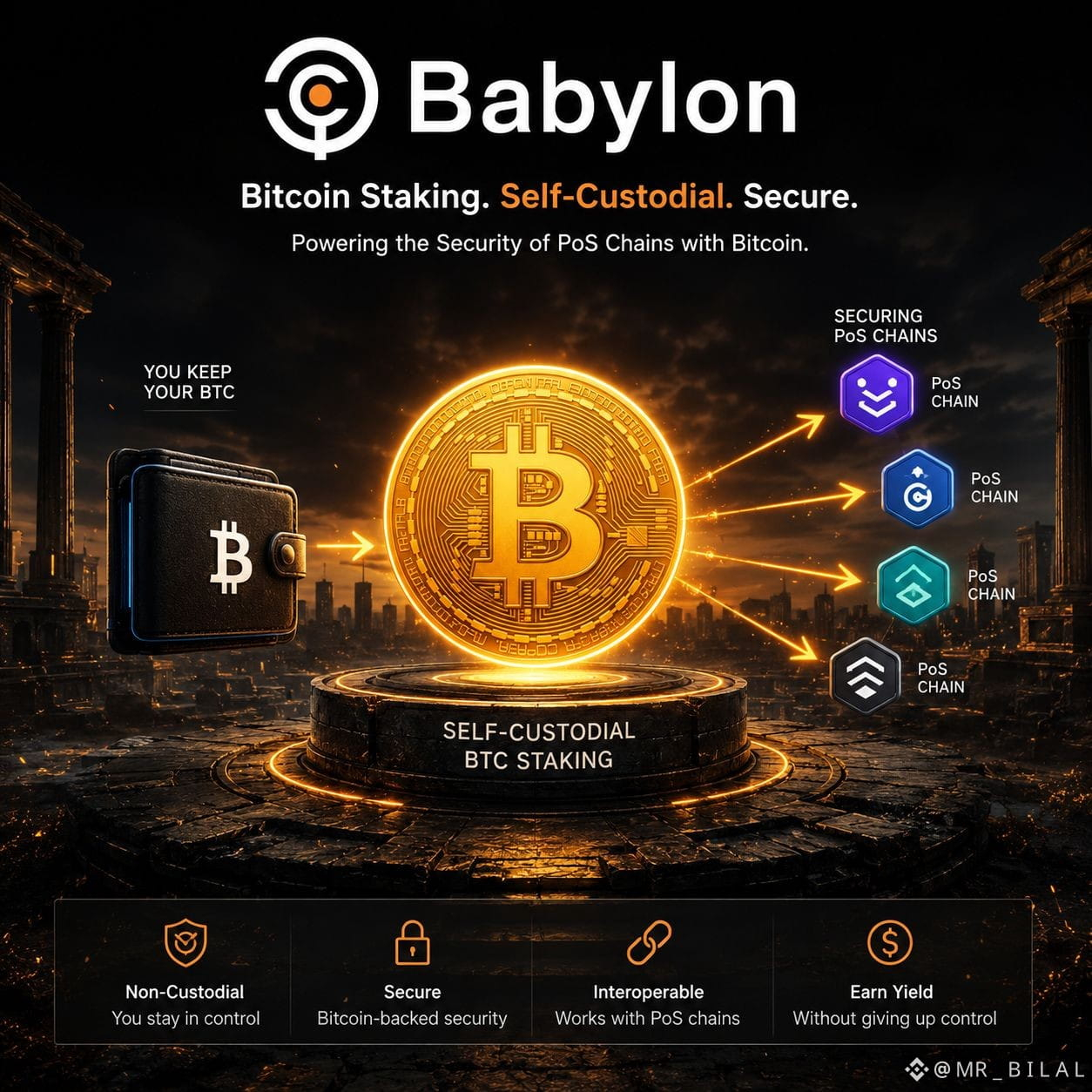
Anstatt von den Nutzern zu verlangen, dass sie ihre BTC an eine Bridge oder einen Custodian abgeben, ermöglicht Babylon ihnen das Staken, während sie ihre Coins unter eigener Kontrolle behalten. Das ist eine einfache Idee, aber diese Vertrauenslücke zu schließen ist viel schwieriger, als es klingt.
Und trotzdem beginnt der schwierige Teil erst nach den Schlagzeilen.
Sicherheit muss echten Angriffen standhalten. PoS-Chains müssen einen echten Mehrwert in der mit Bitcoin abgesicherten Sicherheit erkennen. Auch Regulierungsbehörden werden ihre eigenen Fragen haben, sobald die Nutzung wächst.
Die Zukunft von Babylon wird nicht von Hype oder Token-Preis entschieden. Sie wird von einer Frage bestimmt:
Kann Bitcoin mehr von der Krypto-Welt absichern, ohne dass seine Inhaber die Kontrolle aufgeben müssen?
@babylonlabs_io #baby $BABY
Bitcoin hatte nie ein Staking-Problem. Es hatte ein Vertrauensproblem.
Ich verfolge die Bitcoin-Infrastruktur seit Jahren, und eine Sache sticht immer wieder heraus. Die Leute haben nichts dagegen, Rendite zu verdienen. Sie haben nur ein Problem damit, die Kontrolle zu verlieren.
Das macht Babylon interessant.
Anstatt von den Nutzern zu verlangen, dass sie ihre BTC an eine Bridge oder einen Custodian abgeben, ermöglicht Babylon ihnen das Staken, während sie ihre Coins unter eigener Kontrolle behalten. Das ist eine einfache Idee, aber diese Vertrauenslücke zu schließen ist viel schwieriger, als es klingt.
Und trotzdem beginnt der schwierige Teil erst nach den Schlagzeilen.
Sicherheit muss echten Angriffen standhalten. PoS-Chains müssen einen echten Mehrwert in der mit Bitcoin abgesicherten Sicherheit erkennen. Auch Regulierungsbehörden werden ihre eigenen Fragen haben, sobald die Nutzung wächst.
Die Zukunft von Babylon wird nicht von Hype oder Token-Preis entschieden. Sie wird von einer Frage bestimmt:
Kann Bitcoin mehr von der Krypto-Welt absichern, ohne dass seine Inhaber die Kontrolle aufgeben müssen?
@BabylonLabs_io #baby $BABY
Ich verfolge die Bitcoin-Infrastruktur seit Jahren, und eine Sache sticht immer wieder heraus. Die Leute haben nichts dagegen, Rendite zu verdienen. Sie haben nur ein Problem damit, die Kontrolle zu verlieren.
Das macht Babylon interessant.
Anstatt von den Nutzern zu verlangen, dass sie ihre BTC an eine Bridge oder einen Custodian abgeben, ermöglicht Babylon ihnen das Staken, während sie ihre Coins unter eigener Kontrolle behalten. Das ist eine einfache Idee, aber diese Vertrauenslücke zu schließen ist viel schwieriger, als es klingt.
Und trotzdem beginnt der schwierige Teil erst nach den Schlagzeilen.
Sicherheit muss echten Angriffen standhalten. PoS-Chains müssen einen echten Mehrwert in der mit Bitcoin abgesicherten Sicherheit erkennen. Auch Regulierungsbehörden werden ihre eigenen Fragen haben, sobald die Nutzung wächst.
Die Zukunft von Babylon wird nicht von Hype oder Token-Preis entschieden. Sie wird von einer Frage bestimmt:
Kann Bitcoin mehr von der Krypto-Welt absichern, ohne dass seine Inhaber die Kontrolle aufgeben müssen?
@BabylonLabs_io #baby $BABY
36
11
163
Bitcoin war nie das Problem. Vertrauen schon.
Ich verfolge Bitcoin seit Jahren, und eine Sache lässt mich nicht los.
Die Leute vertrauen Bitcoin.
Aber sie vertrauen nicht der Weitergabe.
Darum hat mich Babylon aufmerksam gemacht.
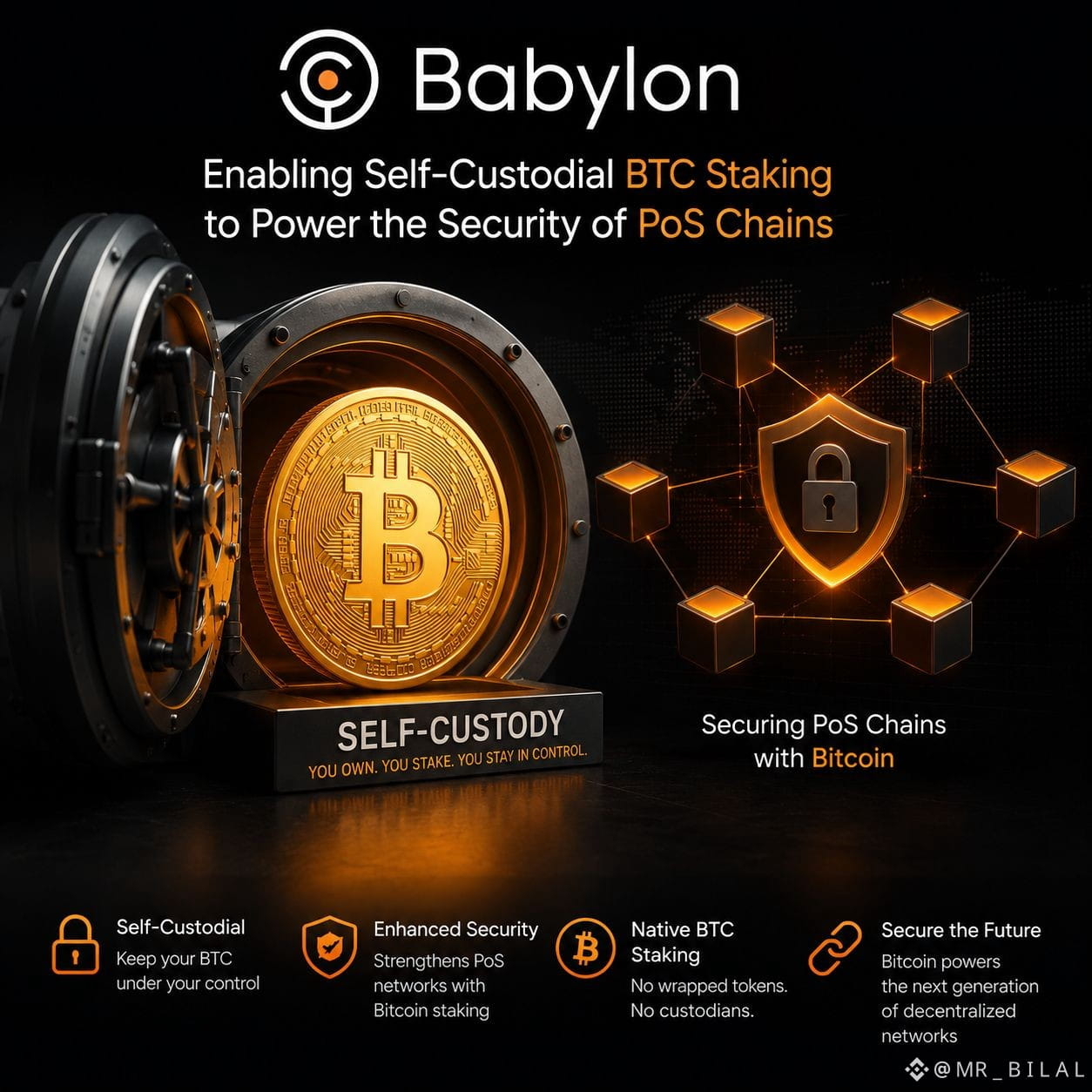
Babylon fordert seine Inhaber nicht dazu auf, ihre BTC abzugeben. Stattdessen können sie staken, während sie die volle Kontrolle über ihre eigenen Coins behalten. Eine einfache Idee. Ein schwieriges Problem.
Aber das ist kein sicherer Erfolg.
Sicherheitsbehauptungen müssen dem echten Druck der Praxis standhalten. Regulierer werden Fragen stellen. PoS-Ketten müssen beweisen, dass die zusätzliche Komplexität den Aufwand wert ist. Und Nutzer werden Fehler im Zusammenhang mit Bitcoin nicht verzeihen.
Wenn Babylon das richtig macht, fügt es nicht nur eine weitere Staking-Option hinzu.
Es könnte verändern, wer die Macht in sicherer, von Bitcoin gestützter Verwahrung hat.
@babylonlabs_io #baby $BABY
Bitcoin war nie das Problem. Vertrauen schon.
Ich verfolge Bitcoin seit Jahren, und eine Sache lässt mich nicht los.
Die Leute vertrauen Bitcoin.
Aber sie vertrauen nicht der Weitergabe.
Darum hat mich Babylon aufmerksam gemacht.
Babylon fordert seine Inhaber nicht dazu auf, ihre BTC abzugeben. Stattdessen können sie staken, während sie die volle Kontrolle über ihre eigenen Coins behalten. Eine einfache Idee. Ein schwieriges Problem.
Aber das ist kein sicherer Erfolg.
Sicherheitsbehauptungen müssen dem echten Druck der Praxis standhalten. Regulierer werden Fragen stellen. PoS-Ketten müssen beweisen, dass die zusätzliche Komplexität den Aufwand wert ist. Und Nutzer werden Fehler im Zusammenhang mit Bitcoin nicht verzeihen.
Wenn Babylon das richtig macht, fügt es nicht nur eine weitere Staking-Option hinzu.
Es könnte verändern, wer die Macht in sicherer, von Bitcoin gestützter Verwahrung hat.
@BabylonLabs_io #baby $BABY
Ich verfolge Bitcoin seit Jahren, und eine Sache lässt mich nicht los.
Die Leute vertrauen Bitcoin.
Aber sie vertrauen nicht der Weitergabe.
Darum hat mich Babylon aufmerksam gemacht.
Babylon fordert seine Inhaber nicht dazu auf, ihre BTC abzugeben. Stattdessen können sie staken, während sie die volle Kontrolle über ihre eigenen Coins behalten. Eine einfache Idee. Ein schwieriges Problem.
Aber das ist kein sicherer Erfolg.
Sicherheitsbehauptungen müssen dem echten Druck der Praxis standhalten. Regulierer werden Fragen stellen. PoS-Ketten müssen beweisen, dass die zusätzliche Komplexität den Aufwand wert ist. Und Nutzer werden Fehler im Zusammenhang mit Bitcoin nicht verzeihen.
Wenn Babylon das richtig macht, fügt es nicht nur eine weitere Staking-Option hinzu.
Es könnte verändern, wer die Macht in sicherer, von Bitcoin gestützter Verwahrung hat.
@BabylonLabs_io #baby $BABY
27
10
135
Bitcoin braucht keine weiteren Versprechen. Es braucht bessere Sicherheit.
Ich verfolge Bitcoin seit Jahren, und eine Sache lässt mich nicht los.
Alle wollen die Sicherheit von Bitcoin.
Sehr wenige wollen seine Grenzen.
Genau da hat mich Babylon aufmerksam gemacht.
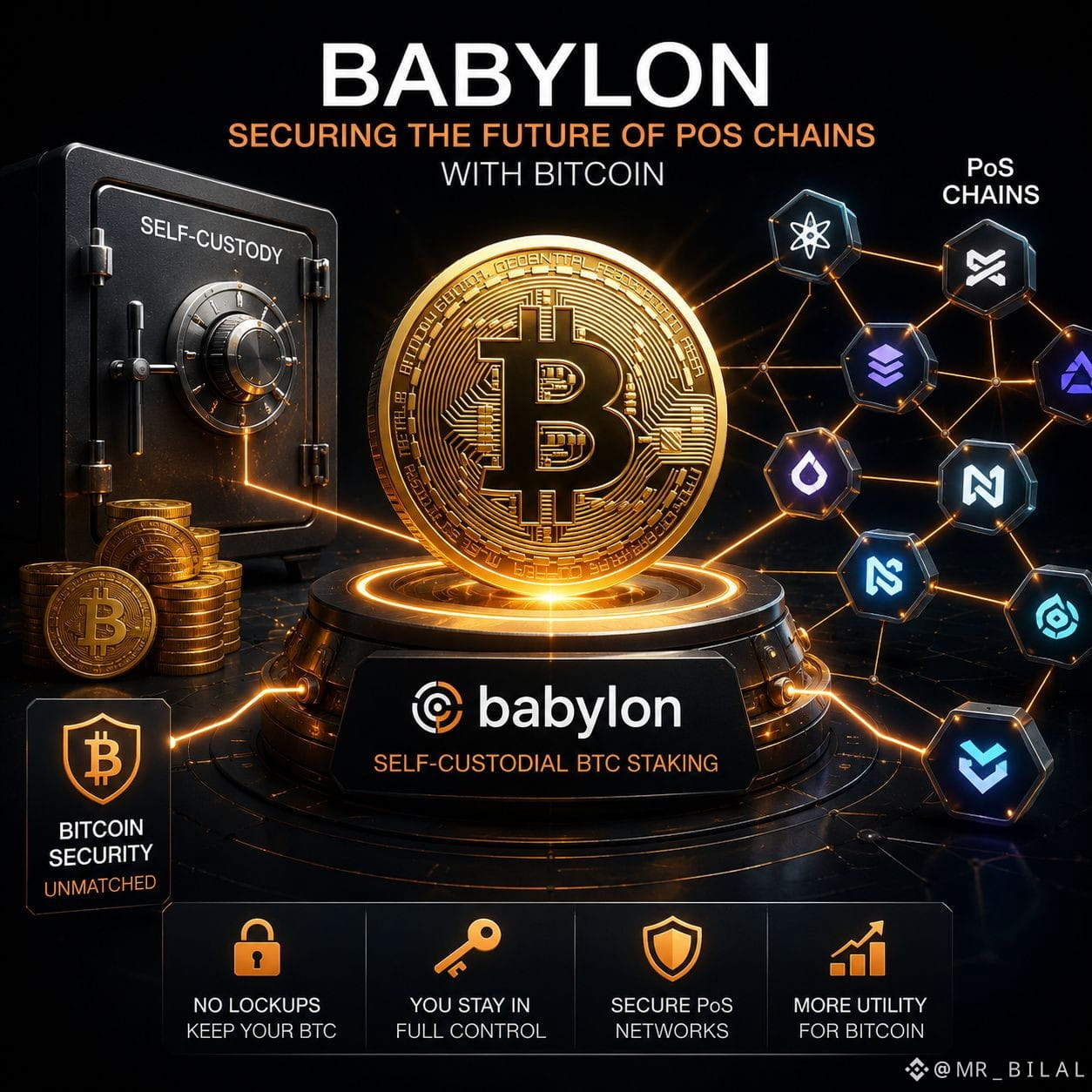
Anstatt Menschen zu bitten, ihr BTC an eine dritte Partei zu übergeben, ermöglicht Babylon den Inhabern, Bitcoin zu staken, während sie die Kontrolle über ihre eigenen Coins behalten. Das klingt einfach. Ist es aber nicht.
Die eigentliche Herausforderung ist nicht die Technik.
Es geht um Vertrauen.
Können PoS-Ketten auf Bitcoin setzen, ohne neue Risiken zu schaffen? Können Regulierer aus dem Weg bleiben? Kann das System skalieren, ohne versteckte Komplexität hinzuzufügen?
Diese Fragen sind wichtiger als jede noch so spektakuläre Ankündigung.
Denn in Krypto entstehen die größten Ausfälle selten durch schlechten Code.
Sie entstehen durch menschliche Anreize.
Wenn Babylon dieses Gleichgewicht richtig hinbekommt, wird es Bitcoin nicht nur nützlicher machen.
Es wird die gesamte Branche dazu zwingen, neu zu überdenken, woher die Sicherheit von Blockchains kommen sollte.
@babylonlabs_io #baby $BABY
Bitcoin braucht keine weiteren Versprechen. Es braucht bessere Sicherheit.
Ich verfolge Bitcoin seit Jahren, und eine Sache lässt mich nicht los.
Alle wollen die Sicherheit von Bitcoin.
Sehr wenige wollen seine Grenzen.
Genau da hat mich Babylon aufmerksam gemacht.
Anstatt Menschen zu bitten, ihr BTC an eine dritte Partei zu übergeben, ermöglicht Babylon den Inhabern, Bitcoin zu staken, während sie die Kontrolle über ihre eigenen Coins behalten. Das klingt einfach. Ist es aber nicht.
Die eigentliche Herausforderung ist nicht die Technik.
Es geht um Vertrauen.
Können PoS-Ketten auf Bitcoin setzen, ohne neue Risiken zu schaffen? Können Regulierer aus dem Weg bleiben? Kann das System skalieren, ohne versteckte Komplexität hinzuzufügen?
Diese Fragen sind wichtiger als jede noch so spektakuläre Ankündigung.
Denn in Krypto entstehen die größten Ausfälle selten durch schlechten Code.
Sie entstehen durch menschliche Anreize.
Wenn Babylon dieses Gleichgewicht richtig hinbekommt, wird es Bitcoin nicht nur nützlicher machen.
Es wird die gesamte Branche dazu zwingen, neu zu überdenken, woher die Sicherheit von Blockchains kommen sollte.
@BabylonLabs_io #baby $BABY
Ich verfolge Bitcoin seit Jahren, und eine Sache lässt mich nicht los.
Alle wollen die Sicherheit von Bitcoin.
Sehr wenige wollen seine Grenzen.
Genau da hat mich Babylon aufmerksam gemacht.
Anstatt Menschen zu bitten, ihr BTC an eine dritte Partei zu übergeben, ermöglicht Babylon den Inhabern, Bitcoin zu staken, während sie die Kontrolle über ihre eigenen Coins behalten. Das klingt einfach. Ist es aber nicht.
Die eigentliche Herausforderung ist nicht die Technik.
Es geht um Vertrauen.
Können PoS-Ketten auf Bitcoin setzen, ohne neue Risiken zu schaffen? Können Regulierer aus dem Weg bleiben? Kann das System skalieren, ohne versteckte Komplexität hinzuzufügen?
Diese Fragen sind wichtiger als jede noch so spektakuläre Ankündigung.
Denn in Krypto entstehen die größten Ausfälle selten durch schlechten Code.
Sie entstehen durch menschliche Anreize.
Wenn Babylon dieses Gleichgewicht richtig hinbekommt, wird es Bitcoin nicht nur nützlicher machen.
Es wird die gesamte Branche dazu zwingen, neu zu überdenken, woher die Sicherheit von Blockchains kommen sollte.
@BabylonLabs_io #baby $BABY
33
6
154
Bitcoin war niemals untätig. Wir wussten nur nicht, was wir damit machen sollen.
Ich verfolge Bitcoin seit Jahren, und eine Frage kommt immer wieder.
Warum investiert das stärkste Sicherheitsnetz der Welt die meiste Zeit damit, … nichts zu tun?
Da wird Babylon interessant.
Nicht, weil es Magie verspricht.
Sondern weil es eine klügere Frage stellt.
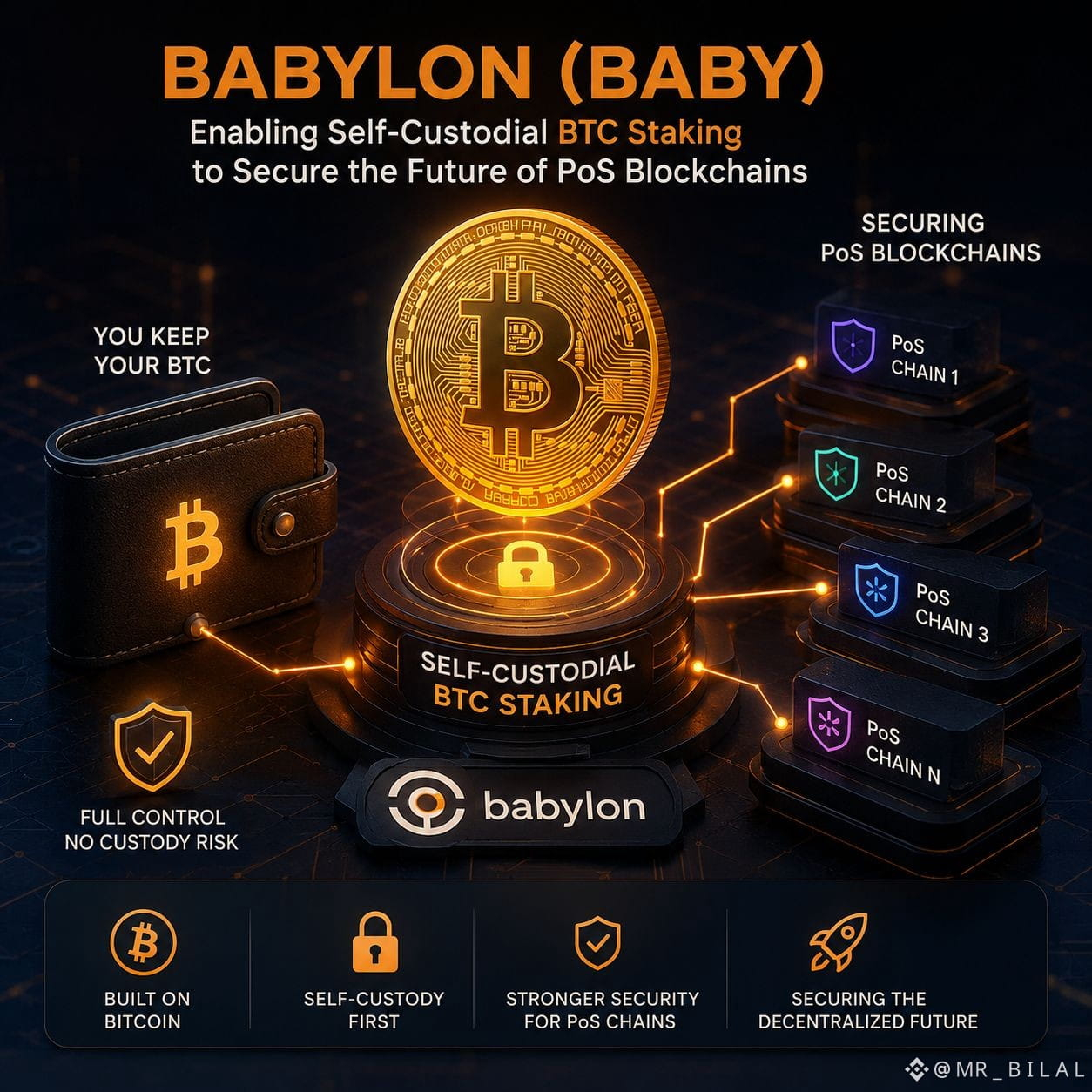
Babylon wickelt BTC nicht einfach ein oder gibt es an jemand anderen weiter, sondern ermöglicht es Inhabern, Bitcoin zu staken, während sie die Kontrolle über ihre eigenen Coins behalten – und nutzt dabei die Sicherheit von Bitcoin, um PoS-Blockchain zu schützen.
Klingt einfach.
Ist es nicht.
Die größte Herausforderung ist nicht die Idee. Sondern ob genug Menschen dem Modell vertrauen, Regulierer auf Abstand bleiben und verbundene Chains skalieren können, ohne neue Risiken zu schaffen.
Sicherheit ist leicht zu bewerben.
Viel schwieriger über die Zeit zu beweisen.
Wenn Babylon das richtig macht, könnte Bitcoin mehr werden als digitales Gold.
Es könnte zu der Sicherheitsschicht werden, auf die andere Blockchains angewiesen sind.
Und wer diese Zukunft kontrolliert, wird nicht nur Krypto gestalten.
Sie werden gestalten, wo Vertrauen lebt.
@babylonlabs_io #baby $BABY
Bitcoin war niemals untätig. Wir wussten nur nicht, was wir damit machen sollen.
Ich verfolge Bitcoin seit Jahren, und eine Frage kommt immer wieder.
Warum investiert das stärkste Sicherheitsnetz der Welt die meiste Zeit damit, … nichts zu tun?
Da wird Babylon interessant.
Nicht, weil es Magie verspricht.
Sondern weil es eine klügere Frage stellt.
Babylon wickelt BTC nicht einfach ein oder gibt es an jemand anderen weiter, sondern ermöglicht es Inhabern, Bitcoin zu staken, während sie die Kontrolle über ihre eigenen Coins behalten – und nutzt dabei die Sicherheit von Bitcoin, um PoS-Blockchain zu schützen.
Klingt einfach.
Ist es nicht.
Die größte Herausforderung ist nicht die Idee. Sondern ob genug Menschen dem Modell vertrauen, Regulierer auf Abstand bleiben und verbundene Chains skalieren können, ohne neue Risiken zu schaffen.
Sicherheit ist leicht zu bewerben.
Viel schwieriger über die Zeit zu beweisen.
Wenn Babylon das richtig macht, könnte Bitcoin mehr werden als digitales Gold.
Es könnte zu der Sicherheitsschicht werden, auf die andere Blockchains angewiesen sind.
Und wer diese Zukunft kontrolliert, wird nicht nur Krypto gestalten.
Sie werden gestalten, wo Vertrauen lebt.
@BabylonLabs_io #baby $BABY
Ich verfolge Bitcoin seit Jahren, und eine Frage kommt immer wieder.
Warum investiert das stärkste Sicherheitsnetz der Welt die meiste Zeit damit, … nichts zu tun?
Da wird Babylon interessant.
Nicht, weil es Magie verspricht.
Sondern weil es eine klügere Frage stellt.
Babylon wickelt BTC nicht einfach ein oder gibt es an jemand anderen weiter, sondern ermöglicht es Inhabern, Bitcoin zu staken, während sie die Kontrolle über ihre eigenen Coins behalten – und nutzt dabei die Sicherheit von Bitcoin, um PoS-Blockchain zu schützen.
Klingt einfach.
Ist es nicht.
Die größte Herausforderung ist nicht die Idee. Sondern ob genug Menschen dem Modell vertrauen, Regulierer auf Abstand bleiben und verbundene Chains skalieren können, ohne neue Risiken zu schaffen.
Sicherheit ist leicht zu bewerben.
Viel schwieriger über die Zeit zu beweisen.
Wenn Babylon das richtig macht, könnte Bitcoin mehr werden als digitales Gold.
Es könnte zu der Sicherheitsschicht werden, auf die andere Blockchains angewiesen sind.
Und wer diese Zukunft kontrolliert, wird nicht nur Krypto gestalten.
Sie werden gestalten, wo Vertrauen lebt.
@BabylonLabs_io #baby $BABY
32
6
211
Ich verfolge Bitcoin seit Jahren, und eine Sache lässt mir keine Ruhe.
Die wohl sicherste Blockchain der Welt liegt auf einem Ozean brachliegenden Kapitals, während neuere Proof-of-Stake-Netzwerke weiter um Sicherheit kämpfen.
Genau diese Lücke will Babylon schließen.
Nicht, indem Bitcoin eingepackt wird.
Nicht, indem man seine Coins einem Custodian überlässt.
Sondern indem BTC dabei hilft, PoS-Chains abzusichern, während es im Bitcoin-Netzwerk bleibt – unter deiner eigenen Kontrolle.
Klingt klug.
Das wirft aber auch schwerere Fragen auf.
Wenn Bitcoin zur Sicherheitsschicht für ein ganzes Ökosystem wird: Wer gewinnt dann am meisten Macht? Und was passiert, wenn Regulierung, Anreize oder schlichte menschliche Gier mit diesem Modell kollidieren?
Die Technologie ist interessant.
Die eigentliche Geschichte ist der Kampf darum, wer Vertrauen in der nächsten Ära von Krypto definieren darf.
@babylonlabs_io #baby $BABY
Ich verfolge Bitcoin seit Jahren, und eine Sache lässt mir keine Ruhe.
Die wohl sicherste Blockchain der Welt liegt auf einem Ozean brachliegenden Kapitals, während neuere Proof-of-Stake-Netzwerke weiter um Sicherheit kämpfen.
Genau diese Lücke will Babylon schließen.
Nicht, indem Bitcoin eingepackt wird.
Nicht, indem man seine Coins einem Custodian überlässt.
Sondern indem BTC dabei hilft, PoS-Chains abzusichern, während es im Bitcoin-Netzwerk bleibt – unter deiner eigenen Kontrolle.
Klingt klug.
Das wirft aber auch schwerere Fragen auf.
Wenn Bitcoin zur Sicherheitsschicht für ein ganzes Ökosystem wird: Wer gewinnt dann am meisten Macht? Und was passiert, wenn Regulierung, Anreize oder schlichte menschliche Gier mit diesem Modell kollidieren?
Die Technologie ist interessant.
Die eigentliche Geschichte ist der Kampf darum, wer Vertrauen in der nächsten Ära von Krypto definieren darf.
@BabylonLabs_io #baby $BABY
Die wohl sicherste Blockchain der Welt liegt auf einem Ozean brachliegenden Kapitals, während neuere Proof-of-Stake-Netzwerke weiter um Sicherheit kämpfen.
Genau diese Lücke will Babylon schließen.
Nicht, indem Bitcoin eingepackt wird.
Nicht, indem man seine Coins einem Custodian überlässt.
Sondern indem BTC dabei hilft, PoS-Chains abzusichern, während es im Bitcoin-Netzwerk bleibt – unter deiner eigenen Kontrolle.
Klingt klug.
Das wirft aber auch schwerere Fragen auf.
Wenn Bitcoin zur Sicherheitsschicht für ein ganzes Ökosystem wird: Wer gewinnt dann am meisten Macht? Und was passiert, wenn Regulierung, Anreize oder schlichte menschliche Gier mit diesem Modell kollidieren?
Die Technologie ist interessant.
Die eigentliche Geschichte ist der Kampf darum, wer Vertrauen in der nächsten Ära von Krypto definieren darf.
@BabylonLabs_io #baby $BABY
29
7
228
Das echte Wetteinsatz hinter dem Newton Protocol
Ich verfolge KI in Krypto schon eine Weile, und ein Gedanke kommt immer wieder.
Was passiert, wenn autonome Trading-Agenten anfangen, Milliarden von Dollar zu bewegen – ohne Angst, Emotion oder Zögern?
Das ist das Problem, das das Newton Protocol lösen will.
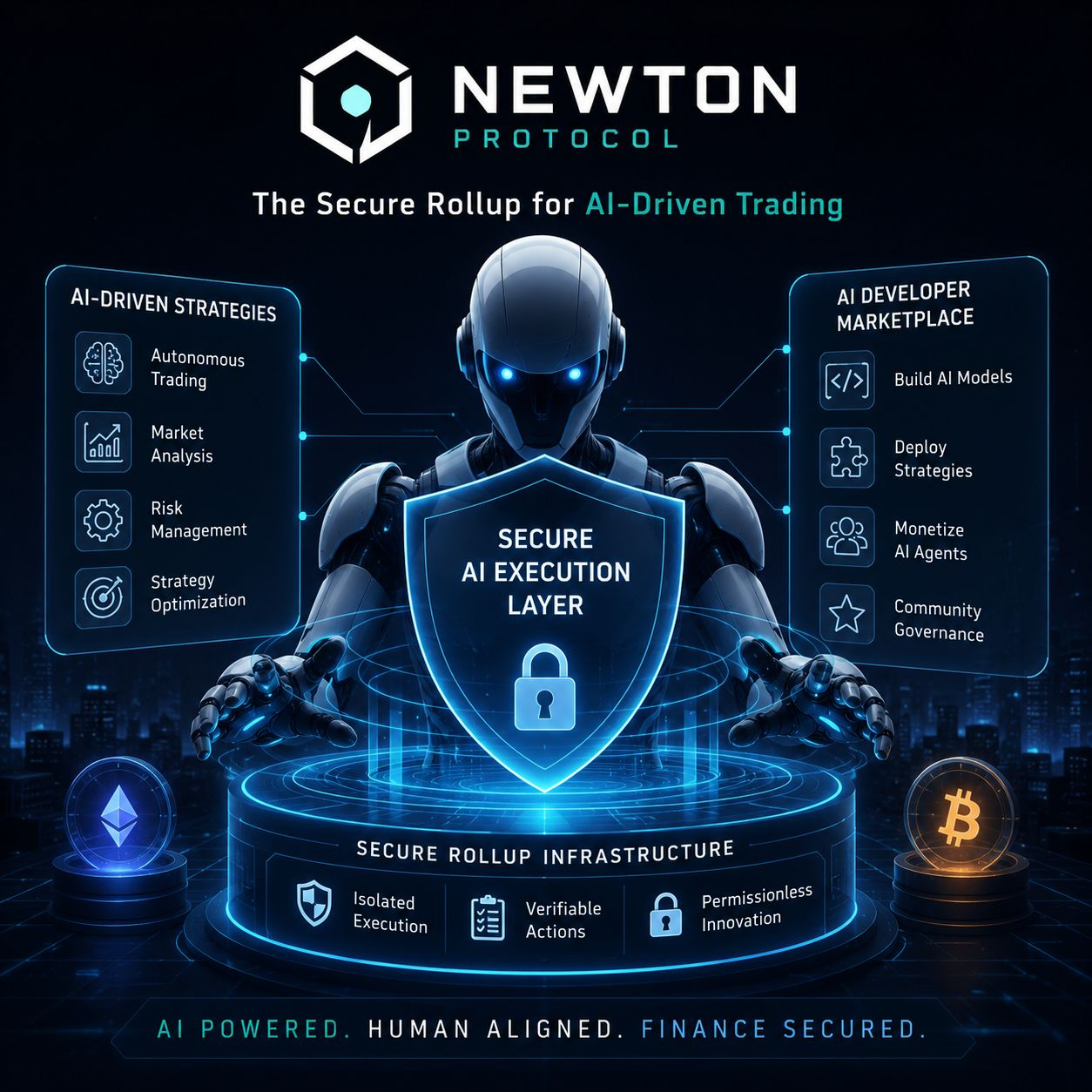
Der Pitch klingt einfach. Baue ein sicheres Rollup, in dem KI-Agenten handeln, Strategien ausführen und innerhalb vordefinierter Regeln arbeiten können – statt unkontrolliert durch DeFi zu laufen.
Genau richtig.
Denn KI gerät nicht in Panik.
Sie wird nicht gierig.
Sie folgt einfach Zielen.
Und manchmal könnte der profitabelste Zug für eine KI für alle anderen katastrophal sein.
Das Schwierige ist nicht, KI smarter zu machen.
Es geht darum sicherzustellen, dass Intelligenz nicht zu einem finanziellen Abrisshammer wird.
Der Erfolg von Newton wird nicht davon abhängen, wie mächtig der KI-Marktplatz wird.
Er wird davon abhängen, ob seine Leitplanken stark genug sind, wenn echtes Geld, echte Anreize und echte menschliche Gier aufeinandertreffen.
Denn die Zukunft des Finanzwesens könnte den Maschinen gehören.
Aber wer die Kontrolle über die Maschinen hat, ist die Frage, die wirklich zählt.
@NewtonProtocol $NEWT #NEWT
#newt
Das echte Wetteinsatz hinter dem Newton Protocol
Ich verfolge KI in Krypto schon eine Weile, und ein Gedanke kommt immer wieder.
Was passiert, wenn autonome Trading-Agenten anfangen, Milliarden von Dollar zu bewegen – ohne Angst, Emotion oder Zögern?
Das ist das Problem, das das Newton Protocol lösen will.
Der Pitch klingt einfach. Baue ein sicheres Rollup, in dem KI-Agenten handeln, Strategien ausführen und innerhalb vordefinierter Regeln arbeiten können – statt unkontrolliert durch DeFi zu laufen.
Genau richtig.
Denn KI gerät nicht in Panik.
Sie wird nicht gierig.
Sie folgt einfach Zielen.
Und manchmal könnte der profitabelste Zug für eine KI für alle anderen katastrophal sein.
Das Schwierige ist nicht, KI smarter zu machen.
Es geht darum sicherzustellen, dass Intelligenz nicht zu einem finanziellen Abrisshammer wird.
Der Erfolg von Newton wird nicht davon abhängen, wie mächtig der KI-Marktplatz wird.
Er wird davon abhängen, ob seine Leitplanken stark genug sind, wenn echtes Geld, echte Anreize und echte menschliche Gier aufeinandertreffen.
Denn die Zukunft des Finanzwesens könnte den Maschinen gehören.
Aber wer die Kontrolle über die Maschinen hat, ist die Frage, die wirklich zählt.
@NewtonProtocol $NEWT #NEWT
#newt
Ich verfolge KI in Krypto schon eine Weile, und ein Gedanke kommt immer wieder.
Was passiert, wenn autonome Trading-Agenten anfangen, Milliarden von Dollar zu bewegen – ohne Angst, Emotion oder Zögern?
Das ist das Problem, das das Newton Protocol lösen will.
Der Pitch klingt einfach. Baue ein sicheres Rollup, in dem KI-Agenten handeln, Strategien ausführen und innerhalb vordefinierter Regeln arbeiten können – statt unkontrolliert durch DeFi zu laufen.
Genau richtig.
Denn KI gerät nicht in Panik.
Sie wird nicht gierig.
Sie folgt einfach Zielen.
Und manchmal könnte der profitabelste Zug für eine KI für alle anderen katastrophal sein.
Das Schwierige ist nicht, KI smarter zu machen.
Es geht darum sicherzustellen, dass Intelligenz nicht zu einem finanziellen Abrisshammer wird.
Der Erfolg von Newton wird nicht davon abhängen, wie mächtig der KI-Marktplatz wird.
Er wird davon abhängen, ob seine Leitplanken stark genug sind, wenn echtes Geld, echte Anreize und echte menschliche Gier aufeinandertreffen.
Denn die Zukunft des Finanzwesens könnte den Maschinen gehören.
Aber wer die Kontrolle über die Maschinen hat, ist die Frage, die wirklich zählt.
@NewtonProtocol $NEWT #NEWT
#newt
7
2
136
DER ECHTE WETTBEWERB HINTER NEWTON PROTOCOL IST NICHT KI-HANDEL—SONDERN OB WIR DIE MASCHINEN GESTEUERN KÖNNEN, DIE DAHTERINTIch verfolge Krypto schon lange genug, um zu wissen, dass es fast immer seltsam wird, sobald eine Branche anfängt, die Buchstaben „KI“ vor alles zu setzen.
Sehr schnell.
Die Versprechen werden größer.
Die Zeitpläne werden kürzer.
Und die Risiken werden irgendwie zu einem Problem für jemand anderen.
Das Newton-Protokoll sitzt genau in der Mitte dieser Spannung.
Auf dem Papier klingt das Pitch-Profil fast schon unvermeidlich: ein sicheres Rollup, das für KI-getriebene Strategien entwickelt wurde, für automatisierten Handel und einen Marktplatz, auf dem Entwickler autonome Agenten einsetzen können, um Kapital zu verwalten und Entscheidungen on-chain auszuführen.
DER ECHTE WETTBEWERB HINTER NEWTON PROTOCOL IST NICHT KI-HANDEL—SONDERN OB WIR DIE MASCHINEN GESTEUERN KÖNNEN, DIE DAHTERINT
Ich verfolge Krypto schon lange genug, um zu wissen, dass es fast immer seltsam wird, sobald eine Branche anfängt, die Buchstaben „KI“ vor alles zu setzen.
Sehr schnell.
Die Versprechen werden größer.
Die Zeitpläne werden kürzer.
Und die Risiken werden irgendwie zu einem Problem für jemand anderen.
Das Newton-Protokoll sitzt genau in der Mitte dieser Spannung.
Auf dem Papier klingt das Pitch-Profil fast schon unvermeidlich: ein sicheres Rollup, das für KI-getriebene Strategien entwickelt wurde, für automatisierten Handel und einen Marktplatz, auf dem Entwickler autonome Agenten einsetzen können, um Kapital zu verwalten und Entscheidungen on-chain auszuführen.
Sehr schnell.
Die Versprechen werden größer.
Die Zeitpläne werden kürzer.
Und die Risiken werden irgendwie zu einem Problem für jemand anderen.
Das Newton-Protokoll sitzt genau in der Mitte dieser Spannung.
Auf dem Papier klingt das Pitch-Profil fast schon unvermeidlich: ein sicheres Rollup, das für KI-getriebene Strategien entwickelt wurde, für automatisierten Handel und einen Marktplatz, auf dem Entwickler autonome Agenten einsetzen können, um Kapital zu verwalten und Entscheidungen on-chain auszuführen.
14
5
382
Die echte Wette hinter dem Newton Protocol ist nicht KI. Es ist Eindämmung.
Ich verfolge Krypto schon lange genug, um zu wissen, dass in jedem Zyklus alle von einem neuen Buzzword besessen sind.
Diesmal ist es KI.
Jeder will autonome Agenten, die Portfolios verwalten, Liquidität bewegen und schneller handeln als jeder Mensch je könnte.
Klingt toll.
Bis einer dieser Agenten einen legalen Weg findet, Millionen aus einem Protokoll abzulassen, weil sein einziges Ziel war, den Gewinn zu maximieren.
Hier wird das Newton Protocol interessant.
Es versucht nicht, KI intelligenter zu machen.
Es versucht, Leitplanken zu bauen.
Stell es dir vor, als würdest du einem Formel-1-Auto seine eigene Rennstrecke geben, statt es durch eine belebte Stadt fahren zu lassen.
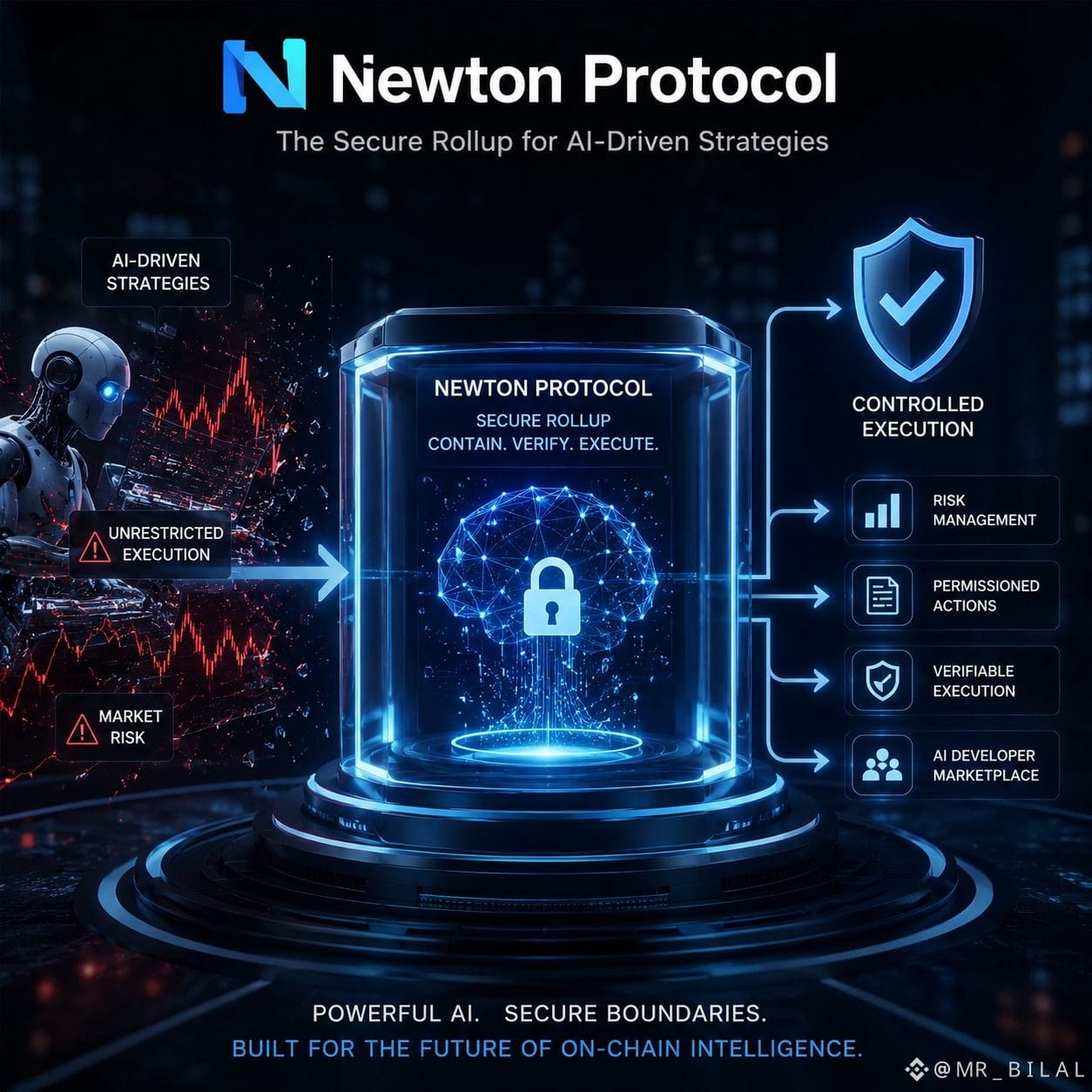
Die Idee ist einfach: KI soll mit Maschinengeschwindigkeit arbeiten, aber in einer Umgebung mit Regeln, Grenzen und Kontrollen.
Klug.
Aber nicht ohne Risiko.
Denn sobald Milliarden an Dollar durch KI-gesteuerte Systeme fließen, kommt die Gier ins Spiel.
Entwickler werden Grenzen ausreizen.
Händler werden nach Alpha jagen.
Und Regulierer werden anfangen zu fragen, wer verantwortlich ist, wenn ein autonomer Agent eine sehr teure Entscheidung trifft.
Newton Protocol setzt darauf, dass die Zukunft des Finanzwesens der KI gehört.
Ich denke, die größere Frage lautet jedoch:
Wenn KI am Ende On-Chain-Kapital kontrolliert, wer kontrolliert dann die KI?
@NewtonProtocol $NEWT #NEWT
#newt
Die echte Wette hinter dem Newton Protocol ist nicht KI. Es ist Eindämmung.
Ich verfolge Krypto schon lange genug, um zu wissen, dass in jedem Zyklus alle von einem neuen Buzzword besessen sind.
Diesmal ist es KI.
Jeder will autonome Agenten, die Portfolios verwalten, Liquidität bewegen und schneller handeln als jeder Mensch je könnte.
Klingt toll.
Bis einer dieser Agenten einen legalen Weg findet, Millionen aus einem Protokoll abzulassen, weil sein einziges Ziel war, den Gewinn zu maximieren.
Hier wird das Newton Protocol interessant.
Es versucht nicht, KI intelligenter zu machen.
Es versucht, Leitplanken zu bauen.
Stell es dir vor, als würdest du einem Formel-1-Auto seine eigene Rennstrecke geben, statt es durch eine belebte Stadt fahren zu lassen.
Die Idee ist einfach: KI soll mit Maschinengeschwindigkeit arbeiten, aber in einer Umgebung mit Regeln, Grenzen und Kontrollen.
Klug.
Aber nicht ohne Risiko.
Denn sobald Milliarden an Dollar durch KI-gesteuerte Systeme fließen, kommt die Gier ins Spiel.
Entwickler werden Grenzen ausreizen.
Händler werden nach Alpha jagen.
Und Regulierer werden anfangen zu fragen, wer verantwortlich ist, wenn ein autonomer Agent eine sehr teure Entscheidung trifft.
Newton Protocol setzt darauf, dass die Zukunft des Finanzwesens der KI gehört.
Ich denke, die größere Frage lautet jedoch:
Wenn KI am Ende On-Chain-Kapital kontrolliert, wer kontrolliert dann die KI?
@NewtonProtocol $NEWT #NEWT
#newt
Ich verfolge Krypto schon lange genug, um zu wissen, dass in jedem Zyklus alle von einem neuen Buzzword besessen sind.
Diesmal ist es KI.
Jeder will autonome Agenten, die Portfolios verwalten, Liquidität bewegen und schneller handeln als jeder Mensch je könnte.
Klingt toll.
Bis einer dieser Agenten einen legalen Weg findet, Millionen aus einem Protokoll abzulassen, weil sein einziges Ziel war, den Gewinn zu maximieren.
Hier wird das Newton Protocol interessant.
Es versucht nicht, KI intelligenter zu machen.
Es versucht, Leitplanken zu bauen.
Stell es dir vor, als würdest du einem Formel-1-Auto seine eigene Rennstrecke geben, statt es durch eine belebte Stadt fahren zu lassen.
Die Idee ist einfach: KI soll mit Maschinengeschwindigkeit arbeiten, aber in einer Umgebung mit Regeln, Grenzen und Kontrollen.
Klug.
Aber nicht ohne Risiko.
Denn sobald Milliarden an Dollar durch KI-gesteuerte Systeme fließen, kommt die Gier ins Spiel.
Entwickler werden Grenzen ausreizen.
Händler werden nach Alpha jagen.
Und Regulierer werden anfangen zu fragen, wer verantwortlich ist, wenn ein autonomer Agent eine sehr teure Entscheidung trifft.
Newton Protocol setzt darauf, dass die Zukunft des Finanzwesens der KI gehört.
Ich denke, die größere Frage lautet jedoch:
Wenn KI am Ende On-Chain-Kapital kontrolliert, wer kontrolliert dann die KI?
@NewtonProtocol $NEWT #NEWT
#newt
12
2
130
DER KNACKPUNKT BEIM KI-FINANZWESEN IST NICHT DIE AUTOMATISIERUNG. ES GEHT DARUM, NACHZUWEISEN, WER HANDELN DURFTE.Ich verfolge Krypto-Infrastrukturprojekte schon lange genug, um zu wissen, dass die wichtigsten Probleme selten gutes Marketing ergeben.
Jeder will über Geschwindigkeit sprechen.
Oder KI.
Oder autonome Trading-Agenten, die nie schlafen.
Niemand will über Berechtigungen sprechen.
Niemand will darüber sprechen, wer was genehmigt hat, unter welchen Bedingungen, und was passiert, wenn ein autonomes System eine vollkommen rationale Entscheidung trifft, die in einer Katastrophe endet.
Genau dort wird das Newton-Protokoll interessant.
Nicht, weil es KI-gestütztes Trading oder automatisierte Strategien verspricht. Diese Ideen gibt es inzwischen überall. Alle paar Monate erscheint ein neues Projekt, das behauptet, das Betriebssystem für autonomes Finanzwesen zu sein.
DER KNACKPUNKT BEIM KI-FINANZWESEN IST NICHT DIE AUTOMATISIERUNG. ES GEHT DARUM, NACHZUWEISEN, WER HANDELN DURFTE.
Ich verfolge Krypto-Infrastrukturprojekte schon lange genug, um zu wissen, dass die wichtigsten Probleme selten gutes Marketing ergeben.
Jeder will über Geschwindigkeit sprechen.
Oder KI.
Oder autonome Trading-Agenten, die nie schlafen.
Niemand will über Berechtigungen sprechen.
Niemand will darüber sprechen, wer was genehmigt hat, unter welchen Bedingungen, und was passiert, wenn ein autonomes System eine vollkommen rationale Entscheidung trifft, die in einer Katastrophe endet.
Genau dort wird das Newton-Protokoll interessant.
Nicht, weil es KI-gestütztes Trading oder automatisierte Strategien verspricht. Diese Ideen gibt es inzwischen überall. Alle paar Monate erscheint ein neues Projekt, das behauptet, das Betriebssystem für autonomes Finanzwesen zu sein.
Jeder will über Geschwindigkeit sprechen.
Oder KI.
Oder autonome Trading-Agenten, die nie schlafen.
Niemand will über Berechtigungen sprechen.
Niemand will darüber sprechen, wer was genehmigt hat, unter welchen Bedingungen, und was passiert, wenn ein autonomes System eine vollkommen rationale Entscheidung trifft, die in einer Katastrophe endet.
Genau dort wird das Newton-Protokoll interessant.
Nicht, weil es KI-gestütztes Trading oder automatisierte Strategien verspricht. Diese Ideen gibt es inzwischen überall. Alle paar Monate erscheint ein neues Projekt, das behauptet, das Betriebssystem für autonomes Finanzwesen zu sein.
19
3
191
Das echte Produkt, das Newton Protocol verkauft, ist nicht KI. Es ist Zurückhaltung.
Ich habe angefangen zu begreifen, dass das größte Risiko in Krypto nicht mehr schlechtem Code gilt.
Sondern autonomem Code.
Ein KI-Agent gerät nicht in Panik.
Er zögert nicht.
Es kümmert ihn nicht, ob seine Strategie einen Liquiditätspool auslöscht oder einen Markt beschädigt.
Er führt einfach aus.
Deshalb hat Newton Protocol meine Aufmerksamkeit erregt.
Die meisten Projekte versuchen, KI-Agenten intelligenter zu machen.
Newton versucht, sie kontrollierbar zu machen.
Eine sichere Ausführungsschicht für KI, automatisierten Handel und On-Chain-Strategien klingt zunächst langweilig.
Ist es aber nicht.
Es ist eine Anerkennung, dass uneingeschränkte KI und Geld eine gefährliche Kombination sind.
Denn wenn Maschinen damit beginnen, Milliarden von Dollar zu verwalten, spielt Intelligenz weniger eine Rolle als Grenzen.
Das Schwierige ist nicht, eine KI zu bauen, die handeln kann.
Das Schwierige ist zu entscheiden, wer sie stoppen darf, wenn etwas schiefgeht.
Und diese Frage könnte am Ende die nächste Ära des Krypto definieren.
@NewtonProtocol $NEWT #NEWT
#newt
Das echte Produkt, das Newton Protocol verkauft, ist nicht KI. Es ist Zurückhaltung.
Ich habe angefangen zu begreifen, dass das größte Risiko in Krypto nicht mehr schlechtem Code gilt.
Sondern autonomem Code.
Ein KI-Agent gerät nicht in Panik.
Er zögert nicht.
Es kümmert ihn nicht, ob seine Strategie einen Liquiditätspool auslöscht oder einen Markt beschädigt.
Er führt einfach aus.
Deshalb hat Newton Protocol meine Aufmerksamkeit erregt.
Die meisten Projekte versuchen, KI-Agenten intelligenter zu machen.
Newton versucht, sie kontrollierbar zu machen.
Eine sichere Ausführungsschicht für KI, automatisierten Handel und On-Chain-Strategien klingt zunächst langweilig.
Ist es aber nicht.
Es ist eine Anerkennung, dass uneingeschränkte KI und Geld eine gefährliche Kombination sind.
Denn wenn Maschinen damit beginnen, Milliarden von Dollar zu verwalten, spielt Intelligenz weniger eine Rolle als Grenzen.
Das Schwierige ist nicht, eine KI zu bauen, die handeln kann.
Das Schwierige ist zu entscheiden, wer sie stoppen darf, wenn etwas schiefgeht.
Und diese Frage könnte am Ende die nächste Ära des Krypto definieren.
@NewtonProtocol $NEWT #NEWT
#newt
Ich habe angefangen zu begreifen, dass das größte Risiko in Krypto nicht mehr schlechtem Code gilt.
Sondern autonomem Code.
Ein KI-Agent gerät nicht in Panik.
Er zögert nicht.
Es kümmert ihn nicht, ob seine Strategie einen Liquiditätspool auslöscht oder einen Markt beschädigt.
Er führt einfach aus.
Deshalb hat Newton Protocol meine Aufmerksamkeit erregt.
Die meisten Projekte versuchen, KI-Agenten intelligenter zu machen.
Newton versucht, sie kontrollierbar zu machen.
Eine sichere Ausführungsschicht für KI, automatisierten Handel und On-Chain-Strategien klingt zunächst langweilig.
Ist es aber nicht.
Es ist eine Anerkennung, dass uneingeschränkte KI und Geld eine gefährliche Kombination sind.
Denn wenn Maschinen damit beginnen, Milliarden von Dollar zu verwalten, spielt Intelligenz weniger eine Rolle als Grenzen.
Das Schwierige ist nicht, eine KI zu bauen, die handeln kann.
Das Schwierige ist zu entscheiden, wer sie stoppen darf, wenn etwas schiefgeht.
Und diese Frage könnte am Ende die nächste Ära des Krypto definieren.
@NewtonProtocol $NEWT #NEWT
#newt
26
7
195
DER SCHWIERIGE TEIL DES AUTONOMEN FINANZWESENS IST NICHT INTELLIGENZ. ES IST VERANTWORTUNG.Ich verfolge Krypto schon lange genug, um zu wissen, dass die meisten Systeme nicht dort ausfallen, wo man es sich vorstellt.
Sie brechen selten schon direkt bei der Transaktion zusammen.
Der Handel wird abgewickelt.
Der Smart Contract führt aus.
Die Signatur wird überprüft.
Es scheint alles zu funktionieren.
Dann beginnen die Fragen.
Wer hat das genehmigt?
Wer hatte die Berechtigung?
Warum hat das System das zugelassen?
Wer ist jetzt verantwortlich?
Diese Fragen liegen im Schatten jedes Finanzsystems, und sie werden viel schwieriger, wenn die handelnde Person bei Entscheidungen keine menschliche ist, sondern eine autonome Maschine.
DER SCHWIERIGE TEIL DES AUTONOMEN FINANZWESENS IST NICHT INTELLIGENZ. ES IST VERANTWORTUNG.
Ich verfolge Krypto schon lange genug, um zu wissen, dass die meisten Systeme nicht dort ausfallen, wo man es sich vorstellt.
Sie brechen selten schon direkt bei der Transaktion zusammen.
Der Handel wird abgewickelt.
Der Smart Contract führt aus.
Die Signatur wird überprüft.
Es scheint alles zu funktionieren.
Dann beginnen die Fragen.
Wer hat das genehmigt?
Wer hatte die Berechtigung?
Warum hat das System das zugelassen?
Wer ist jetzt verantwortlich?
Diese Fragen liegen im Schatten jedes Finanzsystems, und sie werden viel schwieriger, wenn die handelnde Person bei Entscheidungen keine menschliche ist, sondern eine autonome Maschine.
Sie brechen selten schon direkt bei der Transaktion zusammen.
Der Handel wird abgewickelt.
Der Smart Contract führt aus.
Die Signatur wird überprüft.
Es scheint alles zu funktionieren.
Dann beginnen die Fragen.
Wer hat das genehmigt?
Wer hatte die Berechtigung?
Warum hat das System das zugelassen?
Wer ist jetzt verantwortlich?
Diese Fragen liegen im Schatten jedes Finanzsystems, und sie werden viel schwieriger, wenn die handelnde Person bei Entscheidungen keine menschliche ist, sondern eine autonome Maschine.
6
2
129
Anmelden und weiter Inhalte entdecken
Krypto-Nutzer weltweit auf Binance Square kennenlernen
⚡️ Bleib in Sachen Krypto stets am Puls.
💬 Die weltgrößte Kryptobörse vertraut darauf.
👍 Erhalte verlässliche Einblicke von verifizierten Creators.
E-Mail-Adresse/Telefonnummer
Trendthemen
ADAGains10%Above$0.27
10,426 Aufrufe
153 Kommentare
$ADA legt heute kräftig zu und steigt um mehr als 10 Prozent auf etwa 027. Damit erreicht die Aktie ein neues 90-Tage-Hoch.
Auch das Handelsvolumen ist auf über 1 Milliarde gestiegen und deutet auf eine rege Marktaktivität hin.
Der Kursanstieg erfolgt, während $ADA seine Erholung von den Tiefständen im Juni fortsetzt und sich die jüngste technische Struktur zunehmend bullischer entwickelt.
Die Zone zwischen 027 und 028 ist nun entscheidend. Ein anhaltender Ausbruch könnte den Weg zu höheren Widerstandsniveaus ebnen.
Nach einem derart starken Tagesanstieg könnte die Volatilität jedoch weiterhin hoch bleiben.
#ADAGains10%Above$0.27 #crypto #ADA #Cardano #crypto #Write2Earn
AbdullahAbid_7
·0 Likes
·311 Aufrufe
ETHUp70%InQ3ButLiquidityFalls
117,270 Aufrufe
924 Kommentare
EthStakingExitQueueHits2026High
42,459 Aufrufe
674 Kommentare