

BlockchainReporter
27.8k Beiträge

BlockchainReporter
 Square Verified+
Melden
Nutzer blockieren
The World's Page on Emerging Tech | Cryptocurrencies | Bitcoin | Blockchain | NFT | blockchainreporter.net
2 Following
42.0K+ Follower
180.1K+ Like gegeben
Beiträge
Artikel
Niedrigste Gebühren für Bitcoin-Geldautomaten kündigt Start von mehr als 400 Geldautomaten im gesamten Land anLas Vegas, NV, 1. Oktober 2026, Chainwire
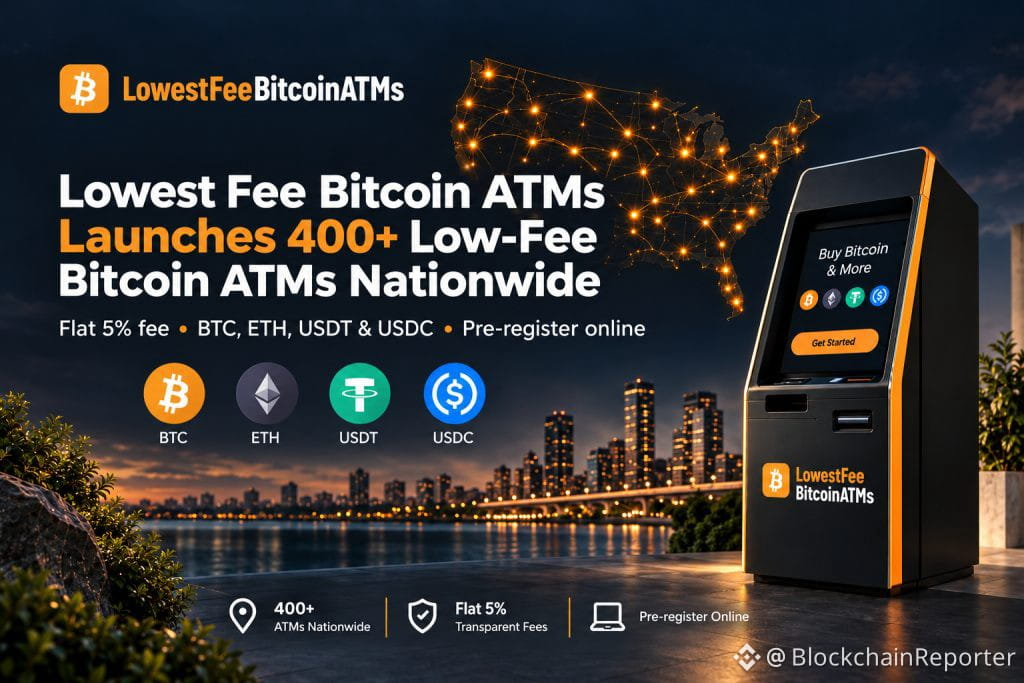
Niedrigste Gebühren für Bitcoin-Geldautomaten angekündigt: Start von mehr als 400 Kryptowährungs-Geldautomaten in den Vereinigten Staaten. Die Geräte ermöglichen es Kunden, Bitcoin, Ethereum, USDT und USDC mit Bargeld zu einem festgelegten Pauschalaufschlag von 5 % zu kaufen. Kunden können sich außerdem online vorregistrieren, bevor sie einen Geldautomaten aufsuchen.
Niedrigste Gebühren für Bitcoin-Geldautomaten: Der neue landesweite Betreiber von Bitcoin-Geldautomaten mit geringen Gebühren startete heute mit einem ersten Rollout von mehr als 400 Bitcoin-Geldautomaten in den Vereinigten Staaten. Damit zählt er am ersten Tag zu den größten Bitcoin-Geldautomatenbetreibern des Landes. Außerdem startete er mit einem Namen, der einen Großteil der Marketingarbeit für ihn erledigt. Die Marke erhebt eine pauschale Gebühr von 5 % für Bitcoin-Geldautomaten, um Bitcoin, Ethereum, USDT oder USDC mit Bargeld zu kaufen. Sie zeigt die Gebühr und den Wechselkurs auf dem Bildschirm an, bevor der Kunde bestätigt, und ermöglicht es seit heute, dass sich Neukunden in etwa zwei Minuten online registrieren können, sodass sie das Onboarding an der Maschine vollständig überspringen.
Niedrigste Gebühren für Bitcoin-Geldautomaten kündigt Start von mehr als 400 Geldautomaten im gesamten Land an
Las Vegas, NV, 1. Oktober 2026, Chainwire
Niedrigste Gebühren für Bitcoin-Geldautomaten angekündigt: Start von mehr als 400 Kryptowährungs-Geldautomaten in den Vereinigten Staaten. Die Geräte ermöglichen es Kunden, Bitcoin, Ethereum, USDT und USDC mit Bargeld zu einem festgelegten Pauschalaufschlag von 5 % zu kaufen. Kunden können sich außerdem online vorregistrieren, bevor sie einen Geldautomaten aufsuchen.
Niedrigste Gebühren für Bitcoin-Geldautomaten: Der neue landesweite Betreiber von Bitcoin-Geldautomaten mit geringen Gebühren startete heute mit einem ersten Rollout von mehr als 400 Bitcoin-Geldautomaten in den Vereinigten Staaten. Damit zählt er am ersten Tag zu den größten Bitcoin-Geldautomatenbetreibern des Landes. Außerdem startete er mit einem Namen, der einen Großteil der Marketingarbeit für ihn erledigt. Die Marke erhebt eine pauschale Gebühr von 5 % für Bitcoin-Geldautomaten, um Bitcoin, Ethereum, USDT oder USDC mit Bargeld zu kaufen. Sie zeigt die Gebühr und den Wechselkurs auf dem Bildschirm an, bevor der Kunde bestätigt, und ermöglicht es seit heute, dass sich Neukunden in etwa zwei Minuten online registrieren können, sodass sie das Onboarding an der Maschine vollständig überspringen.
Niedrigste Gebühren für Bitcoin-Geldautomaten angekündigt: Start von mehr als 400 Kryptowährungs-Geldautomaten in den Vereinigten Staaten. Die Geräte ermöglichen es Kunden, Bitcoin, Ethereum, USDT und USDC mit Bargeld zu einem festgelegten Pauschalaufschlag von 5 % zu kaufen. Kunden können sich außerdem online vorregistrieren, bevor sie einen Geldautomaten aufsuchen.
Niedrigste Gebühren für Bitcoin-Geldautomaten: Der neue landesweite Betreiber von Bitcoin-Geldautomaten mit geringen Gebühren startete heute mit einem ersten Rollout von mehr als 400 Bitcoin-Geldautomaten in den Vereinigten Staaten. Damit zählt er am ersten Tag zu den größten Bitcoin-Geldautomatenbetreibern des Landes. Außerdem startete er mit einem Namen, der einen Großteil der Marketingarbeit für ihn erledigt. Die Marke erhebt eine pauschale Gebühr von 5 % für Bitcoin-Geldautomaten, um Bitcoin, Ethereum, USDT oder USDC mit Bargeld zu kaufen. Sie zeigt die Gebühr und den Wechselkurs auf dem Bildschirm an, bevor der Kunde bestätigt, und ermöglicht es seit heute, dass sich Neukunden in etwa zwei Minuten online registrieren können, sodass sie das Onboarding an der Maschine vollständig überspringen.
1
159
Artikel
Das Krypto-Treueprogramm von Travala überschreitet 170.000 Mitglieder und setzt sich langfristiges Ziel von 30% des AVA-Angebots…Singapur, Singapur, 1. Oktober 2026, Chainwire
Da bereits rund 16% der im Umlauf befindlichen AVA-Token gesperrt sind, führt das AVA Smart Program neue Sperrstufen ein – im Rahmen eines umfassenderen Umbaus der Tokenomics von AVA.
Die AVA Foundation und Travala haben heute neue Standard-Sperrstufen für das AVA Smart Program angekündigt – zusammen mit einem langfristigen Ziel, 30% der im Umlauf befindlichen AVA-Token zu sperren.
Das AVA Smart Program – das Krypto-Treueprogramm von Travala – hat mehr als 170.000 Mitglieder und ist bis August um 110% im Jahresvergleich gewachsen. Ungefähr 12,1 Millionen AVA sind nun über das gesamte Programm sowie AVA+ Rewards gesperrt, was etwa 16% der im Umlauf befindlichen Tokenmenge entspricht.
Das Krypto-Treueprogramm von Travala überschreitet 170.000 Mitglieder und setzt sich langfristiges Ziel von 30% des AVA-Angebots…
Singapur, Singapur, 1. Oktober 2026, Chainwire
Da bereits rund 16% der im Umlauf befindlichen AVA-Token gesperrt sind, führt das AVA Smart Program neue Sperrstufen ein – im Rahmen eines umfassenderen Umbaus der Tokenomics von AVA.
Die AVA Foundation und Travala haben heute neue Standard-Sperrstufen für das AVA Smart Program angekündigt – zusammen mit einem langfristigen Ziel, 30% der im Umlauf befindlichen AVA-Token zu sperren.
Das AVA Smart Program – das Krypto-Treueprogramm von Travala – hat mehr als 170.000 Mitglieder und ist bis August um 110% im Jahresvergleich gewachsen. Ungefähr 12,1 Millionen AVA sind nun über das gesamte Programm sowie AVA+ Rewards gesperrt, was etwa 16% der im Umlauf befindlichen Tokenmenge entspricht.
Da bereits rund 16% der im Umlauf befindlichen AVA-Token gesperrt sind, führt das AVA Smart Program neue Sperrstufen ein – im Rahmen eines umfassenderen Umbaus der Tokenomics von AVA.
Die AVA Foundation und Travala haben heute neue Standard-Sperrstufen für das AVA Smart Program angekündigt – zusammen mit einem langfristigen Ziel, 30% der im Umlauf befindlichen AVA-Token zu sperren.
Das AVA Smart Program – das Krypto-Treueprogramm von Travala – hat mehr als 170.000 Mitglieder und ist bis August um 110% im Jahresvergleich gewachsen. Ungefähr 12,1 Millionen AVA sind nun über das gesamte Programm sowie AVA+ Rewards gesperrt, was etwa 16% der im Umlauf befindlichen Tokenmenge entspricht.
418
Artikel
Tria bringt native Unterstützung für den XRP Ledger in Wallet, Karte und TradingNew York, USA, 30. September 2026, Chainwire
Die Integration ermöglicht es Nutzern, XRP, RLUSD und USDC zu halten und XRP zu verwenden, um Tria-Karten sowie Hyperliquid- oder Decibel-Handelskonten zu finanzieren – ohne manuelles Bridging oder Swapping.
Tria, die Self-Custody-Neofinance-Plattform für Trading, Verdienen, Ausgeben und das Bewegen von Assets über Chains hinweg, hat heute die native Unterstützung für den XRP Ledger angekündigt – damit ist XRP direkt über die Wallet-, Karten- und Trading-Produkte von Tria nutzbar.
Nutzer können jetzt XRP, RLUSD und USDC empfangen, halten und senden – auf dem nativen XRP Ledger – XRP verwenden, um eine Tria-Karte zu buchen oder aufzuladen, und Futures-Handelskonten auf Hyperliquid oder Decibel finanzieren – alles direkt in Tria.
Tria bringt native Unterstützung für den XRP Ledger in Wallet, Karte und Trading
New York, USA, 30. September 2026, Chainwire
Die Integration ermöglicht es Nutzern, XRP, RLUSD und USDC zu halten und XRP zu verwenden, um Tria-Karten sowie Hyperliquid- oder Decibel-Handelskonten zu finanzieren – ohne manuelles Bridging oder Swapping.
Tria, die Self-Custody-Neofinance-Plattform für Trading, Verdienen, Ausgeben und das Bewegen von Assets über Chains hinweg, hat heute die native Unterstützung für den XRP Ledger angekündigt – damit ist XRP direkt über die Wallet-, Karten- und Trading-Produkte von Tria nutzbar.
Nutzer können jetzt XRP, RLUSD und USDC empfangen, halten und senden – auf dem nativen XRP Ledger – XRP verwenden, um eine Tria-Karte zu buchen oder aufzuladen, und Futures-Handelskonten auf Hyperliquid oder Decibel finanzieren – alles direkt in Tria.
Die Integration ermöglicht es Nutzern, XRP, RLUSD und USDC zu halten und XRP zu verwenden, um Tria-Karten sowie Hyperliquid- oder Decibel-Handelskonten zu finanzieren – ohne manuelles Bridging oder Swapping.
Tria, die Self-Custody-Neofinance-Plattform für Trading, Verdienen, Ausgeben und das Bewegen von Assets über Chains hinweg, hat heute die native Unterstützung für den XRP Ledger angekündigt – damit ist XRP direkt über die Wallet-, Karten- und Trading-Produkte von Tria nutzbar.
Nutzer können jetzt XRP, RLUSD und USDC empfangen, halten und senden – auf dem nativen XRP Ledger – XRP verwenden, um eine Tria-Karte zu buchen oder aufzuladen, und Futures-Handelskonten auf Hyperliquid oder Decibel finanzieren – alles direkt in Tria.
500
Artikel
Amaze Holdings (NYSE: AMZE) führt eine verbindliche LOI zum Erwerb von BullionFX | Alchemy, einer dezentralen ...NEUPORT BEACH, Kalifornien, 29. September 2026, Chainwire
Der vorgeschlagene Erwerb würde ein goldgedecktes, dezentrales Finanz-Ökosystem einbringen, einschließlich dezentraler Finanzinfrastruktur mit Fokus auf den Einzelhandels-, institutionellen- und Blockchain-Markt.
Eine Einzelhandels- und institutionelle Plattform, die für die schnell wachsende Stablecoin-Branche entwickelt wurde und compliance-orientierte Infrastruktur für Zahlungen, Yield, Lending und ein offenes Ökosystem bietet sowie industrieweite, dezentrale Finanzanwendungen ermöglicht.
Institutionelle, goldbasierte Infrastruktur, die Gold als Währung, mit Gold besicherte USD-Produkte und goldgedeckte Finanzprodukte umfasst – verankert auf einem Ethereum-basierten Layer-2-Netzwerk, das als stabile Grundlage für die nächste Generation von Branchenprodukten entwickelt wurde.
Amaze Holdings (NYSE: AMZE) führt eine verbindliche LOI zum Erwerb von BullionFX | Alchemy, einer dezentralen ...
NEUPORT BEACH, Kalifornien, 29. September 2026, Chainwire
Der vorgeschlagene Erwerb würde ein goldgedecktes, dezentrales Finanz-Ökosystem einbringen, einschließlich dezentraler Finanzinfrastruktur mit Fokus auf den Einzelhandels-, institutionellen- und Blockchain-Markt.
Eine Einzelhandels- und institutionelle Plattform, die für die schnell wachsende Stablecoin-Branche entwickelt wurde und compliance-orientierte Infrastruktur für Zahlungen, Yield, Lending und ein offenes Ökosystem bietet sowie industrieweite, dezentrale Finanzanwendungen ermöglicht.
Institutionelle, goldbasierte Infrastruktur, die Gold als Währung, mit Gold besicherte USD-Produkte und goldgedeckte Finanzprodukte umfasst – verankert auf einem Ethereum-basierten Layer-2-Netzwerk, das als stabile Grundlage für die nächste Generation von Branchenprodukten entwickelt wurde.
Der vorgeschlagene Erwerb würde ein goldgedecktes, dezentrales Finanz-Ökosystem einbringen, einschließlich dezentraler Finanzinfrastruktur mit Fokus auf den Einzelhandels-, institutionellen- und Blockchain-Markt.
Eine Einzelhandels- und institutionelle Plattform, die für die schnell wachsende Stablecoin-Branche entwickelt wurde und compliance-orientierte Infrastruktur für Zahlungen, Yield, Lending und ein offenes Ökosystem bietet sowie industrieweite, dezentrale Finanzanwendungen ermöglicht.
Institutionelle, goldbasierte Infrastruktur, die Gold als Währung, mit Gold besicherte USD-Produkte und goldgedeckte Finanzprodukte umfasst – verankert auf einem Ethereum-basierten Layer-2-Netzwerk, das als stabile Grundlage für die nächste Generation von Branchenprodukten entwickelt wurde.
1
116
Artikel
PrimeXBT fügt 15 neue Crypto Futures hinzu und erreicht damit insgesamt über 170Castries, St. Lucia, 29. September 2026, Chainwire
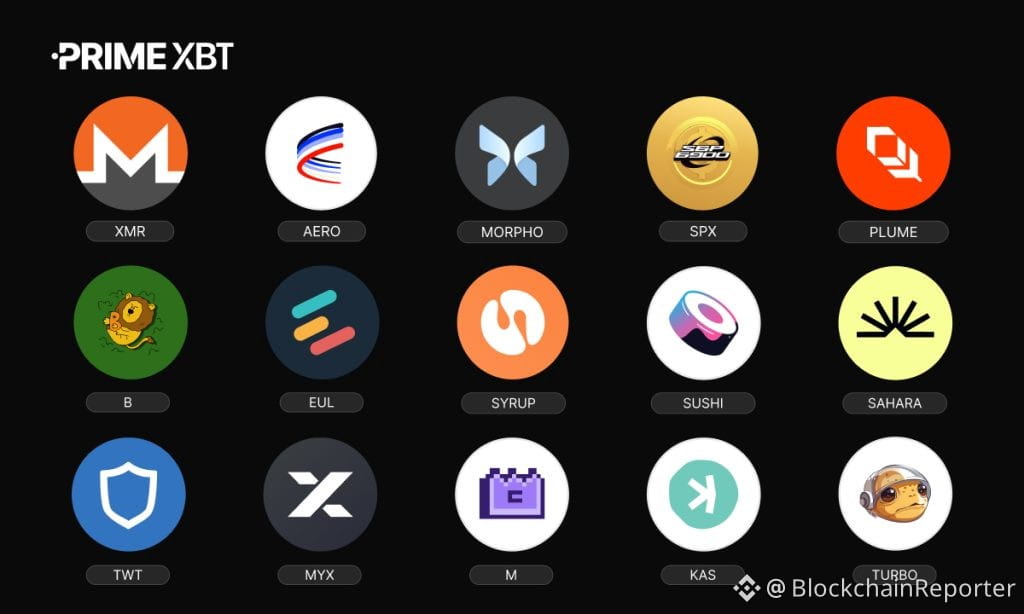
PrimeXBT, ein globaler Multi-Asset-Broker und Anbieter von Krypto-Assets, hat 15 neue Crypto Futures zu seiner PXTrader-2.0-Plattform hinzugefügt und damit die Gesamtauswahl auf mehr als 170 erweitert. Die Erweiterung bietet Händlern mehr Auswahl und mehr Möglichkeiten, auf Chancen zu reagieren, die sich im sich wandelnden Krypto-Markt ergeben.
Alle 15 neuen Crypto Futures sind gegen USDT gepaart und umfassen eine vielfältige Mischung aus etablierten und aufstrebenden Projekten: Monero (XMR), Aerodrome Finance (AERO), Morpho (MORPHO), Euler (EUL), Maple Finance (SYRUP), SushiSwap (SUSHI), MYX Finance (MYX), Sahara AI (SAHARA), SPX6900 (SPX), MemeCore (M), Turbo (TURBO), Plume (PLUME), Kaspa (KAS), BUILDon (B) und Trust Wallet Token (TWT).
PrimeXBT fügt 15 neue Crypto Futures hinzu und erreicht damit insgesamt über 170
Castries, St. Lucia, 29. September 2026, Chainwire
PrimeXBT, ein globaler Multi-Asset-Broker und Anbieter von Krypto-Assets, hat 15 neue Crypto Futures zu seiner PXTrader-2.0-Plattform hinzugefügt und damit die Gesamtauswahl auf mehr als 170 erweitert. Die Erweiterung bietet Händlern mehr Auswahl und mehr Möglichkeiten, auf Chancen zu reagieren, die sich im sich wandelnden Krypto-Markt ergeben.
Alle 15 neuen Crypto Futures sind gegen USDT gepaart und umfassen eine vielfältige Mischung aus etablierten und aufstrebenden Projekten: Monero (XMR), Aerodrome Finance (AERO), Morpho (MORPHO), Euler (EUL), Maple Finance (SYRUP), SushiSwap (SUSHI), MYX Finance (MYX), Sahara AI (SAHARA), SPX6900 (SPX), MemeCore (M), Turbo (TURBO), Plume (PLUME), Kaspa (KAS), BUILDon (B) und Trust Wallet Token (TWT).
PrimeXBT, ein globaler Multi-Asset-Broker und Anbieter von Krypto-Assets, hat 15 neue Crypto Futures zu seiner PXTrader-2.0-Plattform hinzugefügt und damit die Gesamtauswahl auf mehr als 170 erweitert. Die Erweiterung bietet Händlern mehr Auswahl und mehr Möglichkeiten, auf Chancen zu reagieren, die sich im sich wandelnden Krypto-Markt ergeben.
Alle 15 neuen Crypto Futures sind gegen USDT gepaart und umfassen eine vielfältige Mischung aus etablierten und aufstrebenden Projekten: Monero (XMR), Aerodrome Finance (AERO), Morpho (MORPHO), Euler (EUL), Maple Finance (SYRUP), SushiSwap (SUSHI), MYX Finance (MYX), Sahara AI (SAHARA), SPX6900 (SPX), MemeCore (M), Turbo (TURBO), Plume (PLUME), Kaspa (KAS), BUILDon (B) und Trust Wallet Token (TWT).
77
Artikel
Beldex startet ein 1-Millionen-Dollar-Grants-Programm für DatenschutzinnovationVictoria, Seychellen, 29. September 2026, Chainwire
Beldex, ein auf den Datenschutz ausgerichtetes Blockchain-Ökosystem, hat heute die Einführung des Beldex Grants Program bekannt gegeben und sich verpflichtet, 1 Million US-Dollar bereitzustellen, um Entwickler zu unterstützen, die datenschutzfreundliche Anwendungen, Infrastruktur und Tools im Beldex-Netzwerk entwickeln. Anstatt in festen Zyklen zu arbeiten, nimmt das Programm fortlaufend Vorschläge entgegen; die Förderentscheidungen werden anhand der Projektbereitschaft getroffen und nicht anhand von Kalenderfristen.
Das Programm wird formell auf der Korea Blockchain Week 2026 in Seoul bis Ende September eingeführt. Das Programm steht Entwicklern, Startups und Teams weltweit offen. Um sich zu qualifizieren, müssen Projekte auf dem Beldex-Netzwerk aufgebaut sein oder es sinnvoll nutzen; Datenschutz muss ein grundlegender Bestandteil der Projektarchitektur, -funktionalität oder der Nutzererfahrung sein.
Beldex startet ein 1-Millionen-Dollar-Grants-Programm für Datenschutzinnovation
Victoria, Seychellen, 29. September 2026, Chainwire
Beldex, ein auf den Datenschutz ausgerichtetes Blockchain-Ökosystem, hat heute die Einführung des Beldex Grants Program bekannt gegeben und sich verpflichtet, 1 Million US-Dollar bereitzustellen, um Entwickler zu unterstützen, die datenschutzfreundliche Anwendungen, Infrastruktur und Tools im Beldex-Netzwerk entwickeln. Anstatt in festen Zyklen zu arbeiten, nimmt das Programm fortlaufend Vorschläge entgegen; die Förderentscheidungen werden anhand der Projektbereitschaft getroffen und nicht anhand von Kalenderfristen.
Das Programm wird formell auf der Korea Blockchain Week 2026 in Seoul bis Ende September eingeführt. Das Programm steht Entwicklern, Startups und Teams weltweit offen. Um sich zu qualifizieren, müssen Projekte auf dem Beldex-Netzwerk aufgebaut sein oder es sinnvoll nutzen; Datenschutz muss ein grundlegender Bestandteil der Projektarchitektur, -funktionalität oder der Nutzererfahrung sein.
Beldex, ein auf den Datenschutz ausgerichtetes Blockchain-Ökosystem, hat heute die Einführung des Beldex Grants Program bekannt gegeben und sich verpflichtet, 1 Million US-Dollar bereitzustellen, um Entwickler zu unterstützen, die datenschutzfreundliche Anwendungen, Infrastruktur und Tools im Beldex-Netzwerk entwickeln. Anstatt in festen Zyklen zu arbeiten, nimmt das Programm fortlaufend Vorschläge entgegen; die Förderentscheidungen werden anhand der Projektbereitschaft getroffen und nicht anhand von Kalenderfristen.
Das Programm wird formell auf der Korea Blockchain Week 2026 in Seoul bis Ende September eingeführt. Das Programm steht Entwicklern, Startups und Teams weltweit offen. Um sich zu qualifizieren, müssen Projekte auf dem Beldex-Netzwerk aufgebaut sein oder es sinnvoll nutzen; Datenschutz muss ein grundlegender Bestandteil der Projektarchitektur, -funktionalität oder der Nutzererfahrung sein.
203
Artikel
Crystal Intelligence unterstützt Untersuchung zu 655.000 US-Dollar Krypto-Betrug in PragAmsterdam, Niederlande, 29. September 2026, Chainwire
Crystal Intelligence arbeitete mit Strafverfolgungsbehörden zusammen, um die grenzüberschreitende Untersuchung in Prag zu unterstützen
Die Nationale Cyberpolizei der Ukraine leitete eine strafrechtliche Untersuchung wegen Betrugs mit Krypto-Assets im Umfang von über 655.000 US-Dollar. Dies führte zu einer internationalen Strafverfolgungsaktion und zu der Genehmigung von Durchsuchungen des Wohnsitzes des Verdächtigen in Prag (Tschechische Republik). Im Rahmen des Verfahrens stellte Crystal Intelligence Unterstützung in Form von Blockchain-Analytik bereit, um Ermittlern dabei zu helfen, die Bewegung der Krypto-Assets nachzuverfolgen.
Crystal Intelligence unterstützt Untersuchung zu 655.000 US-Dollar Krypto-Betrug in Prag
Amsterdam, Niederlande, 29. September 2026, Chainwire
Crystal Intelligence arbeitete mit Strafverfolgungsbehörden zusammen, um die grenzüberschreitende Untersuchung in Prag zu unterstützen
Die Nationale Cyberpolizei der Ukraine leitete eine strafrechtliche Untersuchung wegen Betrugs mit Krypto-Assets im Umfang von über 655.000 US-Dollar. Dies führte zu einer internationalen Strafverfolgungsaktion und zu der Genehmigung von Durchsuchungen des Wohnsitzes des Verdächtigen in Prag (Tschechische Republik). Im Rahmen des Verfahrens stellte Crystal Intelligence Unterstützung in Form von Blockchain-Analytik bereit, um Ermittlern dabei zu helfen, die Bewegung der Krypto-Assets nachzuverfolgen.
Crystal Intelligence arbeitete mit Strafverfolgungsbehörden zusammen, um die grenzüberschreitende Untersuchung in Prag zu unterstützen
Die Nationale Cyberpolizei der Ukraine leitete eine strafrechtliche Untersuchung wegen Betrugs mit Krypto-Assets im Umfang von über 655.000 US-Dollar. Dies führte zu einer internationalen Strafverfolgungsaktion und zu der Genehmigung von Durchsuchungen des Wohnsitzes des Verdächtigen in Prag (Tschechische Republik). Im Rahmen des Verfahrens stellte Crystal Intelligence Unterstützung in Form von Blockchain-Analytik bereit, um Ermittlern dabei zu helfen, die Bewegung der Krypto-Assets nachzuverfolgen.
1
72
Artikel
BTSE Bhutan erhält Lizenz für Finanzdienstleistungen für digitale Asset-Handelsdienstleistungen in Gelephu Min...Gelephu, Bhutan, 29. September 2026, Chainwire
BTSE Exchange Pte Ltd („BTSE Bhutan“) gab heute bekannt, dass ihr eine Lizenz für Finanzdienstleistungen (Financial Services License, FSL) von der Gelephu Financial Services Office (GFSO) erteilt wurde, dem Finanzregulierer der Sonderverwaltungsregion Gelephu Mindfulness City (GMC). Die Lizenz folgt auf die Grundsatzgenehmigung, die BTSE Bhutan im April 2026 erhalten hatte, und bestätigt, dass das Unternehmen alle vom GFSO festgelegten Voraussetzungen erfüllt hat.
Die FSL ermächtigt BTSE Bhutan, zwei regulierte Tätigkeiten auszuführen: den Betrieb einer multilateralen Handelsplattform für den Austausch virtueller Vermögenswerte sowie die Bereitstellung von Verwahrdienstleistungen in institutioneller Qualität zum Schutz und zur sicheren Aufbewahrung virtueller Vermögenswerte. Mit Inkrafttreten der Lizenz wird BTSE Bhutan innerhalb des GFSO-Rahmens zu einem vollständig regulierten Ort sowohl für Handels- als auch für Verwahrdienstleistungen.
BTSE Bhutan erhält Lizenz für Finanzdienstleistungen für digitale Asset-Handelsdienstleistungen in Gelephu Min...
Gelephu, Bhutan, 29. September 2026, Chainwire
BTSE Exchange Pte Ltd („BTSE Bhutan“) gab heute bekannt, dass ihr eine Lizenz für Finanzdienstleistungen (Financial Services License, FSL) von der Gelephu Financial Services Office (GFSO) erteilt wurde, dem Finanzregulierer der Sonderverwaltungsregion Gelephu Mindfulness City (GMC). Die Lizenz folgt auf die Grundsatzgenehmigung, die BTSE Bhutan im April 2026 erhalten hatte, und bestätigt, dass das Unternehmen alle vom GFSO festgelegten Voraussetzungen erfüllt hat.
Die FSL ermächtigt BTSE Bhutan, zwei regulierte Tätigkeiten auszuführen: den Betrieb einer multilateralen Handelsplattform für den Austausch virtueller Vermögenswerte sowie die Bereitstellung von Verwahrdienstleistungen in institutioneller Qualität zum Schutz und zur sicheren Aufbewahrung virtueller Vermögenswerte. Mit Inkrafttreten der Lizenz wird BTSE Bhutan innerhalb des GFSO-Rahmens zu einem vollständig regulierten Ort sowohl für Handels- als auch für Verwahrdienstleistungen.
BTSE Exchange Pte Ltd („BTSE Bhutan“) gab heute bekannt, dass ihr eine Lizenz für Finanzdienstleistungen (Financial Services License, FSL) von der Gelephu Financial Services Office (GFSO) erteilt wurde, dem Finanzregulierer der Sonderverwaltungsregion Gelephu Mindfulness City (GMC). Die Lizenz folgt auf die Grundsatzgenehmigung, die BTSE Bhutan im April 2026 erhalten hatte, und bestätigt, dass das Unternehmen alle vom GFSO festgelegten Voraussetzungen erfüllt hat.
Die FSL ermächtigt BTSE Bhutan, zwei regulierte Tätigkeiten auszuführen: den Betrieb einer multilateralen Handelsplattform für den Austausch virtueller Vermögenswerte sowie die Bereitstellung von Verwahrdienstleistungen in institutioneller Qualität zum Schutz und zur sicheren Aufbewahrung virtueller Vermögenswerte. Mit Inkrafttreten der Lizenz wird BTSE Bhutan innerhalb des GFSO-Rahmens zu einem vollständig regulierten Ort sowohl für Handels- als auch für Verwahrdienstleistungen.
1
146

Artikel
AlgoQuant Asset Management wählt Liquid Mercury, um die Handelsinfrastruktur für digitale Assets zu verbessernChicago, Vereinigte Staaten, 28. September 2026, Chainwire
AlgoQuant wird die institutionelle Handelstechnologie von Liquid Mercury einsetzen, um seine Multi-Strategie-Investmentplattform zu skalieren und die Ausführungsfähigkeiten über globale Märkte für digitale Vermögenswerte hinweg zu verbessern.
Liquid Mercury, ein führender Technologieanbieter für digitale Asset-Marktplätze und Krypto-Handel, gab heute bekannt, dass es von AlgoQuant Asset Management beauftragt wurde, einem Investmentmanager, der sich auf die Behebung von Ineffizienzen in schnelllebigen Märkten konzentriert, um Handelstechnologie und Infrastrukturservices bereitzustellen.
AlgoQuant Asset Management wählt Liquid Mercury, um die Handelsinfrastruktur für digitale Assets zu verbessern
Chicago, Vereinigte Staaten, 28. September 2026, Chainwire
AlgoQuant wird die institutionelle Handelstechnologie von Liquid Mercury einsetzen, um seine Multi-Strategie-Investmentplattform zu skalieren und die Ausführungsfähigkeiten über globale Märkte für digitale Vermögenswerte hinweg zu verbessern.
Liquid Mercury, ein führender Technologieanbieter für digitale Asset-Marktplätze und Krypto-Handel, gab heute bekannt, dass es von AlgoQuant Asset Management beauftragt wurde, einem Investmentmanager, der sich auf die Behebung von Ineffizienzen in schnelllebigen Märkten konzentriert, um Handelstechnologie und Infrastrukturservices bereitzustellen.
AlgoQuant wird die institutionelle Handelstechnologie von Liquid Mercury einsetzen, um seine Multi-Strategie-Investmentplattform zu skalieren und die Ausführungsfähigkeiten über globale Märkte für digitale Vermögenswerte hinweg zu verbessern.
Liquid Mercury, ein führender Technologieanbieter für digitale Asset-Marktplätze und Krypto-Handel, gab heute bekannt, dass es von AlgoQuant Asset Management beauftragt wurde, einem Investmentmanager, der sich auf die Behebung von Ineffizienzen in schnelllebigen Märkten konzentriert, um Handelstechnologie und Infrastrukturservices bereitzustellen.
156
Verifiziert
Artikel
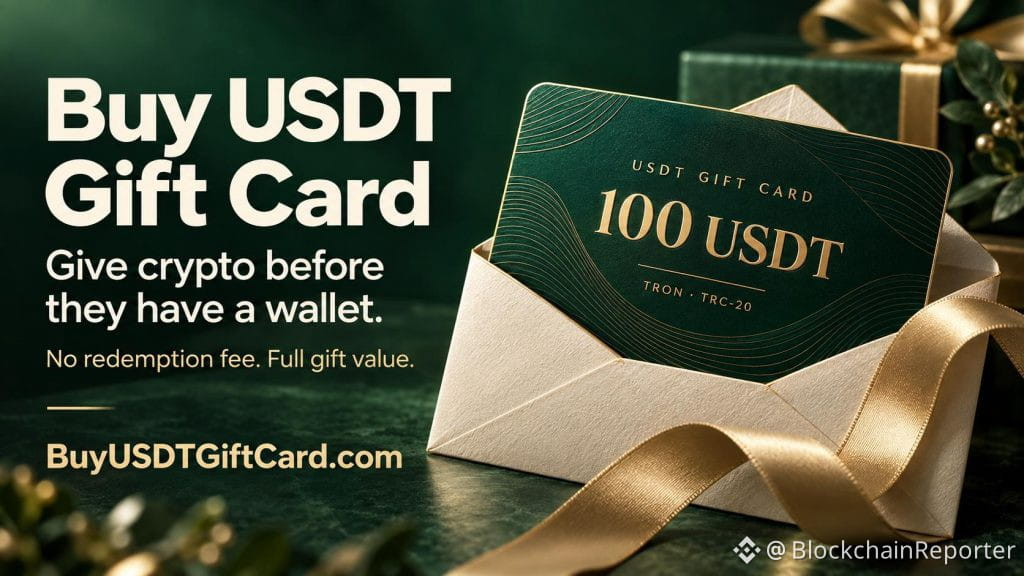
Buy USDT Gift Card: USDT-Geschenkkarte kündigt digitalen Geschenkservice mit kostenloser Einlösung anBerlin, Deutschland, 24. September 2026, Chainwire
Der Online-Dienst ermöglicht es Käufern, personalisierte USDT-Geschenkkarten zu übermitteln, bevor Empfänger eine Wallet haben, wobei der gesamte Geschenkwert bei der Einlösung verfügbar ist.
USDT-Geschenkkarte kündigt die Verfügbarkeit seines digitalen Kryptowährungs-Geschenkservices auf BuyUSDTGiftCard.com an. Der Service ermöglicht Käufern, personalisierte USDT-Geschenkkarten zu erstellen, ohne die Wallet-Adresse des Empfängers bei der Bestellung zu benötigen. Empfänger können ihre Karte zuerst erhalten, später eine kompatible Wallet einrichten und den vollen USDT-Nennwert ohne Aktivierungs- oder Einlösungsgebühr einlösen, die vom Service erhoben wird.
Buy USDT Gift Card: USDT-Geschenkkarte kündigt digitalen Geschenkservice mit kostenloser Einlösung an
Berlin, Deutschland, 24. September 2026, Chainwire
Der Online-Dienst ermöglicht es Käufern, personalisierte USDT-Geschenkkarten zu übermitteln, bevor Empfänger eine Wallet haben, wobei der gesamte Geschenkwert bei der Einlösung verfügbar ist.
USDT-Geschenkkarte kündigt die Verfügbarkeit seines digitalen Kryptowährungs-Geschenkservices auf BuyUSDTGiftCard.com an. Der Service ermöglicht Käufern, personalisierte USDT-Geschenkkarten zu erstellen, ohne die Wallet-Adresse des Empfängers bei der Bestellung zu benötigen. Empfänger können ihre Karte zuerst erhalten, später eine kompatible Wallet einrichten und den vollen USDT-Nennwert ohne Aktivierungs- oder Einlösungsgebühr einlösen, die vom Service erhoben wird.
Der Online-Dienst ermöglicht es Käufern, personalisierte USDT-Geschenkkarten zu übermitteln, bevor Empfänger eine Wallet haben, wobei der gesamte Geschenkwert bei der Einlösung verfügbar ist.
USDT-Geschenkkarte kündigt die Verfügbarkeit seines digitalen Kryptowährungs-Geschenkservices auf BuyUSDTGiftCard.com an. Der Service ermöglicht Käufern, personalisierte USDT-Geschenkkarten zu erstellen, ohne die Wallet-Adresse des Empfängers bei der Bestellung zu benötigen. Empfänger können ihre Karte zuerst erhalten, später eine kompatible Wallet einrichten und den vollen USDT-Nennwert ohne Aktivierungs- oder Einlösungsgebühr einlösen, die vom Service erhoben wird.
1
598

Artikel
Streamex wandelt Interesse in Kapital um, da die GLDY-Investitionsstrategie eine institutionelle Finanzierung von 1 Mio. USD+ sichertMiami, Florida, 24. September 2026, Chainwire
Eine Metalayer-Capital-Strategie, die durch eine anfängliche institutionelle Zuteilung abgesichert ist, nutzt GLDY als lange Laufzeit im Rahmen eines delta-neutralen Goldhandels und schafft so einen neuen Absatzkanal für das zinsbringende tokenisierte Gold-Asset von Streamex. Mit Folgeinvestitionen wird gerechnet.
Streamex Corp., ein an der Nasdaq gelistetes Technologieunternehmen, das die Zukunft der Rohstoffmärkte durch Tokenisierung gestaltet, hat sich eine Zusage institutionellen Kapitals gesichert – ein Test dafür, ob tokenisierte Rohstoffe Käufer auch über einzelne Privatanleger hinaus anziehen können.
Streamex wandelt Interesse in Kapital um, da die GLDY-Investitionsstrategie eine institutionelle Finanzierung von 1 Mio. USD+ sichert
Miami, Florida, 24. September 2026, Chainwire
Eine Metalayer-Capital-Strategie, die durch eine anfängliche institutionelle Zuteilung abgesichert ist, nutzt GLDY als lange Laufzeit im Rahmen eines delta-neutralen Goldhandels und schafft so einen neuen Absatzkanal für das zinsbringende tokenisierte Gold-Asset von Streamex. Mit Folgeinvestitionen wird gerechnet.
Streamex Corp., ein an der Nasdaq gelistetes Technologieunternehmen, das die Zukunft der Rohstoffmärkte durch Tokenisierung gestaltet, hat sich eine Zusage institutionellen Kapitals gesichert – ein Test dafür, ob tokenisierte Rohstoffe Käufer auch über einzelne Privatanleger hinaus anziehen können.
Eine Metalayer-Capital-Strategie, die durch eine anfängliche institutionelle Zuteilung abgesichert ist, nutzt GLDY als lange Laufzeit im Rahmen eines delta-neutralen Goldhandels und schafft so einen neuen Absatzkanal für das zinsbringende tokenisierte Gold-Asset von Streamex. Mit Folgeinvestitionen wird gerechnet.
Streamex Corp., ein an der Nasdaq gelistetes Technologieunternehmen, das die Zukunft der Rohstoffmärkte durch Tokenisierung gestaltet, hat sich eine Zusage institutionellen Kapitals gesichert – ein Test dafür, ob tokenisierte Rohstoffe Käufer auch über einzelne Privatanleger hinaus anziehen können.
186
Verifiziert

Artikel
HIFI sichert sich 37 Millionen US-Dollar zum Aufbau tokenisierter Finanzinfrastruktur, während Wall Street onchain gehtNew York, New York, 24. September 2026, Chainwire
Angeführt von Left Lane Capital wird die Runde die Stablecoin-Abwicklungsplattform von HIFI in tokenisierte Kapitalmärkte und die Kartenemission ausweiten.
HIFI, das Unternehmen für Finanzinfrastruktur für Stablecoin-Zahlungen und tokenisierte Assets, gab heute eine Finanzierung in Höhe von 37 Millionen US-Dollar der Serie A bekannt, die von Left Lane Capital angeführt wird. Die Mittel dienen der Skalierung der tokenisierten Kapitalmarkt-Infrastruktur von HIFI und der Erweiterung seines breiteren Produktportfolios, darunter Stablecoin-Zahlungen und Kartenprodukte.
HIFI sichert sich 37 Millionen US-Dollar zum Aufbau tokenisierter Finanzinfrastruktur, während Wall Street onchain geht
New York, New York, 24. September 2026, Chainwire
Angeführt von Left Lane Capital wird die Runde die Stablecoin-Abwicklungsplattform von HIFI in tokenisierte Kapitalmärkte und die Kartenemission ausweiten.
HIFI, das Unternehmen für Finanzinfrastruktur für Stablecoin-Zahlungen und tokenisierte Assets, gab heute eine Finanzierung in Höhe von 37 Millionen US-Dollar der Serie A bekannt, die von Left Lane Capital angeführt wird. Die Mittel dienen der Skalierung der tokenisierten Kapitalmarkt-Infrastruktur von HIFI und der Erweiterung seines breiteren Produktportfolios, darunter Stablecoin-Zahlungen und Kartenprodukte.
Angeführt von Left Lane Capital wird die Runde die Stablecoin-Abwicklungsplattform von HIFI in tokenisierte Kapitalmärkte und die Kartenemission ausweiten.
HIFI, das Unternehmen für Finanzinfrastruktur für Stablecoin-Zahlungen und tokenisierte Assets, gab heute eine Finanzierung in Höhe von 37 Millionen US-Dollar der Serie A bekannt, die von Left Lane Capital angeführt wird. Die Mittel dienen der Skalierung der tokenisierten Kapitalmarkt-Infrastruktur von HIFI und der Erweiterung seines breiteren Produktportfolios, darunter Stablecoin-Zahlungen und Kartenprodukte.
374
Artikel
Travala startet eine dauerhafte AVA-Strategische Reserve und verdoppelt monatliche Open-Market-BuybacksSingapur, Singapur, 23. September 2026, Chainwire
Mehr Reisebuchungen → mehr Mitglieder-Givebacks → mehr Open-Market-AVA-Rückkäufe → mehr AVA dauerhaft gesperrt. Eine neue Matching-Struktur verdoppelt das monatliche Volumen der Open-Market-Buybacks und baut damit eine Reserve auf, die Travala verpflichtet hat, niemals zu verkaufen oder zu übertragen.
Travala, die führende, kryptonative Plattform für Reisebuchungen, und die AVA Foundation haben heute eine neue Matching-Buyback-Struktur für den AVA-Token angekündigt. Die Initiative führt einen neuen, von Travala finanzierten Buyback ein, der unabhängig und zusätzlich zu dem bestehenden Rewards-Replenishment-Buyback der AVA Foundation betrieben wird und so das monatliche Volumen der Open-Market-Buybacks verdoppelt. Die gematchten AVA werden an eine Strategische Reserve übertragen, die Travala verpflichtet hat, niemals zu verkaufen oder zu übertragen.
Travala startet eine dauerhafte AVA-Strategische Reserve und verdoppelt monatliche Open-Market-Buybacks
Singapur, Singapur, 23. September 2026, Chainwire
Mehr Reisebuchungen → mehr Mitglieder-Givebacks → mehr Open-Market-AVA-Rückkäufe → mehr AVA dauerhaft gesperrt. Eine neue Matching-Struktur verdoppelt das monatliche Volumen der Open-Market-Buybacks und baut damit eine Reserve auf, die Travala verpflichtet hat, niemals zu verkaufen oder zu übertragen.
Travala, die führende, kryptonative Plattform für Reisebuchungen, und die AVA Foundation haben heute eine neue Matching-Buyback-Struktur für den AVA-Token angekündigt. Die Initiative führt einen neuen, von Travala finanzierten Buyback ein, der unabhängig und zusätzlich zu dem bestehenden Rewards-Replenishment-Buyback der AVA Foundation betrieben wird und so das monatliche Volumen der Open-Market-Buybacks verdoppelt. Die gematchten AVA werden an eine Strategische Reserve übertragen, die Travala verpflichtet hat, niemals zu verkaufen oder zu übertragen.
Mehr Reisebuchungen → mehr Mitglieder-Givebacks → mehr Open-Market-AVA-Rückkäufe → mehr AVA dauerhaft gesperrt. Eine neue Matching-Struktur verdoppelt das monatliche Volumen der Open-Market-Buybacks und baut damit eine Reserve auf, die Travala verpflichtet hat, niemals zu verkaufen oder zu übertragen.
Travala, die führende, kryptonative Plattform für Reisebuchungen, und die AVA Foundation haben heute eine neue Matching-Buyback-Struktur für den AVA-Token angekündigt. Die Initiative führt einen neuen, von Travala finanzierten Buyback ein, der unabhängig und zusätzlich zu dem bestehenden Rewards-Replenishment-Buyback der AVA Foundation betrieben wird und so das monatliche Volumen der Open-Market-Buybacks verdoppelt. Die gematchten AVA werden an eine Strategische Reserve übertragen, die Travala verpflichtet hat, niemals zu verkaufen oder zu übertragen.
1
604
Artikel
Globale Finanz-Ökosysteme treffen sich in Taschkent, während der Handels-Hub Zentralasiens wächst: Usbekistan...Die Traders Fair Uzbekistan 2026 findet am 14. November 2026 im JW Marriott Hotel in Taschkent statt. Organisiert von iEVENTS (ehemals FINEXPO), bringt dieses bedeutende Finanz- und Fintech-Gipfeltreffen über 2.000 Retail-Trader, Investoren, Broker, Liquiditätsanbieter und Fintech-Innovatoren zusammen. Das ganztägige Event bietet einen interaktiven Ausstellungsbereich mit globalen Finanzmarken, zwei Sprecherräume mit technischen Masterclasses und Podiumsdiskussionen zu Forex, Krypto, Aktien und Marktstrategien sowie eigene B2B-Networking-Hubs, die darauf ausgelegt sind, internationale Handelsplattformen mit dem wachsenden Markt in Zentralasien zu verknüpfen.
Globale Finanz-Ökosysteme treffen sich in Taschkent, während der Handels-Hub Zentralasiens wächst: Usbekistan...
Die Traders Fair Uzbekistan 2026 findet am 14. November 2026 im JW Marriott Hotel in Taschkent statt. Organisiert von iEVENTS (ehemals FINEXPO), bringt dieses bedeutende Finanz- und Fintech-Gipfeltreffen über 2.000 Retail-Trader, Investoren, Broker, Liquiditätsanbieter und Fintech-Innovatoren zusammen. Das ganztägige Event bietet einen interaktiven Ausstellungsbereich mit globalen Finanzmarken, zwei Sprecherräume mit technischen Masterclasses und Podiumsdiskussionen zu Forex, Krypto, Aktien und Marktstrategien sowie eigene B2B-Networking-Hubs, die darauf ausgelegt sind, internationale Handelsplattformen mit dem wachsenden Markt in Zentralasien zu verknüpfen.
353
Artikel
CloudTech ermöglicht professionelles Digital-Asset-Trading für australische Anleger über Integ...Melbourne, AU, Palo Alto, CA, 22. September 2026, Chainwire
Die CloudTech Group, ein führendes Unternehmen für Blockchain-Finanzinfrastruktur, hat RooRooEx auf den Markt gebracht – eine nächste Generation einer Plattform für das digitale Asset-Trading. Sie wurde entwickelt, um Fachleuten, Personen mit hohem Nettovermögen und einzelnen Anlegern Zugang zu Handelswerkzeugen auf institutionellem Niveau, Liquidität und Preisgestaltung zu ermöglichen.
Aufbauend auf der digitalen Asset-Trading-Technologie von Integral verbindet RooRooEx sich mit mehreren Liquiditätsanbietern und bietet Nutzern Zugriff auf aggregierte Preisangaben sowie eine effizientere Ausführung von Trades. Orders werden automatisch in Echtzeit über unterschiedliche Liquiditätsquellen geroutet und unterstützen CloudTech dabei, wettbewerbsfähigere Preise zu liefern und gleichzeitig die Slippage in einem Markt zu reduzieren, der rund um die Uhr aktiv ist.
CloudTech ermöglicht professionelles Digital-Asset-Trading für australische Anleger über Integ...
Melbourne, AU, Palo Alto, CA, 22. September 2026, Chainwire
Die CloudTech Group, ein führendes Unternehmen für Blockchain-Finanzinfrastruktur, hat RooRooEx auf den Markt gebracht – eine nächste Generation einer Plattform für das digitale Asset-Trading. Sie wurde entwickelt, um Fachleuten, Personen mit hohem Nettovermögen und einzelnen Anlegern Zugang zu Handelswerkzeugen auf institutionellem Niveau, Liquidität und Preisgestaltung zu ermöglichen.
Aufbauend auf der digitalen Asset-Trading-Technologie von Integral verbindet RooRooEx sich mit mehreren Liquiditätsanbietern und bietet Nutzern Zugriff auf aggregierte Preisangaben sowie eine effizientere Ausführung von Trades. Orders werden automatisch in Echtzeit über unterschiedliche Liquiditätsquellen geroutet und unterstützen CloudTech dabei, wettbewerbsfähigere Preise zu liefern und gleichzeitig die Slippage in einem Markt zu reduzieren, der rund um die Uhr aktiv ist.
Die CloudTech Group, ein führendes Unternehmen für Blockchain-Finanzinfrastruktur, hat RooRooEx auf den Markt gebracht – eine nächste Generation einer Plattform für das digitale Asset-Trading. Sie wurde entwickelt, um Fachleuten, Personen mit hohem Nettovermögen und einzelnen Anlegern Zugang zu Handelswerkzeugen auf institutionellem Niveau, Liquidität und Preisgestaltung zu ermöglichen.
Aufbauend auf der digitalen Asset-Trading-Technologie von Integral verbindet RooRooEx sich mit mehreren Liquiditätsanbietern und bietet Nutzern Zugriff auf aggregierte Preisangaben sowie eine effizientere Ausführung von Trades. Orders werden automatisch in Echtzeit über unterschiedliche Liquiditätsquellen geroutet und unterstützen CloudTech dabei, wettbewerbsfähigere Preise zu liefern und gleichzeitig die Slippage in einem Markt zu reduzieren, der rund um die Uhr aktiv ist.
265
Artikel
NOWPayments veröffentlicht grenzübergreifende Auszahlungsdaten mit wichtigen Leistungskennzahlen über TRON, BN...Tallinn, Estland, 21. September 2026, Chainwire
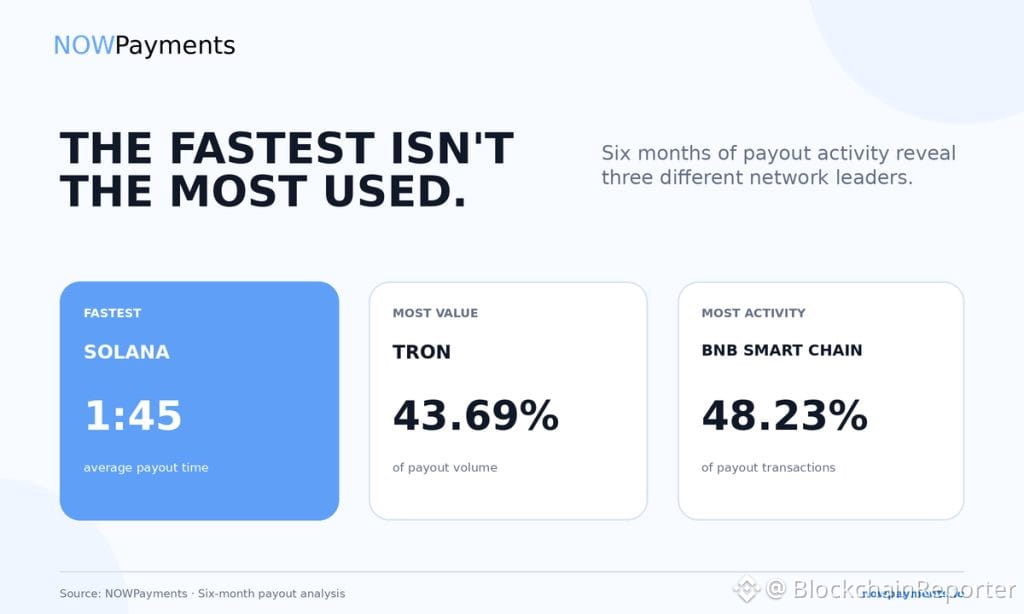
NOWPayments hat heute neue empirische Daten veröffentlicht, die die Auszahlungsaktivität von Unternehmen über sechs Monate analysieren. Die Studie bietet einen vergleichenden Leistungsmaßstab über TRON, BNB Smart Chain, Solana, Bitcoin und Ethereum, um Unternehmen dabei zu helfen, die optimalen Blockchain-Übertragungswege anhand von Geschwindigkeit, Transaktionsvolumen und Kosteneffizienz auszuwählen.
Der Datensatz zeigt unterschiedliche betriebliche Vorteile je nach Transferpriorität: Solana verzeichnete die schnellste durchschnittliche Auszahlungsdauer von 1 Minute und 45 Sekunden und machte dabei 3,08% des Volumens sowie 3,86% der Transaktionen aus. TRON führte beim gesamten monetären Volumen mit 43,69%, und BNB Smart Chain übernahm den größten Anteil an einzelnen Auszahlungs-Transaktionen mit 48,23%.
NOWPayments veröffentlicht grenzübergreifende Auszahlungsdaten mit wichtigen Leistungskennzahlen über TRON, BN...
Tallinn, Estland, 21. September 2026, Chainwire
NOWPayments hat heute neue empirische Daten veröffentlicht, die die Auszahlungsaktivität von Unternehmen über sechs Monate analysieren. Die Studie bietet einen vergleichenden Leistungsmaßstab über TRON, BNB Smart Chain, Solana, Bitcoin und Ethereum, um Unternehmen dabei zu helfen, die optimalen Blockchain-Übertragungswege anhand von Geschwindigkeit, Transaktionsvolumen und Kosteneffizienz auszuwählen.
Der Datensatz zeigt unterschiedliche betriebliche Vorteile je nach Transferpriorität: Solana verzeichnete die schnellste durchschnittliche Auszahlungsdauer von 1 Minute und 45 Sekunden und machte dabei 3,08% des Volumens sowie 3,86% der Transaktionen aus. TRON führte beim gesamten monetären Volumen mit 43,69%, und BNB Smart Chain übernahm den größten Anteil an einzelnen Auszahlungs-Transaktionen mit 48,23%.
NOWPayments hat heute neue empirische Daten veröffentlicht, die die Auszahlungsaktivität von Unternehmen über sechs Monate analysieren. Die Studie bietet einen vergleichenden Leistungsmaßstab über TRON, BNB Smart Chain, Solana, Bitcoin und Ethereum, um Unternehmen dabei zu helfen, die optimalen Blockchain-Übertragungswege anhand von Geschwindigkeit, Transaktionsvolumen und Kosteneffizienz auszuwählen.
Der Datensatz zeigt unterschiedliche betriebliche Vorteile je nach Transferpriorität: Solana verzeichnete die schnellste durchschnittliche Auszahlungsdauer von 1 Minute und 45 Sekunden und machte dabei 3,08% des Volumens sowie 3,86% der Transaktionen aus. TRON führte beim gesamten monetären Volumen mit 43,69%, und BNB Smart Chain übernahm den größten Anteil an einzelnen Auszahlungs-Transaktionen mit 48,23%.
93
Artikel
NOWPayments veröffentlicht grenzübergreifende Auszahlungsdaten und deckt wichtige Leistungskennzahlen über TRON, BN...Tallinn, Estland, 21. September 2026, Chainwire
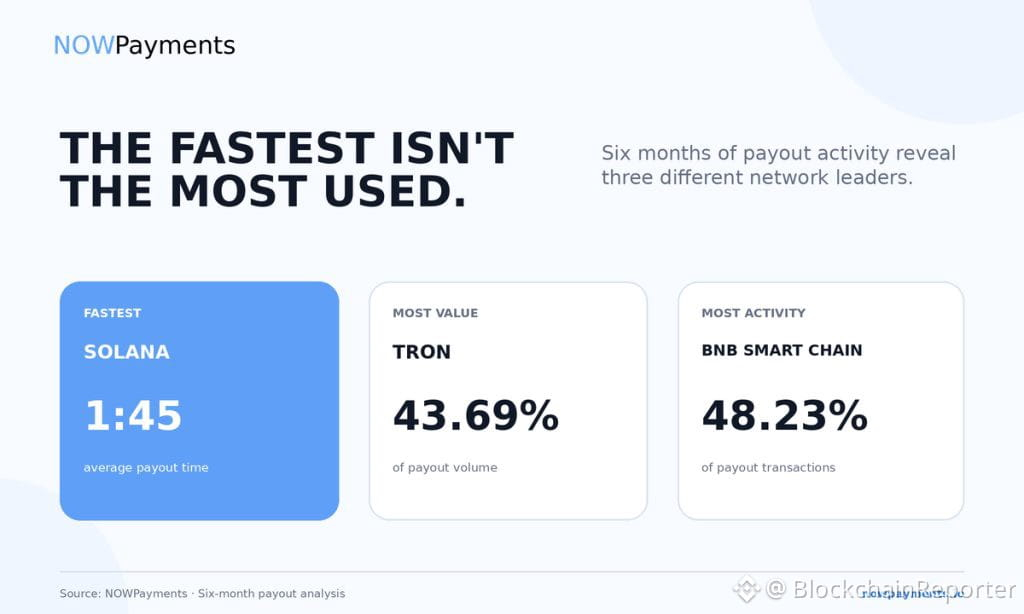
NOWPayments hat heute neue empirische Daten veröffentlicht, die sechs Monate unternehmensbezogener Auszahlungsaktivitäten analysieren. Dabei wird eine vergleichende Leistungskennzahl über TRON, BNB Smart Chain, Solana, Bitcoin und Ethereum hinweg geboten, um Unternehmen dabei zu helfen, die optimalen Blockchain-Übertragungswege basierend auf Geschwindigkeit, Transaktionsvolumen und Kosteneffizienz auszuwählen.
Der Datensatz zeigt deutliche betriebliche Vorteile – je nach Übertragungsprioritäten: Solana verzeichnete die schnellste durchschnittliche Auszahlungsdauer mit 1 Minute und 45 Sekunden und machte dabei 3,08% des Volumens sowie 3,86% der Transaktionen aus. TRON führte beim gesamten Geldvolumen mit 43,69%, und BNB Smart Chain verarbeitete den größten Anteil einzelner Auszahlungs-Transaktionen mit 48,23%.
NOWPayments veröffentlicht grenzübergreifende Auszahlungsdaten und deckt wichtige Leistungskennzahlen über TRON, BN...
Tallinn, Estland, 21. September 2026, Chainwire
NOWPayments hat heute neue empirische Daten veröffentlicht, die sechs Monate unternehmensbezogener Auszahlungsaktivitäten analysieren. Dabei wird eine vergleichende Leistungskennzahl über TRON, BNB Smart Chain, Solana, Bitcoin und Ethereum hinweg geboten, um Unternehmen dabei zu helfen, die optimalen Blockchain-Übertragungswege basierend auf Geschwindigkeit, Transaktionsvolumen und Kosteneffizienz auszuwählen.
Der Datensatz zeigt deutliche betriebliche Vorteile – je nach Übertragungsprioritäten: Solana verzeichnete die schnellste durchschnittliche Auszahlungsdauer mit 1 Minute und 45 Sekunden und machte dabei 3,08% des Volumens sowie 3,86% der Transaktionen aus. TRON führte beim gesamten Geldvolumen mit 43,69%, und BNB Smart Chain verarbeitete den größten Anteil einzelner Auszahlungs-Transaktionen mit 48,23%.
NOWPayments hat heute neue empirische Daten veröffentlicht, die sechs Monate unternehmensbezogener Auszahlungsaktivitäten analysieren. Dabei wird eine vergleichende Leistungskennzahl über TRON, BNB Smart Chain, Solana, Bitcoin und Ethereum hinweg geboten, um Unternehmen dabei zu helfen, die optimalen Blockchain-Übertragungswege basierend auf Geschwindigkeit, Transaktionsvolumen und Kosteneffizienz auszuwählen.
Der Datensatz zeigt deutliche betriebliche Vorteile – je nach Übertragungsprioritäten: Solana verzeichnete die schnellste durchschnittliche Auszahlungsdauer mit 1 Minute und 45 Sekunden und machte dabei 3,08% des Volumens sowie 3,86% der Transaktionen aus. TRON führte beim gesamten Geldvolumen mit 43,69%, und BNB Smart Chain verarbeitete den größten Anteil einzelner Auszahlungs-Transaktionen mit 48,23%.
89

Artikel
CryptoPawn führt Protokollintegration ein, die autorisierten KI-Agenten die Teilnahme an Krypto-B... ermöglichtJohannesburg, Südafrika, 21. September 2026, Chainwire
CryptoPawn, ein nach den Gesetzen des Bundesstaats Delaware zugelassener Pfandleiher mit Fokus auf digitale Vermögenswerte, veröffentlichte heute einen neuen Branchenrahmen, der vier zentrale Anforderungen beschreibt – Identität, Berechtigung, Sicherheiten und Haftung –, die geklärt sein müssen, bevor automatisierte KI-Agenten an regulierten kryptogestützten Transaktionen teilnehmen können.
KI-Agenten bewegen sich bereits über das reine Abrufen von Informationen hinaus und hin zu Transaktionen. Neue Wallet-Infrastruktur ermöglicht es Software-Agenten, digitale Vermögenswerte zu verwahren und zu übertragen, während Maschinen-Zahlungsprotokolle programmierbare Zahlungen für digitale Dienstleistungen ermöglichen.
CryptoPawn führt Protokollintegration ein, die autorisierten KI-Agenten die Teilnahme an Krypto-B... ermöglicht
Johannesburg, Südafrika, 21. September 2026, Chainwire
CryptoPawn, ein nach den Gesetzen des Bundesstaats Delaware zugelassener Pfandleiher mit Fokus auf digitale Vermögenswerte, veröffentlichte heute einen neuen Branchenrahmen, der vier zentrale Anforderungen beschreibt – Identität, Berechtigung, Sicherheiten und Haftung –, die geklärt sein müssen, bevor automatisierte KI-Agenten an regulierten kryptogestützten Transaktionen teilnehmen können.
KI-Agenten bewegen sich bereits über das reine Abrufen von Informationen hinaus und hin zu Transaktionen. Neue Wallet-Infrastruktur ermöglicht es Software-Agenten, digitale Vermögenswerte zu verwahren und zu übertragen, während Maschinen-Zahlungsprotokolle programmierbare Zahlungen für digitale Dienstleistungen ermöglichen.
CryptoPawn, ein nach den Gesetzen des Bundesstaats Delaware zugelassener Pfandleiher mit Fokus auf digitale Vermögenswerte, veröffentlichte heute einen neuen Branchenrahmen, der vier zentrale Anforderungen beschreibt – Identität, Berechtigung, Sicherheiten und Haftung –, die geklärt sein müssen, bevor automatisierte KI-Agenten an regulierten kryptogestützten Transaktionen teilnehmen können.
KI-Agenten bewegen sich bereits über das reine Abrufen von Informationen hinaus und hin zu Transaktionen. Neue Wallet-Infrastruktur ermöglicht es Software-Agenten, digitale Vermögenswerte zu verwahren und zu übertragen, während Maschinen-Zahlungsprotokolle programmierbare Zahlungen für digitale Dienstleistungen ermöglichen.
1
505
Artikel
Multi-Asset-Handelsplattform: Monochrome Exchange kündigt IEO seines nativen Tokens $MCR anSydney, New South Wales, Australien, 20. September 2026, Chainwire
Monochrome Exchange, eine Multi-Asset-Handelsplattform, hat die Initial Exchange Offering (IEO) ihres nativen Utility-Tokens MCR angekündigt. Die Plattform möchte Krypto, Aktien, Anleihen und reale Vermögenswerte in einer einzigen Plattform bündeln, in der Trades On-Chain abgewickelt werden. Die Börse ist derzeit live und bietet über 260 aktive Märkte.
Details zur MCR Initial Exchange Offering
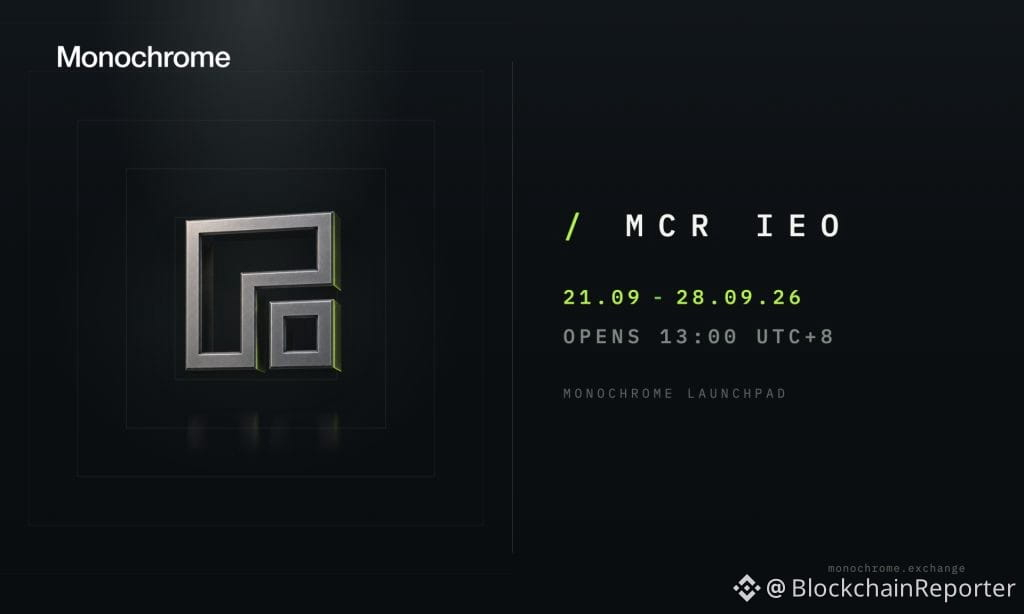
Datum: 21. September, 13:00 UTC+8 bis 28. September, 13:00 UTC+8
Standort: Monochrome Launchpad (monochrome.exchange/launchpad)
Multi-Asset-Handelsplattform: Monochrome Exchange kündigt IEO seines nativen Tokens $MCR an
Sydney, New South Wales, Australien, 20. September 2026, Chainwire
Monochrome Exchange, eine Multi-Asset-Handelsplattform, hat die Initial Exchange Offering (IEO) ihres nativen Utility-Tokens MCR angekündigt. Die Plattform möchte Krypto, Aktien, Anleihen und reale Vermögenswerte in einer einzigen Plattform bündeln, in der Trades On-Chain abgewickelt werden. Die Börse ist derzeit live und bietet über 260 aktive Märkte.
Details zur MCR Initial Exchange Offering
Datum: 21. September, 13:00 UTC+8 bis 28. September, 13:00 UTC+8
Standort: Monochrome Launchpad (monochrome.exchange/launchpad)
Monochrome Exchange, eine Multi-Asset-Handelsplattform, hat die Initial Exchange Offering (IEO) ihres nativen Utility-Tokens MCR angekündigt. Die Plattform möchte Krypto, Aktien, Anleihen und reale Vermögenswerte in einer einzigen Plattform bündeln, in der Trades On-Chain abgewickelt werden. Die Börse ist derzeit live und bietet über 260 aktive Märkte.
Details zur MCR Initial Exchange Offering
Datum: 21. September, 13:00 UTC+8 bis 28. September, 13:00 UTC+8
Standort: Monochrome Launchpad (monochrome.exchange/launchpad)
224
Artikel
MarketAcross arbeitet zum vierten Mal mit KBW2026 zusammenSeoul, Südkorea, 17. September 2026, Chainwire
MarketAcross, eine PR- und Marketingfirma für Blockchain und Web3, wurde zum offiziellen Medienpartner von KBW2026 (Korea Blockchain Week) ernannt – zum vierten Mal, dass die beiden Organisationen eine Partnerschaft eingehen.
Als offizieller Medienpartner von KBW2026 wird Market Across die globale Kommunikation und die Medienarbeit der Veranstaltung unterstützen und dabei helfen, die Konferenz und ihre Teilnehmenden mit führenden Medien aus den Bereichen Krypto, Technologie und Finanzen zu verbinden. Die Zusammenarbeit erstreckt sich auf die Kommunikation rund um die Veranstaltung, einschließlich Presseansprache, Medienkontakte sowie Unterstützung für teilnehmende Unternehmen und Redner.
MarketAcross arbeitet zum vierten Mal mit KBW2026 zusammen
Seoul, Südkorea, 17. September 2026, Chainwire
MarketAcross, eine PR- und Marketingfirma für Blockchain und Web3, wurde zum offiziellen Medienpartner von KBW2026 (Korea Blockchain Week) ernannt – zum vierten Mal, dass die beiden Organisationen eine Partnerschaft eingehen.
Als offizieller Medienpartner von KBW2026 wird Market Across die globale Kommunikation und die Medienarbeit der Veranstaltung unterstützen und dabei helfen, die Konferenz und ihre Teilnehmenden mit führenden Medien aus den Bereichen Krypto, Technologie und Finanzen zu verbinden. Die Zusammenarbeit erstreckt sich auf die Kommunikation rund um die Veranstaltung, einschließlich Presseansprache, Medienkontakte sowie Unterstützung für teilnehmende Unternehmen und Redner.
MarketAcross, eine PR- und Marketingfirma für Blockchain und Web3, wurde zum offiziellen Medienpartner von KBW2026 (Korea Blockchain Week) ernannt – zum vierten Mal, dass die beiden Organisationen eine Partnerschaft eingehen.
Als offizieller Medienpartner von KBW2026 wird Market Across die globale Kommunikation und die Medienarbeit der Veranstaltung unterstützen und dabei helfen, die Konferenz und ihre Teilnehmenden mit führenden Medien aus den Bereichen Krypto, Technologie und Finanzen zu verbinden. Die Zusammenarbeit erstreckt sich auf die Kommunikation rund um die Veranstaltung, einschließlich Presseansprache, Medienkontakte sowie Unterstützung für teilnehmende Unternehmen und Redner.
414
Anmelden und weiter Inhalte entdecken
Krypto-Nutzer weltweit auf Binance Square kennenlernen
⚡️ Bleib in Sachen Krypto stets am Puls.
💬 Die weltgrößte Kryptobörse vertraut darauf.
👍 Erhalte verlässliche Einblicke von verifizierten Creators.
E-Mail-Adresse/Telefonnummer
Trendthemen
NFPWatch
10.8M Aufrufe
19,116 Kommentare
Krypto-News | Bitcoin nähert sich der Marke von 85.000 US-Dollar, während die Renditen von US-Staatsanleihen vor dem Bericht zu den NFP zurückgehen
Binance News
·37 Likes
·48.5k Aufrufe
BitcoinFundingRateTriplesTo10%
140,059 Aufrufe
1,070 Kommentare
BitcoinSurpasses$86KUp2.99%
44,236 Aufrufe
106 Kommentare