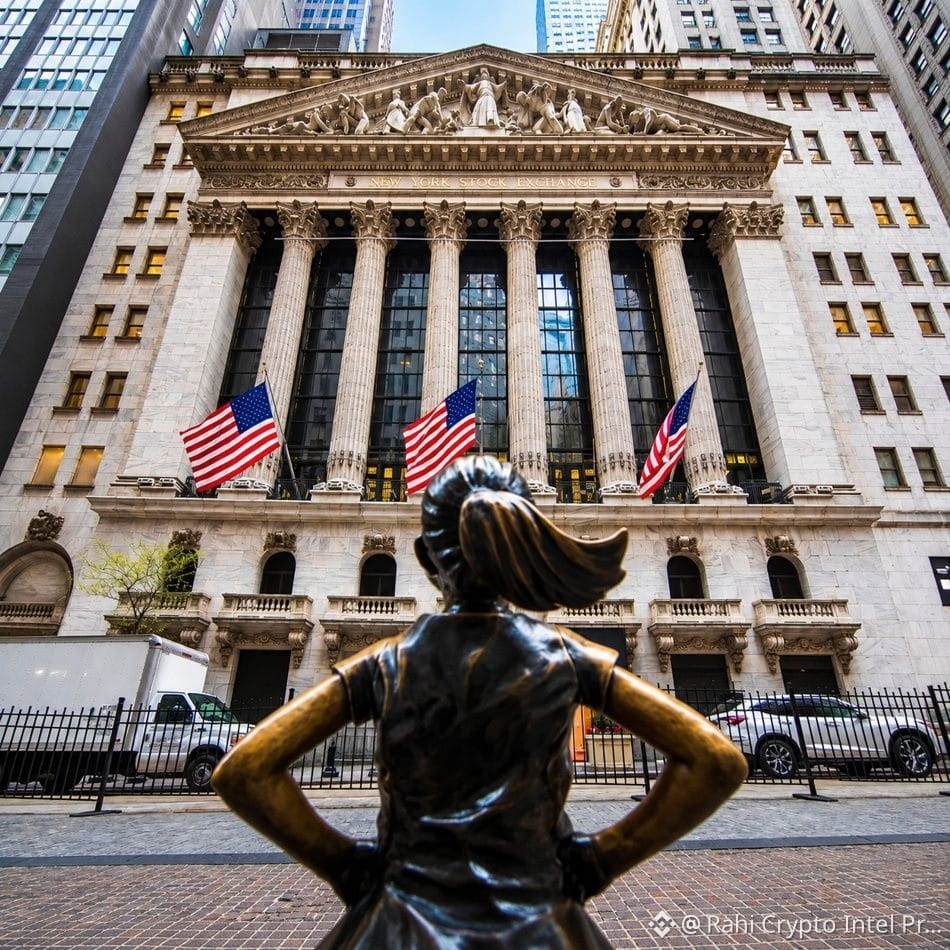
23-Hour Stock Trading Is Coming to Wall Street, But There's a Warning From the Past.
Starting December 6, Nasdaq and NYSE Arca are moving toward 23-hour trading, 5 days a week. Most stocks will have a 20% price-deviation safeguard.
But remember what happened on August 5, 2024.
After Japan's rate hike and a weak US jobs report triggered a global selloff, Japan's Nikkei plunged 12.4%, its worst day since 1987. South Korea's market dropped 8.77%, triggering a circuit breaker.
Panicked Korean investors overwhelmed Blue Ocean, a private trading venue. The platform cancelled every trade executed after 2:45 PM Korea time, wiping out ₩630,000,000,000 (about $435 million) across 90,000 accounts.
Robinhood traders were hit too, with every trade between 1:45 AM and 3:06 AM ET voided.
Blue Ocean's CEO said its system, built for 50 million messages per night, failed when volume exceeded capacity. South Korean investors accounted for 65% of its business.
Now, the stakes are different.
This time, two of America's largest exchanges are involved, not a private venue.
The big question: Can the infrastructure handle extreme volatility when markets trade nearly around the clock?
Longer hours mean more access, but reliability and liquidity will be just as important.
$ACE
$EVAA
$KITE