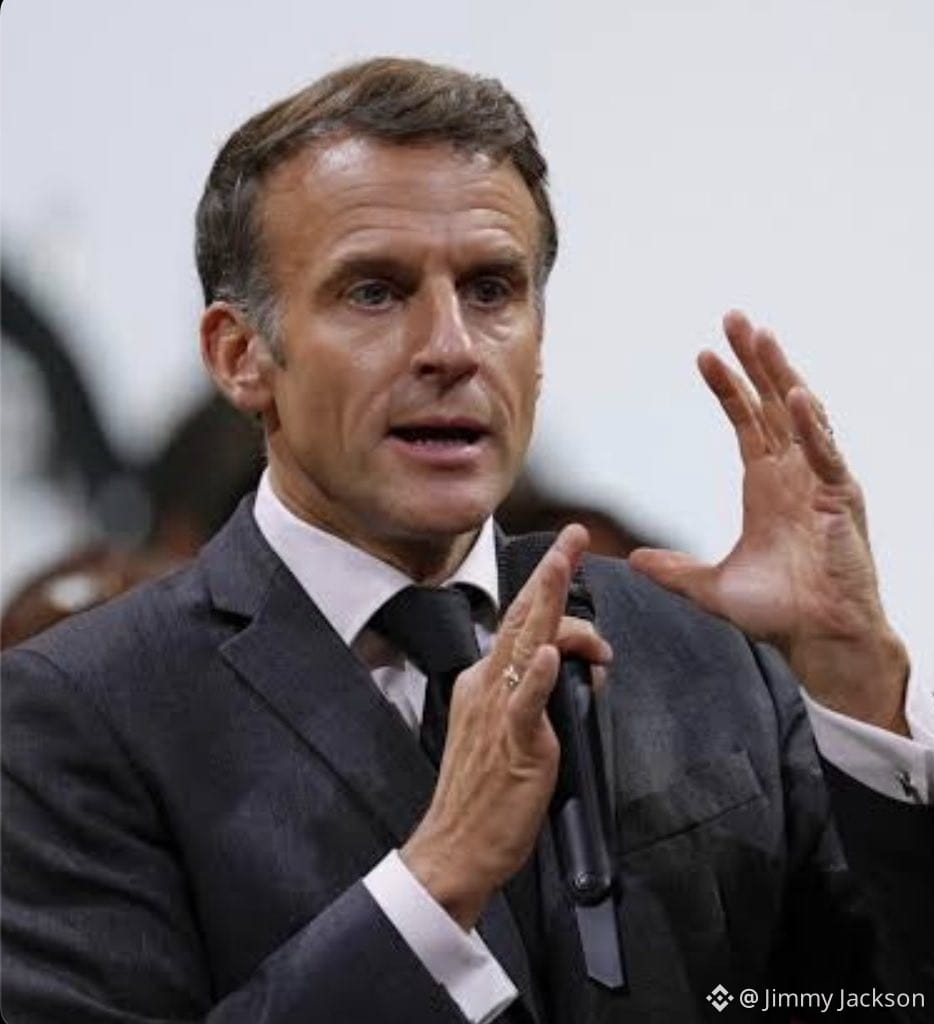
🚨 France’s €2 Trillion Spending Bill Meets a Recession Head-On
$TITN
France has officially slipped into a technical recession, and the timing couldn’t be worse. Revised data from INSEE confirms the economy contracted for three consecutive quarters through September, with GDP falling 0.2% in the third quarter alone .
That means the French government’s massive $2.04 trillion spending apparatus—spanning everything from bank guarantees and real estate support to aerospace contracts, public health funding, pension obligations, housing aid, and the ever-growing interest bill on the national debt—now faces a brutal stress test. The money is already committed. The tax receipts are not.
$STPT
The mechanics of this downturn are ugly. Investment dropped 0.9% in the third quarter, exports fell 1.6%, and household consumption barely budged . Business confidence is deteriorating, and the labor market is softening—salaried employment shed over 94,000 jobs in the past year . Public debt sits near 120% of GDP, and the deficit already overshot the government’s full-year target by the third quarter . With growth carry-over for 2026 sitting at a pathetic 0.1%, Finance Minister Roland Lescure has admitted plainly: “We no longer have any fat” . Every line item in that spending figure—from defense procurement to housing allowances to the interest payments that alone exceed €59 billion —now competes for a shrinking pool of revenue.
$XTZ
The ripple effects extend well beyond Paris. France is the eurozone’s second-largest economy, and its weakness is already widening the spread between French and German bond yields to a decade-plus high . Investors are repricing French sovereign risk. The European Central Bank now has to weigh a French drag against an otherwise modestly growing currency bloc.
Please don’t forget to like, follow, and share! 🩸 Thank you so much ❤️
#EvolveAtBinanceBlockchainWeek