Will an AI Bubble Burst Trigger a US Economic Crisis?
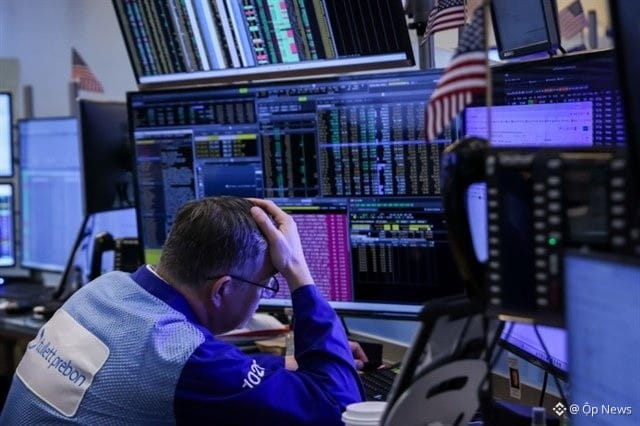
The US economy faces significant uncertainty as experts debate the potential fallout if the current AI boom collapses. With AI investment now contributing an estimated 25% to US economic growth—a level of influence not seen since the 19th-century railroad expansion—a market correction could have severe consequences. Analysts warn that a sharp decline in tech stocks and capital expenditure could trigger a negative wealth effect, forcing households to tighten spending and stalling broader economic momentum. While some economists compare the risk to the early 2000s dot-com crash, others remain divided on the severity of a potential downturn. As reliance on AI-driven data center construction and tech-led market gains grows, the sustainability of this growth remains a critical concern for policymakers and financial markets alike.