WHY SMART CONTRACTS BEAT 2 AM SPREADSHEET ARGUMENTS
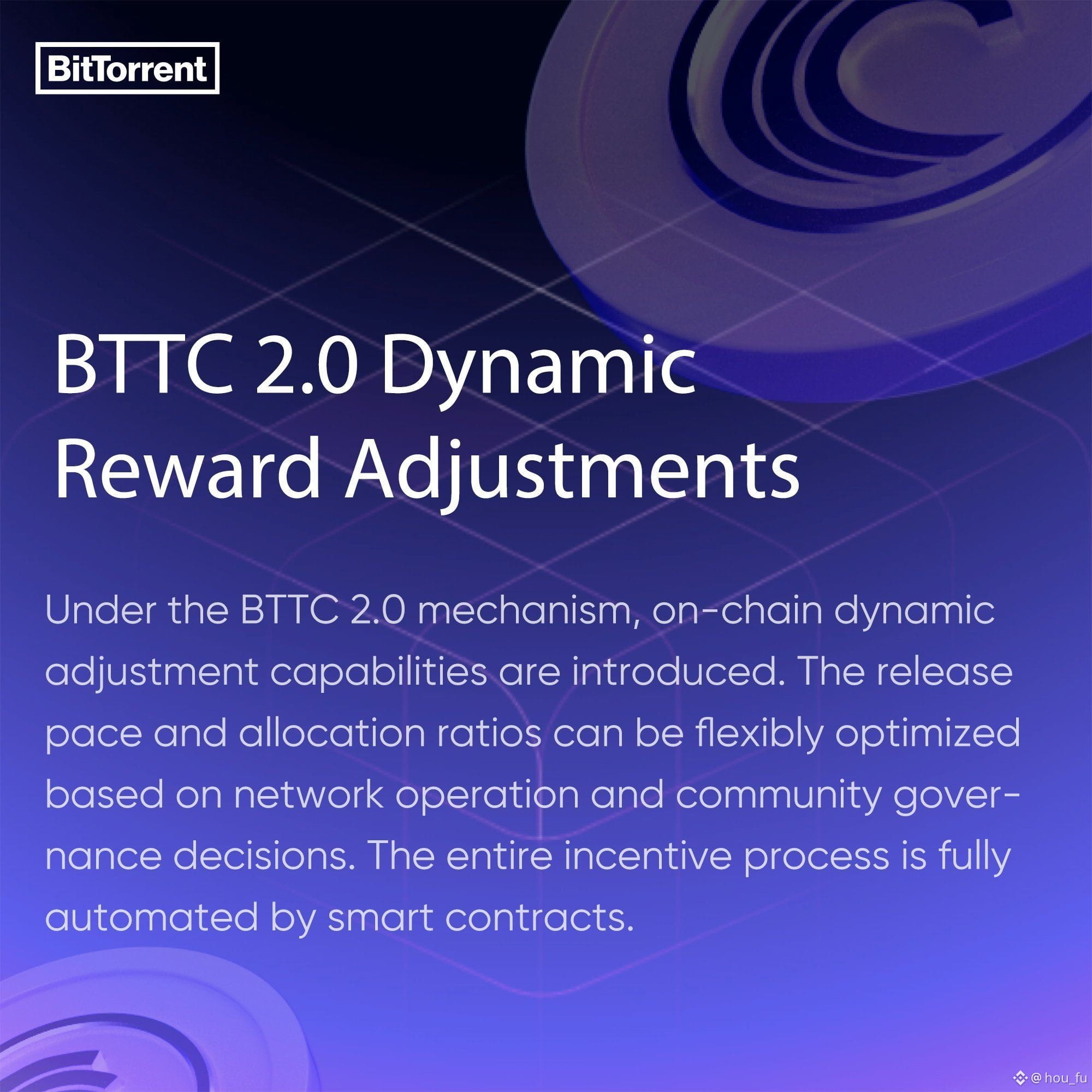
Nobody gets into Web3 dreaming of spending midnight hours reconciling rows, formulas, and disputed payout sheets. Letting smart contracts handle reward adjustments turns a messy, human-error-prone chore into something predictable and transparent.
When distribution rules live directly in code rather than manual spreadsheets, participants spend less time second-guessing numbers and more time building or contributing.
➤ How Automated Reward Adjustments Help
Moving reward logic onto smart contracts brings clear operational benefits:
Clear rules upfront: Distribution logic is defined transparently before rewards start flowing. Fewer manual errors: Automated execution removes copy-paste mistakes and late-night calculation slip-ups.Consistent timing: Adjustments happen according to set conditions rather than someone remembering to run a sheet. Shared visibility: Participants can verify how outcomes are calculated instead of trusting a private file.
Good automation does not just save hours; it lowers friction between teams and contributors.
➤ Why This Matters
Manual payout tracking often creates tension when numbers look confusing or updates arrive late.
Replacing spreadsheet guesswork with on-chain logic helps keep incentives fair and legible as a network grows. It sets a cleaner baseline for trust when everyone can see the exact mechanics behind reward changes.
➤ My Personal Perspective
I love anything that rescues people from late-night spreadsheet debates because that kind of work drains energy fast.
Letting code handle routine reward adjustments feels practical and honest. It is not glamorous, yet it removes one of the most common headaches in community and protocol operations.
What routine task in Web3 do you wish was automated by code rather than manual tracking?
@BitTorrent_Official @Justin Sun孙宇晨 #TRONEcoStar