$HYPE: HYPE: When Luck Feels Like Skill
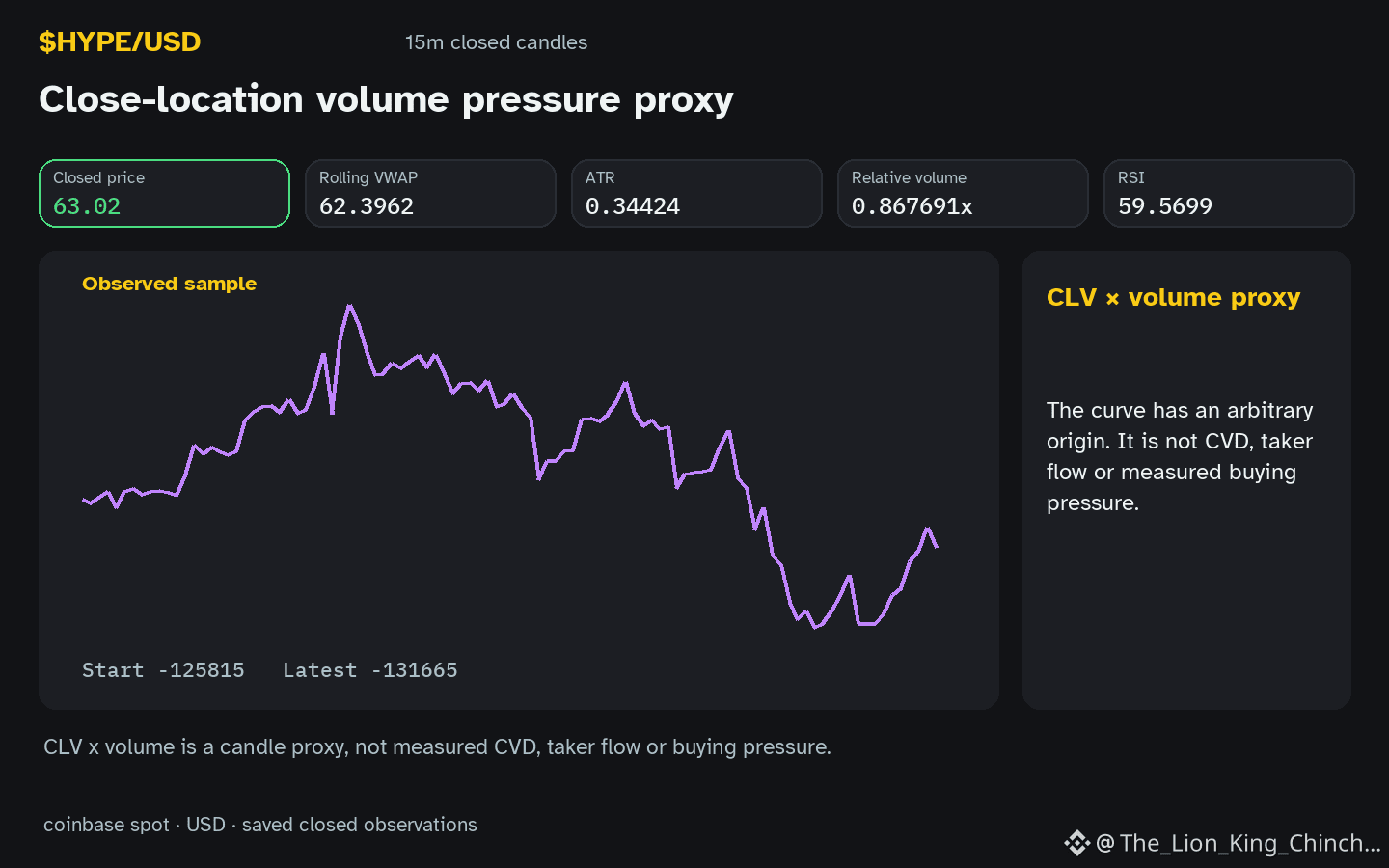
$HYPE has moved hourly up while volume sits 0.87x baseline, a pattern that can tempt traders to credit personal genius. Why do we often anchor on the most recent favorable move and assume it signals a lasting edge?
The anchoring bias leads us to give disproportionate weight to the latest price action, especially when the market appears to confirm our expectations. In this case the up direction may feel like a personal win, encouraging the hot‑hand fallacy – the belief that recent success predicts future results. Yet the observation notes that volume is not above baseline, suggesting limited participation and a fragile move.
A competing interpretation is that the price shift reflects a short‑term imbalance rather than a new regime. If the next candle closes lower, the perceived skill narrative collapses, serving as a counterexample that challenges the bias.
Practical self‑check: before labeling a move as evidence of personal skill, pause and ask whether the underlying metrics – such as RSI 59.6 or relative volume 0.87 – support a sustainable trend. Record your confidence level now, then revisit after the next closed candle; a drop in confidence signals that the earlier attribution may have been an illusion. This disciplined reassessment helps keep anchoring in check and reduces regret over premature optimism.
Probabilistic market research, not a recommendation or guaranteed return.
#HYPE #TradingPsychology #CryptoLearning