

Most people don't care whether a transaction runs on Ethereum, an L2, or another blockchain. They care about whether their money reaches the other person, how much the transfer costs, and whether the process is simple enough to use without technical knowledge.
That's the problem Celo is trying to solve.
Rather than competing only for attention in the DeFi or trading space, Celo has been building around stablecoin payments, mobile wallets, low-cost transactions, and financial applications designed for everyday users.
1. From an Independent Blockchain to Ethereum Layer 2
One of Celo's biggest changes was its transition from an independent Layer 1 blockchain to an Ethereum Layer 2 network built using the OP Stack.
The migration was completed in March 2025. It was an important strategic decision because Celo could maintain its focus on affordable transactions while connecting more closely with Ethereum's infrastructure and ecosystem.
The move also matters for developers. Ethereum compatibility makes it easier for applications, tools, and smart contracts to work within Celo's ecosystem.
But technology alone doesn't guarantee adoption. The real question is whether users and businesses actually find a reason to use it.
2. Stablecoins Are at the Center of Celo's Strategy
This is where Celo becomes interesting to me.
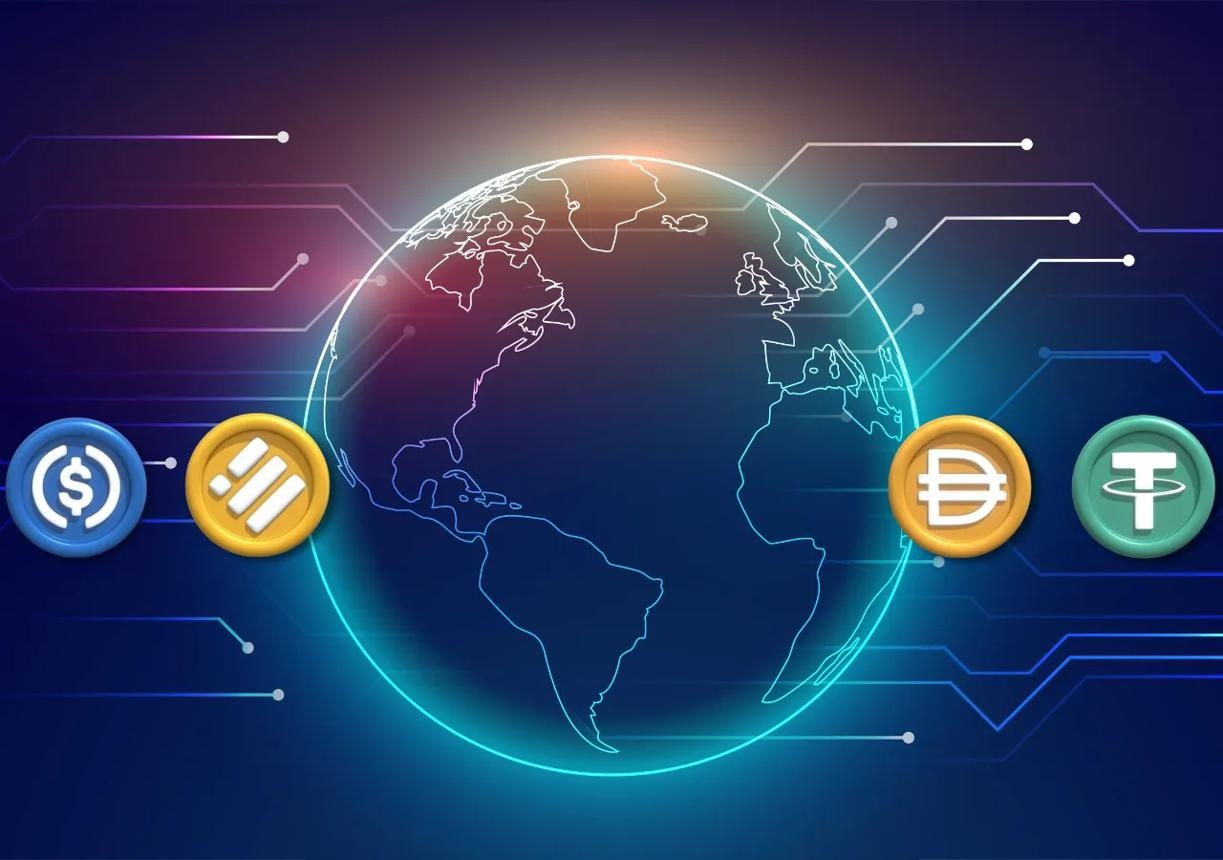
Stablecoins aren't just another crypto asset for speculation. People can use them to transfer dollar value, receive payments, store money digitally, or move funds across borders.
Celo supports stablecoin-based activity and has focused on making transactions affordable. Its ecosystem includes assets such as USDC, USDT, and stable assets connected with the Mento ecosystem.
Another useful feature is fee abstraction, allowing users to pay transaction fees using supported tokens rather than always needing a separate native gas token.
That removes one small but frustrating barrier for new users.
A payment system becomes easier when the user doesn't have to think about the blockchain mechanics behind every transaction.
3. MiniPay Could Be One of Celo's Most Important Adoption Drivers
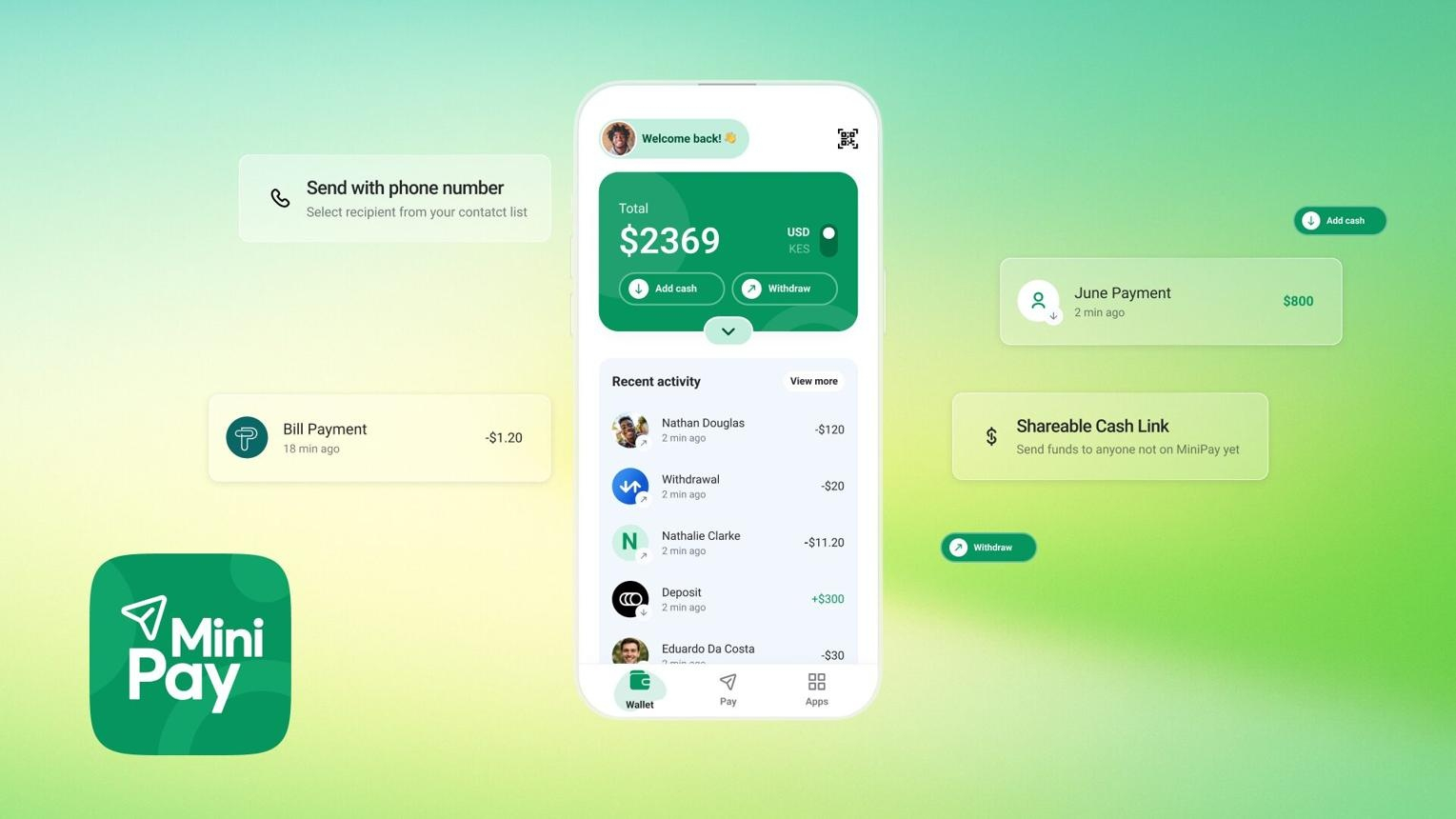
MiniPay, developed by Opera, is one of the clearest examples of Celo's mobile-first approach.
The wallet is designed around stablecoins and everyday accessibility. Instead of expecting users to understand private keys, gas fees, bridges, and complicated interfaces before making their first transaction, the goal is to make digital payments feel more familiar.
MiniPay's ecosystem has reported significant wallet activation growth. But wallet activations should not automatically be treated as active users.
The more important metrics are repeat usage, transaction activity, retention, and whether people use the wallet for meaningful financial activity.
Adoption is not just downloading an app. It's coming back because the app solves a real problem.
4. The AI Agent Narrative Is Another Interesting Direction

Crypto is increasingly exploring AI agents that can interact with digital services, make decisions, and execute transactions.
For agents to do anything economically useful, they need infrastructure for payments, permissions, identity, and verification.
Celo is exploring this area through agent-oriented payment infrastructure, including x402-related integrations.
I think this narrative has potential, but it is also easy to overhype.
An AI agent making a payment sounds exciting in a demo. The harder questions are what happens when it makes a mistake, how spending limits are enforced, who is responsible, and whether the payment can be trusted.
The infrastructure matters much more than the headline.
5. What Is the Role of the CELO Token?

The network and the token should be evaluated separately.
CELO is the native asset associated with the Celo ecosystem and plays a role in network economics, governance, and participation.
However, the growth of stablecoin transactions doesn't automatically mean the CELO token price must rise.
This is one of the most important things investors should understand.
A blockchain can become more useful while its token struggles if the economic value generated by the network doesn't translate into demand for the token.
So I would watch token utility, governance decisions, supply dynamics, network fees, and how the ecosystem's growth affects CELO's economics—not just transaction numbers.
6. The Risks Are Real
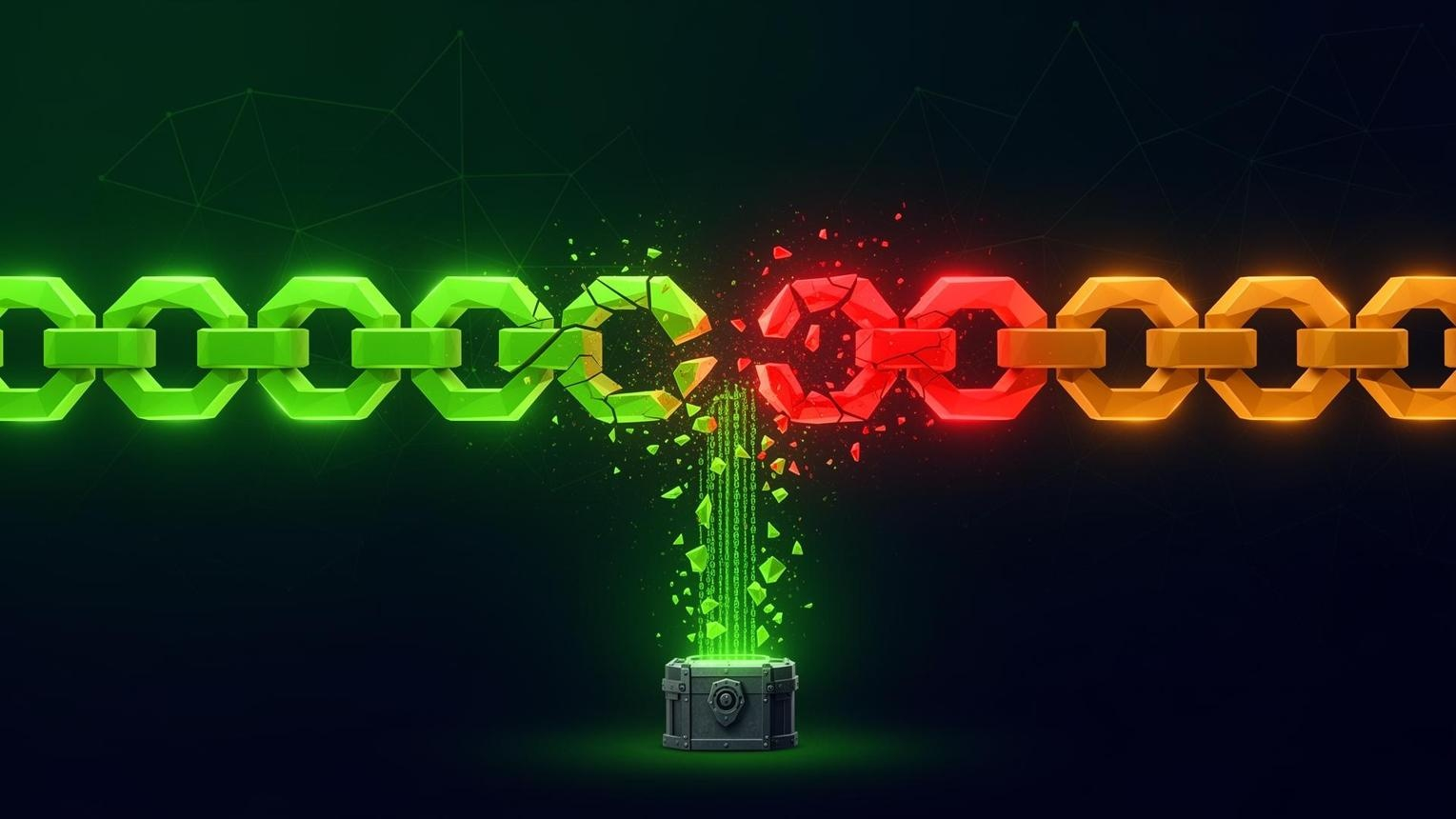
Celo operates in a competitive market.
Other networks are also targeting stablecoin payments, cheaper transactions, mobile users, and developer adoption. Technology can be copied, and users can move between ecosystems.
There are also regulatory risks around stablecoins, security risks common to smart contracts and blockchain infrastructure, and the challenge of turning early adoption into sustainable usage.
The biggest question isn't whether Celo can process transactions cheaply.
It's whether it can build a lasting financial ecosystem that people choose to use repeatedly.
7. What I Would Watch Going Forward

Instead of focusing only on short-term price movements, I'd watch:
• Stablecoin transaction growth
• MiniPay's active users and retention
• Developer activity and new applications
• Stablecoin liquidity within the ecosystem
• Real-world payment adoption
• CELO token utility and economics
• Network security and ecosystem partnerships
These indicators could tell us more about the project's actual progress than social media hype.
8. My Personal View

Celo's strongest narrative isn't simply another blockchain trying to become faster.
It's the combination of Ethereum infrastructure, stablecoin payments, mobile accessibility, and an ecosystem that is increasingly experimenting with AI-driven transactions.
I would be more interested in watching its real payment activity, MiniPay retention, developer growth, stablecoin liquidity, and CELO's token economics than chasing a short-term price move.
If Celo can make blockchain payments feel almost invisible to ordinary users, that could be a more meaningful achievement than another technical benchmark.
Sometimes the best technology is the one people barely notice because it simply works.
Final Thought
What do you think matters more for Celo's future: stablecoin adoption, MiniPay growth, or CELO token economics?