


Hmm Really, what makes an AI agent genuinely useful in crypto?
I think that’s becoming a more important question than simply asking how intelligent an agent is or how many tasks it can automate. An agent that can answer questions is useful, sure, but an agent that can actually move money, pay for services, interact with applications, and operate without someone manually approving every small step could change how people use blockchain.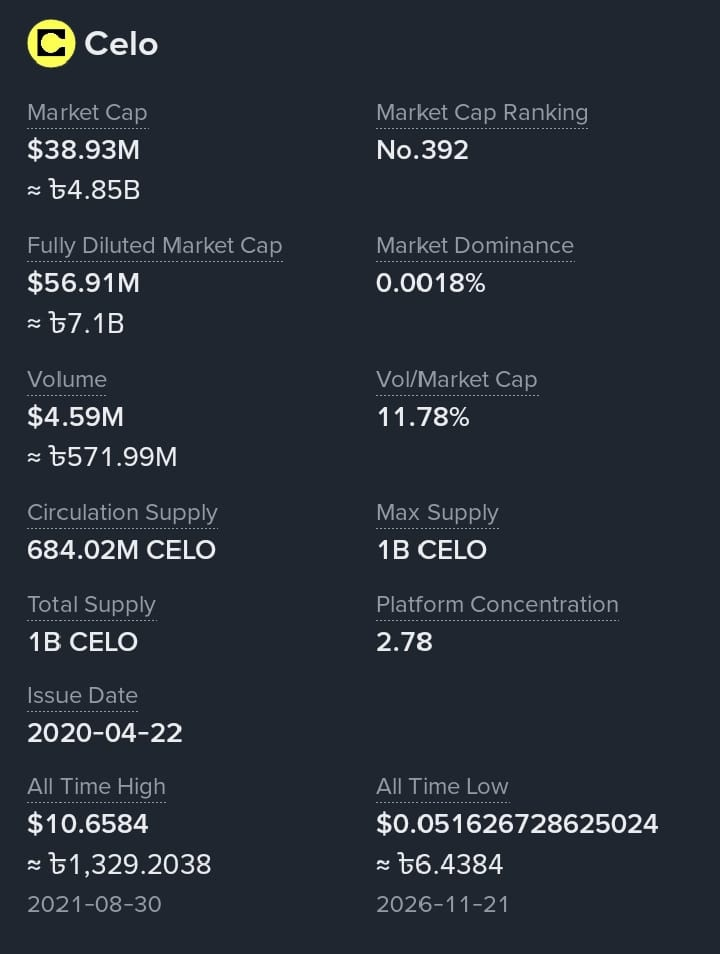
This is where Celo caught my attention.
Celo seems to be positioning itself around something much more practical than just being another blockchain competing for attention. Its focus is connecting global money with local markets, financial platforms, currencies, and payment services. That idea becomes even more interesting when you look at it through the lens of AI agents. of crose, Most AI agents today still feel disconnected from the financial world. They can process information, make decisions, and automate workflows, but the moment a task requires an actual payment or an onchain transaction, things get more complicated. You need wallets, permissions, transaction infrastructure, gas, and a system that can operate reliably without making every interaction unnecessarily expensive.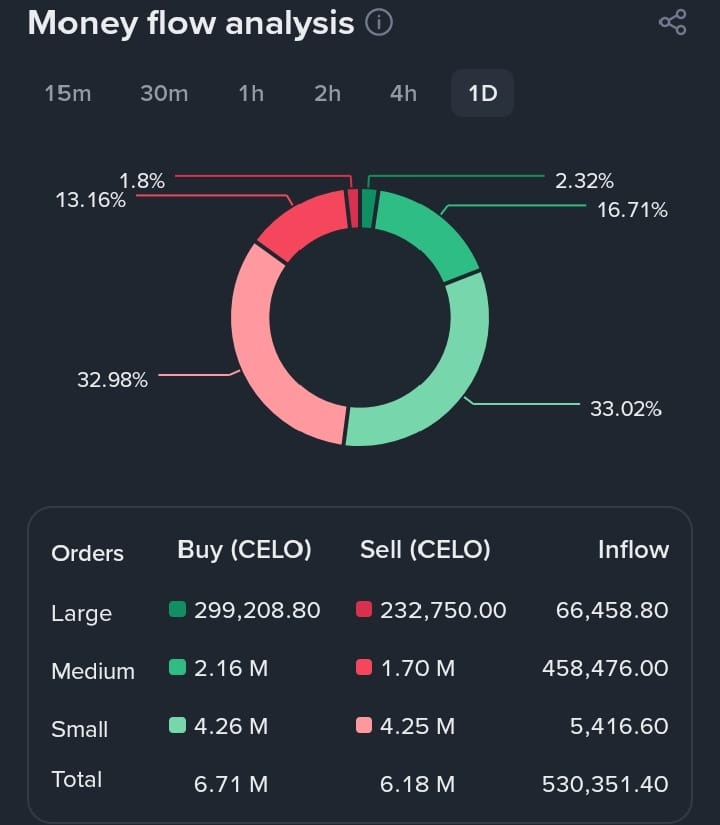
And honestly, this is one area where blockchain infrastructure could make a difference🤔
Celo is an Ethereum Layer 2 built on the OP Stack, with average block times around one second and typical transaction fees below $0.01 according to its documentation. The website also lists an average gas fee of around $0.0002. If those costs remain consistently low, it makes small automated transactions far more practical. An AI agent paying for an API request, completing a task, sending a small payment, or interacting with another service doesn't need to worry about expensive transaction overhead every time it does something.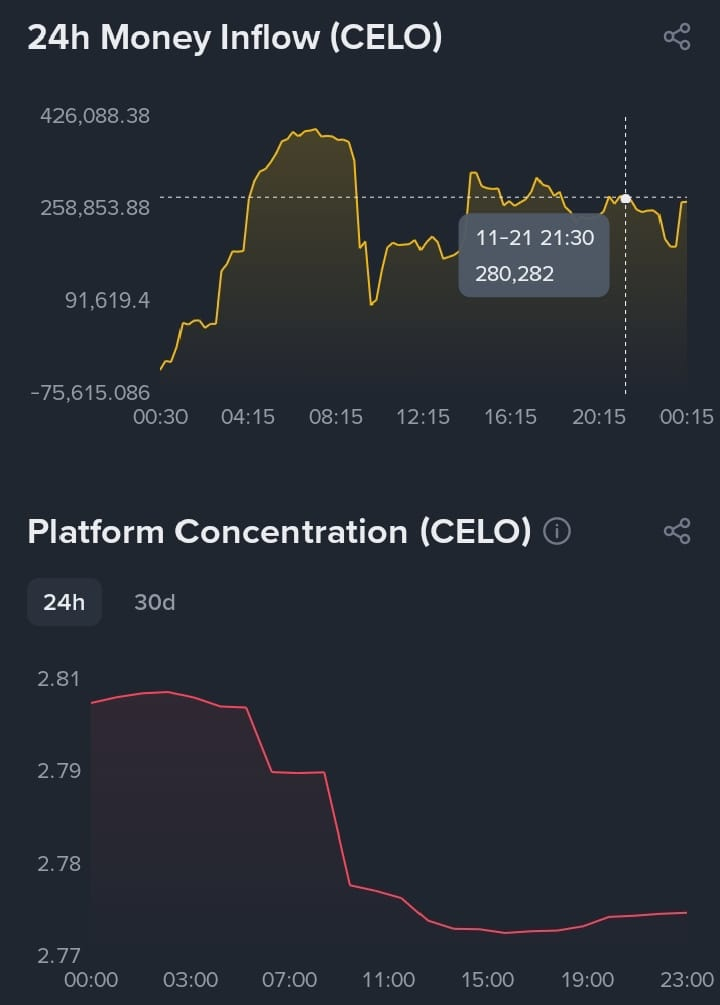
ability to pay gas using stablecoins is another part I find interesting. Celo supports gas payments using tokens such as USDT, USDC, USA₮ and USDm. For someone building AI agents, that removes an unnecessary layer of complexity. Instead of having to understand a separate gas token just to execute an operation, an agent could work with the same stablecoin balance it already uses for payments.
That might sound like a small improvement, but small friction points become significant when an automated system performs hundreds or thousands of operations. hmm, infrastructure behind Celo is also worth looking at. Its stack includes OP Stack technology, EigenDA v2 for data availability, and zkEVM capbilities through Succinct SP1. These aren't just names to put on a technical page. They address different parts of the system, including scaling, data availability, and verifiable execution. The real question is how effectively these components work together as applications and agent activity grow. Really, numbers on Celo's ecosystem also caught my eye. The information provided lists more than 1.5 billion total transactions, around 443K daily active users, $6.2 billion in monthly stablecoin volume, approximately 156 million CELO holders, and $261 million in total value secured. Those figures suggest the network is being used beyond a purely speculative environment, particularly around stablecoin activity and payments. Of course, transaction numbers alone don't tell us how many users are genuinely active or how much activity is sustainable, but they do give some context for the infrastructure agents could potentially use.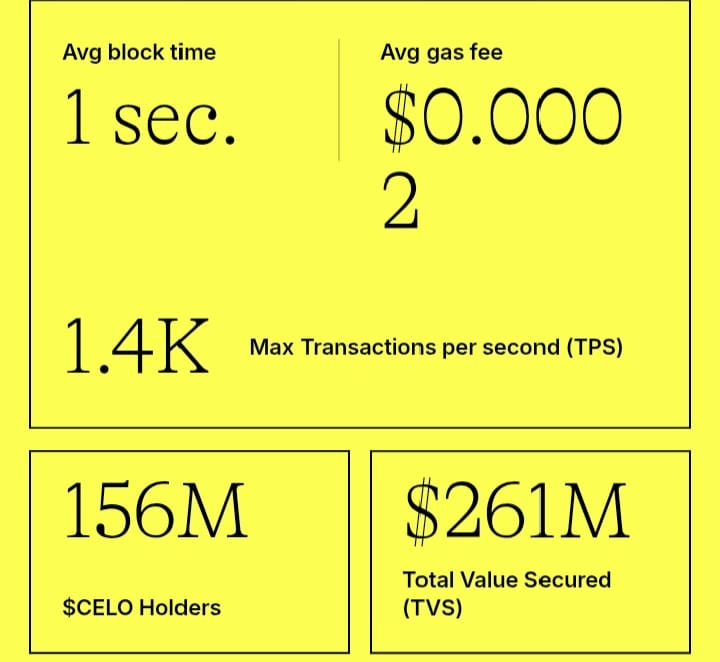
And then there is MiniPay.
A wallet with over 20 million wallet activations creates a different opportunity for developers. Instead of building an AI agent that only works for crypto-native users, developers could potentially create tools connected to payment experiences that are already familiar to people. The recent updates mentioned on Celo's website, including MiniPay's move toward Privy wallet infrastructure and stablecoin purchases using Link by Stripe for users in Europe and the US, are particularly interesting in this context.
It makes me wonder whether the next wave of AI adoption in crypto will actually come from agents that people barely notice. An agent that helps someone manage payments, purchase services, handle repetitive financial tasks, or interact with local payment systems might be more useful than another chatbot with a complicated dashboard.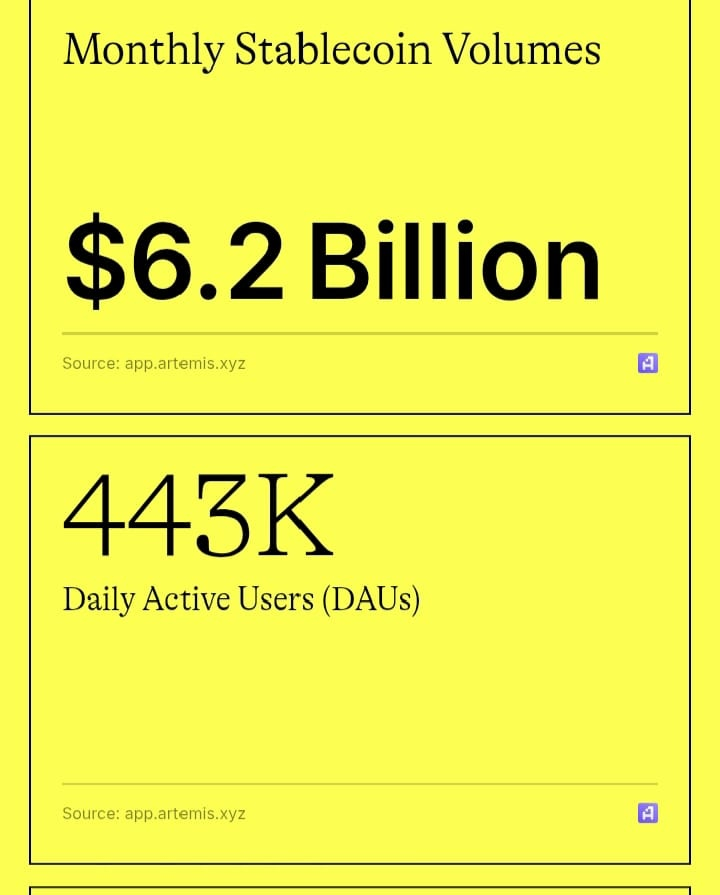
Celo's documentation is already pointing builders toward agent wallets, x402 and MPP payment protocols, and ERC-8004 onchain identities. That combination starts to make the idea of autonomous ecnomic agents feel less abstract. An agent could potentially have an identity, hold funds, pay for resources, and interact with other services through programmable infrastructure.
Still, there is a lot to prove. Giving an AI access to a wallet introduces real risks around permissions, mistakes, security, and financial accountability. Low fees and fast transactions solve only part of the problem. The agent itself needs reliable safeguards, and users need a clear way to control what it can and cannot do. That is probably where I would focus most of my attention as this ecosystem develops.
Celo doesn't need every AI agent to become some futuristic autonomous machine. The more interesting outcome might be much simpler: agents that quietly handle useful financial tasks, make small payments, connect services, and save people time without making blockchain feel like another thing they have to learn. If Celo can make that experience reliable, accessible, and affordable, then building AI agents with realworld utility might become more than just another narrative in the crypto market. It could become an actual use case people return to every day.
And that's the part I think is worth watching. Not how many AI agents get launched, but how many actually become useful enough that people keep using them...🤔
