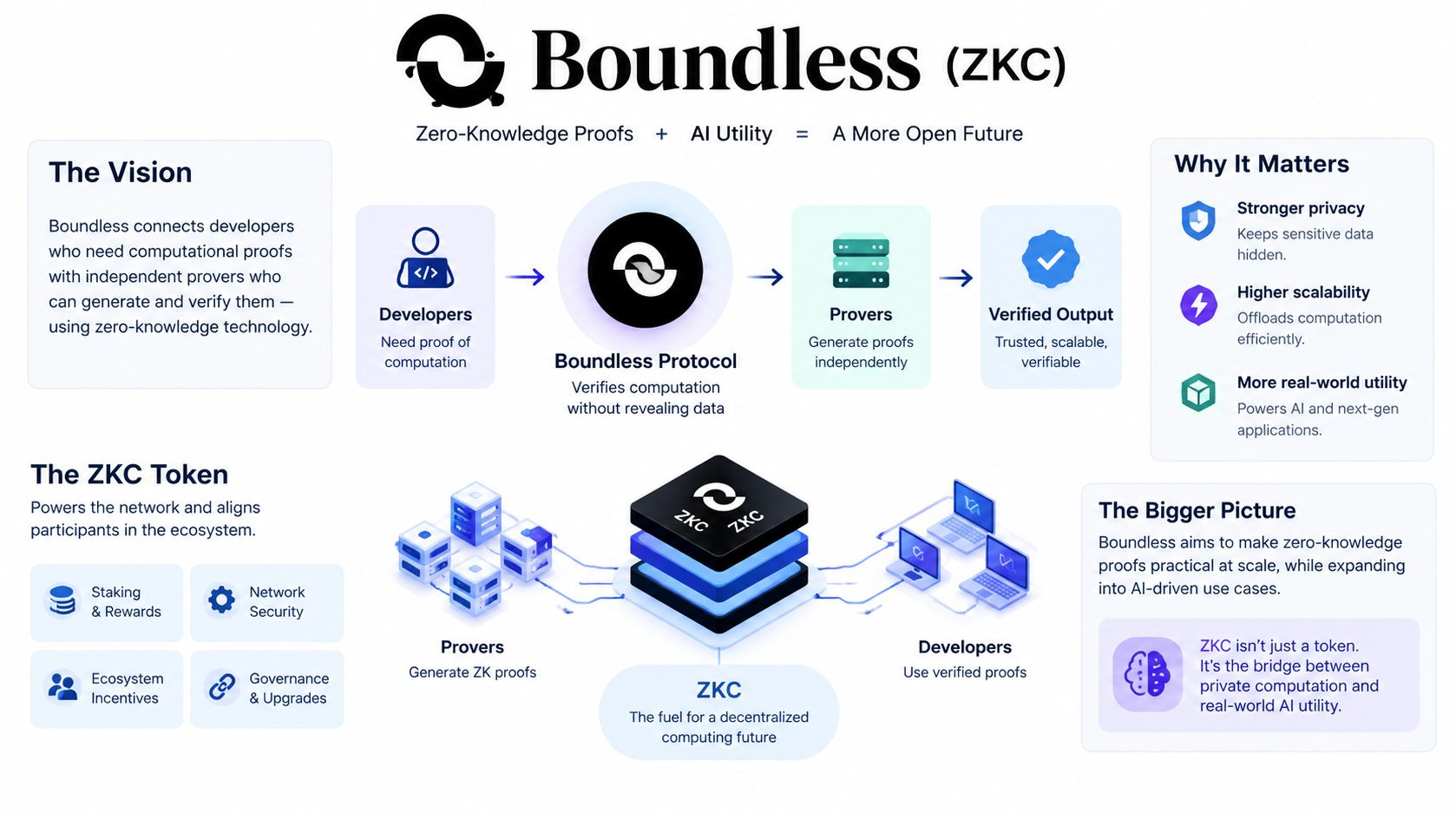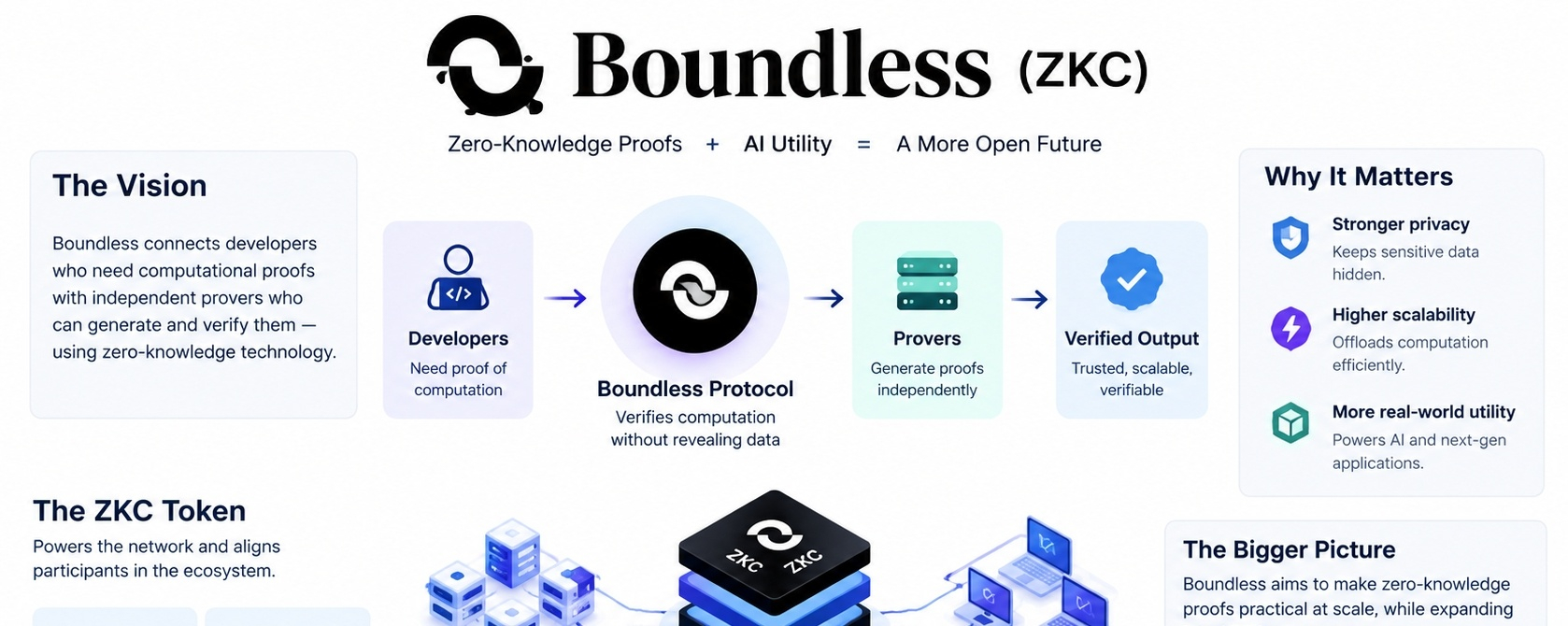
Boundless ($ZKC) is shifting its token utility toward AI access, while its ZK proving protocol has already paused new proof requests.
That transition raises a transparency tradeoff. The AI credit model is announced, but key allocation terms remain unpublished. That's not an oversight. It's a stated choice to reveal details later.
The flexibility is clear: eligible stakers are expected to receive recurring AI credits, and emissions are planned to end in Q4 2026. But holders still lack finalized credit amounts, eligibility rules, refresh schedules, and launch dates.
The mechanism is understandable, but verification has limits. Until full terms are published, holders cannot independently calculate their expected credit value or assess how rewards will change with total eligible stake. The missing detail matters.
Compare that with Ethereum, where staking mechanics and on-chain activity are more directly scrutinizable. More exposure, in exchange for stronger public visibility into the underlying mechanics.
Neither approach removes counterparty risk. A changing utility model relies on execution, governance, and future terms. A publicly verifiable system still carries smart-contract, market, and network risks.
ZKC is leaning toward a new utility model, but the trust question remains: what gets promised versus what can actually be verified today?$ZKC #ZKC