
While the broader NFT market has faced a quiet couple of years, one project has completely rewritten the playbook: Pudgy Penguins. What started as a cute 8,888-piece Ethereum collection in 2021 has transformed into one of the most successful brand turnarounds in Web3 history.
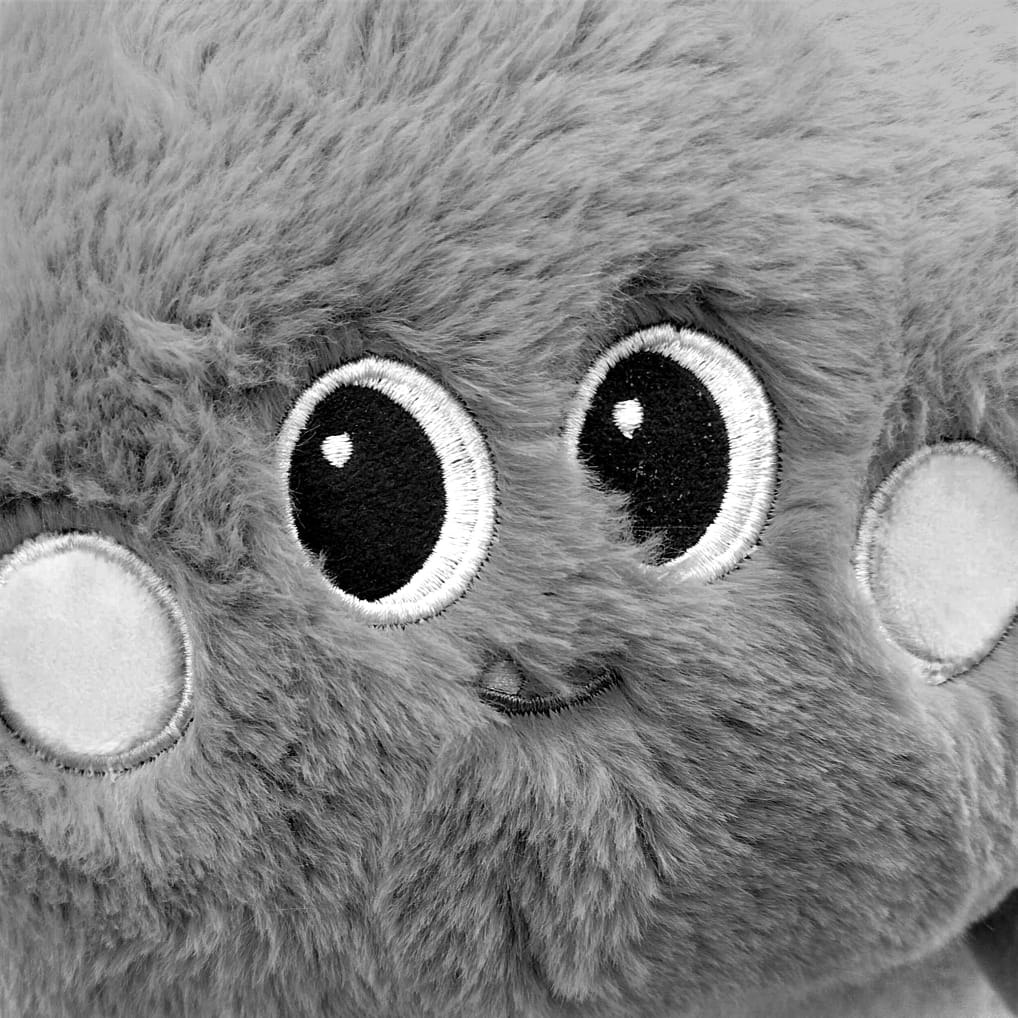
The turning point came when entrepreneur Luca Netz acquired the project in 2022. Instead of relying solely on digital hype and speculative trading fees, the team executed a brilliant real-world expansion strategy. By launching Pudgy Toys in major global retailers like Walmart, Target, and Amazon, they bridged the gap between mainstream consumers and crypto. Every physical toy comes with a birth certificate and QR code that introduces everyday buyers to digital collectibles via Pudgy World, effectively onboarding non-crypto users without overwhelming them with blockchain jargon.
Financially and strategically, this model has set a new standard. Pudgy Penguins has generated millions in physical retail sales, surpassed massive social media engagement metrics, and maintained a top-tier NFT floor price that frequently rivals legacy giants like Bored Ape Yacht Club.
Now, the team is evolving beyond an IP brand into a full infrastructure ecosystem under Igloo Inc., pushing forward with Abstract, an L2 blockchain tailored for consumer crypto adoption and culture. This pivot demonstrates that surviving in Web3 requires real utility, scalable IP, and genuine revenue streams outside of simple NFT royalties.
Pudgy Penguins has proven that NFTs are not just profile pictures; they are the foundation for next-generation global media franchises. As Web3 consumer apps gain traction, Pudgy Penguins stands as the premier blueprint for how crypto brands can achieve true mainstream adoption.
Are physical consumer products the key to saving the NFT market, or is Pudgy Penguins a rare exception? Share your thoughts below.
#PudgyPenguins #NFTs #Web3