$GLMR: GLMR: Turning Emotional Mistakes Into Data Points
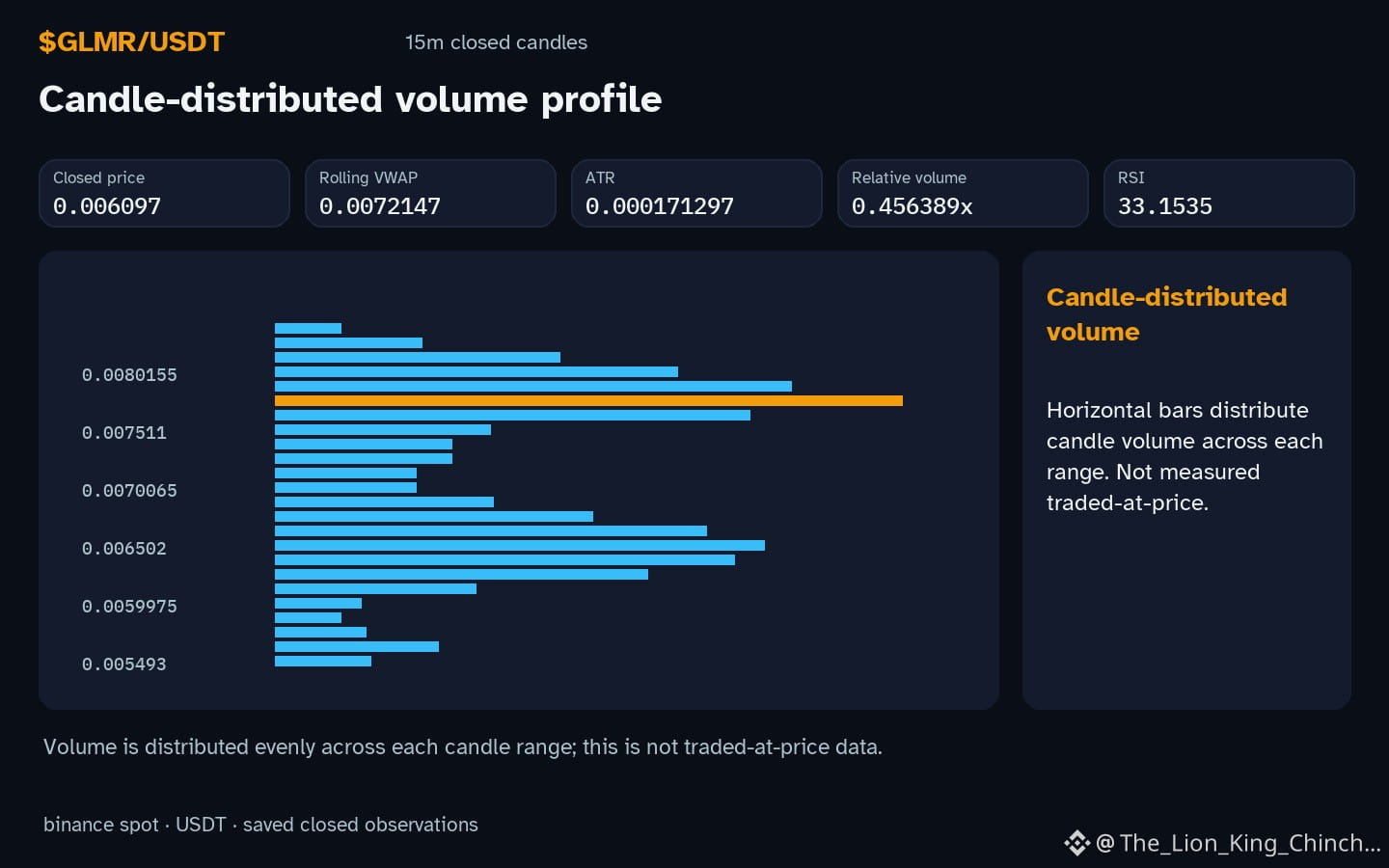
$GLMR: GLMR shows a down hourly direction while volume remains not above baseline. Does the current pullback trigger a knee‑jerk rule revision or a measured pause?
The observation highlights a classic anchoring bias: traders may cling to the most recent price move and ignore the broader context. When the chart ticks lower, the mind quickly fixes on that single dip as a signal to abandon a rule that once felt safe. This can generate regret if a later rebound erases the perceived loss.
A complementary thought experiment suggests self‑compassion paired with objective journaling. After each trade, note the entry rationale, the rule applied, and the emotional reaction to the outcome. Then, later, compare the note against the original observation – here a down hourly direction with modest volume – without judging the decision. The practice separates the act (a rule was followed) from the feeling (disappointment or relief).
Possible reactions include tightening the rule, loosening it, or simply waiting for additional confirmation. Each path is plausible, but none can be confirmed without future candle evidence. A counterexample would be a subsequent hour where the price reverses sharply despite low volume, weakening the anchoring interpretation.
Practical self‑check: before altering any rule, ask whether the change stems from the specific data point or from an emotional response to the recent move. If the answer leans toward emotion, record the feeling and revisit the rule after a neutral period.
Probabilistic market research, not a recommendation or guaranteed return.
#GLMR