Why Effort Justification May Skew $SHELL Volume Interpretation
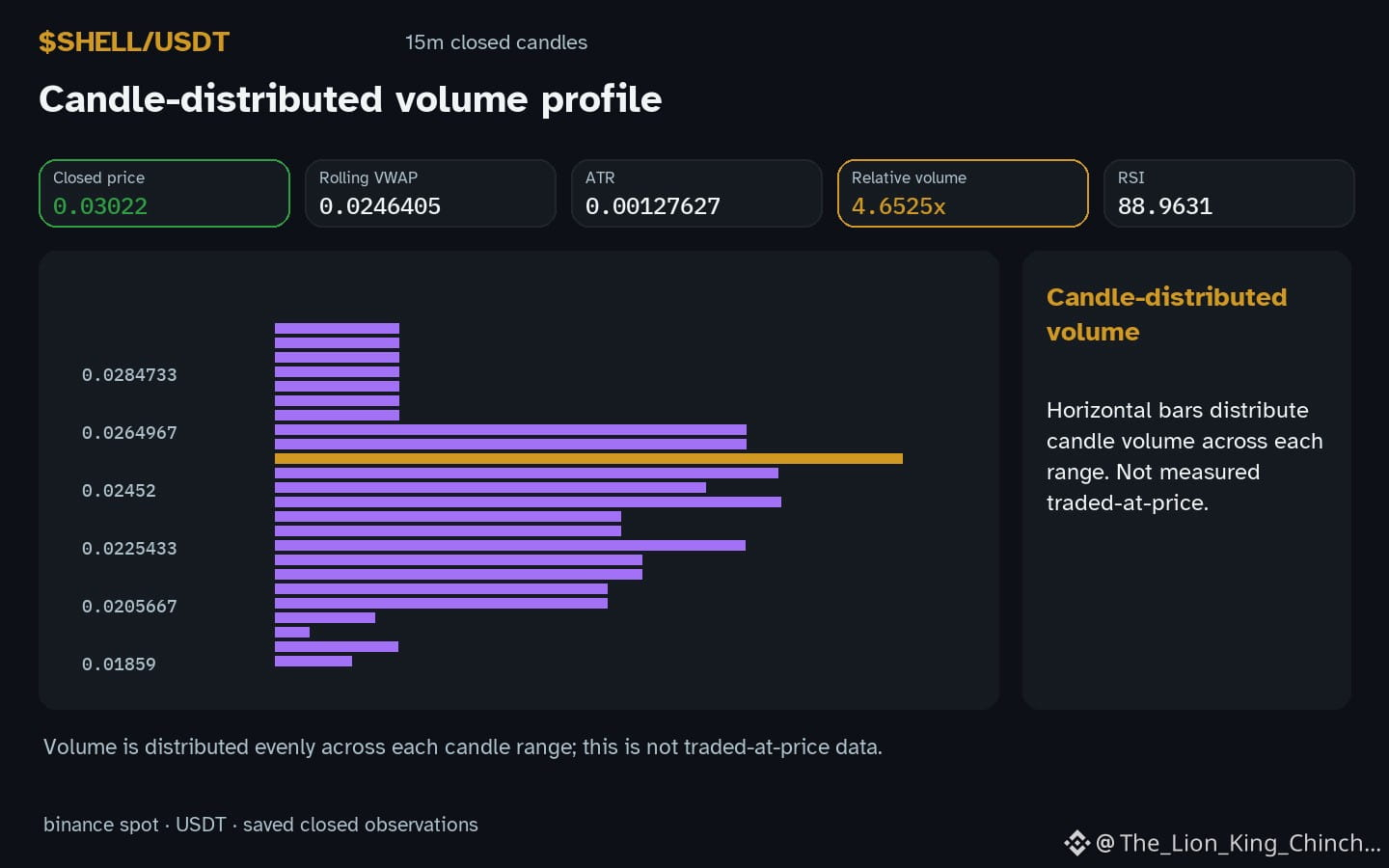
Traders often wonder why the hourly up direction of $SHELL feels convincing when volume is above baseline. The observation shows price moving above resistance while relative volume is 4.65x baseline. This raises a question: does the time and analysis already spent on the coin create a bias that makes the move seem more justified?
A common assumption is that higher volume validates the price rise, leading analysts to double‑down on their original thesis. Effort justification bias suggests that the more effort invested. hours of charting, note‑taking, and scenario building. the more likely a person is to view subsequent signals as confirming, even if the data are ambiguous.
A counterexample to consider is a trader who notices the same volume spike but treats it as a neutral event, reminding themselves that the signal could be noise. By consciously labeling the observation as "volume above baseline without clear breakout" they reduce the pull of prior effort.
Possible reactions range from increasing position size to holding back and waiting for a confirming candle. Neither outcome is guaranteed; the market may still reverse, and the bias does not predict price.
A practical self‑check: after reviewing the chart, ask "If I had spent no time on this asset, would I interpret the volume spike the same way?" If the answer changes, the bias may be influencing the view.
Future evidence that could weaken this reading includes a daily change 56.6615% that moves opposite to the hourly trend, or an RSI 89.0 indicating overbought conditions despite the volume rise. Such data would prompt a reassessment of the effort‑justified interpretation.
Probabilistic market research, not a recommendation or guaranteed return.
#SHELL