When Alerts Flood the Mind: A Psychology Sketch for $RWUSD
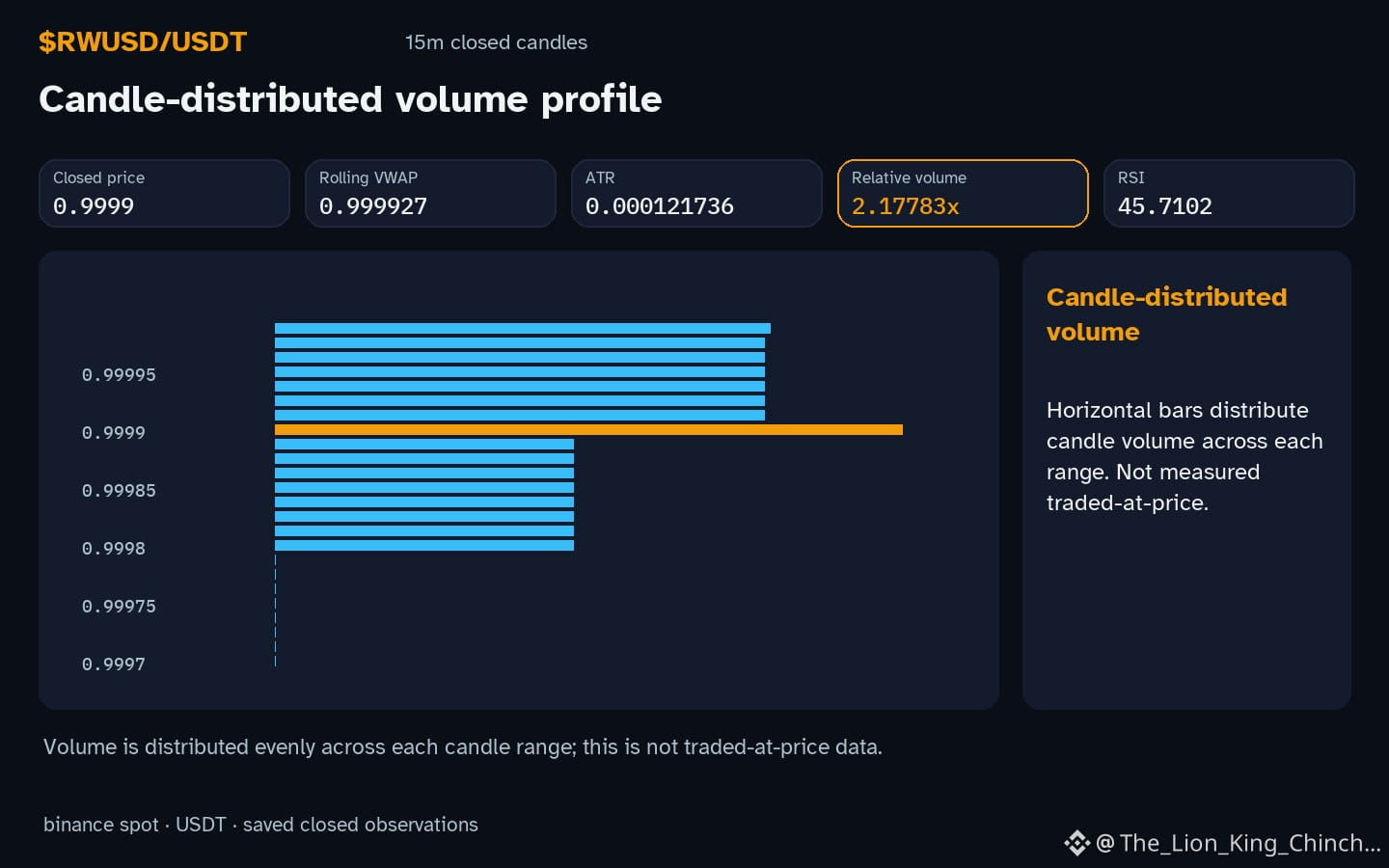
$RWUSD is trending down hourly while volume sits above baseline, prompting a flood of price alerts. Why does a surge of notifications sometimes feel like an emergency, and how might that shape a trader's judgment? The observation of heightened relative volume 2.18x baseline creates a vivid anchor: the market appears unusually active, drawing attention away from longer‑term context.
One relevant decision bias is loss aversion amplified by attention overload. Each ping reminds the trader of a possible missed move, increasing cortisol spikes and the urge to act quickly. A possible reaction is to enter a short position impulsively, believing the down direction will continue because the alert system emphasizes recent price drops. Yet the same data also show a modest hourly change -0.01% and RSI 45.7, which could indicate a temporary pullback rather than a sustained trend.
A counterexample would be a calm market day where alerts are scarce, yet price still moves down despite lower volume. This shows that notification volume alone does not dictate price direction.
Practical self‑check: before reacting to an alert, pause and ask whether the decision relies on the signal itself or on the discomfort of a missed opportunity. If the answer leans toward the latter, consider delaying the trade until a clear price pattern emerges. This disciplined pause can reduce the influence of cortisol‑driven urgency while keeping the focus on objective market metrics.
Probabilistic market research, not a recommendation or guaranteed return.
For a wider view: $BTC has hourly direction down and volume not above its baseline; $BARD has hourly direction up and volume not above its baseline. This alone does not establish correlation.
#RWUSD #BTC #BARD #TradingPsychology