When a Founder Becomes the Center of Controversy: Navigating the Fate of the Enterprise
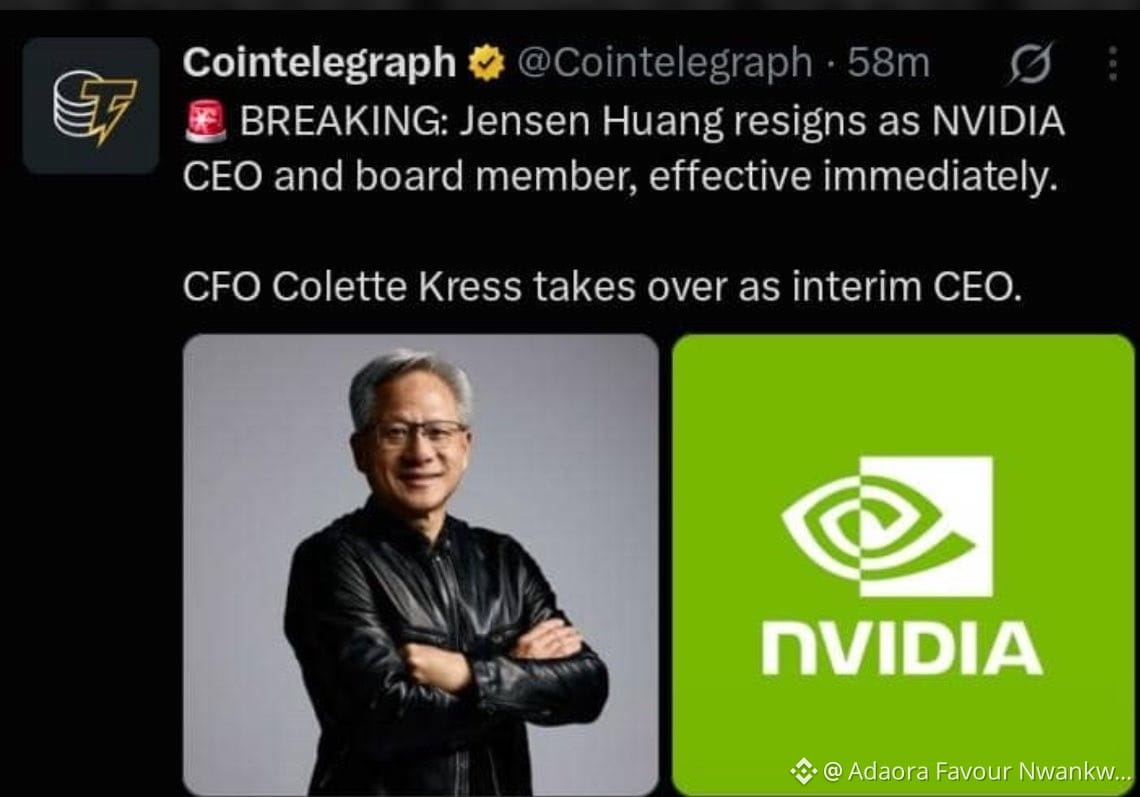
Jensen Huang has spent 33 years serving as the primary visionary and driving force behind Nvidia, propelling the firm into an undisputed titan within the global technology and AI sectors. However, recent reports pointing to his resignation over personal controversy bring forward a dilemma that reaches far beyond the exit of a single chief executive.
This scenario presents us with a profound corporate governance question: should an executive's private actions and personal life determine the destiny of an organization they spent decades establishing?
Consider the broader implications. Can outstanding commercial success balance out concerns surrounding an individual's personal conduct? Where exactly should board members, staff, and shareholders set the boundary between securing commercial interests and maintaining ethical leadership standards? Furthermore, can an enterprise so closely defined by the vision of a singular founder continue to prosper once that person departs?
These developments offer critical takeaways for young African entrepreneurs creating businesses, running startups, and guiding technology communities. Leadership demands more than merely constructing a remarkable enterprise; it inherently carries a profound obligation of accountability, moral character, and responsibility.
This brings us to a meaningful question for discussion. If you were a member of Nvidia’s board, would you back Jensen Huang, or would you conclude that the moment has arrived for him to depart? Between the founder himself, corporate results, and the integrity of executive leadership, which would guide your choice?
Speaking for myself, if I held a seat on that board, my vote would be against his resignation.