$0G: Missing Feeds and Analytical Integrity
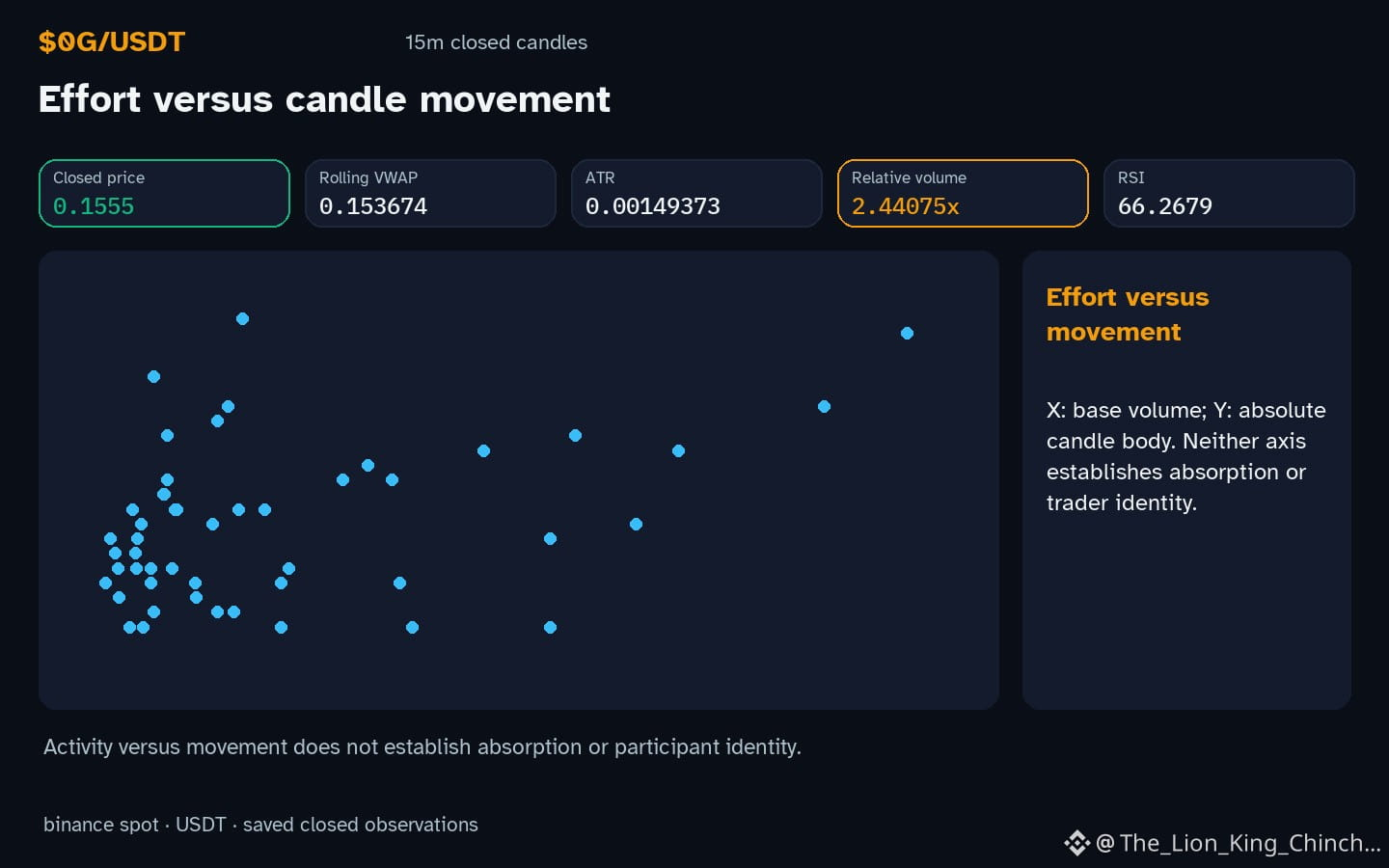
Does $0G volume confirm momentum or hide gaps? Relative volume sits at 2.44x baseline during an hourly rise. Open interest and funding are unavailable in this snapshot. This absence creates a dilemma. We see candle movement but lack derivative context. A writer might fill this gap with speculation to appear authoritative. That practice conflates observation with persuasion. Imagine a hypothetical analyst who claims buyers are rotating in because volume exceeded baseline. They ignore the missing open interest data. Their inference rests on incomplete evidence. This is where incentive misalignment arises. If a community rewards definitive narratives, authors may omit caveats. However, admitting what is unknown builds trust. It signals that the analysis respects its limits. The self-check is simple. Ask if your conclusion changes when key data is missing. If the answer is yes, state that uncertainty explicitly. Avoid framing partial data as full proof. You can note the {rsi_display} reading without implying it settles the trend. The goal is not to be right but to be accurate. Clearer limitations enhance credibility. More confidence without complete data is risky. Readers benefit when authors distinguish between what is measured and what is guessed. This approach separates evidence from persuasion effectively. It allows for thoughtful disagreement rather than blind following. The market remains uncertain. Acknowledging missing feeds is a sign of analytical integrity. It invites deeper inquiry instead of shallow conviction. This method supports safer decision-making processes. It respects the complexity of market dynamics. Therefore, prioritize clarity over completeness when data is scarce. This deliberate pause prevents overreaching conclusions.
Probabilistic market research, not a recommendation or guaranteed return.
#0G #CryptoCommunity #CryptoLearning