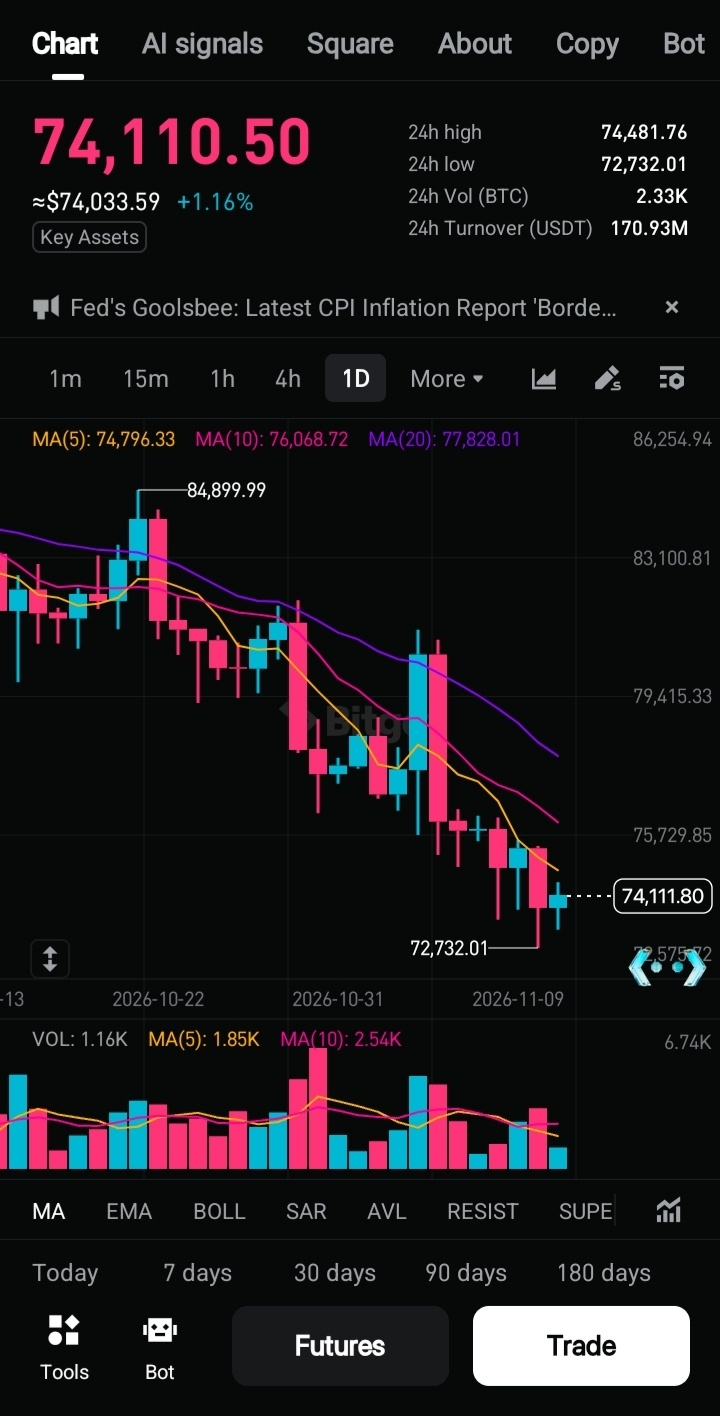

Fourteen publicly traded companies have reportedly sold a combined 108,247 $BTC worth approximately $8.08 billion since the beginning of 2026. The figures, reported by Lookonchain on November 10, have attracted attention as Bitcoin continues to struggle with its price and investors look for signs of what could happen next.
The reported sales raise questions about how companies are managing their Bitcoin holdings and whether more corporate investors could reduce their exposure if market conditions remain weak. Among the largest sellers were $BTC mining companies MARA Holdings and Riot Platforms.
According to the reported figures, MARA sold 40,581 BTC worth approximately $3.03 billion, while Riot sold 20,264 BTC worth around $1.51 billion. Together, these two companies accounted for a large portion of the total reported sales.
This is important because public companies have become part of the wider Bitcoin market. Some companies have chosen to hold Bitcoin as part of their financial strategy, while mining companies also accumulate the asset through their operations. Their holdings can represent a significant amount of Bitcoin that may eventually enter the market when they need additional funds.
However, companies do not always sell because they have lost confidence in Bitcoin. There are several reasons why a business may decide to reduce its holdings. These include operating expenses, debt payments, equipment purchases and the need to maintain enough cash to support daily activities.
This is particularly relevant to mining companies because their operations require regular spending. Electricity, equipment maintenance and other business costs do not disappear when Bitcoin prices fall. If a company needs money to maintain its operations, selling part of its Bitcoin holdings may become a practical decision.
The amount reported is still significant, especially when the market is already experiencing weakness. Large holders selling Bitcoin can increase the amount of supply available to buyers. If demand is not strong enough to absorb that supply, prices may face additional pressure.
However, the reported $8.08 billion should not automatically be treated as money that entered the market through direct selling within a short period. The figure represents reported sales accumulated across 2026, and the timing of individual transactions matters. Some sales may have happened months apart, meaning their effect on the market would have been different.
Another important issue is whether these companies plan to continue selling. A reduction in holdings over several months does not necessarily mean that all the companies involved have changed their long term position on Bitcoin. Their future decisions will depend on business conditions, cash requirements and how they view the market.
Traders should also pay attention to whether other investors are accumulating Bitcoin during this period. If demand remains strong, the market may be able to absorb the available supply without experiencing a major decline. But if buying activity continues to weaken, further corporate selling could make recovery more difficult.
For now, the reported figures show that corporate Bitcoin holdings are not always permanent. Companies can increase or reduce their positions depending on their financial needs. The important question is whether the market has enough demand to absorb the Bitcoin being sold. Until there is clearer evidence of stronger buying activity, corporate selling will remain an important factor for
investors to watch.