



Hedera: Fast transactions, predictable fees, and strong enterprise-focused blockchain infrastructure.
Sui Network: Scalable architecture supports gaming, DeFi, NFTs, and responsive applications.
Monero: Privacy-focused network protects transaction amounts, addresses, and payment histories.
As confidence gradually returns to the crypto market, attention has started shifting toward projects with strong technology and real-world utility. Many investors now look beyond the largest digital assets and focus on networks that solve specific challenges. Hedera, Sui, and Monero each bring a unique value proposition to the industry. From enterprise infrastructure and scalable applications to transaction privacy, these three projects continue attracting interest as market conditions improve.
Hedera (HBAR)
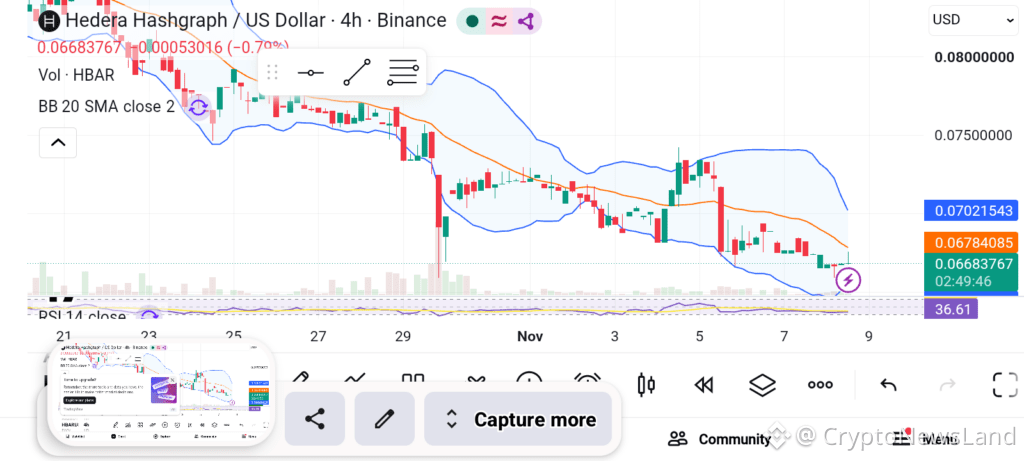 Source: Trading View
Hedera offers a different approach compared to many blockchain networks. Instead of using a conventional blockchain structure, the platform relies on hashgraph distributed ledger technology. This design helps support fast transaction processing, predictable costs, and efficient consensus across the network. Such features have made Hedera an appealing option for enterprise adoption. Businesses can use the network for tokenization, supply chain management, digital identity solutions, and various forms of asset tracking. Developers also have access to smart contract functionality, creating opportunities for decentralized applications across several industries. HBAR sits at the center of network activity. The token covers transaction fees and supports platform operations. As adoption grows across business and development sectors, demand for network resources could increase alongside ecosystem expansion. Strong utility and practical use cases continue to make Hedera a project worth monitoring.
Sui Network (SUI)
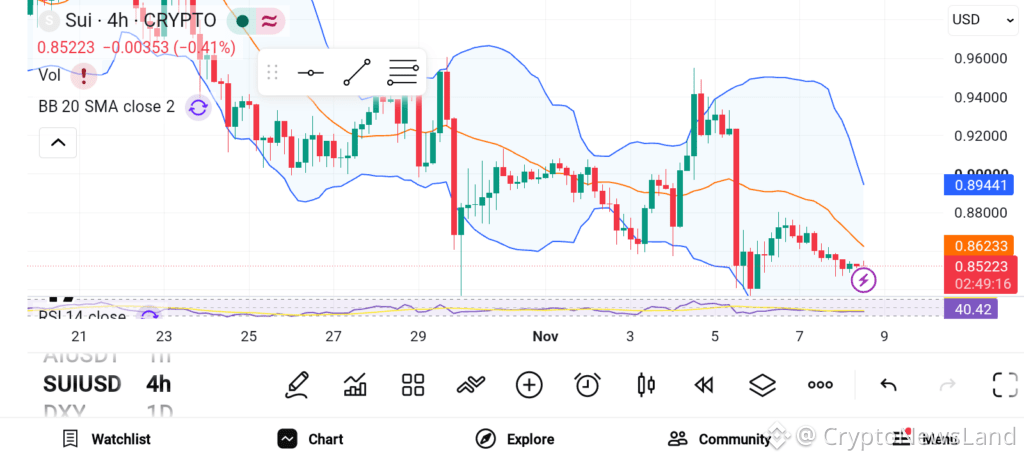 Source: Trading View
Sui Network focuses on improving scalability and transaction execution through a unique architecture. The Layer 1 network uses an object-centric data model that allows certain transactions to process independently. This approach can help reduce bottlenecks while delivering more responsive user experiences. A growing ecosystem has emerged around the network. Decentralized exchanges, blockchain gaming projects, NFT platforms, and financial applications all contribute to ecosystem development. Such diversity provides developers with several opportunities to build products for different audiences. SUI serves multiple functions within the network. The token supports transaction payments, staking activities, and participation in network operations.
Monero (XMR)
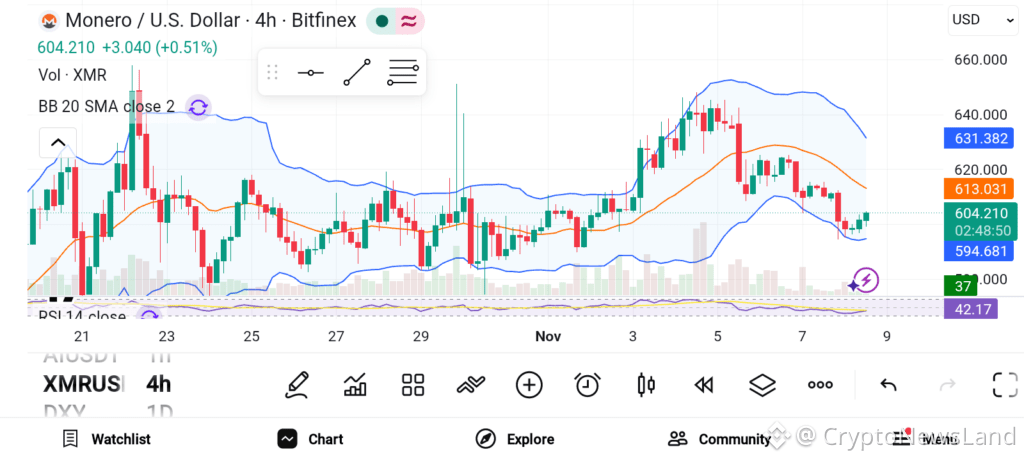 Source: Trading View
Monero follows a very different path from many leading cryptocurrencies. Privacy remains the primary focus behind network design and development. Advanced technologies such as ring signatures, stealth addresses, and confidential transactions help shield transaction details from public visibility. Many blockchain networks operate with transparent ledgers that allow users to review transaction histories. Monero aims to provide greater financial confidentiality by making transaction amounts, sender information, and recipient details significantly harder to trace. XMR functions as the native currency used throughout the network. Peer-to-peer transfers remain a core use case.
Hedera, Sui, and Monero each address different needs within the crypto sector. Hedera emphasizes enterprise efficiency, Sui focuses on scalable applications, and Monero prioritizes privacy. Clear utility and specialized technology help each project stand out. As market conditions improve, HBAR, SUI, and XMR remain cryptocurrencies worth watching closely.