
🚨 ONE BANKING CRISIS. MILLIONS OF PEOPLE LOCKED OUT OF THEIR MONEY. AND A PRESIDENT HAS RESIGNED.
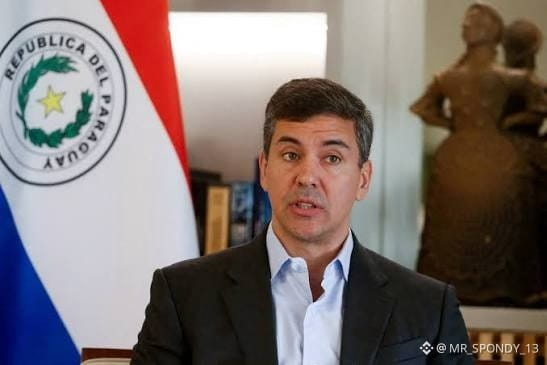
Paraguay is facing a major financial and political crisis after authorities intervened in Ueno Bank, one of the country's largest digital lenders.
Here's what happened:
• Nearly 3 million customers reportedly lost access to their bank accounts. • Around 60% of Paraguay's adult population used Ueno. • Approximately $800–850 million in public funds were held by the bank. • State pension and healthcare funds were also exposed. • Eight senior bank executives were detained amid investigations into suspected financial wrongdoing. • Paraguay's central bank chief resigned.
The political consequences were extraordinary.
On November 5, President Santiago Peña resigned amid growing protests and political pressure linked to the banking crisis.
But there's a much bigger lesson here.
Your money in a bank is not the same as controlling your own money.
Banks depend on financial institutions, regulators, liquidity and public confidence. When those systems fail, ordinary people can suddenly lose accesgs to their savings.
This is where Bitcoin introduces a different financial model.
With Bitcoin self-custody, you control your private keys and can hold your assets without depending on a traditional bank.
However, self-custody also means taking responsibility for protecting your keys and avoiding scams.
Bitcoin isn't a guarantee against every financial risk. But it offers something powerful: financial ownership without requiring permission from a bank.
Paraguay's crisis raises an important question:
If a bank can stop you from accessing your savings, how much control do you really have over your money?
Is self-custody becoming a necessity rather than just an option?
#bitcoin #BTC #Crypto #FinancialFreedom
#Mr_SPONDY_13
$BTC