

The Main Story
Democrats Take Congress, and Trump's Reaction Is Making Headlines
The 2026 US midterm elections are over, and the result is a big shift in Washington. Democrats have taken control of both the House of Representatives and the Senate, ending the period in which Republicans held both chambers alongside the White House.
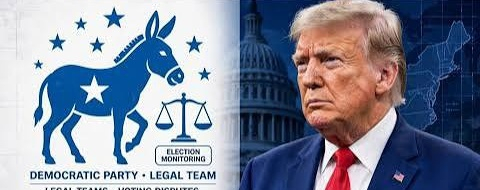
Within hours, all eyes turned to President Donald Trump. His first reaction came on Truth Social late on election night. He wrote that he "wasn't on the Ballot", arguing that Republicans would have won in a landslide if he had been. He signed off with his familiar line thanking people for their attention to the matter.
That one post tells you a lot about how the White House wants this result framed. The message is that this was not a verdict on the president. It was a vote in which he wasn't a candidate, so, in his telling, voters who normally turn out for him stayed home. Trump repeated this view in an interview with The New York Times, saying Republicans couldn't get enough of their people to vote because he wasn't on the ticket.
But he also said something notable. He said he would accept the results and was willing to work with Democrats. After years of arguments over election results, a clear statement of acceptance matters. Markets, allies and ordinary voters all watch for it, because a smooth transfer of power in Congress is the foundation of the system.
Why does this matter beyond the headlines?
1. Divided government is back. With Democrats controlling Congress, Republican priorities will be much harder to pass, and Congress gains real power to investigate and to shape spending.
2. The agenda changes. Bills now have to pass a Democratic-led House and Senate before they reach the president's desk. That will test both parties' willingness to compromise.
3. The vetoes are coming. One report noted that Trump posted a picture of a cap embossed with the word "Veto". That suggests he already expects to use his veto power against Democratic bills.
4. 2028 starts now. Midterm results shape how both parties see the road to the next presidential race.
Reasonable people will read this result in different ways. Supporters of the president say the "not on the ballot" argument has merit, since turnout drops when a president isn't running. Critics say a loss this broad points to real voter dissatisfaction with policy, and that blaming turnout avoids that question. Both views are part of the debate, and the coming months of governing will show which one holds up.
What do you think: a temporary swing, or the start of a longer shift? Share your thoughts below.
#USMidterms #TRUMP #democrats #CongressInquiry #Elections2026