Custodial risk is the exact thing Bitcoin was built to remove. Whether society is actually ready to live without trusted third parties is a separate question. 🔐
When your coins sit on an exchange, you don't hold UTXOs or keys. You hold a row in their internal database, an IOU. Withdrawals only work if the operator's hot wallet, compliance stack and liquidity all cooperate. If any of them stalls, your balance is just a number you can't move.
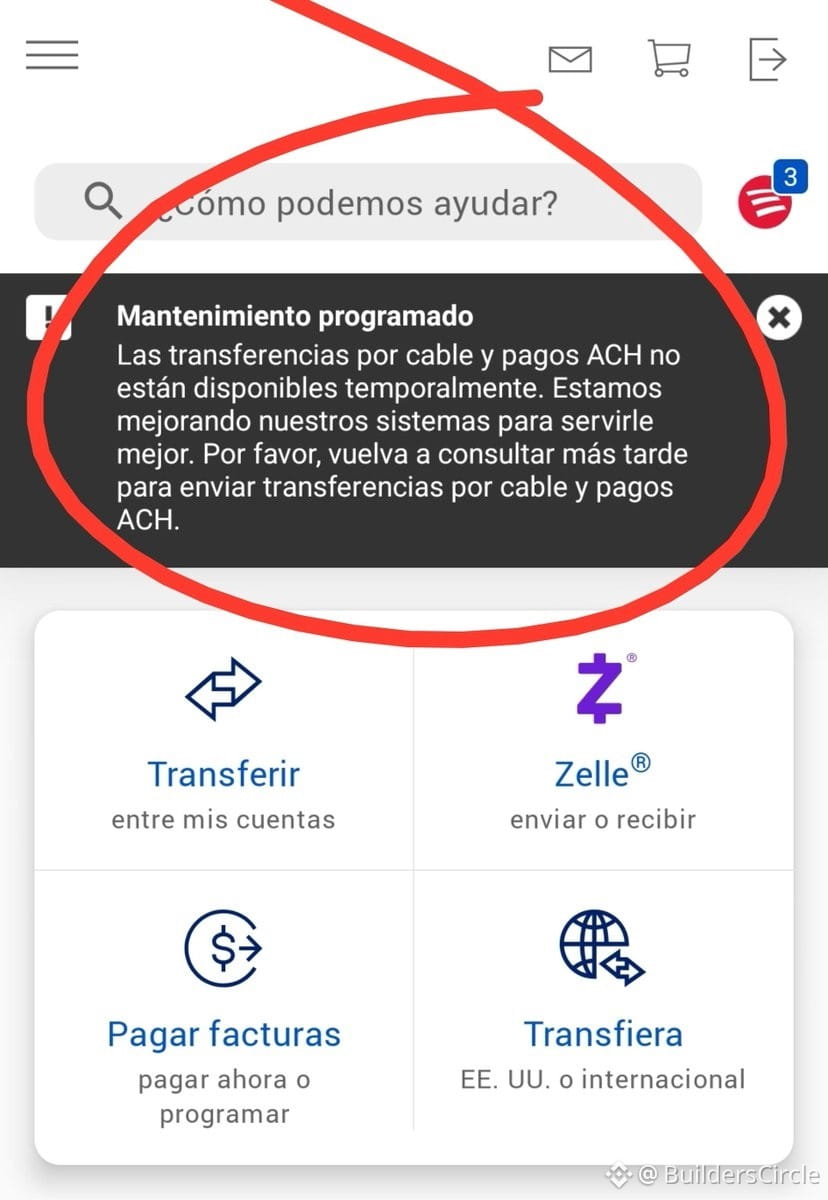
That's why the Binance withdrawal chatter matters. People are blaming a hack, but the screenshot being shared shows no sign of one. What it does show is funds that can't be moved. Whatever the cause (ops freeze, compliance hold, liquidity management), the failure mode for the user is the same: you don't control the exit. That's counterparty risk in its purest form.
Still, exchanges aren't going away. Fiat on/off-ramps, liquidity, UX and recovery flows are things most users can't replace with a hardware wallet and a seed phrase yet. Self-custody means you are your own security team, and most people aren't ready for that. Saying exchanges stay necessary for now isn't a maximalist-vs-shitcoiner take, it's just consistent with how adoption works.
So the practical approach is risk diversification:
- Keep long-term holdings in self-custody
- Keep only working capital on exchanges
- Spread exposure across venues instead of trusting one
- Check proof-of-reserves and withdrawal history before parking funds
Bitcoin is the endgame for trust-minimized money, but the legacy custodial layer and the sovereign layer will coexist for a while. Users who understand the difference between 'my coins' and 'my balance' are the ones who won't get wrecked when a platform hiccups. 🧠