$IRYS
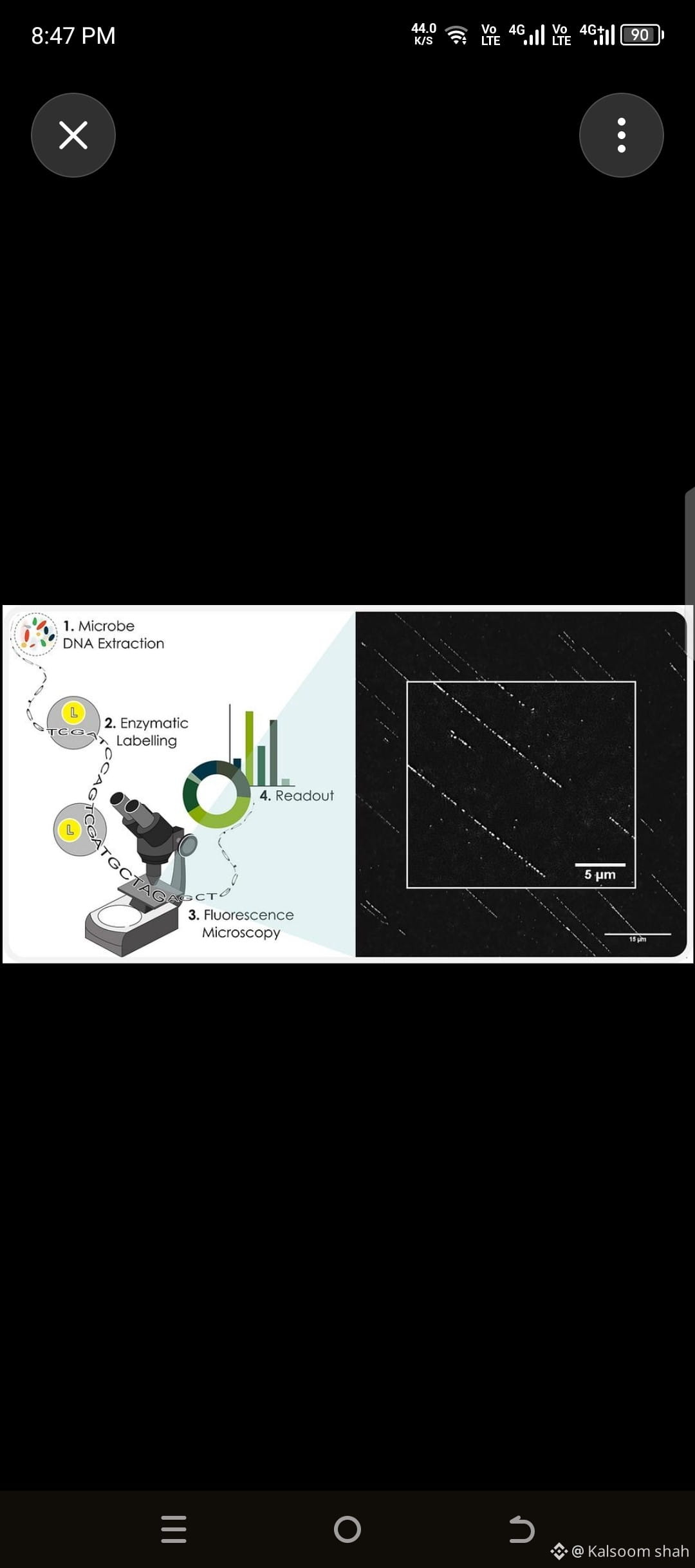
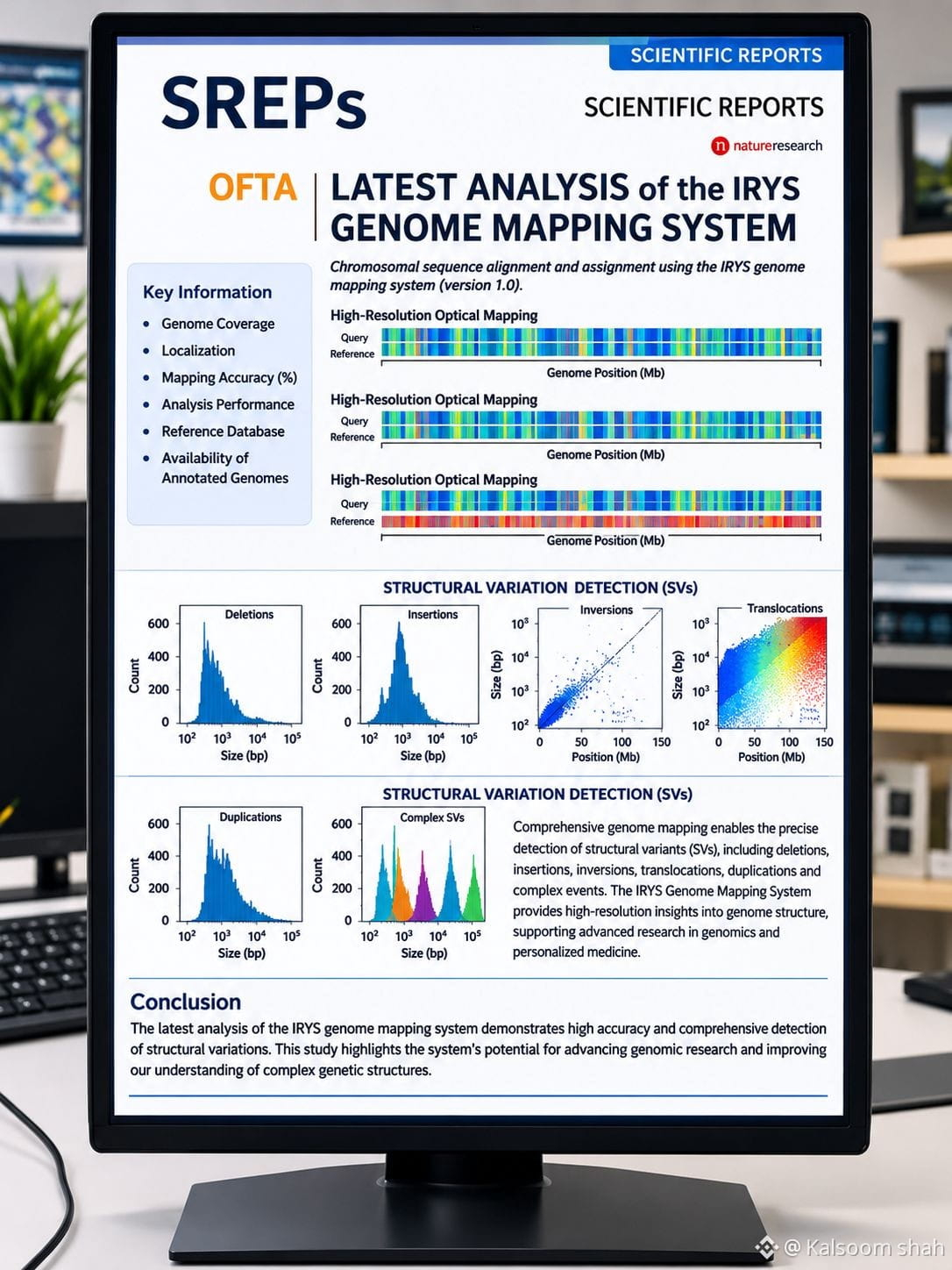
#CZSaysCompensationIsinPlaceUsersAreProtected #USDCCirculationFallsAbout800MInSevenDays #USDCCirculationFallsAbout800MInSevenDays The poster introduces the IRYS Genome Mapping System. It describes a technology used for studying and mapping genetic structures.The left side lists six important research areas:
Genome Coverage: How much of the genome is analyzed.
Localization: Finding the position of genetic changes.
Mapping Accuracy: Measuring how accurately DNA is mapped.
Analysis Performance: How efficiently the system processes data.
Reference Database: Comparing results with known genetic information.
Annotated Genomes: Using genomes with identified and labeled features.Step 4: Structural Variation Detection
The poster shows five types of genetic changes:
Deletions: A section of DNA is missing.
Insertions: Extra DNA is added.
Inversions: A DNA section is reversed.
Translocations: DNA sections move to different locations.
Duplications: A DNA section is copied.
Step 5: Scientific Charts
The graphs show different measurements of genetic variations.
Blue histograms show the distribution of DNA changes.
Scatter plots show relationships between genetic positions and sizes.
Different colors represent different data groups.Step 6: Conclusion
The poster suggests that genome mapping can help scientists:
Study complex DNA structures.
Detect genetic variations.
Improve genomic research.
Support medical and genetic research.
Important point
IRYS has two different meanings in our discussion:
IRYS cryptocurrency: A blockchain and data infrastructure project.
Irys genome mapping: A reference to optical genome mapping technology.