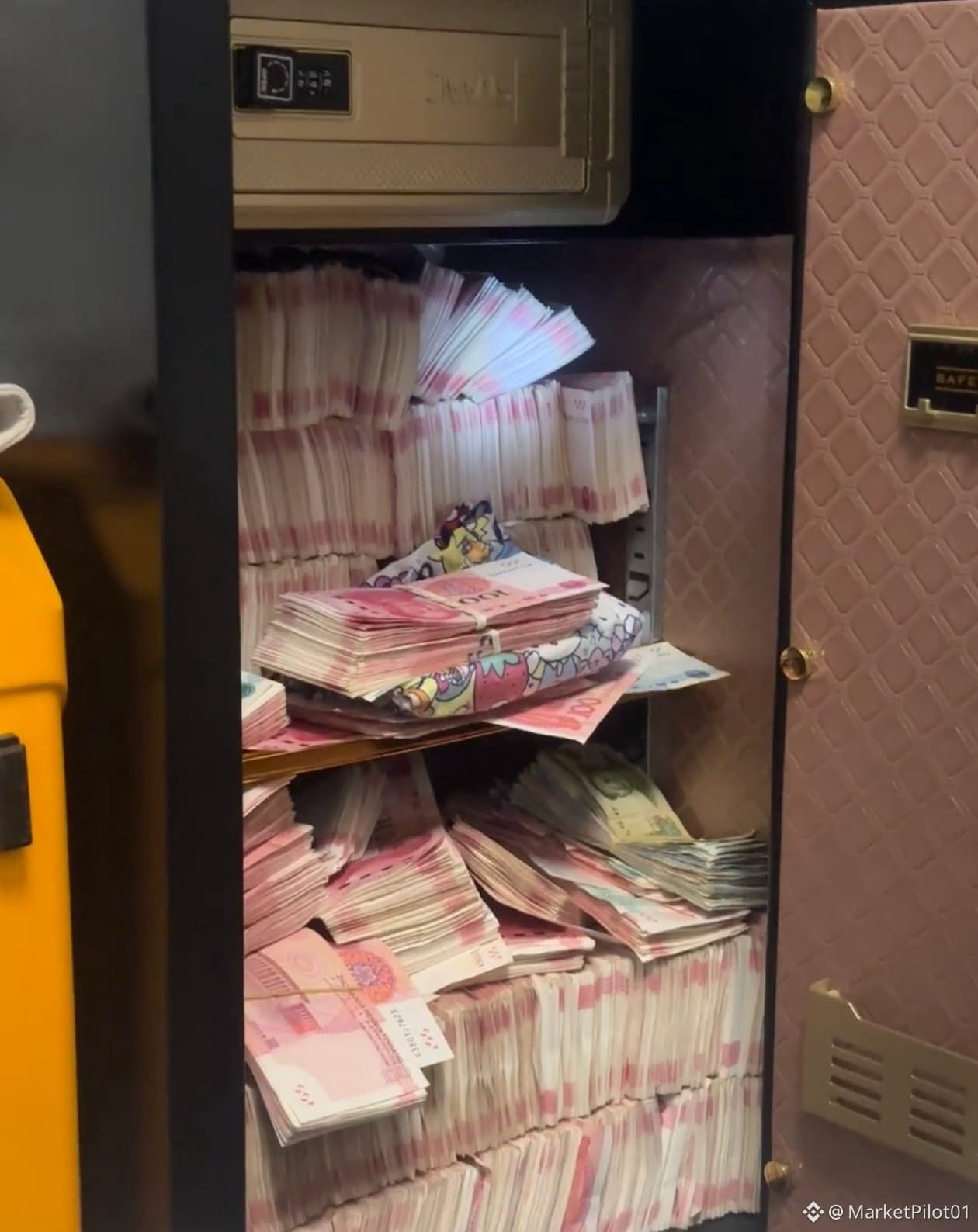
I’ve been trading crypto for 8 years. I’ve made money and lost money, and in the end I managed to hold on to 6 million. It’s not because I’m especially good at it—it’s simply because I’ve made enough mistakes in the past, and paid dearly for them.
I start by checking the top gainers.
I only focus on coins with trading volume and investor interest. I don’t have the patience to wait for coins that have been dormant for ages. And I don’t blindly chase coins that have already surged—I first check whether there’s a good entry point.
I use the monthly MACD to gauge the trend.
If the long-term trend isn’t looking good, I won’t commit heavily. Short-term price swings can easily cloud your judgment, so I look at the trend first, then look for opportunities.
I keep a close eye on the 70-day moving average.
When the price pulls back to a key moving average, I look at trading volume and price action to judge whether there’s support. If the signal isn’t clear, I keep waiting. Don’t rush to buy the dip just because you see prices falling.
I decide how I’ll exit before I enter.
If the price breaks below a key level, I cut my losses. At 30% profit, I consider reducing my position; at 50%, I take profits in stages. The specifics depend on market conditions—don’t always expect to sell at the very top.
The mistake I used to make most often was wanting to earn more after making a profit, then refusing to walk away when I was losing. In the end, I’d give all my profits back.
Now I keep it simple: if I can’t make sense of it, I don’t trade; if the conditions aren’t right, I wait; if my stop-loss is triggered, I get out.
After all these years of trading crypto, my biggest takeaway is this: making money takes skill; keeping it takes discipline.
Don’t keep hoping for one big trade to turn everything around. Sticking to a set of rules is far more useful than learning one indicator today and switching to a new strategy tomorrow.