



Before You Trust, Click or Sign: Why Cybersecurity Self-Testing Matters in Crypto
Introduction: The Biggest Vulnerability Can Be Human
The cryptocurrency industry is built on technological innovation, digital ownership and the ability to transact without traditional intermediaries. Yet, behind the sophistication of blockchain networks and decentralized finance lies a persistent challenge: people must make security decisions that can have immediate and lasting consequences.
A convincing website can imitate a trusted platform. A fake support agent can sound professional. A fraudulent airdrop can appear legitimate. A single careless signature can authorize an action the user never intended to approve.
These threats reveal an important reality: knowing how crypto works does not automatically mean knowing how to stay safe in crypto.
Security awareness requires more than reading warnings or memorizing rules. It requires the ability to recognize suspicious behavior, question unfamiliar requests and make sound decisions when faced with deception.
This is where the STONverse Cybersecurity Game becomes relevant. Powered by STON.fi, the experience introduces the basics of cybersecurity in the crypto world through a short game focused on scam patterns, from simple to advanced.
Its concept addresses a fundamental need across Web3: helping people become more conscious of digital threats before those threats reach their wallets.
The real question is not whether you have heard about crypto scams. It is whether you can recognize one when it appears in front of you.
Understanding the STONverse Cybersecurity Game
The STONverse Cybersecurity Game is an educational experience designed to make cryptocurrency security more accessible. Its public introduction emphasizes learning about scam patterns through a short, interactive format, with Pixel Cat serving as part of the experience's visual identity.
The concept is significant because cybersecurity can sometimes feel intimidating, particularly to newcomers who are still learning how wallets, tokens, decentralized exchanges and blockchain transactions work.
A traditional security article might explain what phishing is, why private keys matter or how fraudulent transactions operate. An interactive experience offers another approach: it encourages users to engage with security concepts rather than encounter them exclusively as written information.
This approach can help make cybersecurity more approachable and encourage users to think critically about the situations they may face in crypto.
The educational focus is particularly relevant to decentralized finance, where users frequently interact with third-party applications, approve transactions and manage their own assets. In these environments, a user's understanding of security is an important part of responsible participation.
The game should be viewed as a learning opportunity, not a guarantee of protection. Its public description establishes its focus on cybersecurity fundamentals and scam patterns, but specific levels, scoring systems, rewards and individual challenges should be verified within the experience itself.
Its broader message remains valuable: security knowledge becomes more useful when people practice applying it.
Why Testing Yourself Is More Important Than You Think
1. Reading about scams is different from recognizing them
Most crypto users have encountered familiar advice: never share your seed phrase, avoid suspicious links and verify transactions before signing.
These rules are essential, but knowing them in theory does not guarantee that someone will follow them in practice.
Imagine receiving a message claiming that your wallet has an urgent security problem. The sender uses the logo of a familiar platform, communicates confidently and provides a link to a page that looks authentic. The message warns that your assets could be at risk unless you act immediately.
You may know that phishing exists, yet the combination of fear, urgency and apparent authority can still influence your decision.
Self-testing helps bridge the gap between awareness and action. It encourages you to examine suspicious situations, identify warning signs and explain why a particular decision could be dangerous.
The objective is not simply to memorize the right answer. It is to develop the judgment needed to recognize danger when the presentation changes.
2. Scammers target human psychology
Not every successful crypto scam depends on advanced technical exploitation. Many rely on predictable human responses.
Scammers may use fear to make people believe their wallets are compromised. They may use greed to promote unrealistic returns, curiosity to advertise fake airdrops or authority to impersonate project administrators.
Urgency is another powerful tactic. By insisting that a reward expires immediately or that an account will be suspended, attackers attempt to prevent users from verifying information independently.
Testing your cybersecurity knowledge helps you recognize these psychological techniques. You begin to ask why a request demands immediate action, whether the promised benefit is realistic and whether the person communicating with you can be independently verified.
The ability to pause is one of the simplest yet most valuable defenses against manipulation.
3. Blockchain transactions can be difficult to reverse
In many blockchain environments, confirmed transactions cannot be reversed through an ordinary customer-support process.
If you voluntarily transfer assets to a scammer, approve a malicious transaction or expose the credentials controlling your wallet, recovering the funds may be difficult or impossible.
This makes prevention particularly important.
Self-custody provides users with greater control over their assets, but it also places greater responsibility on them to protect their recovery phrases, understand transaction requests and secure their devices.
Testing your knowledge before interacting with suspicious applications can help reveal gaps in your understanding while the stakes remain low.
It cannot eliminate every risk, but it can help reduce mistakes that are preventable through better awareness.
4. Familiarity with crypto can create false confidence
Experienced users are not automatically immune to fraud.
Someone who has traded for years may understand market volatility and liquidity pools but still misunderstand a token approval. A developer may understand smart contracts yet fall for a convincing impersonation attempt. An active community member may recognize a project's official logo but overlook a fraudulent domain.
Cybersecurity is a separate skill set that develops alongside technical knowledge.
Self-testing challenges assumptions and encourages users to evaluate their actual understanding rather than their confidence. It can reveal blind spots that ordinary crypto activity may never expose until a real incident occurs.
The more frequently people interact with digital assets, the more valuable it becomes to review their security habits.
The Threats Every Crypto User Should Learn to Recognize
Phishing: When a familiar page hides a dangerous destination
Phishing occurs when attackers deceive users into visiting fraudulent websites, disclosing sensitive information or authorizing harmful actions.
A fake website may copy a legitimate exchange's design, imitate a wallet interface or use a domain that differs from the genuine address by only a few characters.
A professional appearance is not proof of authenticity. Neither is a familiar logo, a large social media following or a message shared within a popular community.
Users should navigate through verified official sources, inspect domain names carefully and avoid connecting wallets to unfamiliar websites promoted through unsolicited messages.
The important lesson is to verify the destination before trusting the experience.
Impersonation: When the person offering help is the threat
Crypto communities depend on communication across platforms such as Telegram, Discord and social media. Unfortunately, scammers use these same channels to impersonate administrators, moderators, developers and customer-support representatives.
An attacker may claim to resolve a failed transaction, restore access to a wallet or help a user claim a reward. The conversation may appear friendly and professional, but the real objective could be to obtain sensitive information or persuade the victim to sign a malicious transaction.
Never share a recovery phrase or private key with someone claiming to provide assistance. Verify support channels independently and be suspicious of unsolicited messages requesting payment, wallet access or urgent action.
A genuine support process should not require you to surrender control of your wallet.
Fake tokens: When the name looks right but the asset is wrong
Decentralized ecosystems allow many tokens to exist with similar names, symbols and branding.
Scammers can exploit this openness by creating counterfeit assets that imitate established projects. A token might display a familiar ticker and logo while being associated with an entirely different contract.
Other deceptive tokens may contain restrictions or mechanics that make selling difficult or impossible under certain conditions.
This is why token verification must go beyond appearance. Check the contract address against reliable official sources, investigate the project's legitimacy and understand any unusual transfer or trading restrictions before interacting.
STON.fi has published guidance on how it labels non-standard tokens, providing useful context for understanding why users should examine what they are interacting with rather than relying on a token's name alone.
Fake airdrops: When a free reward comes with a hidden cost
Airdrops and community campaigns are common across Web3, making them attractive subjects for impersonation and fraud.
A fraudulent campaign might promise free tokens, exclusive access or a valuable reward in exchange for connecting a wallet. The page may then request an unexpected signature, an asset approval or information that should never be disclosed.
The danger is not simply that the offer might be fake. It is that the process used to claim the reward may expose the user's assets.
Verify announcements through official project channels. Be especially cautious of requests to disclose recovery phrases, send funds to unlock rewards or sign transactions whose purpose you do not understand.
A free offer is not worth compromising your wallet.
Malicious approvals and transaction signing
One of the most important cybersecurity lessons in crypto is understanding the difference between connecting a wallet, signing a message and authorizing a transaction.
A wallet connection typically establishes communication between an application and a wallet. It does not automatically mean that the application has permission to transfer every asset.
A signature may authenticate a message or authorize a particular operation, depending on what is being signed. A transaction can transfer funds, interact with a smart contract or change the state of an application. Some token approvals grant a spender permission to transfer specified tokens, potentially up to an allowance that may be larger than a user expects.
Scammers exploit users who treat every wallet prompt as a routine confirmation.
Before approving anything, examine the requested action, destination, amount and permissions displayed by your wallet. If the details are unclear or inconsistent with what you intended, stop and investigate.
Your wallet is not just a place to store assets; it is an interface through which you authorize actions. Learn what you are authorizing before you sign.
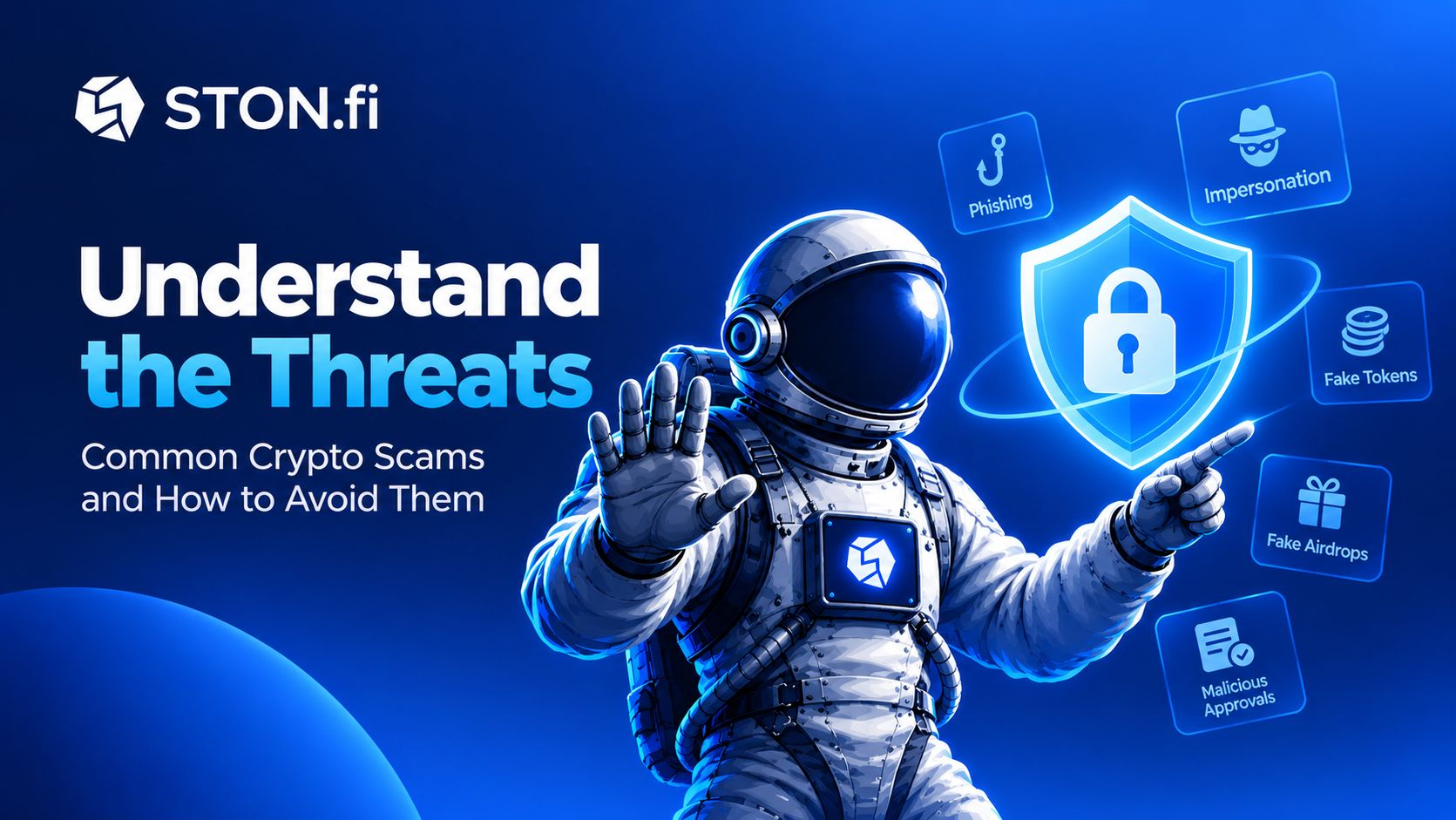
Why Interactive Cybersecurity Education Matters
The value of a game-based learning experience extends beyond entertainment. Its educational potential comes from making users engage with security concepts in a more active way.
It turns passive information into active thinking. Instead of merely reading that phishing is dangerous, users can engage with scenarios that encourage them to identify suspicious behavior and evaluate possible responses.
It makes security more approachable. A short game can introduce fundamental concepts without requiring users to understand complex technical documentation before they begin.
It encourages reflection. When a user encounters an unfamiliar security concept, the experience can create an opportunity to question assumptions and seek further explanations.
It supports better decision-making habits. Repeated exposure to realistic security principles can help users become more deliberate about links, wallet requests and financial promises.
It can start a wider learning journey. A short experience may motivate users to explore more detailed guides, understand wallet permissions and learn how to respond to security incidents.
These are potential benefits of interactive cybersecurity education. Completing a game does not automatically make someone secure, and its actual effectiveness depends on the content, the learner's engagement and whether the lessons are applied afterward.
The strongest outcome is not simply completing the experience. It is becoming more careful when making real decisions.
How to Test Your Cybersecurity Knowledge Effectively
When exploring the STONverse Cybersecurity Game, approach the experience as an opportunity to examine your decision-making rather than merely finish an activity.
Ask yourself whether you can distinguish a legitimate request from a suspicious one, explain why a particular action may be dangerous and identify the evidence needed to verify an unfamiliar website or token.
Consider these five questions:
Can you identify a phishing website even when it looks professional?
Can you recognize when someone is impersonating a project's official support team?
Can you explain why token names and logos are insufficient proof of authenticity?
Can you distinguish a wallet connection from a transaction or token approval?
Can you resist an offer that demands immediate action or promises unrealistic rewards?
If any answer is uncertain, treat it as a learning opportunity rather than a failure.
After completing a challenge, investigate the underlying security principle. Understand why a response is safer, what information you should verify and how the same scam could appear in a different form.
This approach builds transferable knowledge rather than dependence on memorized answers.
You can begin with the STONverse Cybersecurity Game and supplement it with reliable wallet and protocol security documentation.
Building a Practical Security Routine
Cybersecurity becomes more effective when it is integrated into everyday crypto activity.
Before opening a link, verify its destination through an official source. Before interacting with a token, confirm its contract address. Before signing a transaction, read the details and understand the action being authorized.
Keep recovery phrases offline and protected. Use strong, unique passwords and multifactor authentication where available. Keep devices and applications updated, and download wallet software only from verified sources.
When exploring unfamiliar decentralized applications, consider using a separate wallet with limited funds. This can reduce the amount exposed to a mistake, although it does not eliminate phishing, malicious signatures or smart-contract risks.
Review token approvals periodically and revoke unnecessary permissions using trustworthy tools. Remember that revoking an approval does not reverse transactions that have already occurred.
Finally, be skeptical of anyone promising guaranteed profits, urgent rewards or effortless recovery of stolen funds. Scammers frequently target victims a second time by pretending to offer assistance.
No single security measure is sufficient. A safer approach combines technical safeguards, independent verification and careful decision-making.
What Happens When You Suspect a Scam?
Recognizing a suspicious interaction is only the first step. Knowing how to respond is equally important.
Stop interacting with the suspicious website or application. Identify whether you connected a wallet, signed a message, approved a transaction, transferred assets or disclosed sensitive information.
If you only connected a wallet, disconnecting may end the application's active connection, but it does not necessarily revoke existing token approvals or reverse prior transactions.
If you approved a suspicious allowance, assess the permission and revoke it through a trustworthy interface where appropriate. If you signed a transaction or transferred funds, examine the transaction details and seek guidance from your wallet provider's verified support resources.
If your recovery phrase or private key has been exposed, treat the wallet as compromised. Where possible, secure remaining assets in a newly created wallet with a fresh recovery phrase, using a safe device and carefully checking the destination addresses. Do not enter the exposed phrase into a recovery website or give it to anyone offering to help.
Preserve relevant transaction hashes, wallet addresses and communications. Report impersonation and fraudulent activity through appropriate official channels.
Be particularly cautious of recovery scammers who demand upfront payments or ask for wallet credentials.
Security education cannot prevent every incident, but preparation can help users respond more quickly and avoid making the situation worse.
The Role of STON.fi in a Safer Web3 Environment
STON.fi operates within the TON ecosystem, where users interact with decentralized financial applications and manage digital assets through wallets. In this environment, security awareness is relevant not only to individual users but also to the broader community.
An educational initiative such as the STONverse Cybersecurity Game can contribute to awareness by giving people an accessible entry point into the subject.
Its focus on scam patterns addresses a challenge that extends across the crypto industry: users need to understand not only how to access decentralized services but also how to evaluate the risks associated with using them.
A stronger security culture benefits the ecosystem in several ways. Better-informed users may be less likely to fall for impersonation, more likely to report suspicious activity and more capable of identifying questionable transaction requests.
Developers and platforms also have responsibilities. Clear transaction information, reliable support channels, transparent communication and appropriate security safeguards can help users make informed decisions.
Cybersecurity is most effective when education, responsible product design and individual vigilance work together.
The game should be understood as one educational resource within that broader effort, not as a substitute for independent verification or technical safeguards.
Conclusion: Make Security a Habit Before It Becomes a Necessity
Crypto offers users greater access to digital ownership and decentralized financial services, but these opportunities come with responsibilities.
A wallet can be secured by technology, yet a user can still be deceived into revealing its recovery phrase. A transaction can be processed correctly by a blockchain while carrying out an action the user was manipulated into approving. A fraudulent website can look convincing even when the underlying offer is entirely false.
These realities make cybersecurity self-testing valuable.
The STONverse Cybersecurity Game, powered by STON.fi, provides a short, interactive starting point for exploring scam patterns and building awareness of common threats. Its greatest potential value lies in encouraging users to think critically about the risks they may encounter throughout their crypto journey.
But learning should not stop when the game ends. It should continue every time you verify a link, investigate a token, review a wallet prompt or question an offer that seems too good to be true.
Do not wait for a scammer to test your security knowledge with your real assets. Test yourself first. Learn to recognize deception, understand what you authorize and make verification a habit.
In a world where one careless decision can have lasting consequences, cybersecurity awareness is not an optional skill. It is part of being a responsible crypto user.
Start learning with the STONverse Cybersecurity Game. Your next security decision may be the one that matters most.