

Beginners have a classic illusion: "If I don't set a stop-loss, the price will turn around and I'll just wait out the drawdown." Sooner or later, this approach ends in a total liquidation of your account on a single sharp market dump.
If it physically hurts you psychologically to set a stop-loss, you haven’t even reached rule number one of surviving in the market.
A professional trader's entire position is built around the stop-loss:
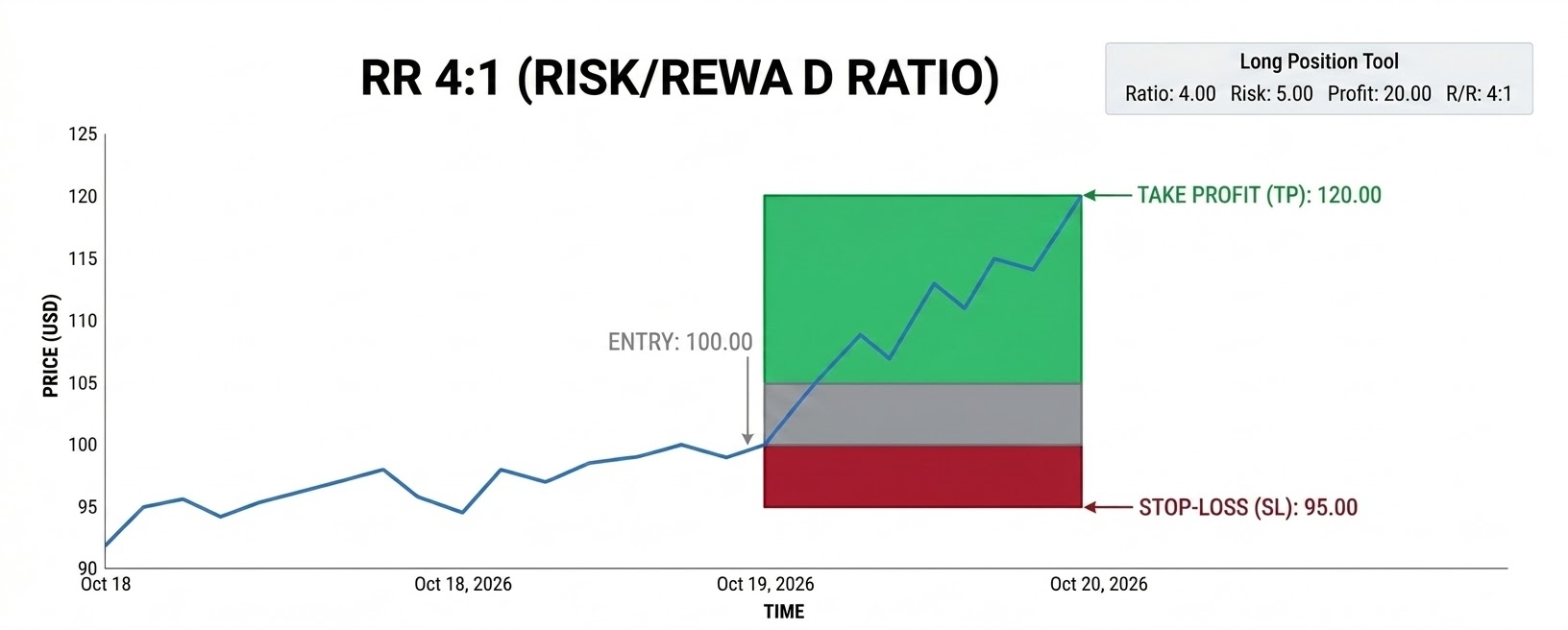
Risk Management (R:R): You don't enter a trade because a coin "has to grow," but because you precisely know how much you are willing to pay for being wrong (e.g., risking $20 to make $60). Without a stop, the risk-to-reward ratio simply does not exist.
Position Sizing: The size of your position is calculated exclusively based on the distance to your stop-loss, not based on how much money is sitting in your balance.
A stop is not a sign of weakness or an admission of defeat. It is your ticket to trade tomorrow. No stop-loss means no business—just a casino roulette.
Now, be honest in the comments: do you know how to technically place a stop-loss correctly, and is it ever okay to move it while a trade is open? What do you think?
👇 Hit subscribe. Here, we trade without illusions, using strict systems and risk management.