

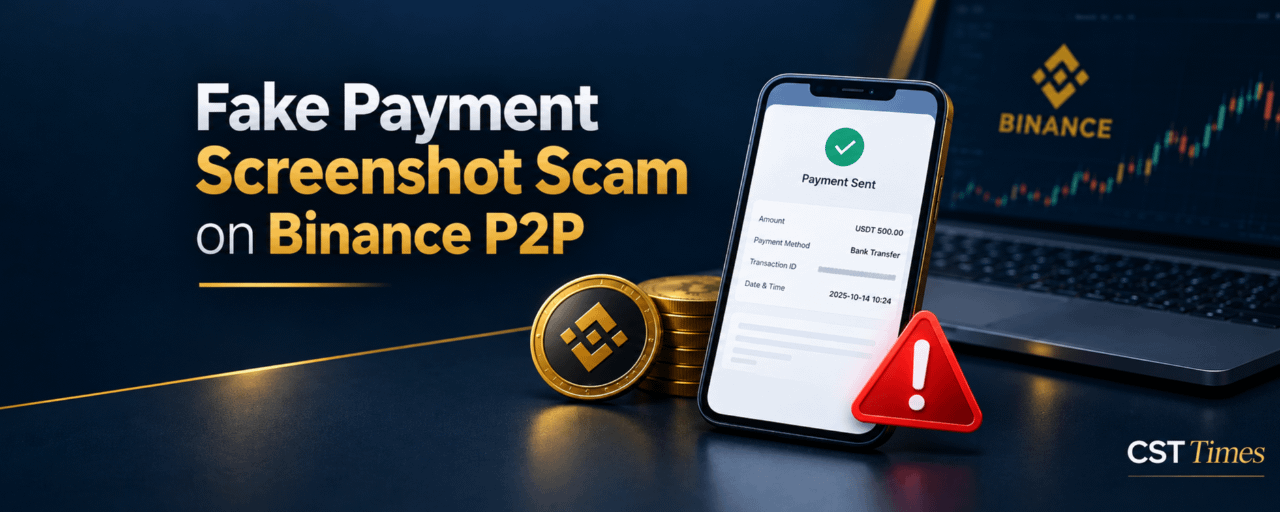

A convincing screenshot can fool your eyes. Your bank account tells a different story.
Imagine that you are selling USDT through Binance P2P. A buyer places an order, marks it as paid, and sends you a screenshot showing a successful transaction.
The amount looks correct. The receipt looks genuine. The buyer starts asking you to release the crypto quickly.
But there is one problem: the money has not arrived in your account.
This is the basic idea behind a fake payment screenshot scam.
How Does the Scam Work?
A fraudulent buyer may share an edited receipt or a fake payment notification to make the seller believe a transfer has been completed. The buyer may then use urgency and pressure to persuade the seller to release the crypto before checking the actual payment.
Once the seller releases the USDT, recovering the assets may be difficult.
The most important thing to understand is that a screenshot is only an image. It does not confirm that money has reached your account.
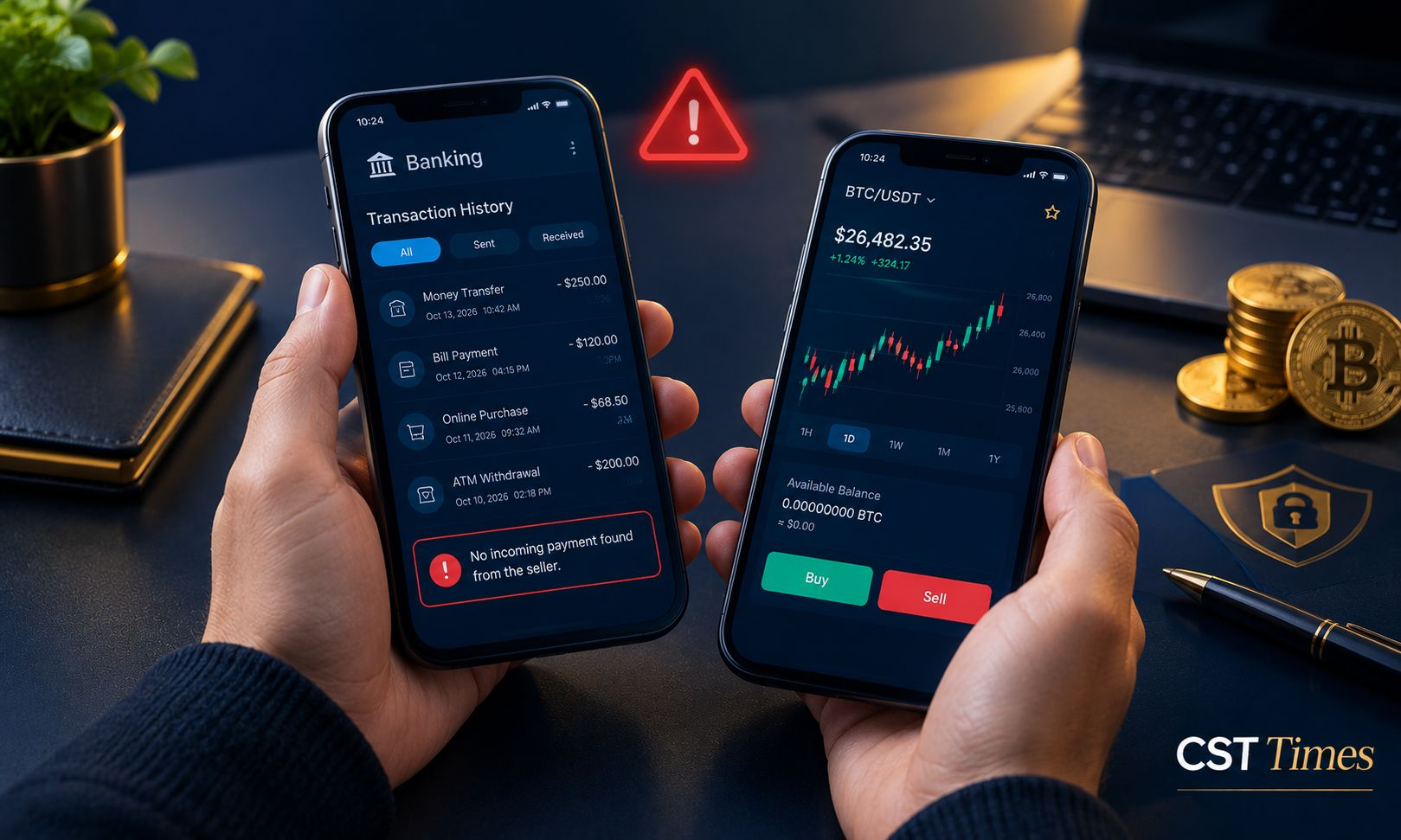
Five Rules for Safer Binance P2P Trading
1. Verify the payment yourself.
Open your own bank or payment app instead of relying on an image sent by the buyer.
2. Confirm the full amount.
A pending transfer, partial payment, or payment that does not appear in your account should not be treated as a completed payment.
3. Check the sender's name.
Compare the name shown in your payment account with the buyer's verified details. Be cautious about third-party payments.
4. Never let urgency control your decision.
Messages such as “Release now,” “The bank is processing it,” or “Trust me” are not proof that a payment has arrived.
5. Use the platform's dispute process.
If the money is missing, do not release the crypto. Keep the order details and chat evidence, then use Binance's in-app appeal process.
A Simple Habit That Can Make a Difference
In my six years of using Binance as a spot trader, checking counterparties and verifying transactions have been important habits. Before trading with a P2P buyer, I look at their completed trades, trading history, and requirements.
These checks are useful, but even an experienced or highly rated trader should not be trusted blindly. Every payment needs to be verified independently.
The safest approach is straightforward: check the actual funds, confirm the amount and sender, and only then consider releasing your crypto.
Final Takeaway
You do not need advanced technical knowledge to recognize the basic warning sign. If someone wants you to release crypto before the payment is confirmed, stop and verify.
A screenshot may look convincing, but your own account is the place to confirm whether the money has arrived.
Read the complete guide on CST Times:
This article is for educational purposes only. Always review the platform's current rules and payment requirements before completing a P2P transaction.