

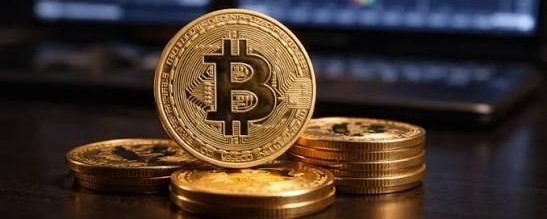
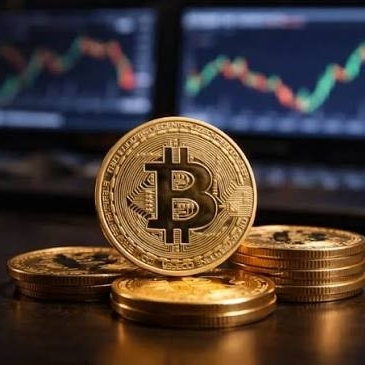
Bitcoin (BTC) has transformed the way people think about digital money. Since its launch in 2009, it has become one of the most widely recognised cryptocurrencies in the world.
But what exactly is Bitcoin, how does it work, and why are people interested in it?
Let's explore. 👇
💎 1. What Is Bitcoin?
Bitcoin is a decentralised digital currency that allows people to transfer value over a computer network without relying on a central bank to control the network.
Unlike traditional currencies, Bitcoin operates using a system of computers that follow a shared set of rules.
Bitcoin was introduced by an individual or group using the name Satoshi Nakamoto. The identity behind that name remains unknown.
🔗 2. How Does Bitcoin Work?
Bitcoin uses blockchain technology.
A blockchain is a public ledger that records transactions in connected blocks. Network participants called nodes independently verify transactions and help maintain the network according to Bitcoin's rules.
Bitcoin also uses a process called proof of work. Miners compete to add new blocks to the blockchain, helping secure the network.
This system allows Bitcoin to operate without a central authority controlling every transaction.
💰 3. Why Is Bitcoin's Supply Limited?
One of Bitcoin's most distinctive features is its maximum supply of 21 million BTC.
New bitcoin enters circulation through mining rewards. These rewards decrease through scheduled halving events.
Its limited supply is one reason some people view Bitcoin as a potential store of value.
However, scarcity alone does not guarantee that its price will increase. Demand, investor sentiment, market conditions and other factors also matter.
🌍 4. Why Do People Use Bitcoin?
People are interested in Bitcoin for several reasons:
✅ Transferring digital value.
✅ Learning about decentralised financial technology.
✅ Exploring an alternative asset.
✅ Participating in the cryptocurrency ecosystem.
✅ Studying blockchain innovation.
Bitcoin's usefulness depends on individual needs, local regulations, transaction costs and market conditions.
⚠️ 5. What Are the Risks?
Bitcoin is not a guaranteed way to make money.
Its price can rise or fall sharply. Investors may experience substantial losses, and mistakes involving wallet addresses or recovery phrases can lead to permanent loss of funds.
Cryptocurrency users should also be alert to phishing websites, impersonation accounts and fraudulent investment schemes.
Never share your wallet's recovery phrase with anyone.
🧠 Final Thoughts
Bitcoin represents an important experiment in decentralised digital money. Understanding its technology, economics and risks is essential before deciding whether it suits your financial goals.
The best starting point is education, not speculation.
💬 Question for the community:
What interests you most about Bitcoin: its technology, limited supply, potential as an investment, or its role in the future of digital payments?
Share your thoughts below! 👇
