

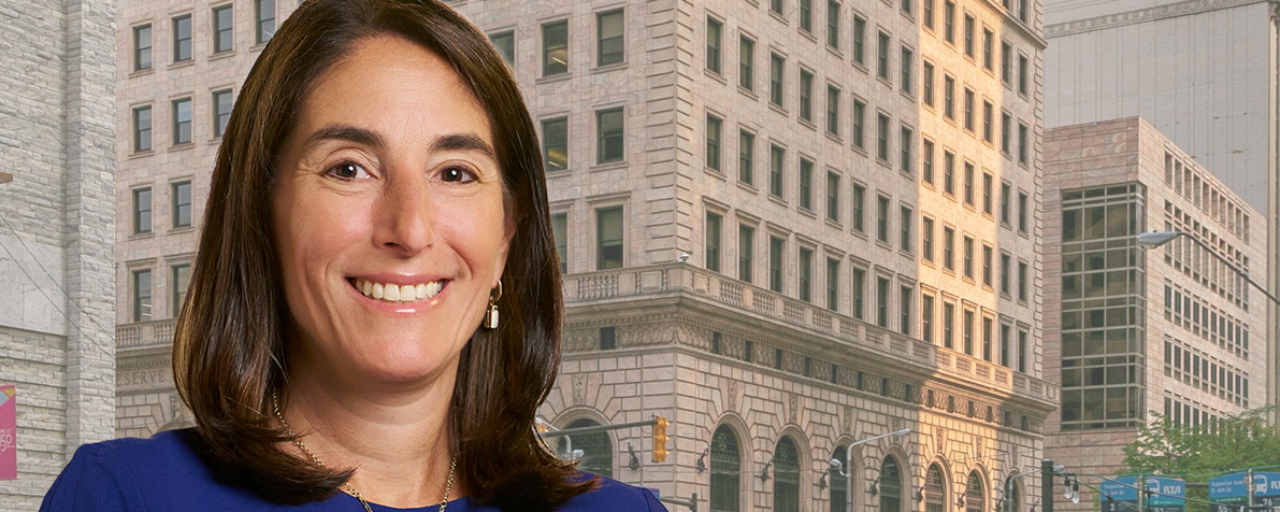
Beth M. Hammack, President of the Federal Reserve Bank of Cleveland and a voting member of the Federal Open Market Committee (FOMC) in 2026 through the rotating regional president seat, argued in prepared remarks that the Fed must tighten policy further. The question now, she stressed, is how fast to make policy more restrictive, and she prefers smaller rate changes delivered relatively quickly.
Inflation drives her case. Trend inflation sits in the mid-to-high 2% range, and she expects the return to the 2% target to take time even with appropriate policy. Her biggest worry is an inflationary mindset taking hold. Firms are planning price hikes that outrun their input cost increases, and she warned against assuming inflation expectations will stay anchored.
Strong demand, not just energy, is adding to price pressures. She flagged that AI-driven demand will not correct itself, and her business contacts sound more like an economy that is thriving than one about to slow down.
A steady job market gives the Fed scope to act, though she does not want to threaten the jobs side of their mandate or aim for rates to make a radical impact on the economy.
Rounding out her remarks, Hammack made the case that Fed officials have a duty to clarify their decisions, and that spelling out the reaction function lets businesses and households plan effectively.
Key Quotes:
Monetary Policy
Interest rates need to be higher
More tightening needed but open to adjusting pace of rate increases
Current policy not restrictive enough
Broad inflation, sustained growth require tight monetary policy
Restrictive approach needed to achieve 2% inflation
The question for the Fed now is how fast to make policy more restrictive
Prefers Fed make smaller policy rate changes but act relatively quickly
Frequent, smaller tweaks lower risks
Keeping an open mind about the right timing
There is more restraint that is needed; if monetary policy does nothing, market conditions would change
Need to “cool the economy at the margins”
Not aiming for rates to make a radical impact on the economy
Policy curbs will need to reduce demand via capital spending or consumption
Don’t want to deter growth but may need to ease it back a bit
I have one of the higher FOMC projections for neutral
The neutral rate is likely higher, but it is hard to pin down
Higher interest rates won’t dissuade hyperscalers, but might influence firms in other industries
Inflation
Inflation remains too high
Trend inflation now in mid-to-high 2% range, expects it will take some time to return to 2% target despite appropriate monetary policy
Inflation pressures are widespread, not focused
Biggest risk is inflationary mindset
Do not assume anchored inflation expectations as firms plan price hikes beyond input cost rises, signaling an inflationary mindset
Hearing “early warning signs” of a possible problem with inflation expectations
Firms passing higher input costs to customers
Strong demand, not just energy, adds to price pressures
Growth & Economy
Business contacts sounding more like the economy is thriving than about to slow down
Inflation pressures spreading beyond AI, with other companies also performing well and prepared to invest
AI & Productivity
Demand-side pressures from AI are not self-correcting
Labor Market
Steady job market offers scope to tackle inflation
Don’t want to threaten the jobs side of the Fed’s mandate
Financial Conditions
Financial conditions are neutral
Treasury rates right now are “modest” by historic standards
If the economy were to return to a 3% home mortgage, it would likely mean something had gone wrong in the economy
On the Ground / Real Economy Feedback
Comments from low-income workers were first about trading down; now they are beginning to juggle what bills to pay
Fed Transparency & Accountability
Rate projections provide helpful information
Important to clarify reaction function so businesses and households can plan effectively
Fed officials have a duty to clarify their decisions