



Many people believe they need money to start learning about cryptocurrency. They think they must buy Bitcoin, invest in altcoins, or open trading positions to understand how the market works.
But that's not true.
The cryptocurrency industry offers plenty of opportunities to learn without spending anything. Binance provides several educational resources that can help beginners understand blockchain technology, market movements, trading concepts, and crypto security.
You don't need a big investment to begin your crypto journey. Sometimes, all you need is curiosity, patience, and a willingness to learn.
1. Start With Binance Academy
One of the easiest ways to begin learning about cryptocurrency is through Binance Academy.
Binance Academy offers free educational articles and learning materials covering Bitcoin, Ethereum, blockchain technology, decentralized finance, and cryptocurrency security.
Beginners can start with simple topics, such as understanding what Bitcoin is and how blockchain transactions work.
As their knowledge improves, they can explore more advanced subjects, including tokenomics, market liquidity, technical analysis, and blockchain networks.
The biggest advantage is that learning does not require purchasing cryptocurrency or opening a trading position.
Instead of rushing into the market, beginners can build a stronger understanding of how the industry operates.
2. Explore Binance Square for Market Knowledge
Binance Square is another useful platform for people interested in cryptocurrency.
It brings together educational articles, market discussions, news updates, and opinions from crypto creators.
Beginners can explore different perspectives on Bitcoin, Ethereum, altcoins, and broader financial market developments.
Reading market analysis can help people understand why prices move and how investors interpret economic news.
However, not every prediction shared on social media is accurate.
It is important to compare information from multiple sources rather than following every bullish or bearish opinion.
The goal should be to understand market behavior, not blindly copy someone else's trading decisions.
3. Learn How Crypto Charts Work
Understanding price charts is an important skill for anyone interested in cryptocurrency markets.
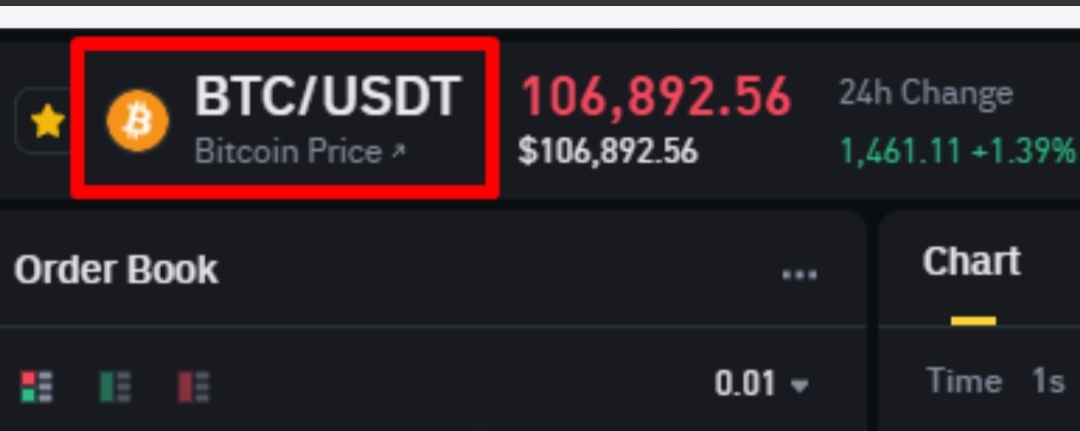
Binance provides charting interfaces where users can observe historical price movements, trading volume, and common technical indicators.
Beginners can learn what green and red candlesticks represent, how support and resistance work, and why market trends change.
They can also explore basic concepts such as moving averages, trading volume, and market volatility.
You do not need to place a real trade to study a chart.
Simply observing price movements and comparing them with previous market behavior can help develop analytical skills.
Remember that technical analysis is not a guaranteed method of predicting future prices. It is a way of organizing market information and evaluating possible scenarios.
4. Understand Spot and Futures Trading Before Using Them
Many beginners enter cryptocurrency markets without understanding the difference between spot and futures trading.
Spot trading generally involves buying or selling an asset at the current market price.
Futures trading involves contracts linked to an asset's price and can include leverage, which increases financial risk.
Binance educational materials explain these concepts, including order types, margin, liquidation, and risk management.
Learning the differences is valuable even if you never intend to trade futures.
Understanding how financial products work can help you recognize misleading profit claims and appreciate the risks behind aggressive trading strategies.
You can study these subjects entirely through educational resources without using real money.
5. Learn About Crypto Security and Common Scams
One of the most valuable things beginners can learn is how to protect themselves from cryptocurrency scams.
The crypto industry attracts legitimate developers and investors, but it also attracts scammers who take advantage of inexperienced users.
Binance Academy provides educational information about phishing, suspicious links, fake giveaways, wallet security, and other common threats.
Beginners should understand why passwords must remain private, how two-factor authentication works, and why recovery phrases should never be shared.
Learning to recognize scams is useful long before someone decides whether to own cryptocurrency.
Good security habits can protect personal information as well as digital assets.
6. Follow Crypto News and Understand Market Events
Cryptocurrency prices are influenced by more than buying and selling activity.
Economic developments, regulations, interest rate expectations, institutional participation, and technological updates can all affect market sentiment.
Binance Square and Binance's educational resources can help beginners explore these relationships.
For example, someone can study how Bitcoin reacts to major economic announcements or why an important blockchain upgrade attracts attention.
Instead of simply reading that Bitcoin increased or decreased, try understanding the possible reasons behind the movement.
It is also important to distinguish confirmed news from rumors and speculative predictions.
Over time, this habit can improve critical thinking and make financial news easier to understand.
7. Create Your Own Crypto Learning Routine
The final method is simple, completely free, and often overlooked.
Build a consistent learning routine.
Spend a little time reading educational articles, exploring charts, and reviewing important cryptocurrency concepts.
For example, one day you might study Bitcoin and blockchain technology. Another day, you could learn about Ethereum, stablecoins, or decentralized finance.
You can also maintain a notebook where you write down new terms, interesting market observations, and questions you want to research.
This approach helps turn random information into structured knowledge.
You do not need to understand everything immediately. Cryptocurrency is a complicated industry, and even experienced participants continue learning as technology develops.
Consistency matters more than trying to learn everything in one day.
Why Learning Before Investing Matters
One of the biggest mistakes beginners make is focusing on potential profits before understanding the risks.
They see screenshots of successful trades, hear stories about cryptocurrencies delivering extraordinary returns, and begin believing that making money is easy.
But cryptocurrency markets can be extremely volatile, and losses can happen quickly.
Learning first helps people understand the difference between investing and speculation, recognize unrealistic promises, and evaluate financial information more carefully.
It also encourages independent thinking instead of depending entirely on influencers or online predictions.
Knowledge cannot eliminate financial risk, but it can help people recognize risks they might otherwise overlook.
Final Thoughts: Your Crypto Journey Can Start With Zero Investment
Cryptocurrency education should not depend on how much money someone has available.
With resources such as Binance Academy, Binance Square, educational market charts, and security guides, beginners can explore the industry without purchasing a single token.
The most important first step is not buying Bitcoin or finding the next popular altcoin.
It is understanding how cryptocurrency works, why markets change, and what risks exist.
Some people may eventually decide to invest when they are older and financially prepared. Others may use their knowledge to explore blockchain development, research, technology, or digital finance.
Both paths can begin with free education.
You don't need money to start learning crypto. You need knowledge before you ever consider putting money at risk.
So here's a question for the Binance Square community:
If you were starting your crypto journey from zero today, what would you want to learn first: Bitcoin, blockchain technology, crypto charts, or online security?
This article is for educational purposes only and does not constitute financial advice. Binance features and eligibility requirements may vary by location and account type.