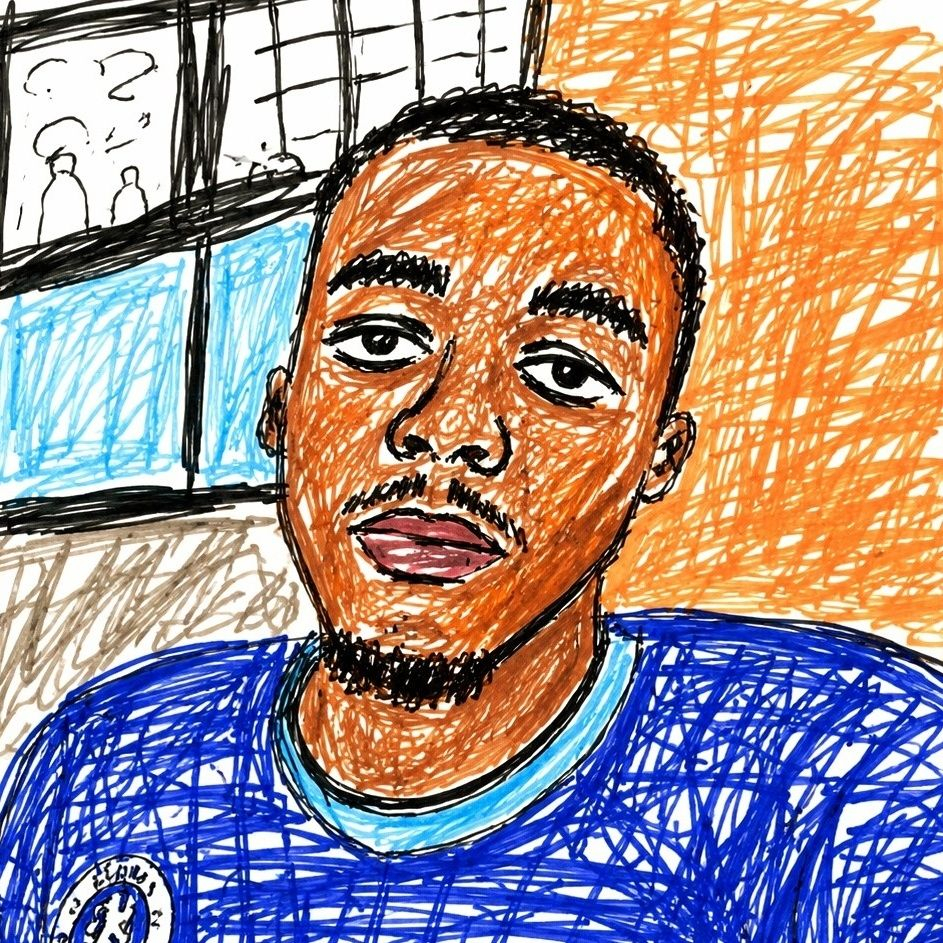
Pavel Durov has a habit of losing empires—and rebuilding them.
He built VKontakte, Russia's Facebook. The Kremlin demanded user data. He refused and left Russia. In 2013, he launched Telegram: private, encrypted, built for people who don't trust the state.
Then came $GRAM
$1.7 Billion, Then Dead
In 2018, Telegram raised $1.7 billion for a crypto token called Gram. The SEC sued, calling it an unregistered securities offering. In 2020, Telegram settled—returning $1.22 billion and paying an $18.5 million fine. Durov walked away. Gram was dead.
Except it wasn't.
Independent developers rebuilt the abandoned code as The Open Network, renaming the token Toncoin. By 2021, Durov had publicly backed it.
In 2026, he came back for it.
The Comeback
Durov launched a plan called "Make TON Great Again." Faster blocks. Fees cut 6x to about $0.0005. Then in May 2026, Telegram replaced the TON Foundation and became the network's largest validator. The company that abandoned the blockchain now ran it.
In June, the community voted 81.22% to rename Toncoin back to Gram. No swap. No migration. Just the old name restored.
Then came the wallet.
Money
In July 2026, Durov announced a non-custodial Gram wallet for Telegram's roughly one billion users. By October 9, it had a name: Money.
Money lives inside Telegram. You hold your own keys. Transfers are instant and free. You can send Gram in chats, buy gifts, and collect usernames—all without leaving the app.
The catch: Money only appears after someone sends you a transfer. And it's separate from Walt, the platform for trading 300+ assets, stocks, and metals.
The Market Noticed
· July wallet news: GRAM jumped 8%
· October Money launch: GRAM rose 9% to $1.56, market cap $4.12 billion
· 52-week range: $1.16 to $2.89
The Risk
Distribution is not adoption.
Money is non-custodial—Telegram doesn't hold your coins. Lose your keys, lose your funds. Send to the wrong person, and it may be gone. The price is still volatile. Crypto has seen plenty of comebacks that faded.
What's Next
Three steps of Durov's roadmap remain secret. The direction is clear: Telegram and TON, stitched together by Gram.
Durov lost VK to the Kremlin. He lost TON to the SEC. Now he's back—running the network, reviving the token, and putting it inside the app he built.
Gram was killed in 2020. In 2026, it refuses to stay dead. The only question left: will a billion people actually use it—or just hold it?


Artikel
From Security to Money: How $GRAM Beat the SEC
Haftungsausschluss: Enthält Meinungen von Drittanbietern. Keine Beratung. Binance AI wird ohne Gewähr bereitgestellt. Siehe AGB.