



🛢️ Oil Flows Recover — But Remain Fragile
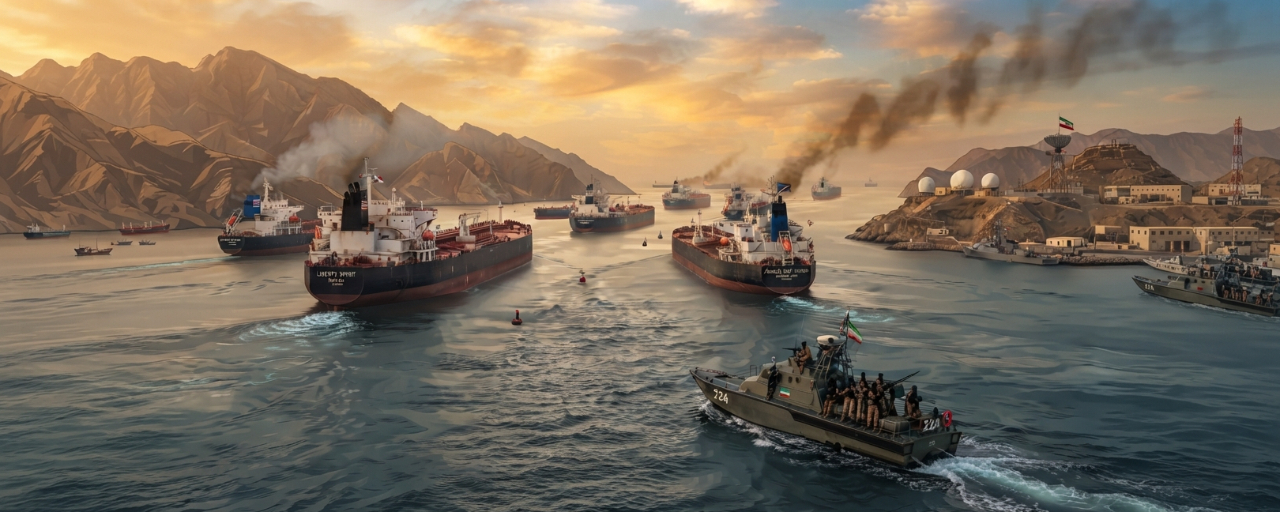
Crude oil shipments through the Strait of Hormuz have increased, but the recovery depends heavily on U.S. military protection and comes with significant financial and human costs.
Iran has intensified attacks and threats against commercial vessels, putting the renewed flow of Gulf oil at risk.
⚠️ Rising Tanker Attacks
Nearly 20 commercial vessels, mostly oil tankers, have reportedly faced attacks over the past month in and around the Strait of Hormuz and the Gulf of Oman.
Analysts estimate that roughly 2 out of every 100 vessels crossing the strait were attacked during the third quarter.
🔄 A Costly “Shuttle” System
Some tankers now move crude through Hormuz before transferring it to other vessels in the Gulf of Oman for onward delivery to Asia.
This reduces exposure to attacks but requires more ships, higher freight costs and greater logistical complexity.
💰 Higher Costs for Oil & Shipping
Oil exports have recovered partly because companies are accepting greater risks and expenses. Shipping costs for crude from the Persian Gulf to China have reportedly reached around $1 million per tanker per day.
Since July, at least 9 sailors have died, 18 have been injured and 3 remain missing, according to the International Maritime Organization.
📉 Exports Still Below Prewar Levels
Kpler data showed crude shipments averaging around 10.3 million barrels per day, compared with a prewar level of approximately 13.5 million barrels per day.
Despite the recovery, oil flows remain highly volatile.
🌍 The Bigger Concern
Brent crude remains close to $100 per barrel, reflecting the continued costs and risks involved in transporting and insuring oil.
Analysts warn that the current system may not be sustainable without a negotiated settlement or a major change in the security situation.
🔥 Bottom Line
The oil market is moving more crude through Hormuz again, but the underlying security threat has not disappeared.
Instead of returning to normal navigation, shipping companies are becoming more efficient at operating under continued insecurity, higher costs and greater risks to crews.
#StraitOfHormuzOilExportsAndGlobalEnergySecurity
#IranTankerAttacksAndMiddleEastOilSupplyRisks
#GlobalOilMarketsAndStraitOfHormuzShippingSecurity