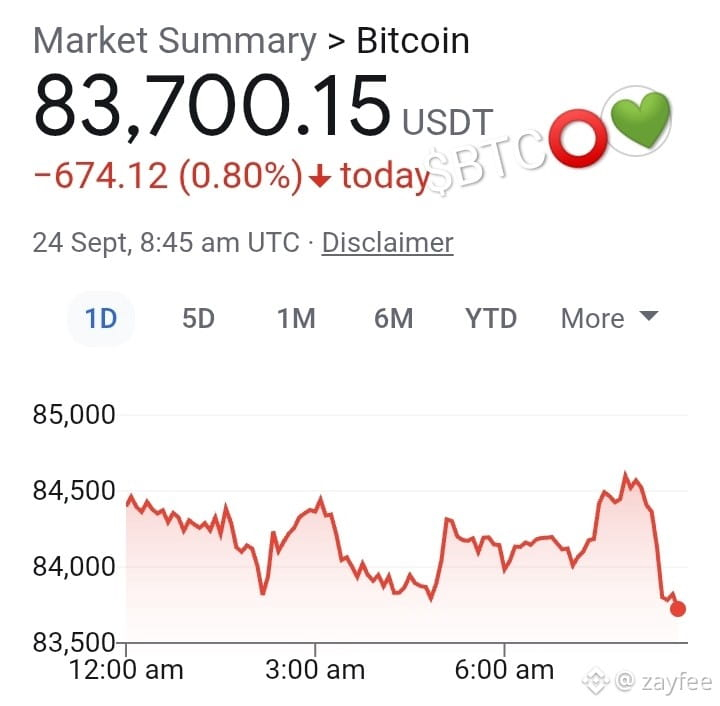
#Bitcoin is a decentralized cryptocurrency that uses peer-to-peer technology and a blockchain to record transactions. It was created by Satoshi Nakamoto and the first block was mined on January 3, 2009. Bitcoin transactions are recorded on a blockchain, which is a distributed ledger that can be accessed by anyone to verify transactions. Transactions are verified by miners, who are rewarded with a set amount of Bitcoin and transaction fees. The supply of Bitcoin is limited to 21 million coins and it is divisible to eight decimal places. A wallet is needed to use Bitcoin and it consists of a public key, which is used to send and receive payments, and a private key, which is used to control the wallet. Bitcoin can be used for a variety of purposes, including everyday transactions, as a store of value, or for investment.Bitcoin dropped under $84,000 as Treasury yields hit their highest level since 2007, putting pressure on digital assets and prompting a pullback across the crypto market[1].Market Context
Bitcoin fell 1.80% over the past 24 hours, moving mostly in line with the CoinDesk 20 Index, which declined 2.76%. The drop coincided with surging bond yields, as highlighted by multiple CoinDesk reports[1],[6]. Broader market sentiment remains cautious amid macroeconomic headwinds.What’s Next?
With whales increasing their positions and improvements in quantum security, Bitcoin's long-term outlook is being weighed against ongoing macro pressures. Will technical signals and institutional activity be enough to sustain a new bull run, or will macro factors continue to dominate the trend?
Bitcoin fell 1.80% over the past 24 hours, moving mostly in line with the CoinDesk 20 Index, which declined 2.76%. The drop coincided with surging bond yields, as highlighted by multiple CoinDesk reports[1],[6]. Broader market sentiment remains cautious amid macroeconomic headwinds.What’s Next?
With whales increasing their positions and improvements in quantum security, Bitcoin's long-term outlook is being weighed against ongoing macro pressures. Will technical signals and institutional activity be enough to sustain a new bull run, or will macro factors continue to dominate the trend?