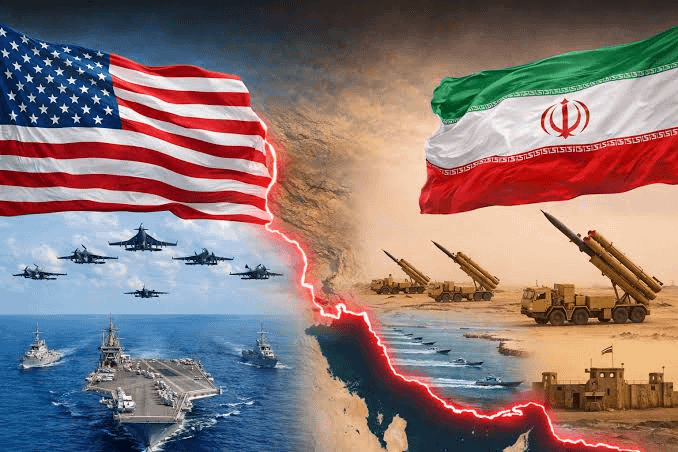
🚨 U.S.–Iran tensions are back in focus today as the conflict spills deeper into the Gulf.
The clearest fresh development on September 20 is that the wider U.S.–Iran confrontation is now feeding directly into regional security and energy markets. Reuters reports that the ongoing U.S.-Israeli war with Iran, together with instability around Yemen and the Bab el-Mandeb, remains a major concern as world leaders gather for the UN General Assembly.
The most immediate escalation today came from Iran-aligned Houthi forces, which claimed missile and drone attacks on strategic sites in Riyadh. Saudi and other Gulf stock markets fell after the strikes, showing how quickly the conflict is transmitting into regional risk assets. Reuters also noted that China has been urging Iran to help restrain the Houthis.
The U.S. side is simultaneously keeping a diplomatic channel open: American officials met Houthi representatives in Oman recently, according to Reuters, even as military and maritime tensions remain elevated.
For markets, the trigger is straightforward:
More Gulf escalation → oil risk premium rises → inflation fears return → $XAU and crude can catch safe-haven / supply-risk flows.
The key thing to watch tonight is whether the Riyadh attacks produce direct U.S. military retaliation or a new Iranian response. That would be the next real escalation signal.
$BZ $CL
#BOJRaisesRatesTo31YearHigh #BuffettStepsDownAsBerkshireChairman #BTCBreaks80K #BitcoinMarketCapTopsTesla
The clearest fresh development on September 20 is that the wider U.S.–Iran confrontation is now feeding directly into regional security and energy markets. Reuters reports that the ongoing U.S.-Israeli war with Iran, together with instability around Yemen and the Bab el-Mandeb, remains a major concern as world leaders gather for the UN General Assembly.
The most immediate escalation today came from Iran-aligned Houthi forces, which claimed missile and drone attacks on strategic sites in Riyadh. Saudi and other Gulf stock markets fell after the strikes, showing how quickly the conflict is transmitting into regional risk assets. Reuters also noted that China has been urging Iran to help restrain the Houthis.
The U.S. side is simultaneously keeping a diplomatic channel open: American officials met Houthi representatives in Oman recently, according to Reuters, even as military and maritime tensions remain elevated.
For markets, the trigger is straightforward:
More Gulf escalation → oil risk premium rises → inflation fears return → $XAU and crude can catch safe-haven / supply-risk flows.
The key thing to watch tonight is whether the Riyadh attacks produce direct U.S. military retaliation or a new Iranian response. That would be the next real escalation signal.
$BZ $CL
#BOJRaisesRatesTo31YearHigh #BuffettStepsDownAsBerkshireChairman #BTCBreaks80K #BitcoinMarketCapTopsTesla