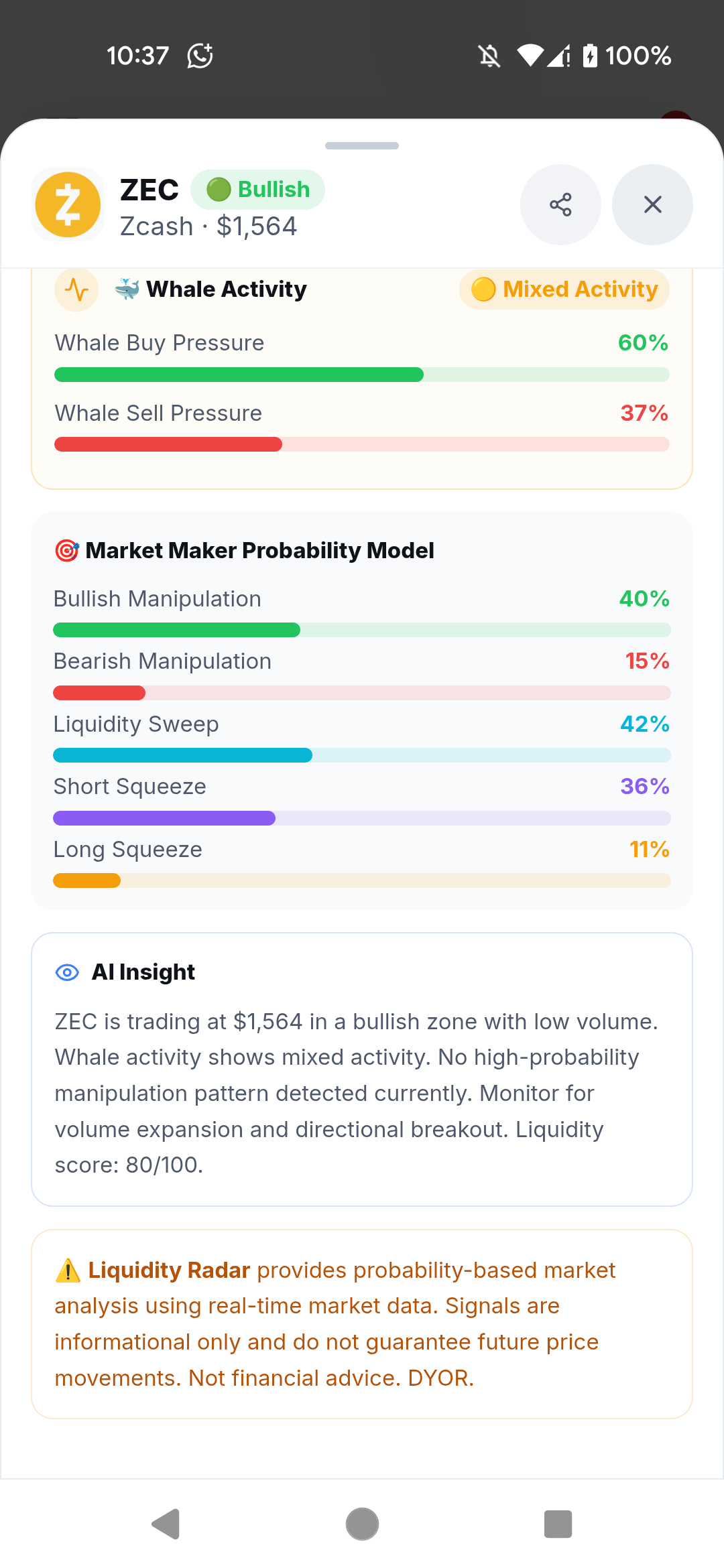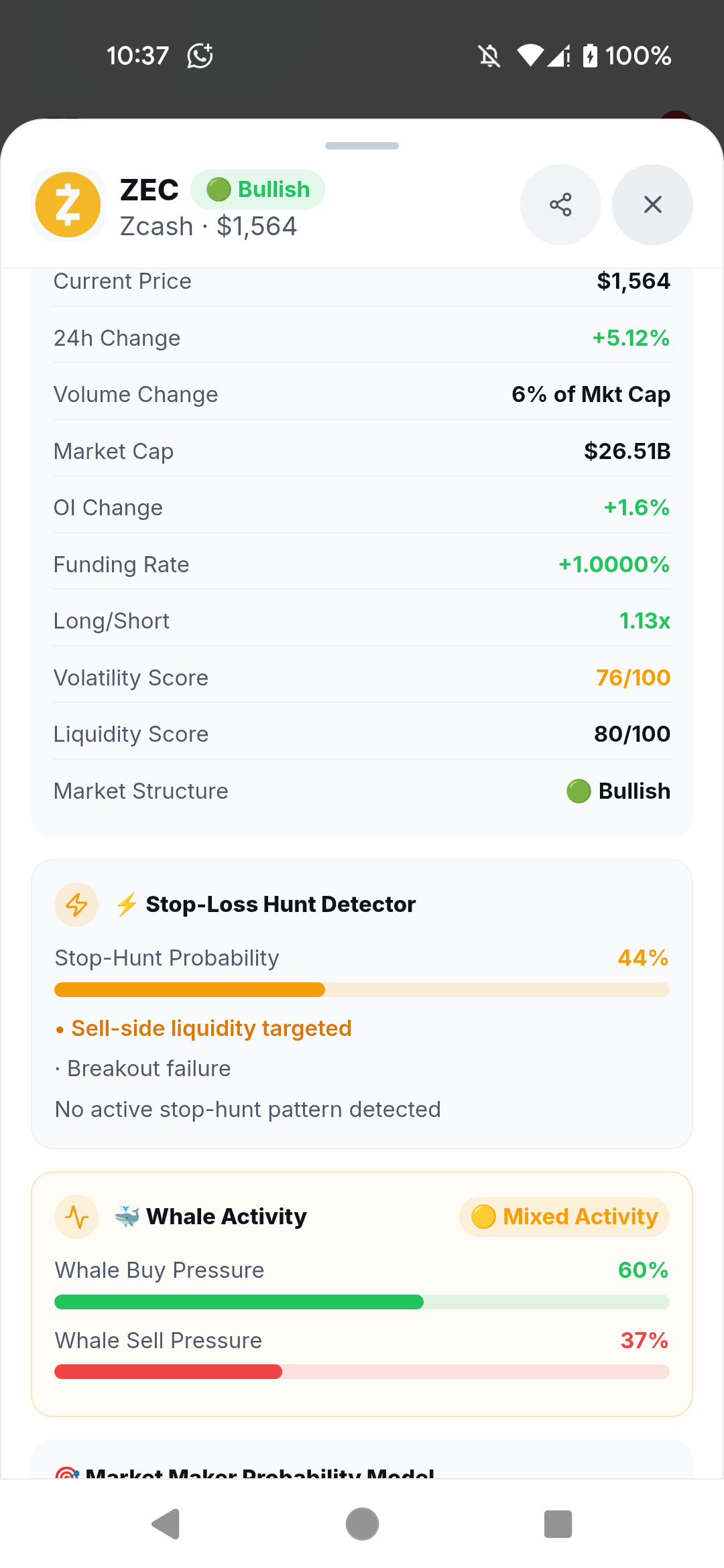

$ZEC is trading at $1,564, up 5.12% in 24 hours. Market cap sits at $26.51B. The structure is Bullish. But behind the price action lies a cryptographic wound that has never fully healed.
THE ORCHARD VULNERABILITY IS A NUCLEAR BOMB WITH NO OFF SWITCH
In May 2026, security researcher Taylor Hornby discovered a critical soundness flaw in Zcash's Orchard shielded pool circuit. The bug, CVE-2026-54496, allowed an attacker to forge valid zero-knowledge proofs and mint ZEC without detection, bypassing the cryptographic guarantees that make shielded transactions meaningful. The vulnerability existed from Orchard's launch in May 2022 until an emergency patch on June 1, 2026.
The Ironwood upgrade (NU6.3) on July 28 sealed the affected pool and migrated assets out of the vulnerable state. Developers say they found no evidence the bug was exploited. But they cannot produce a definitive cryptographic proof that no exploitation occurred. The privacy pool's entire purpose is to obscure transaction history. That same property makes it impossible to audit whether counterfeit ZEC was created.
THE GOVERNANCE VOTE WAS OVERWHELMING, BUT THE STRUCTURAL FLAWS REMAIN
On September 16, Zcash holders voted with 98.9% support to keep the Bitcoin-style halving mechanism and reduce block times from 75 seconds to 25 seconds. NU7 mainnet activation is targeted for November 5, with testnet activation on October 6. The vote was conducted through a privacy-preserving system counting only Ironwood shielded balances.
But here is what the governance vote does not fix. The Founder Rewards mechanism directed 20% of every block reward to founders, investors, and the Electric Coin Company for the network's first four years. That equated to roughly 2.1 million ZEC, about 10% of the total supply cap, flowing to insiders before the broader market saw a single new coin. The Electric Coin Company saw its team exit in January 2026 amid governance disputes. Those structural issues are baked into the chart, not the protocol.
THE SHORT SQUEEZE IS THE REAL PRICE DRIVER
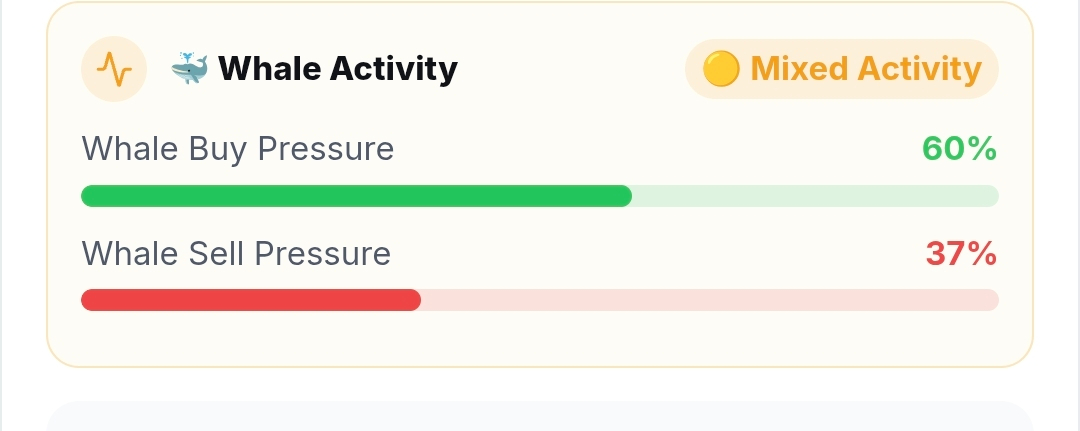
Zcash futures open interest hit an all-time high of $3.5 billion, up 70% from the previous week. Total liquidations exceeded $55 million in a single 24-hour window, with approximately $49 million coming from short positions being forcibly closed. Garrett Jin, identified as ZEC's largest on-chain short seller, holds a 37,760 ZEC short worth approximately $51.5 million with a liquidation price near $2,631. He sold 35,000 ETH worth $87.5 million to top up his margin, raising his liquidation price from $2,631 to $4,738. That is not conviction. That is desperation.
THE ETF IS THE INSTITUTIONAL DOOR
Grayscale's spot Zcash ETF (ZCSH) launched on August 25 and holds $729 million, approximately 3% of ZEC's market cap. Paradigm co-founder Matt Huang disclosed his firm holds ZEC. The ETF provides a regulated channel for institutional capital that would otherwise be barred from holding privacy coins directly. That bid is real. But it is also the same bid that drove the 2,300% annual gain that F2Pool co-founder Wang Chun called a "narrative short squeeze" rather than a fundamental shift.
THE TECHNICALS
ZEC is trading above its 50-day, 100-day, and 200-day exponential moving averages, positioned at $869, $710, and $571 respectively. The SuperTrend indicator shows support at $1,005. Futures open interest expanded to 2.3 million ZEC, signaling heightened retail engagement. The OI-weighted funding rate has shifted negative, meaning longs are no longer paying shorts to keep positions open.
Resistance sits at $1,552.42 (upper Bollinger Band) and $1,584 (all-time high). Support zones are $1,400 and $1,200.
THE VERDICT
Zcash has a real catalyst stack: NU7 on the horizon, Ledger integration funding confirmed, Grayscale ETF holding $729 million, and a short squeeze of historic proportions. But it also carries a cryptographic vulnerability that has never been proven unexploited, a founder rewards overhang that flowed 2.1 million ZEC to insiders, and a governance rupture that saw the core development team exit in January 2026.
The price is running on forced short covering and ETF flows, not organic adoption. Shielded transactions account for 52% of daily activity, but daily usage at 3,500 transactions is a fraction of Solana's millions.
This is not a sustainable valuation. This is a squeeze into a structural wall. The $1,584 all-time high is the line. Break it with volume and the short liquidation cascade continues. Lose $1,400 on a daily close and the narrative unwinds fast.