
206 Atlas
72k Beiträge

206 Atlas
Melden
Nutzer blockieren
Atlas | Cryptoholic | Trader King | Sharing Market insight and analysis | NFA | DYOR

BNB Halter
Hochfrequenz-Trader
5 Jahre
8.0K+ Following
14.5K+ Follower
25.5K+ Like gegeben
Beiträge
Alle
Videos
·
--

Artikel
Übersetzung ansehen
Genius Terminal: The Next-Gen On-Chain Trading Platform Shaping the Future of DeFiIn the rapidly evolving world of decentralized finance, traders often struggle with fragmented liquidity, slow execution, and frustrating user experiences across multiple blockchains. Genius Terminal emerges as a powerful solution — a professional-grade, non-custodial trading operating system designed to deliver centralized exchange (CEX) speed and simplicity while maintaining full on-chain transparency and user control.
What Exactly is Genius Terminal?
Genius Terminal is a unified multi-chain trading platform that aggregates liquidity from over 150 decentralized exchanges (DEXs) across more than 10 blockchains, including Ethereum, Solana, Base, Arbitrum, BNB Chain, and others.
Unlike traditional aggregators that only handle basic swaps, Genius functions as a complete trading “operating system.” It combines spot trading, perpetual futures, pre-launch token access, portfolio management, and yield opportunities — all within one sleek, intuitive interface.
The platform’s standout philosophy is “DeFi without the painful DeFi UX.” Users can execute complex cross-chain trades without manual bridging, multiple wallet approvals, or annoying pop-ups. Thanks to advanced atomic routing and signatureless execution technology, trades feel as smooth as on Binance or other top CEXs, yet users always retain full custody of their assets.
Key Features That Set Genius Apart
1. Ghost Orders – Superior Privacy & Anti-MEV Protection
One of the most impressive innovations is Ghost Orders. Large trades are intelligently split and routed through multiple paths (up to hundreds of wallets), minimizing slippage and protecting users from front-running bots. This privacy layer is particularly valuable for whales and professional traders operating in a transparent blockchain environment.
2. Seamless Multi-Chain Experience
Genius makes assets across different chains behave as if they’re in one unified balance. Traders can move between networks instantly without the usual hassle of bridges or wrapped tokens.
3. Advanced Trading Tools
Real-time token screener and market insights
Limit orders, Take-Profit/Stop-Loss
Copy trading functionality
Pre-launch token trading opportunities
Portfolio-native yield generation (including the native usdGG stablecoin system)
4. User-Centric Design
No more stuck transactions or RPC errors. The interface is clean, fast, and built specifically for serious traders who value both performance and simplicity.
The $GENIUS Token: Utility Beyond Hype
The native token $GENIUS powers the entire ecosystem. Launched in April 2026 with a total supply of 1 billion tokens, it offers genuine utility:
Tiered trading fee discounts
Enhanced governance rights
Access to premium platform features
Participation in liquidity incentives and reward programs
Referral benefits (up to 45% of invitees’ trading fees in some tiers)
A significant portion of tokens was distributed through Season 1 airdrop based on Genius Points earned via actual trading activity, rewarding real users rather than just speculators. The project has strong backing, including support from prominent industry figures and institutions.
Why Genius Terminal Matters for DeFi
Most DeFi platforms focus on either liquidity or basic swapping. Genius takes a different approach: it builds the professional infrastructure layer that sophisticated traders actually need. By solving real pain points — speed, privacy, and usability — the platform has the potential to become the default terminal for on-chain trading, much like how Bloomberg terminals dominate traditional finance.
As DeFi continues to mature and attract more institutional and professional capital, tools like Genius Terminal will play a crucial role in bridging the gap between centralized convenience and decentralized freedom.
Final Thoughts
Genius Terminal represents a meaningful step forward in DeFi infrastructure. For traders tired of juggling multiple wallets, slow bridges, and MEV attacks, this platform offers a refreshing, high-performance alternative.
If you’re an active on-chain trader, it’s definitely worth exploring at tradegenius.com.
Follow official account: @GeniusOfficial
Token: $GENIUS
Hashtag: #genius
Genius Terminal: The Next-Gen On-Chain Trading Platform Shaping the Future of DeFi
In the rapidly evolving world of decentralized finance, traders often struggle with fragmented liquidity, slow execution, and frustrating user experiences across multiple blockchains. Genius Terminal emerges as a powerful solution — a professional-grade, non-custodial trading operating system designed to deliver centralized exchange (CEX) speed and simplicity while maintaining full on-chain transparency and user control.
What Exactly is Genius Terminal?
Genius Terminal is a unified multi-chain trading platform that aggregates liquidity from over 150 decentralized exchanges (DEXs) across more than 10 blockchains, including Ethereum, Solana, Base, Arbitrum, BNB Chain, and others.
Unlike traditional aggregators that only handle basic swaps, Genius functions as a complete trading “operating system.” It combines spot trading, perpetual futures, pre-launch token access, portfolio management, and yield opportunities — all within one sleek, intuitive interface.
The platform’s standout philosophy is “DeFi without the painful DeFi UX.” Users can execute complex cross-chain trades without manual bridging, multiple wallet approvals, or annoying pop-ups. Thanks to advanced atomic routing and signatureless execution technology, trades feel as smooth as on Binance or other top CEXs, yet users always retain full custody of their assets.
Key Features That Set Genius Apart
1. Ghost Orders – Superior Privacy & Anti-MEV Protection
One of the most impressive innovations is Ghost Orders. Large trades are intelligently split and routed through multiple paths (up to hundreds of wallets), minimizing slippage and protecting users from front-running bots. This privacy layer is particularly valuable for whales and professional traders operating in a transparent blockchain environment.
2. Seamless Multi-Chain Experience
Genius makes assets across different chains behave as if they’re in one unified balance. Traders can move between networks instantly without the usual hassle of bridges or wrapped tokens.
3. Advanced Trading Tools
Real-time token screener and market insights
Limit orders, Take-Profit/Stop-Loss
Copy trading functionality
Pre-launch token trading opportunities
Portfolio-native yield generation (including the native usdGG stablecoin system)
4. User-Centric Design
No more stuck transactions or RPC errors. The interface is clean, fast, and built specifically for serious traders who value both performance and simplicity.
The $GENIUS Token: Utility Beyond Hype
The native token $GENIUS powers the entire ecosystem. Launched in April 2026 with a total supply of 1 billion tokens, it offers genuine utility:
Tiered trading fee discounts
Enhanced governance rights
Access to premium platform features
Participation in liquidity incentives and reward programs
Referral benefits (up to 45% of invitees’ trading fees in some tiers)
A significant portion of tokens was distributed through Season 1 airdrop based on Genius Points earned via actual trading activity, rewarding real users rather than just speculators. The project has strong backing, including support from prominent industry figures and institutions.
Why Genius Terminal Matters for DeFi
Most DeFi platforms focus on either liquidity or basic swapping. Genius takes a different approach: it builds the professional infrastructure layer that sophisticated traders actually need. By solving real pain points — speed, privacy, and usability — the platform has the potential to become the default terminal for on-chain trading, much like how Bloomberg terminals dominate traditional finance.
As DeFi continues to mature and attract more institutional and professional capital, tools like Genius Terminal will play a crucial role in bridging the gap between centralized convenience and decentralized freedom.
Final Thoughts
Genius Terminal represents a meaningful step forward in DeFi infrastructure. For traders tired of juggling multiple wallets, slow bridges, and MEV attacks, this platform offers a refreshing, high-performance alternative.
If you’re an active on-chain trader, it’s definitely worth exploring at tradegenius.com.
Follow official account: @GeniusOfficial
Token: $GENIUS
Hashtag: #genius
What Exactly is Genius Terminal?
Genius Terminal is a unified multi-chain trading platform that aggregates liquidity from over 150 decentralized exchanges (DEXs) across more than 10 blockchains, including Ethereum, Solana, Base, Arbitrum, BNB Chain, and others.
Unlike traditional aggregators that only handle basic swaps, Genius functions as a complete trading “operating system.” It combines spot trading, perpetual futures, pre-launch token access, portfolio management, and yield opportunities — all within one sleek, intuitive interface.
The platform’s standout philosophy is “DeFi without the painful DeFi UX.” Users can execute complex cross-chain trades without manual bridging, multiple wallet approvals, or annoying pop-ups. Thanks to advanced atomic routing and signatureless execution technology, trades feel as smooth as on Binance or other top CEXs, yet users always retain full custody of their assets.
Key Features That Set Genius Apart
1. Ghost Orders – Superior Privacy & Anti-MEV Protection
One of the most impressive innovations is Ghost Orders. Large trades are intelligently split and routed through multiple paths (up to hundreds of wallets), minimizing slippage and protecting users from front-running bots. This privacy layer is particularly valuable for whales and professional traders operating in a transparent blockchain environment.
2. Seamless Multi-Chain Experience
Genius makes assets across different chains behave as if they’re in one unified balance. Traders can move between networks instantly without the usual hassle of bridges or wrapped tokens.
3. Advanced Trading Tools
Real-time token screener and market insights
Limit orders, Take-Profit/Stop-Loss
Copy trading functionality
Pre-launch token trading opportunities
Portfolio-native yield generation (including the native usdGG stablecoin system)
4. User-Centric Design
No more stuck transactions or RPC errors. The interface is clean, fast, and built specifically for serious traders who value both performance and simplicity.
The $GENIUS Token: Utility Beyond Hype
The native token $GENIUS powers the entire ecosystem. Launched in April 2026 with a total supply of 1 billion tokens, it offers genuine utility:
Tiered trading fee discounts
Enhanced governance rights
Access to premium platform features
Participation in liquidity incentives and reward programs
Referral benefits (up to 45% of invitees’ trading fees in some tiers)
A significant portion of tokens was distributed through Season 1 airdrop based on Genius Points earned via actual trading activity, rewarding real users rather than just speculators. The project has strong backing, including support from prominent industry figures and institutions.
Why Genius Terminal Matters for DeFi
Most DeFi platforms focus on either liquidity or basic swapping. Genius takes a different approach: it builds the professional infrastructure layer that sophisticated traders actually need. By solving real pain points — speed, privacy, and usability — the platform has the potential to become the default terminal for on-chain trading, much like how Bloomberg terminals dominate traditional finance.
As DeFi continues to mature and attract more institutional and professional capital, tools like Genius Terminal will play a crucial role in bridging the gap between centralized convenience and decentralized freedom.
Final Thoughts
Genius Terminal represents a meaningful step forward in DeFi infrastructure. For traders tired of juggling multiple wallets, slow bridges, and MEV attacks, this platform offers a refreshing, high-performance alternative.
If you’re an active on-chain trader, it’s definitely worth exploring at tradegenius.com.
Follow official account: @GeniusOfficial
Token: $GENIUS
Hashtag: #genius
1
4
80
·
--

Artikel
Was du UNBEDINGT wissen musst, bevor du in diese Top-Coins investierstDie meisten Leute verlieren kein Geld, weil sie die falsche Coin wählen.
Sie verlieren, weil sie nicht verstehen, wie sich jede Coin tatsächlich verhält, bevor sie einsteigen.
So funktionieren diese Top-Coins wirklich – über den oberflächlichen Hype hinaus:
***
### 🟠 Bitcoin (BTC)
Bitcoin ist das Fundament von allem. Es bewegt sich nicht nur von selbst – es diktiert, wie der gesamte Markt fließt. Wenn BTC stark tendiert, bleibt das Kapital in Bitcoin, und Altcoins haben es schwer, besser abzuschneiden. Aber wenn BTC langsamer wird oder seitwärts läuft, beginnt die Liquidität nach außen zu rotieren – zuerst in Ethereum, dann in größere Altcoins und schließlich in kleinere Caps. Deshalb ist es eine der häufigsten Verluststrategien, Altcoins zu kaufen, während BTC gegen Widerstand drückt. Man wettet effektiv gegen den Kapitalfluss.
Was du UNBEDINGT wissen musst, bevor du in diese Top-Coins investierst
Die meisten Leute verlieren kein Geld, weil sie die falsche Coin wählen.
Sie verlieren, weil sie nicht verstehen, wie sich jede Coin tatsächlich verhält, bevor sie einsteigen.
So funktionieren diese Top-Coins wirklich – über den oberflächlichen Hype hinaus:
***
### 🟠 Bitcoin (BTC)
Bitcoin ist das Fundament von allem. Es bewegt sich nicht nur von selbst – es diktiert, wie der gesamte Markt fließt. Wenn BTC stark tendiert, bleibt das Kapital in Bitcoin, und Altcoins haben es schwer, besser abzuschneiden. Aber wenn BTC langsamer wird oder seitwärts läuft, beginnt die Liquidität nach außen zu rotieren – zuerst in Ethereum, dann in größere Altcoins und schließlich in kleinere Caps. Deshalb ist es eine der häufigsten Verluststrategien, Altcoins zu kaufen, während BTC gegen Widerstand drückt. Man wettet effektiv gegen den Kapitalfluss.
Sie verlieren, weil sie nicht verstehen, wie sich jede Coin tatsächlich verhält, bevor sie einsteigen.
So funktionieren diese Top-Coins wirklich – über den oberflächlichen Hype hinaus:
***
### 🟠 Bitcoin (BTC)
Bitcoin ist das Fundament von allem. Es bewegt sich nicht nur von selbst – es diktiert, wie der gesamte Markt fließt. Wenn BTC stark tendiert, bleibt das Kapital in Bitcoin, und Altcoins haben es schwer, besser abzuschneiden. Aber wenn BTC langsamer wird oder seitwärts läuft, beginnt die Liquidität nach außen zu rotieren – zuerst in Ethereum, dann in größere Altcoins und schließlich in kleinere Caps. Deshalb ist es eine der häufigsten Verluststrategien, Altcoins zu kaufen, während BTC gegen Widerstand drückt. Man wettet effektiv gegen den Kapitalfluss.
66
·
--
Artikel
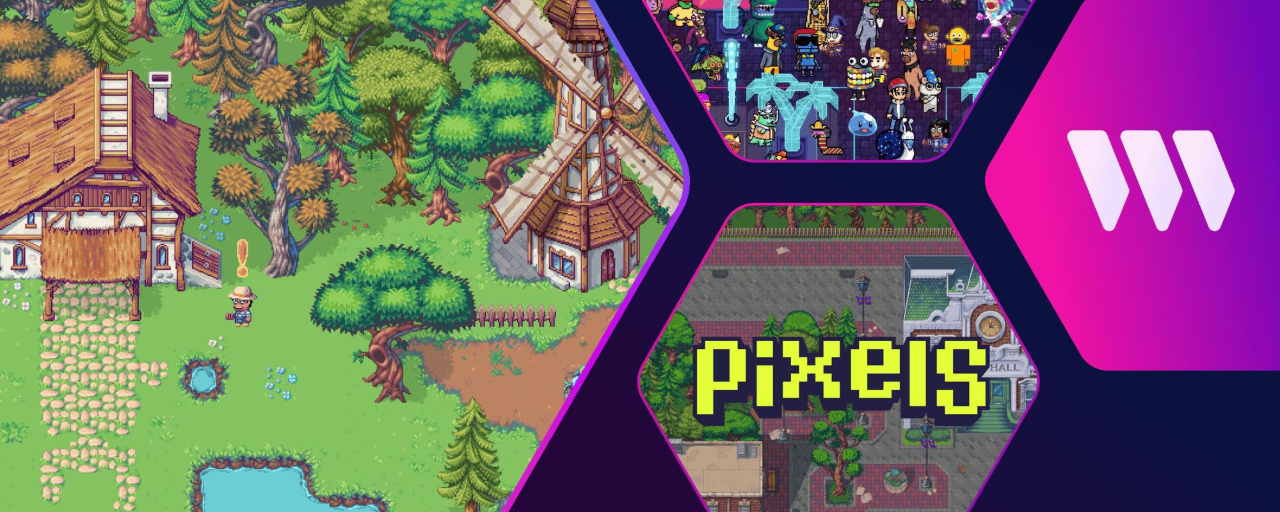
Der versteckte Vorteil in @Pixels: Warum Systemdesign Grinding schlägt ($PIXEL)In den meisten Web3-Spielen nehmen die Spieler oft an, dass mehr Zeit zu besseren Ergebnissen führt. Allerdings @pixels stellt diese Idee in Frage, indem es Struktur und Effizienz über reinen Aufwand belohnt. Der Unterschied zwischen durchschnittlichen Spielern und Hochperformern liegt nicht darin, wie viel sie spielen, sondern wie gut sie ihr System gestalten.
Im Kern ist Pixels ein systembasiertes Spiel. Jedes Element — Farming, Crafting, Trading — ist miteinander verbunden. Spieler, die diese Verbindungen verstehen, können Workflows erstellen, die konsistente Ergebnisse mit minimalem Aufwand erzeugen. Diejenigen, die das nicht tun, stecken oft in sich wiederholenden Schleifen mit begrenztem Fortschritt fest.
Der versteckte Vorteil in @Pixels: Warum Systemdesign Grinding schlägt ($PIXEL)
In den meisten Web3-Spielen nehmen die Spieler oft an, dass mehr Zeit zu besseren Ergebnissen führt. Allerdings @Pixels stellt diese Idee in Frage, indem es Struktur und Effizienz über reinen Aufwand belohnt. Der Unterschied zwischen durchschnittlichen Spielern und Hochperformern liegt nicht darin, wie viel sie spielen, sondern wie gut sie ihr System gestalten.
Im Kern ist Pixels ein systembasiertes Spiel. Jedes Element — Farming, Crafting, Trading — ist miteinander verbunden. Spieler, die diese Verbindungen verstehen, können Workflows erstellen, die konsistente Ergebnisse mit minimalem Aufwand erzeugen. Diejenigen, die das nicht tun, stecken oft in sich wiederholenden Schleifen mit begrenztem Fortschritt fest.
Im Kern ist Pixels ein systembasiertes Spiel. Jedes Element — Farming, Crafting, Trading — ist miteinander verbunden. Spieler, die diese Verbindungen verstehen, können Workflows erstellen, die konsistente Ergebnisse mit minimalem Aufwand erzeugen. Diejenigen, die das nicht tun, stecken oft in sich wiederholenden Schleifen mit begrenztem Fortschritt fest.
1
93
·
--

Artikel
Warum die meisten Spieler @Pixels ($PIXEL) niemals maximieren werden — und was Top-Spieler anders machenIn den meisten Web3-Spielen wird die Kluft zwischen durchschnittlichen Spielern und Top-Performern oft missverstanden. Viele nehmen an, dass Erfolg davon abhängt, mehr Zeit zu investieren oder früh einzusteigen. In @pixels , betrieben von $PIXEL , liegt der wahre Unterschied darin, wie die Spieler das System selbst angehen.
Die Mehrheit der Spieler betrachtet Pixels als ein lockeres Farming-Erlebnis. Sie loggen sich ein, erledigen grundlegende Aktionen und loggen sich ohne klaren Plan wieder aus. Während dieser Ansatz kurzfristig funktioniert, führt er oft zu langsamen Fortschritten und begrenzter Effizienz. Im Laufe der Zeit hinken diese Spieler hinterher, ohne genau zu verstehen, warum.
Warum die meisten Spieler @Pixels ($PIXEL) niemals maximieren werden — und was Top-Spieler anders machen
In den meisten Web3-Spielen wird die Kluft zwischen durchschnittlichen Spielern und Top-Performern oft missverstanden. Viele nehmen an, dass Erfolg davon abhängt, mehr Zeit zu investieren oder früh einzusteigen. In @Pixels , betrieben von $PIXEL , liegt der wahre Unterschied darin, wie die Spieler das System selbst angehen.
Die Mehrheit der Spieler betrachtet Pixels als ein lockeres Farming-Erlebnis. Sie loggen sich ein, erledigen grundlegende Aktionen und loggen sich ohne klaren Plan wieder aus. Während dieser Ansatz kurzfristig funktioniert, führt er oft zu langsamen Fortschritten und begrenzter Effizienz. Im Laufe der Zeit hinken diese Spieler hinterher, ohne genau zu verstehen, warum.
Die Mehrheit der Spieler betrachtet Pixels als ein lockeres Farming-Erlebnis. Sie loggen sich ein, erledigen grundlegende Aktionen und loggen sich ohne klaren Plan wieder aus. Während dieser Ansatz kurzfristig funktioniert, führt er oft zu langsamen Fortschritten und begrenzter Effizienz. Im Laufe der Zeit hinken diese Spieler hinterher, ohne genau zu verstehen, warum.
1
151
·
--
Artikel
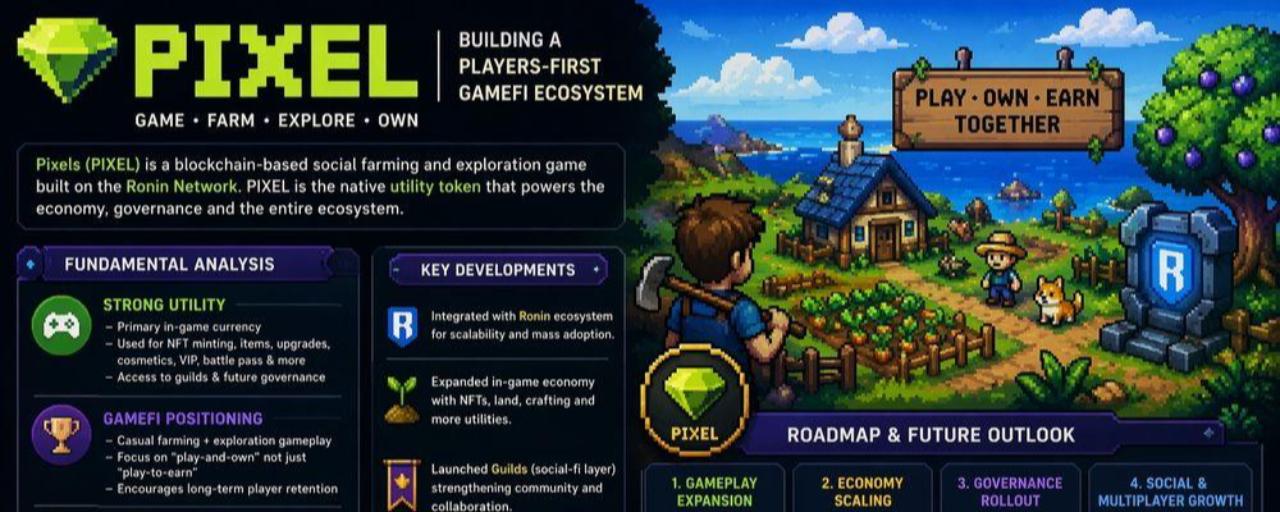
Was treibt tatsächlich die Nachfrage im @Pixels-Ökosystem an?In jedem Web3 Gaming-Projekt hängt die langfristige Nachhaltigkeit von einem entscheidenden Faktor ab: echter Nachfrage. Ohne diese kann selbst das beste System unter Verkaufsdruck zusammenbrechen. Im Fall von @pixels ist die Frage nicht nur, wie die Belohnungen verteilt werden, sondern was die Spieler wirklich motiviert, das System über einen längeren Zeitraum hinweg zu nutzen.
Einer der stärksten Treiber der Nachfrage kommt aus der Nutzung. Anstatt nur als Belohnung zu fungieren, ist $PIXEL direkt ins Gameplay integriert. Spieler verwenden es, um Funktionen freizuschalten, die Effizienz zu verbessern und tiefere Ebenen des Erlebnisses zu erreichen. Das schafft einen kontinuierlichen Bedarf statt einer einmaligen Interaktion.
Was treibt tatsächlich die Nachfrage im @Pixels-Ökosystem an?
In jedem Web3 Gaming-Projekt hängt die langfristige Nachhaltigkeit von einem entscheidenden Faktor ab: echter Nachfrage. Ohne diese kann selbst das beste System unter Verkaufsdruck zusammenbrechen. Im Fall von @Pixels ist die Frage nicht nur, wie die Belohnungen verteilt werden, sondern was die Spieler wirklich motiviert, das System über einen längeren Zeitraum hinweg zu nutzen.
Einer der stärksten Treiber der Nachfrage kommt aus der Nutzung. Anstatt nur als Belohnung zu fungieren, ist $PIXEL direkt ins Gameplay integriert. Spieler verwenden es, um Funktionen freizuschalten, die Effizienz zu verbessern und tiefere Ebenen des Erlebnisses zu erreichen. Das schafft einen kontinuierlichen Bedarf statt einer einmaligen Interaktion.
Einer der stärksten Treiber der Nachfrage kommt aus der Nutzung. Anstatt nur als Belohnung zu fungieren, ist $PIXEL direkt ins Gameplay integriert. Spieler verwenden es, um Funktionen freizuschalten, die Effizienz zu verbessern und tiefere Ebenen des Erlebnisses zu erreichen. Das schafft einen kontinuierlichen Bedarf statt einer einmaligen Interaktion.
59
·
--
Artikel
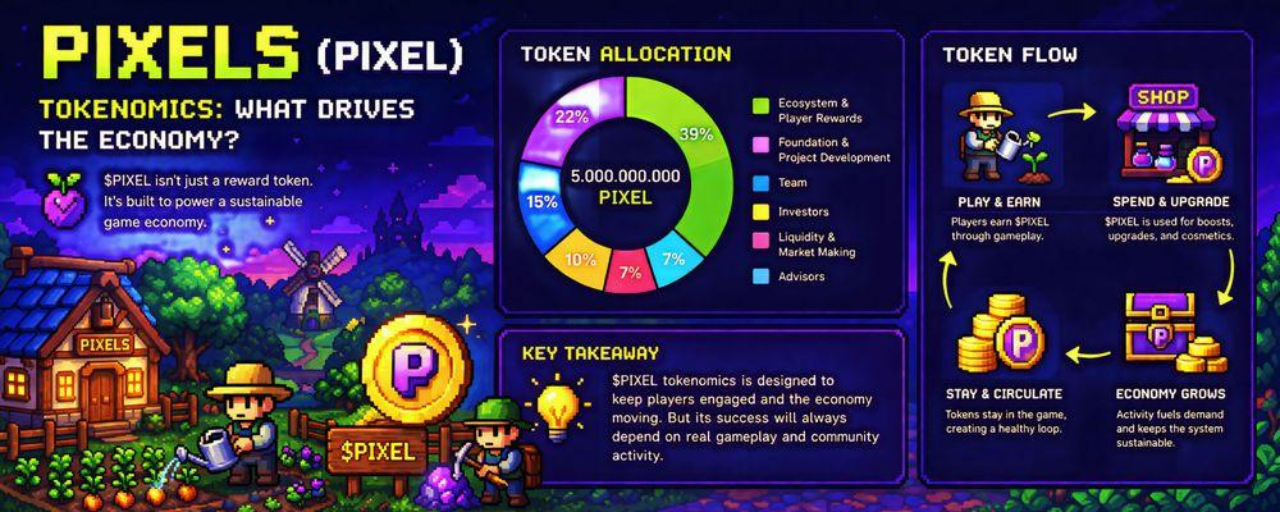
Baut @Pixels ($PIXEL) eine echte Wirtschaft oder nur einen weiteren GameFi-Zyklus?Eine der größten Fragen rund um das Web3-Gaming heute ist, ob Projekte echte, nachhaltige Ökonomien schaffen oder einfach die gleichen kurzfristigen Zyklen wiederholen, die in früheren GameFi-Trends zu sehen waren. @pixels , unterstützt durch $PIXEL, stellt einen interessanten Fall dar, der irgendwo zwischen diesen beiden Möglichkeiten liegt.
Auf den ersten Blick folgt Pixels vertrauten Mechaniken: Spieler farmen Ressourcen, craften Items und nehmen an einem von Spielern betriebenen Marktplatz teil. Doch die tiefere Struktur des Spiels deutet auf ein durchdachtes Design hin. Anstatt sich nur auf Belohnungen zu konzentrieren, legt Pixels Wert auf kontinuierliche Interaktion innerhalb seines Ökosystems. Jede produzierte Ressource soll genutzt, gehandelt oder reinvestiert werden, wodurch ein zirkulärer Fluss entsteht, anstatt einer einseitigen Extraktion.
Baut @Pixels ($PIXEL) eine echte Wirtschaft oder nur einen weiteren GameFi-Zyklus?
Eine der größten Fragen rund um das Web3-Gaming heute ist, ob Projekte echte, nachhaltige Ökonomien schaffen oder einfach die gleichen kurzfristigen Zyklen wiederholen, die in früheren GameFi-Trends zu sehen waren. @Pixels , unterstützt durch $PIXEL , stellt einen interessanten Fall dar, der irgendwo zwischen diesen beiden Möglichkeiten liegt.
Auf den ersten Blick folgt Pixels vertrauten Mechaniken: Spieler farmen Ressourcen, craften Items und nehmen an einem von Spielern betriebenen Marktplatz teil. Doch die tiefere Struktur des Spiels deutet auf ein durchdachtes Design hin. Anstatt sich nur auf Belohnungen zu konzentrieren, legt Pixels Wert auf kontinuierliche Interaktion innerhalb seines Ökosystems. Jede produzierte Ressource soll genutzt, gehandelt oder reinvestiert werden, wodurch ein zirkulärer Fluss entsteht, anstatt einer einseitigen Extraktion.
Auf den ersten Blick folgt Pixels vertrauten Mechaniken: Spieler farmen Ressourcen, craften Items und nehmen an einem von Spielern betriebenen Marktplatz teil. Doch die tiefere Struktur des Spiels deutet auf ein durchdachtes Design hin. Anstatt sich nur auf Belohnungen zu konzentrieren, legt Pixels Wert auf kontinuierliche Interaktion innerhalb seines Ökosystems. Jede produzierte Ressource soll genutzt, gehandelt oder reinvestiert werden, wodurch ein zirkulärer Fluss entsteht, anstatt einer einseitigen Extraktion.
1
39
·
--

Artikel
Warum das Verhalten der Spieler wichtiger ist als Belohnungen in @PixelsIm sich entwickelnden Bereich des Web3-Gamings ist eines der am meisten übersehenen Faktoren das Verhalten der Spieler. Während viele Projekte stark auf Token-Belohnungen und kurzfristige Anreize setzen, hängt der langfristige Erfolg oft davon ab, wie Spieler über die Zeit mit dem System interagieren. @pixels , unterstützt von PIXEL, bietet in dieser Hinsicht eine interessante Fallstudie.
Im Gegensatz zu traditionellen Play-to-Earn-Modellen, die stark auf finanzielle Belohnungen angewiesen sind, legt Pixels einen größeren Fokus auf Engagement und Routine. Die Spieler werden ermutigt, täglich zurückzukehren, nicht weil sie sofortige Gewinne jagen, sondern weil das Spiel ein Gefühl von Fortschritt vermittelt. Diese subtile Designänderung hat erhebliche Auswirkungen auf die Nachhaltigkeit.
Warum das Verhalten der Spieler wichtiger ist als Belohnungen in @Pixels
Im sich entwickelnden Bereich des Web3-Gamings ist eines der am meisten übersehenen Faktoren das Verhalten der Spieler. Während viele Projekte stark auf Token-Belohnungen und kurzfristige Anreize setzen, hängt der langfristige Erfolg oft davon ab, wie Spieler über die Zeit mit dem System interagieren. @Pixels , unterstützt von PIXEL, bietet in dieser Hinsicht eine interessante Fallstudie.
Im Gegensatz zu traditionellen Play-to-Earn-Modellen, die stark auf finanzielle Belohnungen angewiesen sind, legt Pixels einen größeren Fokus auf Engagement und Routine. Die Spieler werden ermutigt, täglich zurückzukehren, nicht weil sie sofortige Gewinne jagen, sondern weil das Spiel ein Gefühl von Fortschritt vermittelt. Diese subtile Designänderung hat erhebliche Auswirkungen auf die Nachhaltigkeit.
Im Gegensatz zu traditionellen Play-to-Earn-Modellen, die stark auf finanzielle Belohnungen angewiesen sind, legt Pixels einen größeren Fokus auf Engagement und Routine. Die Spieler werden ermutigt, täglich zurückzukehren, nicht weil sie sofortige Gewinne jagen, sondern weil das Spiel ein Gefühl von Fortschritt vermittelt. Diese subtile Designänderung hat erhebliche Auswirkungen auf die Nachhaltigkeit.
15
·
--
Artikel
Verständnis der langfristigen Ökonomie von @Pixels und der Rolle von $PIXELEine der wichtigsten Fragen im Web3-Gaming heute ist, ob ein Projekt sich wirklich über die Zeit selbst tragen kann. Viele GameFi-Projekte in der Vergangenheit erlebten schnelles Wachstum, gefolgt von ebenso schnellem Rückgang, hauptsächlich weil ihre Ökonomien auf kurzfristigen Anreizen statt auf langfristigem Engagement basierten. Das @pixels Ökosystem, angetrieben durch $PIXEL, versucht einen anderen Weg zu gehen.
Im Zentrum von Pixels steht eine spielergetriebene Wirtschaft. Im Gegensatz zu traditionellen Systemen, bei denen der Wert schnell abgeschöpft wird, konzentriert sich Pixels darauf, kontinuierliche Interaktionen zwischen Spielern und der Spielumgebung zu schaffen. Jede Aktion — Farmen, Craften, Traden — trägt zu einem Zyklus bei, in dem Ressourcen ständig produziert und konsumiert werden. Dies hilft, das Gleichgewicht zu halten und das Risiko einer Überproduktion zu reduzieren.
Verständnis der langfristigen Ökonomie von @Pixels und der Rolle von $PIXEL
Eine der wichtigsten Fragen im Web3-Gaming heute ist, ob ein Projekt sich wirklich über die Zeit selbst tragen kann. Viele GameFi-Projekte in der Vergangenheit erlebten schnelles Wachstum, gefolgt von ebenso schnellem Rückgang, hauptsächlich weil ihre Ökonomien auf kurzfristigen Anreizen statt auf langfristigem Engagement basierten. Das @Pixels Ökosystem, angetrieben durch $PIXEL , versucht einen anderen Weg zu gehen.
Im Zentrum von Pixels steht eine spielergetriebene Wirtschaft. Im Gegensatz zu traditionellen Systemen, bei denen der Wert schnell abgeschöpft wird, konzentriert sich Pixels darauf, kontinuierliche Interaktionen zwischen Spielern und der Spielumgebung zu schaffen. Jede Aktion — Farmen, Craften, Traden — trägt zu einem Zyklus bei, in dem Ressourcen ständig produziert und konsumiert werden. Dies hilft, das Gleichgewicht zu halten und das Risiko einer Überproduktion zu reduzieren.
Im Zentrum von Pixels steht eine spielergetriebene Wirtschaft. Im Gegensatz zu traditionellen Systemen, bei denen der Wert schnell abgeschöpft wird, konzentriert sich Pixels darauf, kontinuierliche Interaktionen zwischen Spielern und der Spielumgebung zu schaffen. Jede Aktion — Farmen, Craften, Traden — trägt zu einem Zyklus bei, in dem Ressourcen ständig produziert und konsumiert werden. Dies hilft, das Gleichgewicht zu halten und das Risiko einer Überproduktion zu reduzieren.
2
47
·
--
Artikel
Übersetzung ansehen
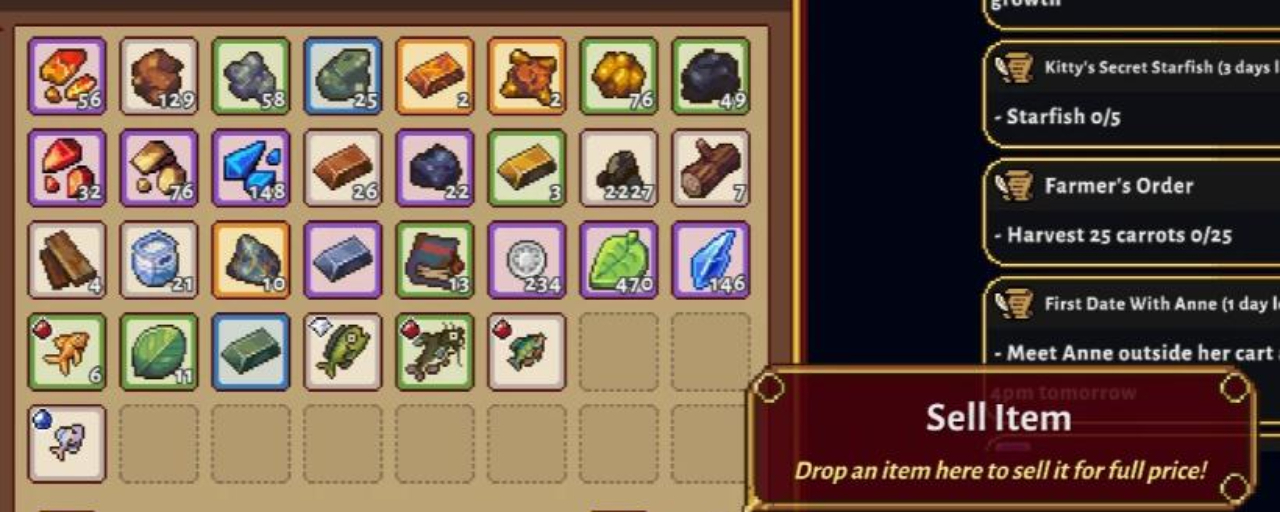
How to Play Pixels Efficiently: A Beginner’s Guide to Earning and Growing with $PIXELIf you want to improve your performance in @pixels , understanding strategy is far more important than simply spending more time in the game. Many players make the mistake of focusing only on grinding, while more experienced players focus on optimizing their actions within the ecosystem powered by $PIXEL .
The first key strategy is crop planning. Not all crops are equal — some grow faster, while others may provide better long-term value depending on how they are used. Instead of planting randomly, try to create a rotation system where your farm is always active. This minimizes downtime and ensures a steady flow of resources.
Next, focus on resource allocation. Early in the game, it might be tempting to sell everything you produce. However, a more effective approach is to reinvest your resources into crafting. Crafted items often unlock new opportunities and can significantly improve your efficiency. Over time, this creates a compounding effect where your productivity increases without requiring additional effort.
Time management is another crucial factor. @pixels rewards consistency, but not all actions are equally valuable. Efficient players prioritize tasks that generate the most impact. For example, completing quests or crafting key items may provide more long-term benefits than simply harvesting basic crops repeatedly.
Inventory management is also often overlooked. Keeping your inventory organized allows you to react quickly to new opportunities, whether it’s crafting, trading, or completing quests. Wasting time searching for resources or running out of space can slow down your progress significantly.
Another important aspect is understanding when to use $PIXEL. Instead of treating it as something to immediately sell, consider how it can enhance your gameplay. Using $PIXEL for upgrades or unlocking features can increase your efficiency and lead to better returns in the future. This is especially important for players aiming to stay competitive as the ecosystem grows.
Community interaction can also provide an edge. Observing how other players approach the game, sharing strategies, and learning from experienced users can accelerate your progress. @pixels is not just about individual play — it’s a shared environment where knowledge can be just as valuable as resources.
Finally, think long-term. Pixels is designed as a sustainable ecosystem, not a quick-profit system. Players who approach it with patience and a strategic mindset tend to benefit the most. Short-term decisions may feel rewarding, but long-term planning is what truly separates successful players from the rest.
If you combine these strategies — planning, efficiency, and smart use of $P$PIXEL you can significantly improve your experience and performance within @Pixels.
#pixel #BinanceSquare
How to Play Pixels Efficiently: A Beginner’s Guide to Earning and Growing with $PIXEL
If you want to improve your performance in @Pixels , understanding strategy is far more important than simply spending more time in the game. Many players make the mistake of focusing only on grinding, while more experienced players focus on optimizing their actions within the ecosystem powered by $PIXEL .
The first key strategy is crop planning. Not all crops are equal — some grow faster, while others may provide better long-term value depending on how they are used. Instead of planting randomly, try to create a rotation system where your farm is always active. This minimizes downtime and ensures a steady flow of resources.
Next, focus on resource allocation. Early in the game, it might be tempting to sell everything you produce. However, a more effective approach is to reinvest your resources into crafting. Crafted items often unlock new opportunities and can significantly improve your efficiency. Over time, this creates a compounding effect where your productivity increases without requiring additional effort.
Time management is another crucial factor. @Pixels rewards consistency, but not all actions are equally valuable. Efficient players prioritize tasks that generate the most impact. For example, completing quests or crafting key items may provide more long-term benefits than simply harvesting basic crops repeatedly.
Inventory management is also often overlooked. Keeping your inventory organized allows you to react quickly to new opportunities, whether it’s crafting, trading, or completing quests. Wasting time searching for resources or running out of space can slow down your progress significantly.
Another important aspect is understanding when to use $PIXEL . Instead of treating it as something to immediately sell, consider how it can enhance your gameplay. Using $PIXEL for upgrades or unlocking features can increase your efficiency and lead to better returns in the future. This is especially important for players aiming to stay competitive as the ecosystem grows.
Community interaction can also provide an edge. Observing how other players approach the game, sharing strategies, and learning from experienced users can accelerate your progress. @Pixels is not just about individual play — it’s a shared environment where knowledge can be just as valuable as resources.
Finally, think long-term. Pixels is designed as a sustainable ecosystem, not a quick-profit system. Players who approach it with patience and a strategic mindset tend to benefit the most. Short-term decisions may feel rewarding, but long-term planning is what truly separates successful players from the rest.
If you combine these strategies — planning, efficiency, and smart use of $P$PIXEL you can significantly improve your experience and performance within @Pixels.
#pixel #BinanceSquare
The first key strategy is crop planning. Not all crops are equal — some grow faster, while others may provide better long-term value depending on how they are used. Instead of planting randomly, try to create a rotation system where your farm is always active. This minimizes downtime and ensures a steady flow of resources.
Next, focus on resource allocation. Early in the game, it might be tempting to sell everything you produce. However, a more effective approach is to reinvest your resources into crafting. Crafted items often unlock new opportunities and can significantly improve your efficiency. Over time, this creates a compounding effect where your productivity increases without requiring additional effort.
Time management is another crucial factor. @Pixels rewards consistency, but not all actions are equally valuable. Efficient players prioritize tasks that generate the most impact. For example, completing quests or crafting key items may provide more long-term benefits than simply harvesting basic crops repeatedly.
Inventory management is also often overlooked. Keeping your inventory organized allows you to react quickly to new opportunities, whether it’s crafting, trading, or completing quests. Wasting time searching for resources or running out of space can slow down your progress significantly.
Another important aspect is understanding when to use $PIXEL . Instead of treating it as something to immediately sell, consider how it can enhance your gameplay. Using $PIXEL for upgrades or unlocking features can increase your efficiency and lead to better returns in the future. This is especially important for players aiming to stay competitive as the ecosystem grows.
Community interaction can also provide an edge. Observing how other players approach the game, sharing strategies, and learning from experienced users can accelerate your progress. @Pixels is not just about individual play — it’s a shared environment where knowledge can be just as valuable as resources.
Finally, think long-term. Pixels is designed as a sustainable ecosystem, not a quick-profit system. Players who approach it with patience and a strategic mindset tend to benefit the most. Short-term decisions may feel rewarding, but long-term planning is what truly separates successful players from the rest.
If you combine these strategies — planning, efficiency, and smart use of $P$PIXEL you can significantly improve your experience and performance within @Pixels.
#pixel #BinanceSquare
5
·
--
Artikel
Übersetzung ansehen
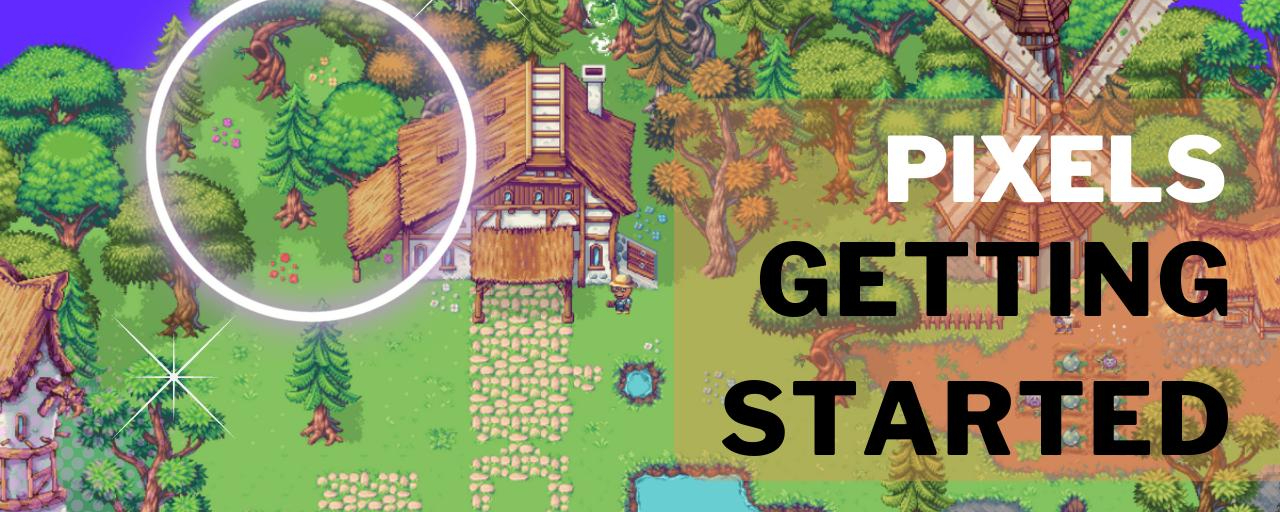
HOW TO STARTED INIf you’re new to @pixels and wondering how to get started effectively, here’s a simple beginner-friendly guide to help you understand the core gameplay and how to progress efficiently within the ecosystem powered by $PIXEL.
First, when you enter the game, your main focus should be on learning the basic mechanics. Start with farming — planting and harvesting crops is one of the easiest ways to generate early resources. These resources are essential because they form the foundation of your in-game progression.
Next, pay attention to quests. Pixels provides a variety of tasks that guide you through the gameplay. Completing quests not only helps you understand different features of the game, but also rewards you with valuable items and sometimes exposure to $PIXEL-related activities. Many new players skip this step, but it is actually one of the fastest ways to level up early on.
Crafting is another key element you should not ignore. Instead of selling all your resources immediately, consider using them to craft items. Crafted items often have higher utility and can help you unlock more advanced gameplay features. Over time, this will allow you to optimize your resource usage rather than just focusing on short-term gains.
As you progress further, you’ll notice that managing your time and resources becomes increasingly important. Efficient players tend to plan their actions — deciding when to plant, when to harvest, and when to craft. This creates a rhythm that maximizes productivity within the game.
Another important tip is to stay active in the community. @pixels has a strong social aspect, and interacting with other players can provide valuable insights. Whether it’s learning new strategies or understanding market trends, community engagement can significantly improve your gameplay.
When it comes to $PIXEL , don’t treat it as just a reward to sell immediately. Instead, think of it as a tool. Using $PIXEL within the ecosystem — whether for upgrades, access, or participation in advanced features — can provide more long-term value than simply cashing out early.
Finally, be patient. Pixels is designed as a long-term experience, not a quick-profit game. Players who consistently engage, learn, and adapt their strategies tend to perform much better over time.
If you approach @pixels with the right mindset — focusing on learning and gradual progress — you’ll likely find the experience both rewarding and sustainable.
#pixel #GameFi #BinanceSquare #PIXEL
HOW TO STARTED IN
If you’re new to @Pixels and wondering how to get started effectively, here’s a simple beginner-friendly guide to help you understand the core gameplay and how to progress efficiently within the ecosystem powered by $PIXEL .
First, when you enter the game, your main focus should be on learning the basic mechanics. Start with farming — planting and harvesting crops is one of the easiest ways to generate early resources. These resources are essential because they form the foundation of your in-game progression.
Next, pay attention to quests. Pixels provides a variety of tasks that guide you through the gameplay. Completing quests not only helps you understand different features of the game, but also rewards you with valuable items and sometimes exposure to $PIXEL -related activities. Many new players skip this step, but it is actually one of the fastest ways to level up early on.
Crafting is another key element you should not ignore. Instead of selling all your resources immediately, consider using them to craft items. Crafted items often have higher utility and can help you unlock more advanced gameplay features. Over time, this will allow you to optimize your resource usage rather than just focusing on short-term gains.
As you progress further, you’ll notice that managing your time and resources becomes increasingly important. Efficient players tend to plan their actions — deciding when to plant, when to harvest, and when to craft. This creates a rhythm that maximizes productivity within the game.
Another important tip is to stay active in the community. @Pixels has a strong social aspect, and interacting with other players can provide valuable insights. Whether it’s learning new strategies or understanding market trends, community engagement can significantly improve your gameplay.
When it comes to $PIXEL , don’t treat it as just a reward to sell immediately. Instead, think of it as a tool. Using $PIXEL within the ecosystem — whether for upgrades, access, or participation in advanced features — can provide more long-term value than simply cashing out early.
Finally, be patient. Pixels is designed as a long-term experience, not a quick-profit game. Players who consistently engage, learn, and adapt their strategies tend to perform much better over time.
If you approach @Pixels with the right mindset — focusing on learning and gradual progress — you’ll likely find the experience both rewarding and sustainable.
#pixel #GameFi #BinanceSquare #PIXEL
First, when you enter the game, your main focus should be on learning the basic mechanics. Start with farming — planting and harvesting crops is one of the easiest ways to generate early resources. These resources are essential because they form the foundation of your in-game progression.
Next, pay attention to quests. Pixels provides a variety of tasks that guide you through the gameplay. Completing quests not only helps you understand different features of the game, but also rewards you with valuable items and sometimes exposure to $PIXEL -related activities. Many new players skip this step, but it is actually one of the fastest ways to level up early on.
Crafting is another key element you should not ignore. Instead of selling all your resources immediately, consider using them to craft items. Crafted items often have higher utility and can help you unlock more advanced gameplay features. Over time, this will allow you to optimize your resource usage rather than just focusing on short-term gains.
As you progress further, you’ll notice that managing your time and resources becomes increasingly important. Efficient players tend to plan their actions — deciding when to plant, when to harvest, and when to craft. This creates a rhythm that maximizes productivity within the game.
Another important tip is to stay active in the community. @Pixels has a strong social aspect, and interacting with other players can provide valuable insights. Whether it’s learning new strategies or understanding market trends, community engagement can significantly improve your gameplay.
When it comes to $PIXEL , don’t treat it as just a reward to sell immediately. Instead, think of it as a tool. Using $PIXEL within the ecosystem — whether for upgrades, access, or participation in advanced features — can provide more long-term value than simply cashing out early.
Finally, be patient. Pixels is designed as a long-term experience, not a quick-profit game. Players who consistently engage, learn, and adapt their strategies tend to perform much better over time.
If you approach @Pixels with the right mindset — focusing on learning and gradual progress — you’ll likely find the experience both rewarding and sustainable.
#pixel #GameFi #BinanceSquare #PIXEL
1
18
·
--
Artikel
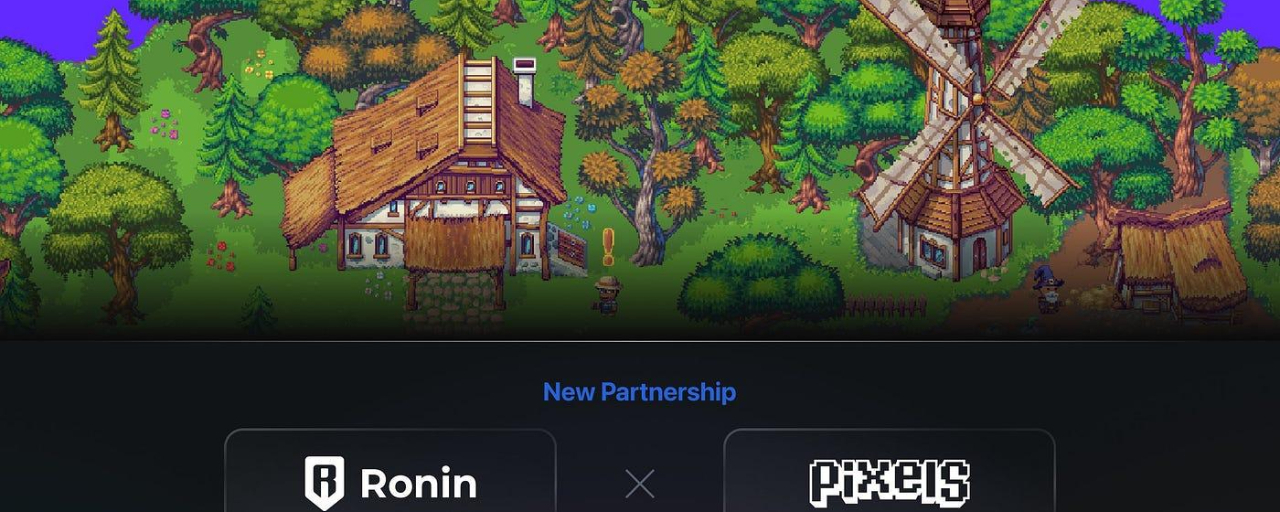
INNENANSICHT VON PIXELEine der größten Herausforderungen im Web3-Gaming war immer die Nachhaltigkeit. Viele GameFi-Projekte haben in der Vergangenheit schnell Nutzer angezogen, aber konnten sie nicht halten, weil ihre Ökonomien auf Extraktion statt auf Teilnahme aufgebaut waren. Das @Pixels-Ökosystem versucht, dieses Problem zu lösen, indem es einen ausgewogeneren und interaktiveren wirtschaftlichen Zyklus entwirft, der von $PIXEL angetrieben wird.
Im Kern von Pixels liegt eine einfache, aber effektive Idee: Spieler sollten nicht nur Tokens verdienen, sondern sie auch auf sinnvolle Weise ausgeben. Hier wird das Konzept der "Token-Senken" extrem wichtig. In Pixels wird $PIXEL über mehrere Ebenen des Spiels hinweg genutzt — vom Crafting fortschrittlicher Gegenstände über das Upgrade von Land, das Minten von NFTs bis hin zum Zugang zu Premium-Gameplay-Funktionen. Diese Senken helfen, den ständigen Verkaufsdruck zu reduzieren und ermutigen zur Reinvestition in das Ökosystem.
INNENANSICHT VON PIXEL
Eine der größten Herausforderungen im Web3-Gaming war immer die Nachhaltigkeit. Viele GameFi-Projekte haben in der Vergangenheit schnell Nutzer angezogen, aber konnten sie nicht halten, weil ihre Ökonomien auf Extraktion statt auf Teilnahme aufgebaut waren. Das @Pixels-Ökosystem versucht, dieses Problem zu lösen, indem es einen ausgewogeneren und interaktiveren wirtschaftlichen Zyklus entwirft, der von $PIXEL angetrieben wird.
Im Kern von Pixels liegt eine einfache, aber effektive Idee: Spieler sollten nicht nur Tokens verdienen, sondern sie auch auf sinnvolle Weise ausgeben. Hier wird das Konzept der "Token-Senken" extrem wichtig. In Pixels wird $PIXEL über mehrere Ebenen des Spiels hinweg genutzt — vom Crafting fortschrittlicher Gegenstände über das Upgrade von Land, das Minten von NFTs bis hin zum Zugang zu Premium-Gameplay-Funktionen. Diese Senken helfen, den ständigen Verkaufsdruck zu reduzieren und ermutigen zur Reinvestition in das Ökosystem.
Im Kern von Pixels liegt eine einfache, aber effektive Idee: Spieler sollten nicht nur Tokens verdienen, sondern sie auch auf sinnvolle Weise ausgeben. Hier wird das Konzept der "Token-Senken" extrem wichtig. In Pixels wird $PIXEL über mehrere Ebenen des Spiels hinweg genutzt — vom Crafting fortschrittlicher Gegenstände über das Upgrade von Land, das Minten von NFTs bis hin zum Zugang zu Premium-Gameplay-Funktionen. Diese Senken helfen, den ständigen Verkaufsdruck zu reduzieren und ermutigen zur Reinvestition in das Ökosystem.
1
39
·
--

Artikel
WAS IST PIXELS?Das @pixels Ökosystem entwickelt sich allmählich zu einem der interessantesten Experimente im Web3-Gaming heute. Während viele Projekte im GameFi-Sektor Schwierigkeiten hatten, langfristiges Benutzerengagement aufrechtzuerhalten, verfolgt Pixels einen anderen Ansatz – mit Fokus auf nachhaltiges Gameplay und einer funktionierenden In-Game-Wirtschaft, die von $PIXEL unterstützt wird.
Im Kern ist Pixels ein soziales Farming-RPG, das auf dem Ronin-Netzwerk basiert. Spieler können Pflanzen anbauen, Ressourcen sammeln, Gegenstände herstellen und in einem von Spielern betriebenen Marktplatz handeln. Was dieses Ökosystem jedoch einzigartig macht, ist nicht nur das Gameplay, sondern auch die Struktur der Wirtschaft.
WAS IST PIXELS?
Das @Pixels Ökosystem entwickelt sich allmählich zu einem der interessantesten Experimente im Web3-Gaming heute. Während viele Projekte im GameFi-Sektor Schwierigkeiten hatten, langfristiges Benutzerengagement aufrechtzuerhalten, verfolgt Pixels einen anderen Ansatz – mit Fokus auf nachhaltiges Gameplay und einer funktionierenden In-Game-Wirtschaft, die von $PIXEL unterstützt wird.
Im Kern ist Pixels ein soziales Farming-RPG, das auf dem Ronin-Netzwerk basiert. Spieler können Pflanzen anbauen, Ressourcen sammeln, Gegenstände herstellen und in einem von Spielern betriebenen Marktplatz handeln. Was dieses Ökosystem jedoch einzigartig macht, ist nicht nur das Gameplay, sondern auch die Struktur der Wirtschaft.
Im Kern ist Pixels ein soziales Farming-RPG, das auf dem Ronin-Netzwerk basiert. Spieler können Pflanzen anbauen, Ressourcen sammeln, Gegenstände herstellen und in einem von Spielern betriebenen Marktplatz handeln. Was dieses Ökosystem jedoch einzigartig macht, ist nicht nur das Gameplay, sondern auch die Struktur der Wirtschaft.
1
8
·
--
BTC.D sieht bereit aus, um zu crashen.
Das ist bullish für Alts.
Quelle: Gordon
Was denkst du? 👇$BTC $ETH $BNB
BTC.D sieht bereit aus, um zu crashen.
Das ist bullish für Alts.
Quelle: Gordon
Was denkst du? 👇$BTC $ETH $BNB
Das ist bullish für Alts.
Quelle: Gordon
Was denkst du? 👇$BTC $ETH $BNB
3
5
35
·
--
💥BREAKING💥
DIE USA KÖNNTEN DARAUF HINAUSLAUFEN, DIE EINKOMMENSTEUER ZU BEENDEN! 🤑
SCHATZMEISTER SCOTT BESSENT HAT GERADEN GESAGT
“ DU WIRST EINEN SOFORTIGEN ANSTIEG DEINER REALEN EINNAHMEN SEHEN, OB WÖCHENTLICH ODER MONATLICH ”
DAS IST GIGA BULLISH FÜR KRYPTOWÄHRUNGEN 😇$BTC $ETH
💥BREAKING💥
DIE USA KÖNNTEN DARAUF HINAUSLAUFEN, DIE EINKOMMENSTEUER ZU BEENDEN! 🤑
SCHATZMEISTER SCOTT BESSENT HAT GERADEN GESAGT
“ DU WIRST EINEN SOFORTIGEN ANSTIEG DEINER REALEN EINNAHMEN SEHEN, OB WÖCHENTLICH ODER MONATLICH ”
DAS IST GIGA BULLISH FÜR KRYPTOWÄHRUNGEN 😇$BTC $ETH
DIE USA KÖNNTEN DARAUF HINAUSLAUFEN, DIE EINKOMMENSTEUER ZU BEENDEN! 🤑
SCHATZMEISTER SCOTT BESSENT HAT GERADEN GESAGT
“ DU WIRST EINEN SOFORTIGEN ANSTIEG DEINER REALEN EINNAHMEN SEHEN, OB WÖCHENTLICH ODER MONATLICH ”
DAS IST GIGA BULLISH FÜR KRYPTOWÄHRUNGEN 😇$BTC $ETH
3
28
·
--
🔥🔥🔥 BREAKING:
PRÄSIDENT TRUMP HAT SOEBEN BEI CNBC NEWS GESAGT:
"BITCOIN NIMMT VIEL DRUCK VOM DOLLAR. ES IST EINE GROßE DING FÜR UNSERE WIRTSCHAFT."
GIGA BULLISH FÜR DEN KRYPTO-MARKT!!
$BTC $ETH $SOL
🔥🔥🔥 BREAKING:
PRÄSIDENT TRUMP HAT SOEBEN BEI CNBC NEWS GESAGT:
"BITCOIN NIMMT VIEL DRUCK VOM DOLLAR. ES IST EINE GROßE DING FÜR UNSERE WIRTSCHAFT."
GIGA BULLISH FÜR DEN KRYPTO-MARKT!!
$BTC $ETH $SOL
PRÄSIDENT TRUMP HAT SOEBEN BEI CNBC NEWS GESAGT:
"BITCOIN NIMMT VIEL DRUCK VOM DOLLAR. ES IST EINE GROßE DING FÜR UNSERE WIRTSCHAFT."
GIGA BULLISH FÜR DEN KRYPTO-MARKT!!
$BTC $ETH $SOL
1
5
29
·
--
💥💥💥BREAKING💥💥💥
TRUMP HAT GEREDEN "DIE STRAITS VON HORMUZ ÖFFNEN SICH!"
GIGA BULLISCH FÜR DIE MARKT!! 🤑🤑🤑
💥💥💥BREAKING💥💥💥
TRUMP HAT GEREDEN "DIE STRAITS VON HORMUZ ÖFFNEN SICH!"
GIGA BULLISCH FÜR DIE MARKT!! 🤑🤑🤑
TRUMP HAT GEREDEN "DIE STRAITS VON HORMUZ ÖFFNEN SICH!"
GIGA BULLISCH FÜR DIE MARKT!! 🤑🤑🤑
4
8
·
--
💥💥💥BREAKING 💥💥💥
DIE FED WIRD MORGEN UM 9 UHR ET $5.058.000.000,00 IN DIE MÄRKTE INJEKTIEREN, GENAU VOR DER MARKTERÖFFNUNG!
SIE FORTSETZEN OFFIZIELL DEN KAUF VON T-BILLS UND SCHALTEN DEN GELDDRUCKER WIEDER EIN!
GIGA BULLISCH FÜR DIE MÄRKTE!
$ETH $SOL
💥💥💥BREAKING 💥💥💥
DIE FED WIRD MORGEN UM 9 UHR ET $5.058.000.000,00 IN DIE MÄRKTE INJEKTIEREN, GENAU VOR DER MARKTERÖFFNUNG!
SIE FORTSETZEN OFFIZIELL DEN KAUF VON T-BILLS UND SCHALTEN DEN GELDDRUCKER WIEDER EIN!
GIGA BULLISCH FÜR DIE MÄRKTE!
$ETH $SOL
DIE FED WIRD MORGEN UM 9 UHR ET $5.058.000.000,00 IN DIE MÄRKTE INJEKTIEREN, GENAU VOR DER MARKTERÖFFNUNG!
SIE FORTSETZEN OFFIZIELL DEN KAUF VON T-BILLS UND SCHALTEN DEN GELDDRUCKER WIEDER EIN!
GIGA BULLISCH FÜR DIE MÄRKTE!
$ETH $SOL
5
2
6
61
·
--
Nahost-Update – 12. AprilDie Verhandlungen zwischen den USA und dem Iran in Islamabad sind nach fast 21 Stunden offiziell gescheitert. Kein Deal. Keine Bestätigung für eine Verlängerung des Waffenstillstands.
Hier ist, was vor Ort passiert:
Hormuzstraße – 20% des globalen Öls passieren hier. Der Iran hat mit eingeschränktem Zugang gedroht. Öl heute um 3% gestiegen.
Sanktionen – Keine Erleichterung für den Iran. Das bedeutet, dass iranisches Öl weiterhin durch inoffizielle Kanäle fließt und die Gerüchte über Bitcoin-Zahlungen für den Tankerpass ein reales, aber nicht verifiziertes Risiko bleiben.
Militärische Haltung – Keine neuen Angriffe, aber beide Seiten repositionieren sich. US-Marineeinheiten bleiben in der Region.
Nahost-Update – 12. April
Die Verhandlungen zwischen den USA und dem Iran in Islamabad sind nach fast 21 Stunden offiziell gescheitert. Kein Deal. Keine Bestätigung für eine Verlängerung des Waffenstillstands.
Hier ist, was vor Ort passiert:
Hormuzstraße – 20% des globalen Öls passieren hier. Der Iran hat mit eingeschränktem Zugang gedroht. Öl heute um 3% gestiegen.
Sanktionen – Keine Erleichterung für den Iran. Das bedeutet, dass iranisches Öl weiterhin durch inoffizielle Kanäle fließt und die Gerüchte über Bitcoin-Zahlungen für den Tankerpass ein reales, aber nicht verifiziertes Risiko bleiben.
Militärische Haltung – Keine neuen Angriffe, aber beide Seiten repositionieren sich. US-Marineeinheiten bleiben in der Region.
Hier ist, was vor Ort passiert:
Hormuzstraße – 20% des globalen Öls passieren hier. Der Iran hat mit eingeschränktem Zugang gedroht. Öl heute um 3% gestiegen.
Sanktionen – Keine Erleichterung für den Iran. Das bedeutet, dass iranisches Öl weiterhin durch inoffizielle Kanäle fließt und die Gerüchte über Bitcoin-Zahlungen für den Tankerpass ein reales, aber nicht verifiziertes Risiko bleiben.
Militärische Haltung – Keine neuen Angriffe, aber beide Seiten repositionieren sich. US-Marineeinheiten bleiben in der Region.
3
2
116
Anmelden und weiter Inhalte entdecken
Krypto-Nutzer weltweit auf Binance Square kennenlernen
⚡️ Bleib in Sachen Krypto stets am Puls.
💬 Die weltgrößte Kryptobörse vertraut darauf.
👍 Erhalte verlässliche Einblicke von verifizierten Creators.
E-Mail-Adresse/Telefonnummer
Trendthemen
BTCBreaks80K
113,823 Aufrufe
1,818 Kommentare
Überraschende Abrechnungen oder Jagd auf Liquidität? Die Wahrheit hinter den $80K von Bitcoin 📉🚀
Wenn du Positionen im Short nahe bei den $80.000 hattest, hast du sehr wahrscheinlich den Druck der letzten Stunden gespürt. Viele bezeichnen diesen plötzlichen Anstieg als „Manipulation ohne Volumen“, aber die Mechanik des Futures-Markts erzählt eine ganz andere Geschichte.
Das ist wirklich passiert hinter der wöchentlichen Kerze:
1️⃣ Dünnes Orderbuch: Wenn sich der Großteil des Marktes auf die Abwärtsbewegung positioniert (Short), werden die Limit-Verkaufsaufträge oberhalb des Preises sehr selten. Ein moderates Kaufvolumen reicht aus, um die Stops abzufahren.
2️⃣ Dominoeffekt (Short Squeeze): Sobald die Liquidationsniveaus der Short-Positionen erreicht werden, führt die Börse automatisch Market-Buy-Orders aus, um diese Positionen mit Verlust zu schließen. Das war kein „geheimer Manipulator“, der den Kurs nach oben drückt; es waren die eigenen Stop-Losses der Verkäufer, die den Pump finanzierten.
3️⃣ Abschluss der Wochenkerze: Algorithmen und Institutionen suchen oft nach einem Close oberhalb wichtiger gleitender Durchschnitte vor dem Kerzenwechsel, um den Trend zu stützen.
Lektion fürs Risikomanagement: Operiere nie mit Hebel ohne einen sauber platzierten technischen Stop und vermeide den Einstieg in einen Short, wenn der Markt bereits überladen mit Verkäufen ist.
Was meinst du? Glaubst du, wir konsolidieren über $80K, um neue Hochs zu suchen, oder kommt ein Re-Test in Richtung der Zone bei $78.000? Schreib es mir in den Kommentaren!
$BTC #BTC #BTCBreaks80K #BinanceSquar
Angelo_Coin
·0 Likes
·1.1k Aufrufe
比特币突破8万
89,925 Aufrufe
270 Kommentare
EthereumReclaims$2600
6 Aufrufe
20 Kommentare