Europe is already talking about the second-order effects of the Strait of Hormuz shock.
$AKE
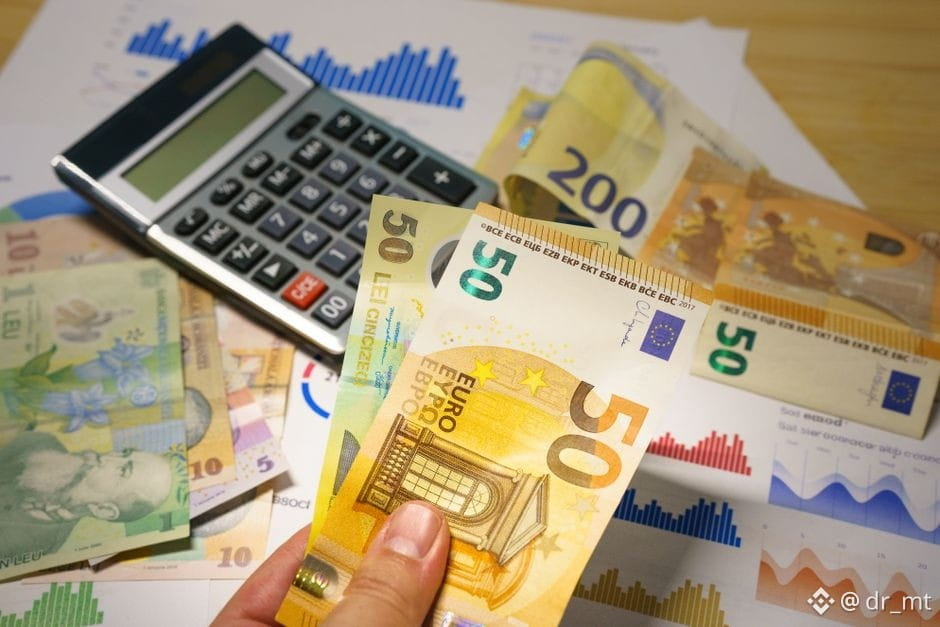
EU finance ministers are set to discuss a bloc-wide tax on windfall profits at energy companies that benefited from the sharp rise in oil and gas prices after the closure of the Strait of Hormuz, with more talks due next month. That matters because once policymakers start reacting to an energy spike, the market begins pricing not just supply risk — but also inflation, margins, and policy pressure.
For traders, the channels are clear: crude, European equities, EUR/USD, gold, and broader risk sentiment. Higher energy costs can keep inflation sticky, which can complicate rate-cut expectations and put pressure on growth-sensitive assets. Crypto usually trades like a high-beta risk asset in that environment, so BTC and altcoins could stay reactive to moves in yields and the dollar.
$ONE
While macro risk is building, , and are still showing strong momentum on Binance Futures — a reminder that speculative appetite is alive even as the macro backdrop gets heavier.
$G
The key question now is whether this turns into a short-lived energy shock, or the start of a more persistent inflation problem for global markets.
#Oil #Inflation #Markets
$AKE
EU finance ministers are set to discuss a bloc-wide tax on windfall profits at energy companies that benefited from the sharp rise in oil and gas prices after the closure of the Strait of Hormuz, with more talks due next month. That matters because once policymakers start reacting to an energy spike, the market begins pricing not just supply risk — but also inflation, margins, and policy pressure.
For traders, the channels are clear: crude, European equities, EUR/USD, gold, and broader risk sentiment. Higher energy costs can keep inflation sticky, which can complicate rate-cut expectations and put pressure on growth-sensitive assets. Crypto usually trades like a high-beta risk asset in that environment, so BTC and altcoins could stay reactive to moves in yields and the dollar.
$ONE
While macro risk is building, , and are still showing strong momentum on Binance Futures — a reminder that speculative appetite is alive even as the macro backdrop gets heavier.
$G
The key question now is whether this turns into a short-lived energy shock, or the start of a more persistent inflation problem for global markets.
#Oil #Inflation #Markets