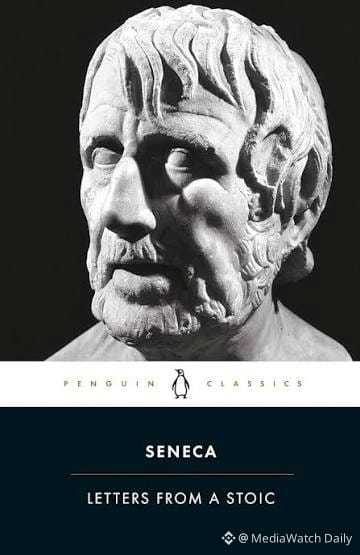
Most people think philosophy is for academics, not real life. Tim Ferriss thought the same—until 2004, when he discovered Seneca the Younger.
Born around 4 BC in what's now Spain, Seneca wasn't some ivory-tower theorist. He was a playwright, one of Rome's wealthiest citizens, a statesman, and an advisor to the emperor. He negotiated power, faced exile, and stared down death.
His philosophy? Stoicism. Founded around 300 BC in Athens, it's an operating system for high-stress environments. The core principle: separate what you can control from what you cannot. Focus only on the former.
Seneca's Moral Letters to Lucilius distilled these lessons. Ferriss says it changed his life—and still does.
Born around 4 BC in what's now Spain, Seneca wasn't some ivory-tower theorist. He was a playwright, one of Rome's wealthiest citizens, a statesman, and an advisor to the emperor. He negotiated power, faced exile, and stared down death.
His philosophy? Stoicism. Founded around 300 BC in Athens, it's an operating system for high-stress environments. The core principle: separate what you can control from what you cannot. Focus only on the former.
Seneca's Moral Letters to Lucilius distilled these lessons. Ferriss says it changed his life—and still does.