
$BTC Coin.
Bitcoin (BTC) . The Master of Cryptocurrency
Bitcoin (BTC) .The Master of Cryptocurrency
Introduction.
Bitcoin (BTC) is the first decentralized cryptocurrency and remains the most recognized digital asset in the world. Since its launch in 2009, Bitcoin has transformed the way people think about money, payments, ownership, and digital assets. Unlike traditional currencies such as the US dollar or Pakistani rupee, Bitcoin is not controlled by a single government or central bank. Instead, it operates through a decentralized network of computers using blockchain technology.
Because of its pioneering role and large influence on the cryptocurrency market, Bitcoin is often described as the “King” or “Master” of Crypto.
What Is Bitcoin?
Bitcoin is a digital form of money that can be transferred directly between users through a peer-to-peer network. Transactions are recorded on a public blockchain, which helps the network verify and maintain a shared history of transactions.
Bitcoin does not exist as physical coins or notes. Ownership is represented digitally, and users generally manage their BTC through cryptocurrency wallets.
Who Created Bitcoin?
Bitcoin was introduced in 2008 through a white paper published under the name Satoshi Nakamoto. The Bitcoin network officially began operating in January 2009.
Satoshi Nakamoto's real identity remains unknown. After contributing to the early development of Bitcoin, Satoshi eventually stopped communicating publicly about the project.
Why Is Bitcoin Called the Master of Crypto?
Bitcoin has several characteristics that make it especially important in the cryptocurrency industry:
First mover: Bitcoin was the first successful decentralized cryptocurrency.
Limited supply: The maximum supply is designed to be 21 million BTC.
Decentralization: Bitcoin operates through a distributed network rather than one central authority.
Global accessibility: Bitcoin can be transferred across borders using the internet.
Strong recognition: BTC is widely known among individuals, companies, and financial institutions.
Market influence: Movements in Bitcoin's price can strongly affect sentiment across the broader crypto market.
Bitcoin and Blockchain Technology
Blockchain is one of Bitcoin's most important innovations. It is essentially a distributed digital ledger containing records of Bitcoin transactions.
Transactions are grouped into blocks. Bitcoin miners use computational work to help secure the network and add new blocks to the blockchain. Once confirmed, transactions become part of the blockchain's permanent history.
This system allows Bitcoin to function without relying on a single organization to maintain the transaction ledger.
Bitcoin's Limited Supply
One of Bitcoin's defining features is its maximum supply of 21 million coins. New BTC enters circulation through the mining process.
Bitcoin also has a programmed halving mechanism. Approximately every 210,000 blocks, the reward paid to miners for producing a new block is reduced by half. Halvings reduce the rate at which new bitcoins are created.
This limited and predictable supply is one reason some people view Bitcoin as a potential digital store of value.
Bitcoin as an Investment
Bitcoin has attracted investors because of its historical growth and its potential role as a new type of digital asset. Some investors hold BTC for the long term, while others trade it over shorter periods.
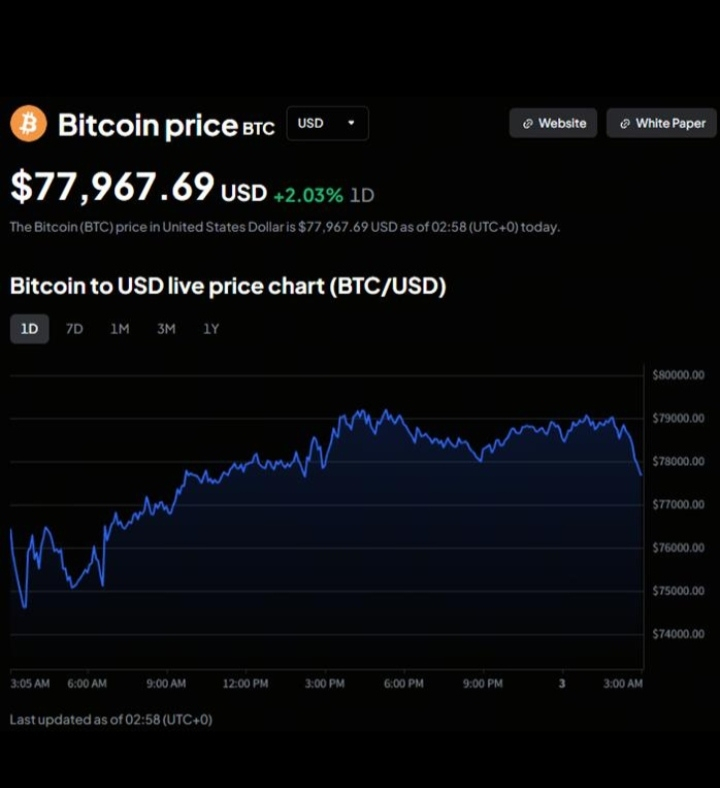
However, Bitcoin is also highly volatile. Its price can experience large increases or decreases, sometimes within a short period. Factors such as market sentiment, economic conditions, regulation, institutional activity, liquidity, and technological developments can influence its price.
Therefore, Bitcoin should not be considered a guaranteed way to make money.
Advantages of Bitcoin
Bitcoin offers several potential advantages:
Decentralization: No single central authority controls the Bitcoin network.
Scarcity: Its maximum supply is limited to 21 million BTC.
Transparency: Bitcoin transactions are recorded on a public blockchain.
Portability: BTC can be transferred digitally without physically moving an asset.
Global nature: Bitcoin operates internationally and is not tied to one country's banking system.
Risks of Bitcoin
Bitcoin also carries significant risks. Its price can be extremely volatile, and investors can lose substantial amounts of money. Cryptocurrency regulations can also vary between countries and may change over time.
Users must also protect their private keys and wallet information. Losing access to a wallet can mean losing access to the associated BTC.
For these reasons, anyone considering Bitcoin should learn about cryptocurrency security, understand the risks, and avoid investing money they cannot afford to lose.
The Future of Bitcoin
Bitcoin continues to develop as the cryptocurrency industry evolves. Its future may be influenced by adoption, regulation, technological improvements, institutional participation, and global economic conditions.
Some people believe Bitcoin could become increasingly important as a digital asset and payment technology. Others argue that its volatility, regulatory challenges, energy requirements, and competition create significant uncertainties.
Regardless of the outcome, Bitcoin has already had a major impact on the financial and technological world.
Conclusion
Bitcoin (BTC) is much more than just another cryptocurrency. It introduced a new approach to digital ownership and decentralized money and became the foundation of an entire cryptocurrency industry.
Its 21-million maximum supply, decentralized network, blockchain technology, and worldwide recognition have made Bitcoin the most influential cryptocurrency in the market.
Bitcoin may continue to face challenges and periods of extreme volatility, but its importance in the development of digital assets is undeniable. For many people, BTC remains the Master and King of the cryptocurrency world.
Add a clear reader-friendly summary
Use balanced, less promotional language
Add a practical Bitcoin safety section#AnthropicCEOCallsForAISlowdown