

Decentralized finance, commonly known as DeFi, is changing how people think about financial services. Instead of relying entirely on traditional banks and centralized institutions, DeFi uses blockchain technology and smart contracts to provide services such as trading, lending, borrowing, and asset management.
One major advantage of DeFi is accessibility. Anyone with an internet connection and a compatible digital wallet can potentially interact with decentralized financial applications without opening a traditional bank account. This can create new opportunities for people who have limited access to conventional financial services.
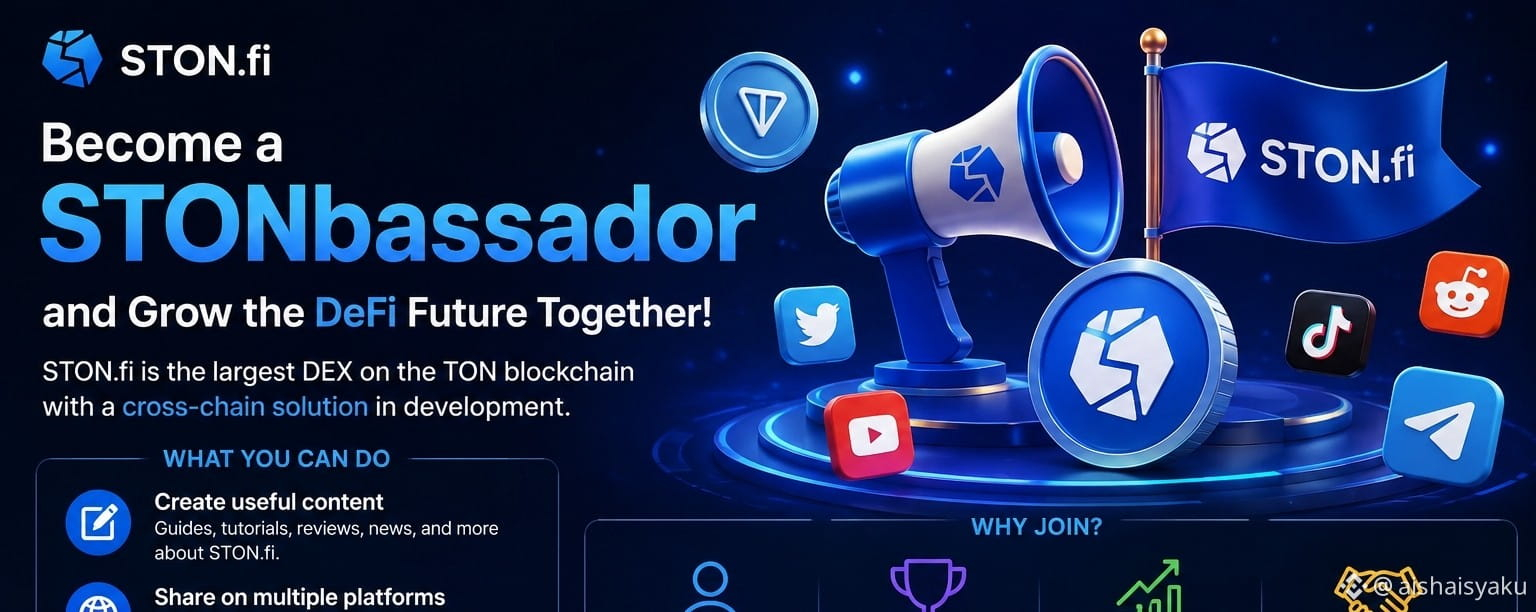
Decentralized exchanges are another important part of the ecosystem. Platforms such as STON.fi allow users to trade digital assets through blockchain-based infrastructure, giving users greater control over their funds while reducing dependence on centralized intermediaries.
The DeFi ecosystem continues to expand as developers introduce new applications and financial tools. At the same time, users must understand risks, including smart-contract vulnerabilities, market volatility, liquidity issues, and scams.
As blockchain technology develops, DeFi could become an increasingly important part of the global digital economy. Its growth demonstrates how financial services can become more open, programmable, and accessible through decentralized technology.