
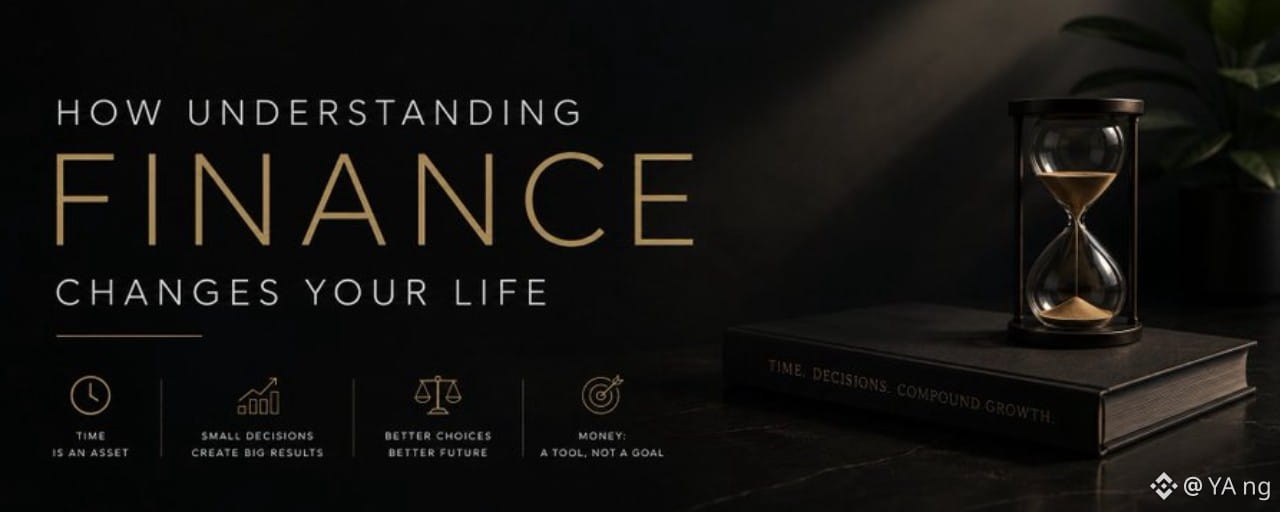

1. Money Becomes a Tool,Not Just Something to Spend
starts asking: Is this the best use of this money?
2. Time Becomes a Financial Asset
Capital earns returns. Those returns can earn additional returns.
3. Small Decisions Become Large Decisions
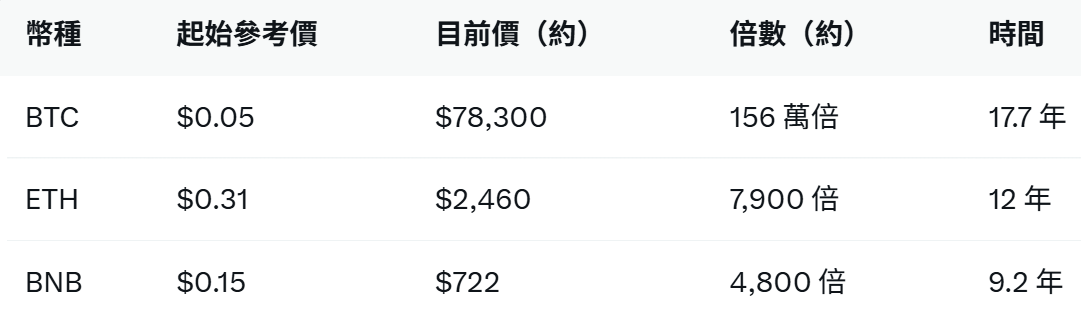
With an annual return of 10% on 1, 1 will grow to $71 in 45 years.
4. Debt Stops Looking Like a Monthly Payment
Selling part of my future cash flow.
5. “Doing Nothing” Becomes a Financial Decision
keeping all wealth in cash also involves risks. Inflation can reduce purchasing power.
6. Avoiding Ruin Becomes More Important Than Maximizing Returns
survival
7. An Emergency Fund Becomes More Than “Idle Cash”
being able to absorb financial shocks, meet obligations, feel secure about the future and retain freedom of choice.
8. Money Begins to Buy Choices
Wealth can be measured not only by what you can afford to buy, but by what you can afford to refuse
9. Financial Scarcity Can Consume Attention: scarcity can consume mental bandwidth.
This creates a vicious cycle:
Financial pressure
Shorter decision horizon
More attention spent on immediate problems
Less capacity for long-term planning
Continued financial pressure
A financial cushion can help reverse part of that process:
Financial cushion
Fewer immediate emergencies
More time and attention
Longer-term decisions
Potentially stronger financial position
Money isn't only buying products here. It is buying breathing room for decisions.
10. Income Stops Being the Same Thing as Wealth
Income is a flow. Wealth is a stock.
11. Visible Wealth Stops Being Convincing
Consumption is visible. Wealth often isn't.
12. Price Stops Being the Same Thing as Cost
Stop looking only at the price tag. Start looking at: total cost of ownership and lifetime cost.
13. Time Gets a Price
money + time + energy + attention + risk.
14. Prediction Becomes Less Important Than Preparation
You need a financial structure capable of surviving several possible futures.
What Do You Actually Need to Change?
Know your cash flow. Not approximately. Know what comes in and where it goes.
Calculate your net worth. Assets minus liabilities. This creates a much better measure of financial progress than salary alone.
Build liquidity. Create enough accessible reserves that an ordinary financial shock doesn't immediately become debt.
Understand every debt you have. Know the balance, interest rate, term, payment and total cost.
Convert income into capital systematically. Don't invest only whatever happens to remain at the end of a good month. Create a process.
Protect against catastrophic risks. Diversification, sensible leverage, liquidity and appropriate insurance exist partly to prevent one event from destroying the system.
Decide what the money is for. This is the part many people skip. Without an answer, wealth accumulation can become an infinite scoreboard.
Build a Personal Financial Operating System
A useful financial system doesn't have to be complicated. It can be reduced to a simple sequence:
INCOME
SURVIVE
PROTECT
REMOVE DRAG
BUILD
LIVE
REPEAT