
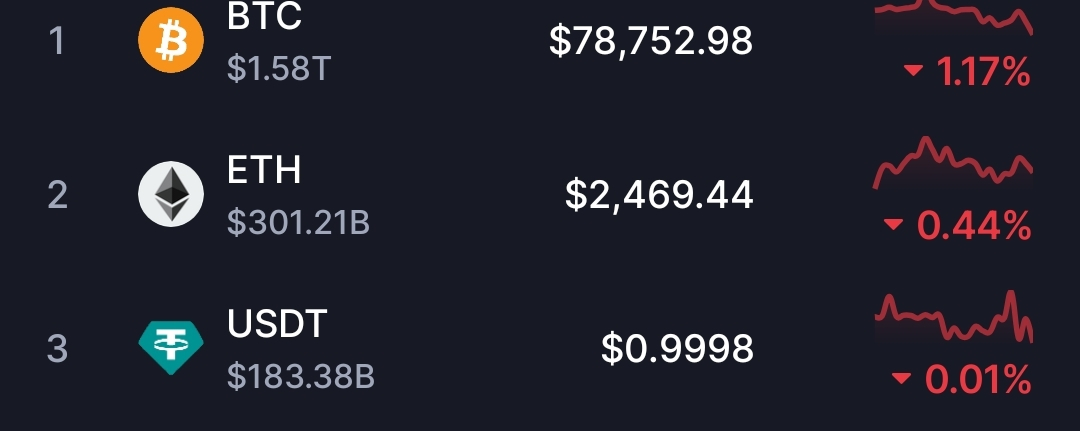


Almost $1 billion flowed into U.S. spot Bitcoin ETFs last week, and that is one of the strongest signals currently coming from the institutional side of the crypto market.
U.S. spot Bitcoin ETFs recorded approximately $986.9 million in net inflows during the week ending September 4. Even more importantly, this was the third consecutive week of positive flows.
That means institutional demand hasn't disappeared despite Bitcoin's recent volatility.
BlackRock's IBIT was the biggest contributor, attracting around $691.5 million during the week. Overall Bitcoin ETF trading volume reached approximately $14.5 billion.
And this isn't happening in isolation.
August was an especially strong month for Bitcoin ETFs. U.S. spot BTC funds attracted approximately $3.52 billion in net inflows, their strongest positive month since September 2025.
So what does all this mean for Bitcoin?
The first important point is that large investors are still interested in BTC.
ETFs allow traditional investors and institutions to gain Bitcoin exposure through regulated financial products. When these funds consistently receive net inflows, it suggests demand for Bitcoin exposure is increasing.
This becomes particularly interesting because BTC is currently trading around the psychologically important $80,000 region.
Bitcoin climbed above $82,000 last week before pulling back toward $80K. Despite stronger expectations for a Federal Reserve rate hike and rising Treasury yields, BTC has so far managed to hold much of its recent recovery.
In other words, Bitcoin is currently caught between two powerful forces.
ETF demand is supporting the bullish side, while higher interest-rate expectations are creating pressure from the macro side.
This battle could explain why Bitcoin has been consolidating instead of immediately exploding higher despite strong ETF inflows.
There is also an important resistance area ahead.
Technical analysis cited by Reuters highlighted approximately $82,793 as a major resistance level. A convincing breakout above this area could strengthen the case for a move toward $90,000, while failure to break it could keep Bitcoin trapped inside its current range.
That makes ETF flows especially important to watch.
If Bitcoin ETFs continue attracting hundreds of millions of dollars while BTC pushes against resistance, persistent demand could help absorb selling pressure around previous highs.
But ETF inflows don't guarantee that Bitcoin will rise.
Macroeconomic conditions still matter. Strong August employment data increased expectations of a September Federal Reserve rate hike, while this week's inflation numbers could further change those expectations.
If inflation comes in hotter than expected and rate-hike expectations rise further, Bitcoin could face additional pressure even if ETF demand remains healthy.
On the other hand, softer inflation combined with continued ETF inflows could create a much more favorable environment for BTC.
That's why the $987 million figure matters beyond the headline.
It shows that investors are continuing to put substantial capital into Bitcoin ETFs at a time when BTC is testing a critical area and macro uncertainty remains elevated.
The next signal will be whether those inflows continue.
If ETF demand stays strong and Bitcoin successfully breaks through the $82K–$83K resistance zone, the argument for another major leg higher becomes much stronger.
If ETF flows reverse while BTC continues struggling with resistance, traders may need to be more cautious about assuming the breakout has already begun.
For now, one thing is clear:
Nearly $1 billion entered Bitcoin ETFs in just one week. Big money is still paying attention to BTC and what happens around $80K–$83K could tell us whether that demand is strong enough to drive the next major move.