


Nvidia's losing streak ended on Tuesday. Seven straight sessions of selling, the longest since September 2022, gone in one afternoon, and the rest of the chip sector rode along with it. Traders spent the day positioning for Wednesday, when Nvidia reports after the bell, and will either give the AI trade its validation or not.
The bigger story sat underneath that bounce. Oil dropped. Bond yields followed it down. Brent closed below $89 a barrel. WTI slid toward $81, down more than 3% on the day. The catalyst was the Strait of Hormuz, again, except this time the news ran the right way. Iran and Oman spent Tuesday discussing what both governments are calling an interim framework, a temporary joint maritime corridor meant to get tankers moving through the chokepoint again.
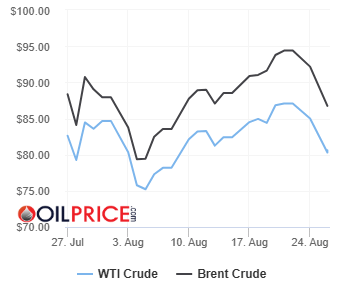
Washington helped too. The newest round of U.S. economic pressure on Iran landed softer than markets had braced for, leaning on sanctions instead of anything that smelled like military escalation. Pakistan has been working its own diplomatic channel in the background for weeks now, a second track running alongside Oman's. Two of last week's ugliest headlines reversed inside a single session, and stocks got room to breathe.
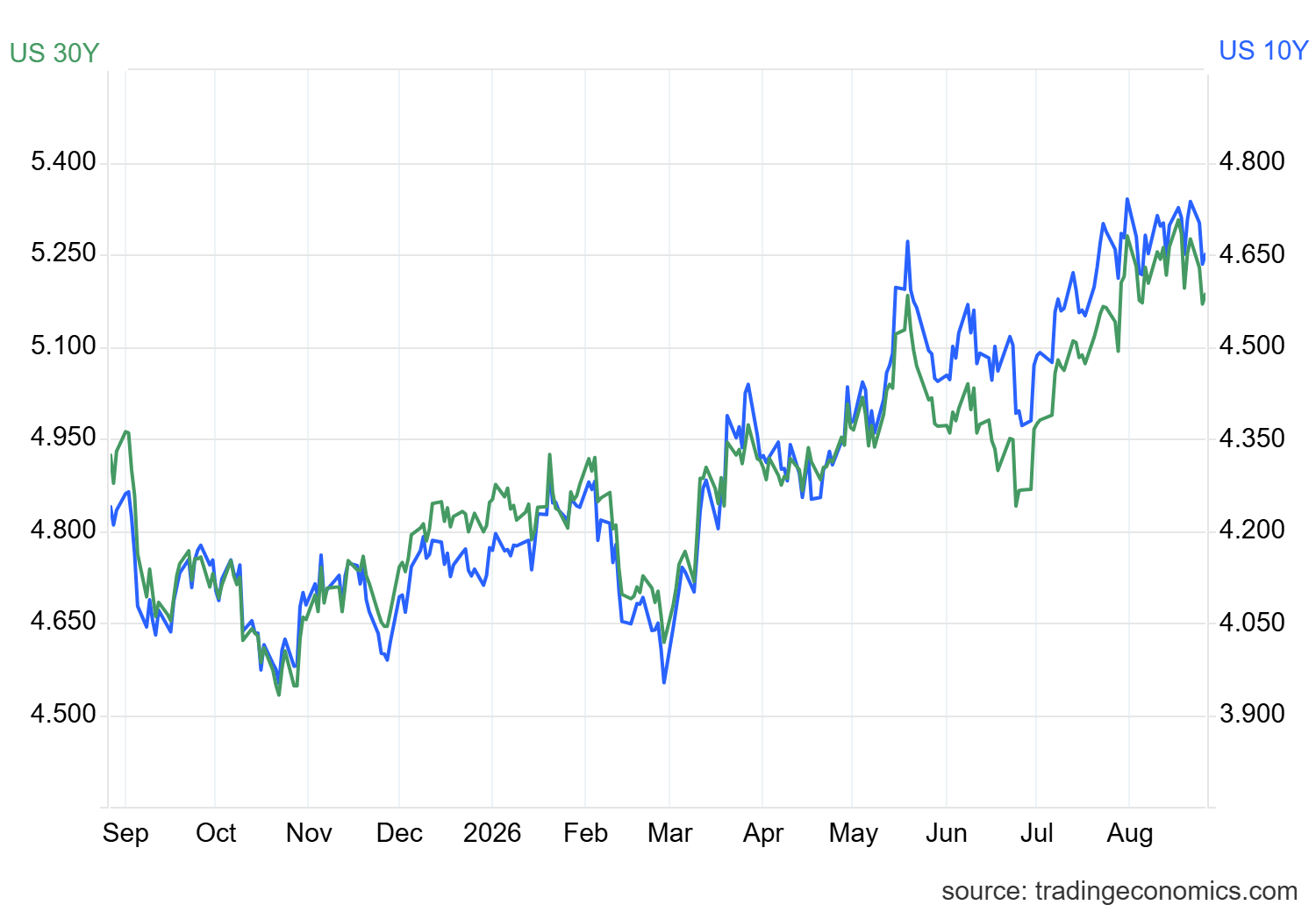
Treasury yields fell hard across the curve, though not evenly. The 10-year gave up more than 7 basis points. The 30-year shed over 6. The 2-year, tied more closely to near-term Fed expectations, eased a smaller 5 or so.
However, the economic data didn't cooperate, though. Consumer confidence fell more than expected in August, and the damage was lopsided. The Conference Board's headline index slipped to 89.4.
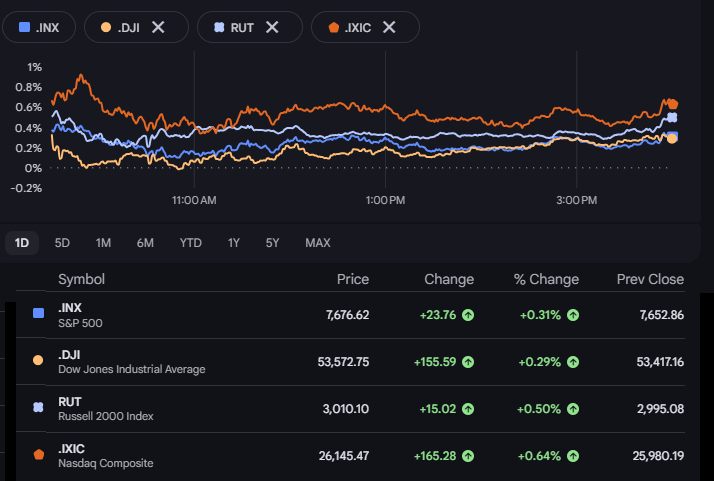
This was not enough to dampen investors' sentiment. Chipmakers snapped back. By the close, all four major indexes were up. The tech-heavy Nasdaq led, gaining 0.7%. The broad S&P 500 and the 30-stock Dow each added 0.3%. The small-cap Russell 2000 rose 0.5%.
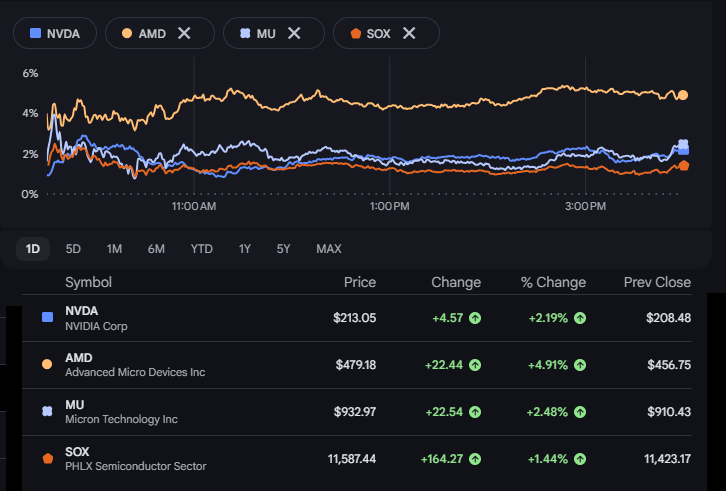
Semiconductors carried it. Nvidia climbed roughly 2%, snapping its seven-session slide the day before Jensen Huang's company reports earnings. Other chipmakers rose in tandem, with AMD jumping nearly 5%. Micron added about 2.5%. The PHLX Semiconductor Index rose 1.4% in the session.
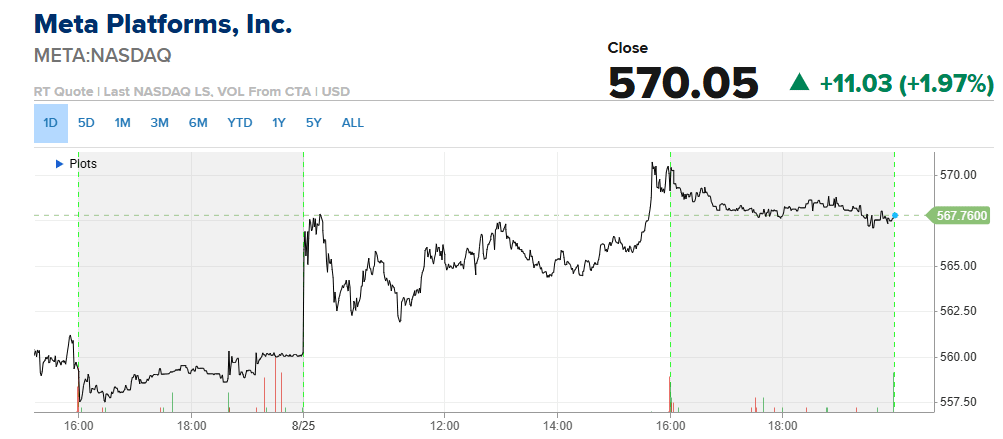
Communication Services caught a similar tailwind. Meta climbed nearly 2%, and the gain said something: investor conviction in AI monetization hasn't cracked, even while the hardware names underneath it were still finding their footing.
SpaceX Bets $100 Billion on a Louisiana Marsh
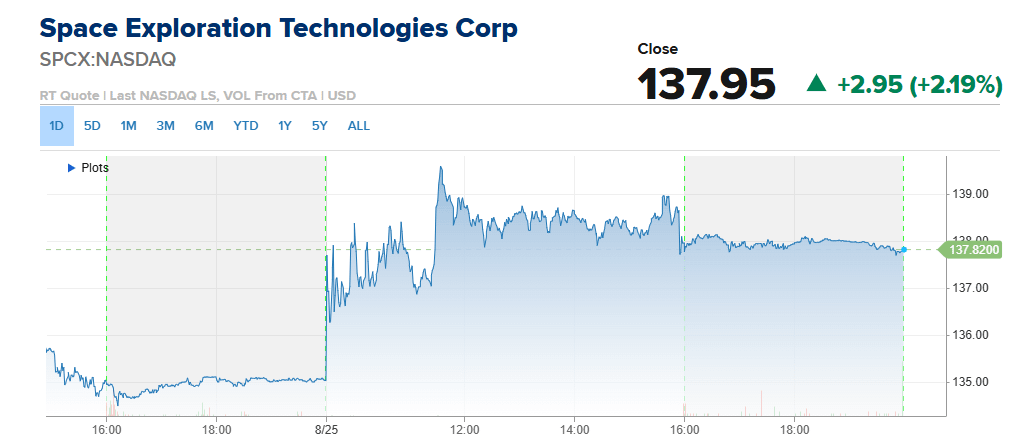
Elon Musk's rocket company gave the tape something to talk about that had nothing to do with chips or yields. SpaceX shares rose more than 2% after the company announced plans to spend as much as $100 billion on a new launch facility, Starbase Louisiana, built on marshland in Vermilion Parish.
Finding the site took roughly seven years, according to SpaceX. In a video posted alongside the announcement, Musk put a number on the payoff: "probably 10,000 really exciting jobs" for the state. Louisiana's own economic development office is more conservative. Its estimate: 3,000 direct jobs over a decade, plus another 8,100 indirect ones.
A CEO's $1.2 Million Bet Moves a Small Biotech
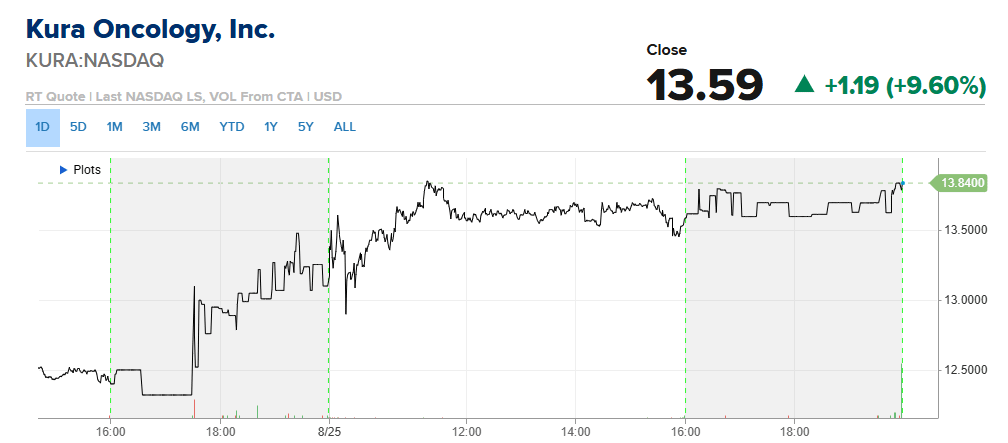
Kura Oncology jumped 11% after a regulatory filing surfaced a fresh insider purchase. CEO Troy Wilson bought 100,000 shares, roughly $1.2 million worth at the price he paid. Executives don't usually write checks that size without conviction behind them, and the market noticed.
Gold Keeps Climbing. It's Not About New Purchases.
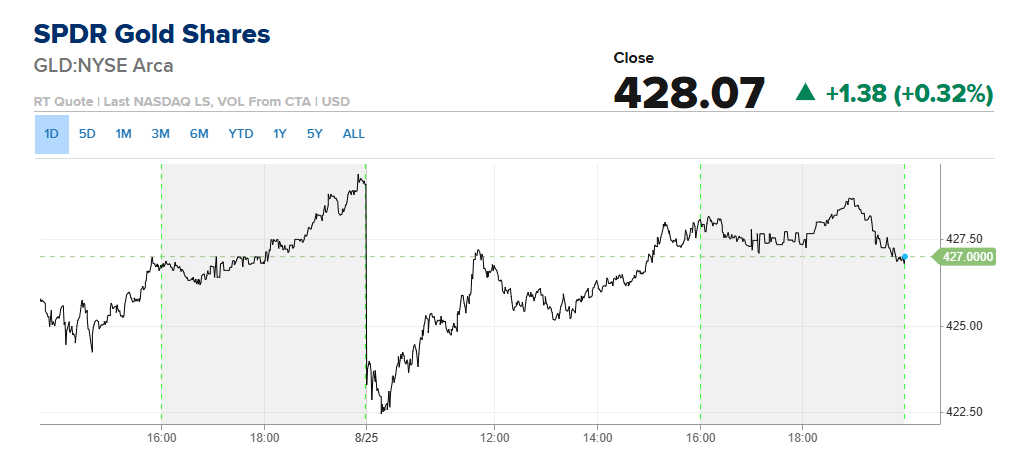
Gold pushed to its highest level in more than three months. The SPDR Gold Shares ETF rose alongside it, up more than 0.3% on the day, extending a rally now four sessions old.
The driver here matters, because it isn't what it might look like. This isn't a story about a new round of official gold buying. It's a debt story. The Treasury Department's move to sharply expand its buybacks of long-dated government bonds, paired with reports that Secretary Scott Bessent could tap close to $1 trillion sitting in the department's General Account to help fund those purchases, revived old worries about federal finances and put fresh pressure on the dollar. Traders read that combination the same way they read it last year: a softer greenback, swelling borrowing, and a rotation into an asset nobody can print more of.
Retail Takes It on the Chin
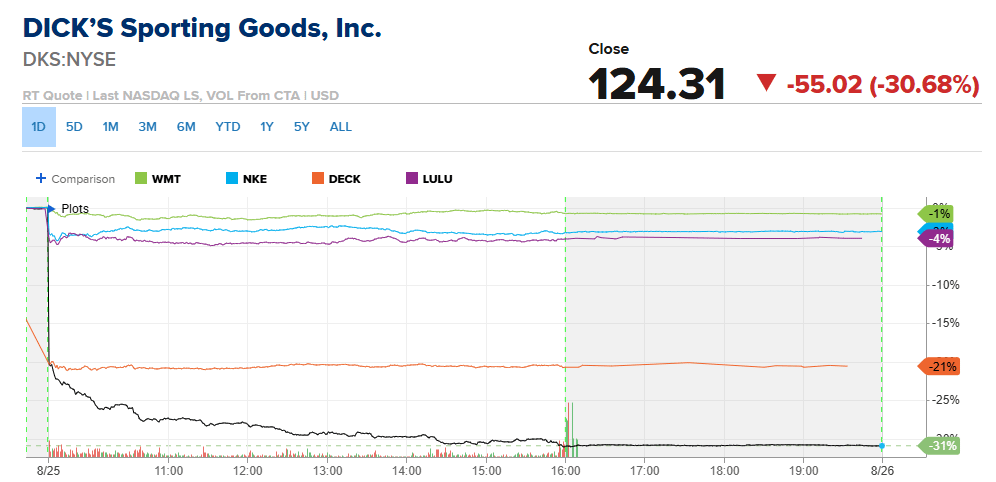
Dick's Sporting Goods had its worst trading session on record. Shares fell nearly 30% after second-quarter results missed Wall Street's numbers and management slashed its outlook for the year. The pain traced to one division. Foot Locker, the chain Dick's bought last year, saw comparable sales fall 3.6%. The core Dick's banner, meanwhile, grew comps 4.9%, a healthy number buried under a bad headline. Executives pointed to an increasingly promotional athletic footwear market that hit the newly combined business harder than expected. Walmart, Nike, Deckers, and Lululemon all slipped in sympathy. Canada's new retaliatory tariffs, covering roughly $20 billion in U.S. goods, piled on another layer of trade-war unease across the group.
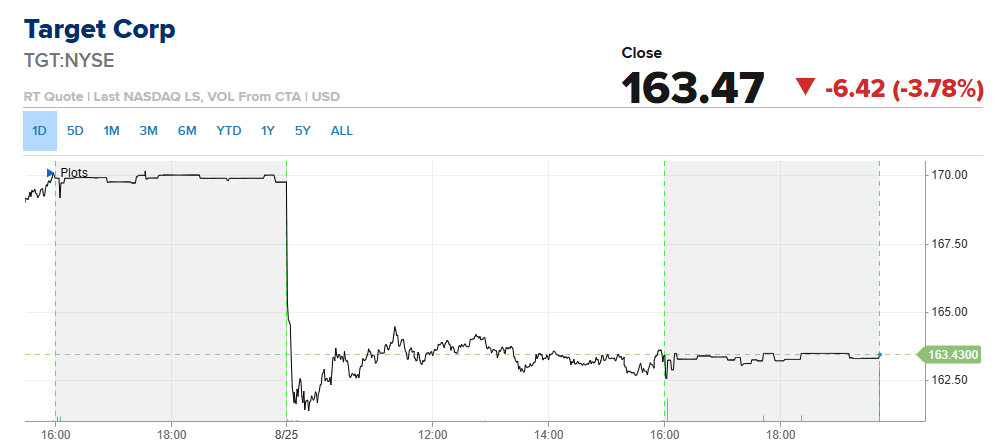
Target's wound was self-inflicted. The retailer pulled a children's Halloween costume marketed as a "Kids' Glows Under Blacklight Circus Clown" outfit under its Hyde & EEK! Boutique line after critics said the dark face covering and exaggerated mouth evoked blackface and minstrel-era imagery. Shares fell nearly 4%. Target's apology came fast: "We know we got this wrong, and we are deeply sorry." It landed on a company already navigating scrutiny over its DEI policy reversals and a string of past seasonal-merchandise controversies.
Sector Analysis:
Winners and Losers Beneath the Headline Numbers
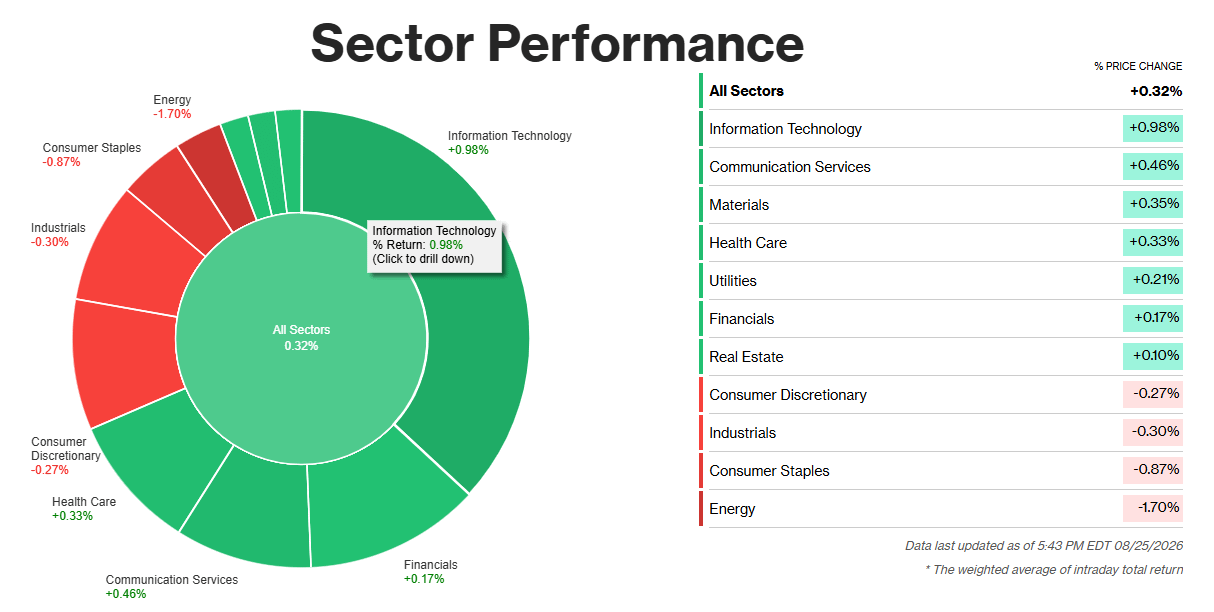
Technology topped the sector leaderboard, up 0.98%, as chipmakers clawed back weeks of jitters over memory pricing and AI hardware demand. Only one other sector, health care, closed comfortably positive. Real breadth, not just a couple of megacaps carrying the tape. Materials rose 0.35% on gold's stealth rally. A multi-week safe-haven bid, still running.
Energy brought up the rear. It slid 1.70% as crude gave back its geopolitical risk premium. Exxon Mobil and Chevron both fell more than 1.5%, absorbing the brunt of a repricing that looks like war-risk coming out of the price rather than any real shift in supply. Tensions flare again, that premium comes right back.
Consumer Staples slumped 0.87%, dragged down with Energy by the weak confidence data and Canada's tariff news. Industrials eased a gentler 0.30% spillover, not its own story.
Wednesday changes the conversation. Nvidia reports after the close, and every assumption behind Tuesday's rally gets tested in real time.