Term Finance just got rekt for $8.5M—not from a contract bug, but governance manipulation.
So if audits missed this, why tf do we still care about them?
Here's the real talk:
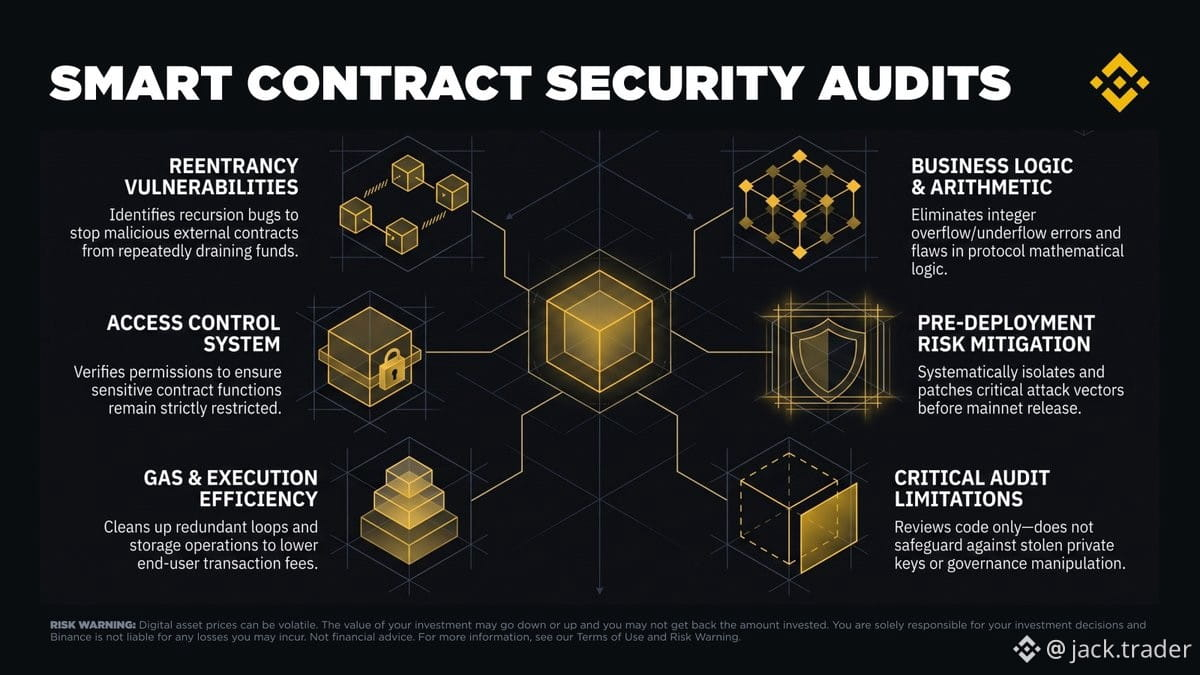
Audits catch the low-hanging fruit—reentrancy bugs, access control fails, the classic rugs. They're your first line of defense against getting liquidated by a 15-year-old hacker.
But they DON'T stop:
• Governance attacks (someone gaming your voting mechanism)
• Off-chain exploits (oracle manipulation, social engineering)
• Economic design flaws (tokenomics that incentivize dumping)
The Term Finance hack is a brutal reminder: code can be clean, but if your governance model is trash, you're still ngmi.
TLDR: Audits = necessary but not sufficient. You need threat modeling, game theory analysis, and actual stress testing of governance vectors.
Don't just ape into "audited" protocols thinking you're safe. Check WHO audited, WHAT scope they covered, and if governance was even in scope.
Stay paranoid out there.
So if audits missed this, why tf do we still care about them?
Here's the real talk:
Audits catch the low-hanging fruit—reentrancy bugs, access control fails, the classic rugs. They're your first line of defense against getting liquidated by a 15-year-old hacker.
But they DON'T stop:
• Governance attacks (someone gaming your voting mechanism)
• Off-chain exploits (oracle manipulation, social engineering)
• Economic design flaws (tokenomics that incentivize dumping)
The Term Finance hack is a brutal reminder: code can be clean, but if your governance model is trash, you're still ngmi.
TLDR: Audits = necessary but not sufficient. You need threat modeling, game theory analysis, and actual stress testing of governance vectors.
Don't just ape into "audited" protocols thinking you're safe. Check WHO audited, WHAT scope they covered, and if governance was even in scope.
Stay paranoid out there.