

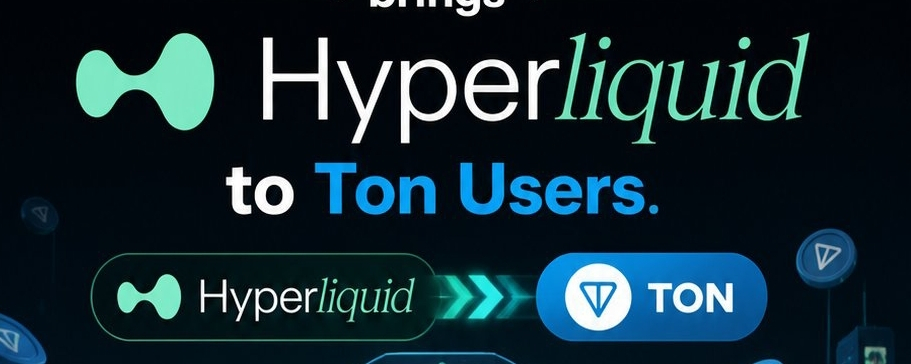

Der Perp-DEX-Markt wird zum Rennen über Web3
Der Perpetual-DEX-Markt wird rasch zu einem der wettbewerbsintensivsten und innovativsten Bereiche von Web3. Während Onchain-Trading weiter reift, konkurrieren unterschiedliche Ökosysteme nicht mehr nur nach Geschwindigkeit, Liquidität oder Handelsprodukten. Sie konkurrieren auch um Zugänglichkeit, Interoperabilität und darum, wie leicht Nutzer Assets zwischen Netzwerken bewegen können.
Eine der spannendsten Entwicklungen findet rund um Telegram, TON und Hyperliquid statt: WenLong und Omniston helfen dabei, TON-Nutzer mit dem breiteren Onchain-Perpetual-Trading-Ökosystem zu verbinden.
Die Idee ist unkompliziert, aber die Infrastruktur dahinter ist von erheblicher Bedeutung.
Ein Nutzer, der USDT auf TON hält, kann Omniston verwenden, um es in USDC auf Arbitrum umzutauschen. Von dort kann der USDC für eine Hyperliquid-Einzahlung genutzt werden, wodurch TON-Nutzer einen direkteren Weg in eine der großen Onchain-Perpetual-Trading-Plattformen erhalten.
Dieser Cross-Chain-Flow ist wichtig, weil Liquidität oft über verschiedene Netzwerke fragmentiert ist. Nutzer können Assets in einer Chain haben, während die Trading-Plattform, die sie nutzen möchten, primär auf einer anderen läuft. In der Vergangenheit konnte der Wechsel zwischen diesen Ökosystemen mehrere Schritte erfordern, unterschiedliche Brücken, separate Wallets und zusätzliche Reibung.
Cross-Chain-Infrastruktur verändert diese Erfahrung.
Indem WenLong und Omniston TON-Liquidität mit Arbitrum und Hyperliquid verbinden, zeigen sie, wie unterschiedliche Teile von Web3 zusammenarbeiten können, anstatt als isolierte Ökosysteme nebeneinander zu existieren.
Und das ist mehr als nur ein einzelner Swap- oder Einzahlungs-Flow.
Der Perp-DEX-Markt entwickelt sich hin zu einer Umgebung, in der sich Liquidität effizienter über Ökosysteme hinweg bewegen kann. So können Nutzer auf Handelsmöglichkeiten zugreifen, ohne in eine einzige Chain eingesperrt zu sein.
Das könnte immer wichtiger werden, sobald der Wettbewerb unter Perpetual-DEXs wächst.
Verschiedene Plattformen bauen bessere Trading-Erlebnisse, tiefere Liquidität, schnellere Ausführung und ausgefeiltere Produkte. Aber selbst die stärkste Trading-Plattform kann an Grenzen stoßen, wenn Nutzer ihr Kapital nicht einfach in das Ökosystem bringen können.
Darum könnte Interoperabilität in der nächsten Phase des Onchain-Tradings zu einem der wichtigsten Wettbewerbsvorteile werden.
Stellen wir uns eine Zukunft vor, in der ein Nutzer nicht lange darüber nachdenken muss, welche Chain seine Mittel hält. Stattdessen wählt er einfach den Markt aus, den er handeln möchte, während die zugrunde liegende Infrastruktur die komplexe Bewegung der Liquidität über Netzwerke hinweg übernimmt.
Das scheint die Richtung zu sein, in die sich das Ökosystem bewegt.
TON hat dank Telegram einen enormen Distributionsvorteil. Arbitrum ist zu einem wichtigen Hub für Ethereum-basierte Liquidität und Anwendungen geworden. Hyperliquid hat sich als großes Ziel für Onchain-Perpetual-Trading etabliert. Durch das Verbinden dieser Ökosysteme entsteht eine spannende Kombination aus Distribution, Liquidität und Trading-Infrastruktur.
Die echte Chance besteht nicht nur darin, eine einzige Transaktion leichter zu machen.
Es schafft eine Web3-Umgebung, in der unterschiedliche Netzwerke als Teile eines miteinander verbundenen Finanzsystems funktionieren können.
Für Nutzer bedeutet das: weniger Hürden.
Für Protokolle bedeutet das: Zugang zu breiterer Liquidität.
Für Trading-Plattformen bedeutet das: eine größere potenzielle Nutzerbasis und mehr Kapital, das in ihre Märkte fließt.
Und für den Perp-DEX-Sektor als Ganzes bedeutet das: Der Wettbewerb könnte sich zunehmend von dem bloßen Aufbau der besten isolierten Plattform hin zum Aufbau des am besten vernetzten Trading-Ökosystems verlagern.
Wenn immer mehr Protokolle Cross-Chain-Swaps, Messaging, Settlement und das Routing von Liquidität verbessern, werden die Grenzen zwischen Ökosystemen weiter an Bedeutung verlieren.
Der nächste Schritt bei Onchain-Perps könnte daher nicht mehr darum gehen, dass eine Chain eine andere übertrumpft.
Vielleicht geht es darum, welche Ökosysteme sich am effektivsten miteinander verbinden können.
Das Perp-DEX-Rennen findet nicht mehr auf einer einzigen Chain statt. Es wird zu einem Rennen über Web3, und Interoperabilität könnte einer der größten Faktoren dafür sein, wer die nächste Welle des Onchain-Tradings anführen wird.